Frostbite

Frostbite occurs when skin and underlying tissues freeze after exposure to extreme cold. Early signs may feel like numbness or tingling, but more serious frostbite can cause permanent injury to skin, muscle, bone, and nerves. Immediate evaluation is essential to prevent long-term damage.

ABOUT THIS CONDITION

Understanding Frostbite

What Is Frostbite?

Frostbite is an injury caused by the freezing of the skin and deeper tissues. It often begins with frostnip, the earliest stage of cold injury, which causes pain, tingling, or numbness but does not permanently damage the skin. As frostbite progresses, the affected area may change color, feel hard or waxy, and lose sensation.

Frostbite can occur in freezing, windy, or wet conditions—even on skin protected by gloves or clothing. While mild frostbite may improve with gentle rewarming, more serious injuries require prompt medical attention to prevent long-term tissue damage.
Symptoms of Frostbite

Symptoms vary depending on the severity of the cold injury and may include:

  • Numbness

  • Tingling sensations

  • Skin discoloration in shades of red, white, blue, gray, purple, or brown

  • Cold, hard, or waxy-looking skin

  • Stiff joints or clumsiness

  • Pain or burning sensations

  • Blistering after rewarming

Frostbite most commonly affects the fingers, toes, nose, cheeks, ears, chin, and genitals. Because numbness can mask symptoms, some people may not realize they have frostbite until someone else notices changes in their skin.

Stages of Frostbite

Frostnip (early stage):
Pain, tingling, and numbness without permanent damage.

Mild to moderate frostbite (superficial):
Skin may look pale or discolored and feel unusually warm. After rewarming, the skin may appear patchy, swollen, or blistered.

Deep frostbite:
All layers of the skin and underlying tissues are affected. Skin turns white or blue-gray, large blisters appear hours after rewarming, and tissue may turn black weeks later as it dies.

Burn (Frostbite) Complications

Complications from deep or untreated frostbite may include:

  • Hypothermia

  • Long-term numbness

  • Lasting sensitivity to cold

  • Excessive sweating (hyperhidrosis)

  • Nail changes or nail loss

  • Infection

  • Tetanus

  • Gangrene, which may require amputation

What Causes Frostbite?

The most common cause of frostbite is exposure to freezing temperatures. Risk increases in conditions that are wet, windy, or at high altitude. Frostbite can also occur after direct contact with:

  • Ice

  • Freezing metal

  • Extremely cold liquids

Risk Factors

You may have a higher risk of frostbite if you:

  • Are outside in freezing temperatures without adequate protective clothing

  • Have medical conditions such as diabetes, poor circulation, exhaustion, or heart failure

  • Smoke tobacco regularly

  • Have impaired judgment while in cold conditions

  • Have had frostbite before

  • Are an infant or older adult, with less ability to generate or retain heat

  • Spend time outdoors at high altitudes

When to Seek Immediate Medical Care

Seek emergency care if frostbite causes:

  • Intense pain even after taking a pain reliever and rewarming

  • Intense shivering

  • Slurred speech

  • Drowsiness or confusion

  • Difficulty walking

These symptoms may indicate hypothermia, a serious condition in which the body loses heat faster than it can produce it.

When to Call Your Healthcare Provider

Contact a healthcare professional if you experience:

  • Frostbite symptoms beyond frostnip

  • Blistering

  • Signs of infection (fever, redness, swelling, or drainage)

  • Persistent numbness or skin color changes

  • Concerns about tetanus vaccination status

First-Aid Care

While waiting for emergency help:

  • Move to a warm environment and remove wet clothing

  • Avoid walking on frostbitten feet or toes if possible

  • Protect the injured area from further cold exposure

  • Take a pain reliever if needed

  • Drink a warm, nonalcoholic beverage

  • If hypothermia is suspected, wrap in a warm blanket until help arrives.

Frostbite Prevention & Education

Frostbite Prevention and Expert Burn Care Go Hand-in-Hand

Preventing Frostbite
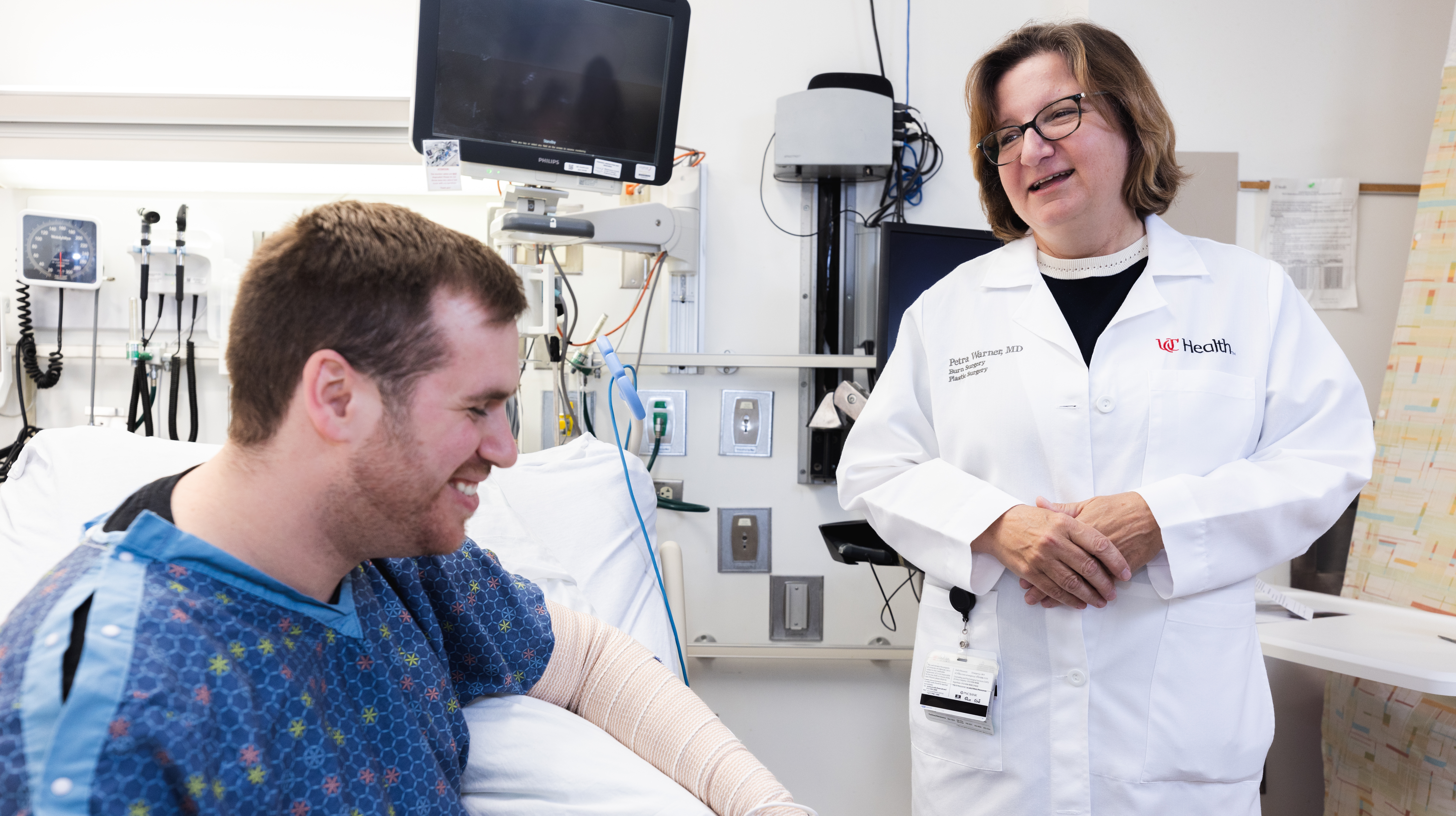
Dr. Warner, MD consulting a Burn patient.

Contact Us

At UC Health, we lead the region in scientific discoveries and embrace a spirit of purpose – offering our patients and their families something beyond everyday healthcare. At UC Health, we offer hope.

x