Frequently Asked Questions

Your questions, answered.

Learn about UC Health’s Advanced Education in General Dentistry (AEGD) Residency Program, including curriculum, rotations, stipend, benefits, eligibility, and application details.


← Back to AEGD Residency Program Overview


Current Residents

About the Program

What is the AEGD Residency Program?

The Advanced Education in General Dentistry (AEGD) Residency Program at UC Health Dental Center is a one-year, postdoctoral program providing clinical, didactic, and hospital-based training. Residents gain experience in comprehensive general dentistry, preparing them for independent practice.

When does the program start?

Each year on July 1.

How many residents are accepted?

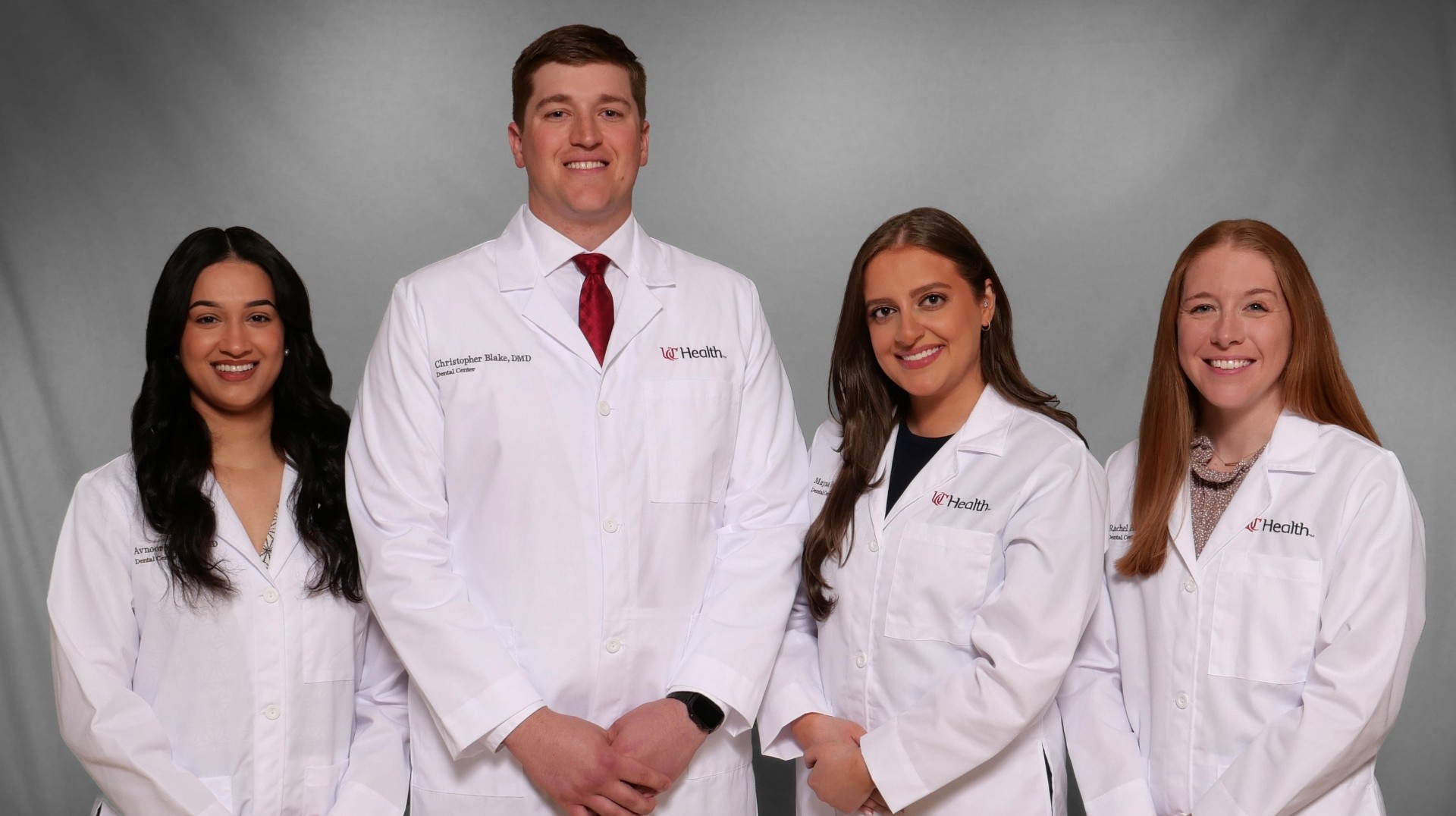
Four residents per year.

Is this program accredited?

Yes. The program is accredited by the Commission on Dental Accreditation (CODA) and holds approval without reporting requirements.

Is tuition required?

No. There is no tuition for the certificate program.
 

Stipend & Benefits

What is the resident stipend?

For 2024–2025, the stipend is $65,188.

What benefits do residents receive?

Residents receive full UC Health benefits, including medical and dental insurance, life insurance, long-term disability, professional liability coverage and optional participation in a 401(k) and flexible spending accounts.


Application & Eligibility

How do I apply?

Applications are submitted via PASS. The PASS deadline is approximately October 1 each year.

Who is eligible to apply?

Applicants must:

  • Be U.S. citizens.
  • Be pursuing a D.M.D. or D.D.S. degree from a U.S. or Canadian dental school.
  • Submit a 2” x 2” photograph directly to the program.
  • Contact the program after the PASS deadline before applying.

What requirements must be completed after acceptance?

Residents must:

  • Have passed the Integrated National Board Dental Examination (INBDE).
  • Submit an official dental school transcript and diploma directly to the program.
  • Obtain a Limited Resident License from the Ohio State Dental Board.


Curriculum & Clinical Experience

What clinical areas will I train in?

Residents gain experience in:

  • Comprehensive general dentistry (majority of time in the Dental Center)
  • Pediatric dentistry at Cincinnati Children’s Hospital (½ day per week)
  • Oral and maxillofacial surgery at UC Medical Center (½ day per week)
  • Anesthesia (two-week rotation)
  • Special needs patient care in the operating room
  • Implant restorative dentistry, rotary endodontics, periodontal therapy, and operative dentistry.

What didactic experiences are included?

Didactic training includes:

  • Anesthesia/Medicine course,
  • Practice management series,
  • Specialty lectures (TMD, esthetic dentistry, pediatric, endodontics, periodontics, prosthodontics),
  • Practice management software training (scheduling, charting, radiographs, treatment planning, billing) and
  • ACLS training.

What assignments exist in other departments?

Rotations include:

  • Oral and Maxillofacial Surgery (OMS): Work alongside OMS residents on consults, post-ops, and extractions,
  • Pediatric Dentistry: Routine and OR-based pediatric dentistry with supervision from pediatric faculty,
  • Anesthesia: IV placement, airway management, monitoring and anesthesia procedures under supervision.


Staff & Mentorship

Who supervises residents?

Residents are guided by:

  • Full-time dental staff
  • Part-time attendings: 3 endodontists, 3 periodontists, 2 general dentist, plus specialists covering pediatric dentistry and OMS rotations

What support staff is available?

Each resident has:

  • A dedicated dental assistant.
  • Administrative support from a residency program coordinator.
  • Front desk staff and an insurance/billing coordinator to support patient care.


Program Goals & Objectives

What are the overall goals of the program?

The program aims to:

  • Provide high-quality, comprehensive dental care for healthy and medically complex patients.
  • Train residents to make sound clinical decisions and coordinate care with specialists.
  • Prepare residents to function efficiently in hospital settings.
  • Foster understanding of community oral health needs and encourage service.

What specific skills will residents gain?

Residents will be trained to:

  • Provide comprehensive, patient-focused oral care.
  • Restore teeth using advanced operative techniques.
  • Treat edentulous and partially edentulous patients with fixed, removable, and implant-supported prostheses.
  • Diagnose and manage periodontal, endodontic, oral surgery and emergency dental cases.
  • Manage pain, anxiety, and medical emergencies in the dental office
  • Diagnose and treat oral mucosal diseases, TMJ disorders and orofacial pain.
  • Apply ethical reasoning, practice management and medical assessment in clinical care.


Facilities

Where do residents train?

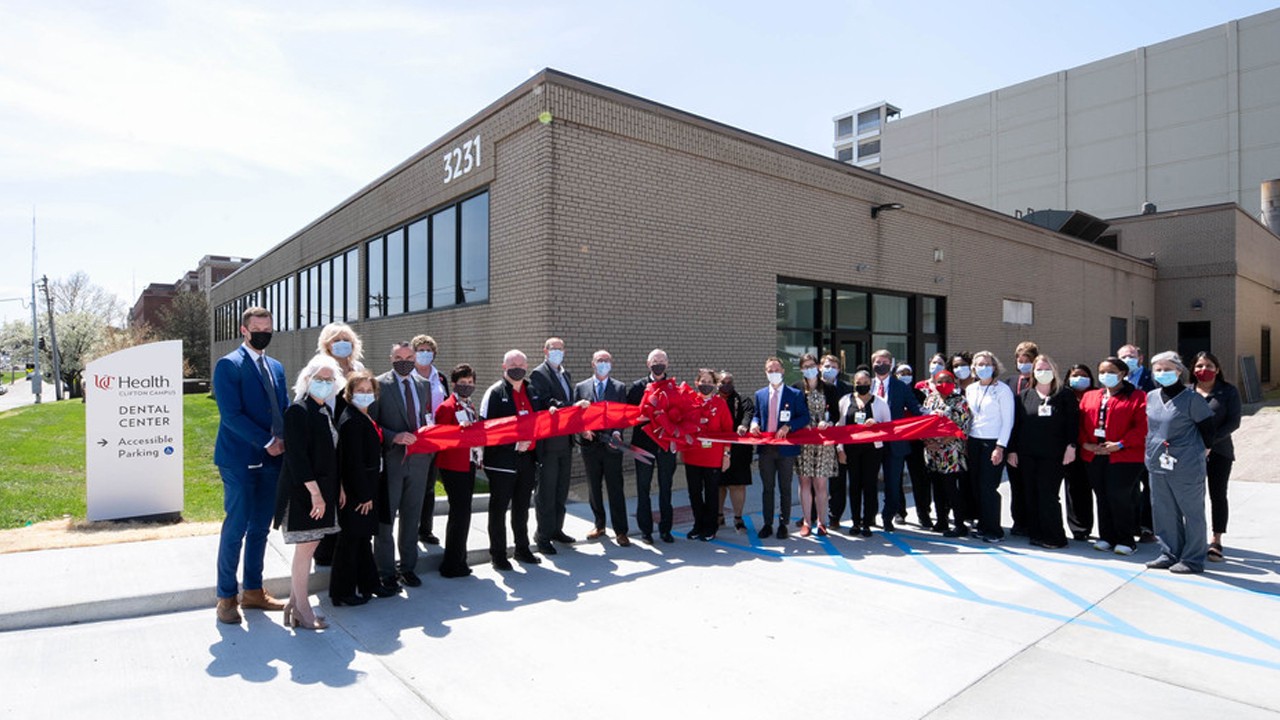
Residents train in the UC Health Dental Center, a 7,500 sq. ft. state-of-the-art facility featuring:

  • 10 operatories,
  • Digital radiography (direct and indirect),
  • CBCT imaging and digital impressioning,
  • Intraoral cameras,
  • Conference, lab, residents’ and sterilization rooms.

Our AEGD Staff

Staff Photo
x