Research & Insights

Research Suggests Military-Civilian Partnerships Improve Care Overseas—and at Home

Mar. 10, 2026

Studies by UC Health clinicians and others prove the value of military-civilian partnerships.


Key Insights

  • Research by UC Health clinicians and others proves the value of military-civilian partnerships, like the one between C-STARS Cincinnati and the U.S. Air Force.
  • The UC Health DARRIO Simulation Center prepares Air Force clinicians to treat wounded warriors overseas. The center uses lifelike manikins and virtual reality to bring the stress of the battlefield setting to Cincinnati.
  • Air Force clinicians stay ready for anything by getting real experience in our Level 1 trauma center. That means more lives saved, both here and abroad.


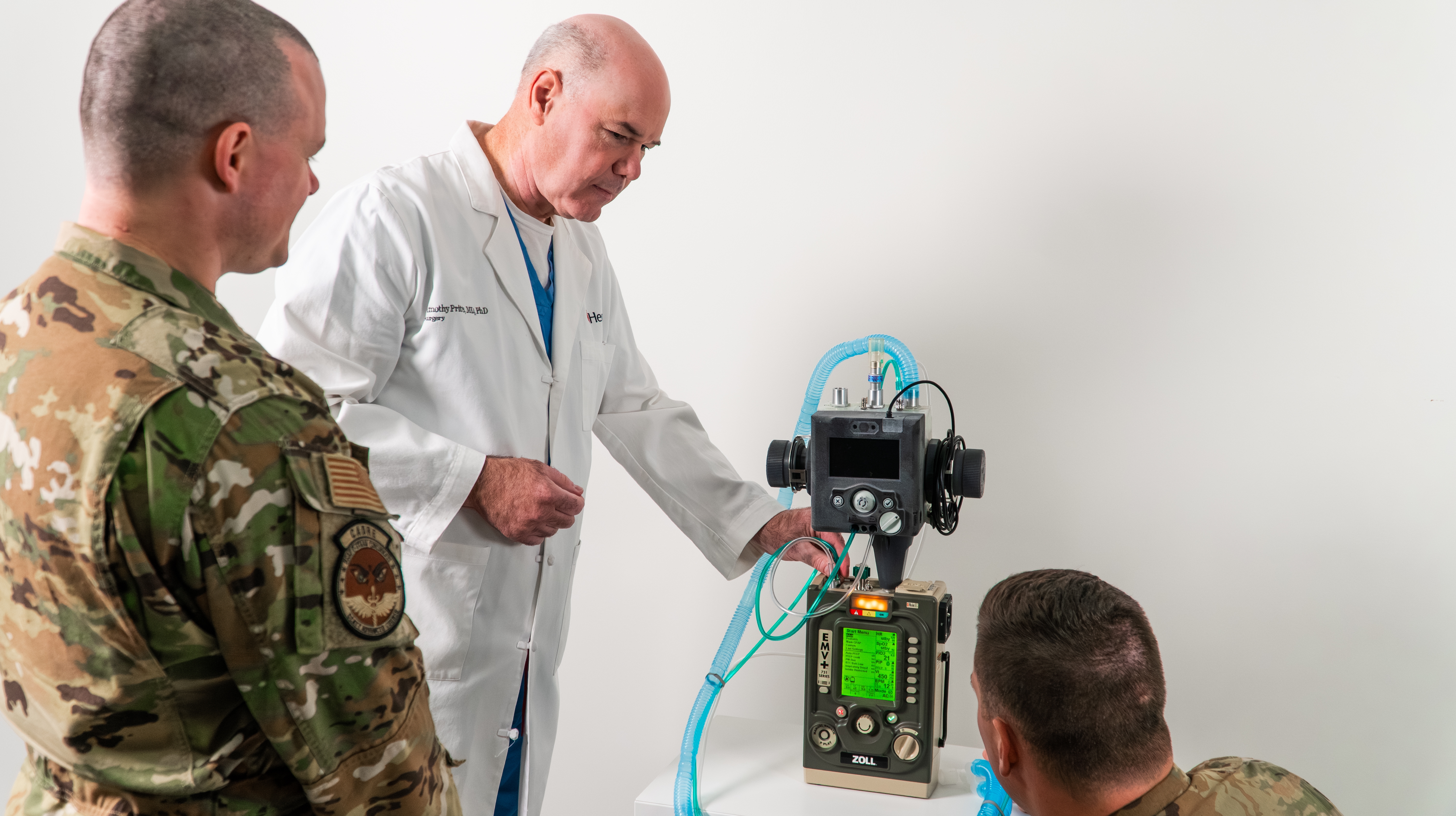
Dr. Pritts performing a demonstration on a ventilator

Research Supporting the Opening of the UC Health DARRIO Simulation Center

Great medical care depends on practice, teamwork, and learning from real experience—whether that’s saving lives in a Level 1 trauma center or a combat setting overseas.

New research supported by UC Health military medicine clinicians shows how partnerships between military doctors and civilian hospitals help improve training, measure readiness, and strengthen patient care everywhere.

This study, "Relevance of Deployment Experience and Clinical Practice Characteristics on Military Critical Care Air Transport Team Readiness: A Study of Simulation Construct Validity," co-authored by Timothy Pritts, MD, PhD, showed that realistic simulation training can show whether an Air Force clinician is ready to be deployed. The simulations happening at the UC Health DARRIO Center use lifelike manikins and virtual reality to recreate all of the stress and none of the stakes of the battlefield.

These findings help explain the importance of the UC Health DARRIO Simulation Center—a space designed to save more lives.


Why Military–Civilian Partnerships Exist

Military doctors must stay ready to treat severe injuries at any time, even when they are not deployed overseas. One way they maintain their skills is by working alongside civilian healthcare teams in busy hospitals and Level I trauma centers.

These Military–Civilian Partnerships allow military providers to care for real patients while learning from civilian experts. At the same time, civilian hospitals benefit from the experience and training military clinicians bring to the bedside. That’s the case for UC Health’s C-STARS program, which brings Air Force clinicians into our Level 1 trauma center to continue learning from our very own experts.

For patients, that means getting the military’s high standard of care from clinicians trained for the toughest scenarios.

Another study co-authored by a UC Health researcher showed how programs can do an even better job tracking their impact.
 

A Better Way to Measure Experience

This study, “The Military-Civilian Partnership Quality Improvement Program Concept: A Process to Improve Data Collection and Outcomes Assessment," looked at new ways to track the clinical work military physicians perform in civilian hospitals. Col. Valerie Sams, MD, was a co-author.

Researchers tested several methods, including:

  • Self-reported activity logs
  • Smartphone tools
  • Automated systems connected to hospital records and billing data

They found that automatic data collection worked best. Instead of relying on busy clinicians to report their own work, hospitals could safely gather information in the background through existing systems.

After improving the process, researchers saw a fourfold increase in the amount of clinical data collected each month. The improved system also worked successfully at other military partnership sites.


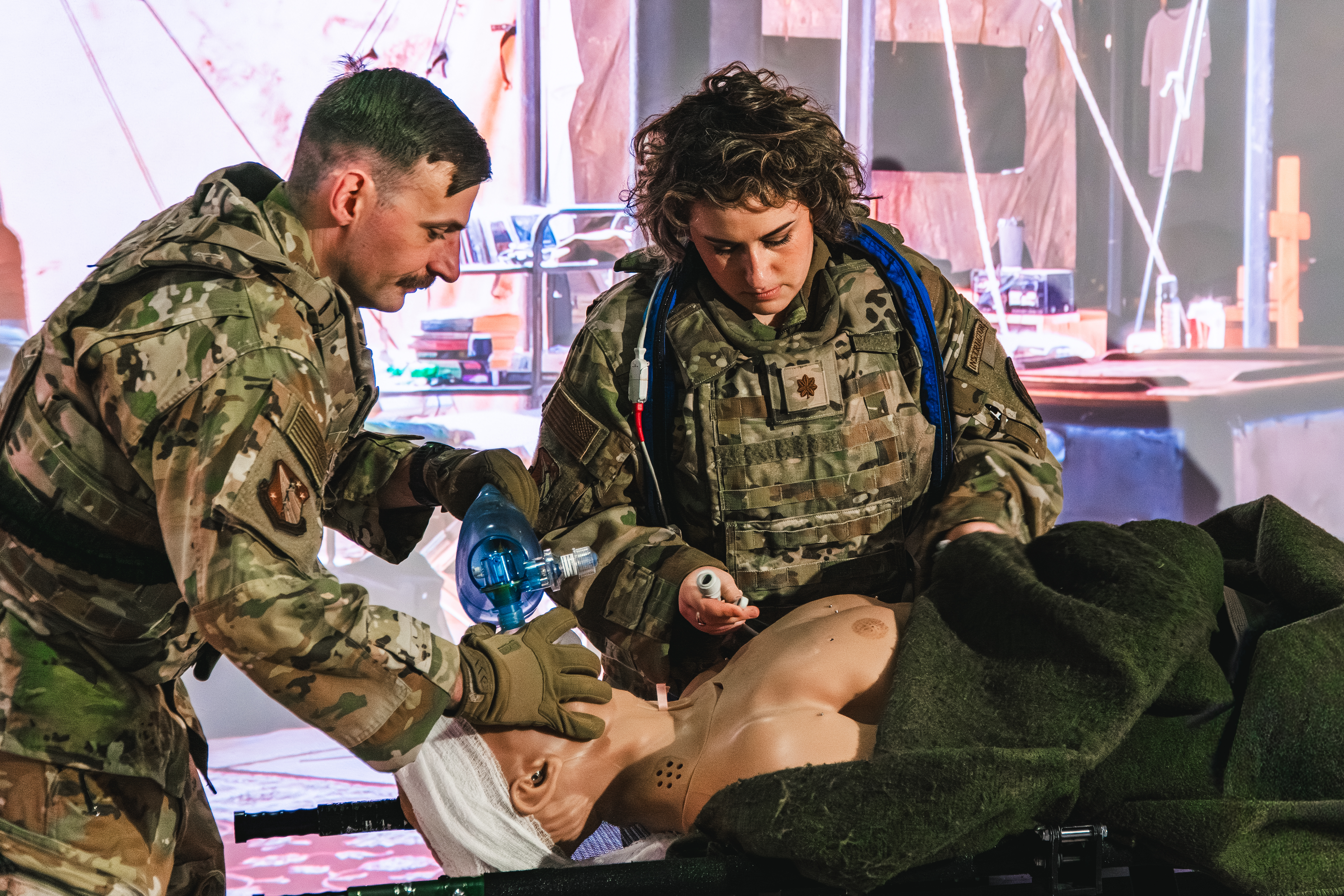
Two Air Force team members running a simulation in the ECHO Immersive Room.

How This Connects to the UC Health DARRIO Simulation Center

Real patient care builds experience. Simulation training builds confidence and teamwork.

The UC Health DARRIO Simulation Center brings these two ideas together. While military-civilian partnerships provide real clinical exposure, simulation allows teams to practice rare, high-risk situations in a safe environment.

This research shows that tracking real clinical experience helps leaders understand where training is strong and where more practice is needed. That information helps guide simulation training and improve readiness.


Benefits for Patients and Communities

Although this work supports military readiness, the impact reaches far beyond the military.

Better data and stronger partnerships help healthcare systems:

  • Improve trauma and emergency care
  • Strengthen communication between teams
  • Identify training needs sooner
  • Support quality improvement efforts
  • Improve patient safety

In the end, both military service members and local community patients benefit from better-prepared medical teams. That means more lives saved—everywhere.


Meet Our Experts

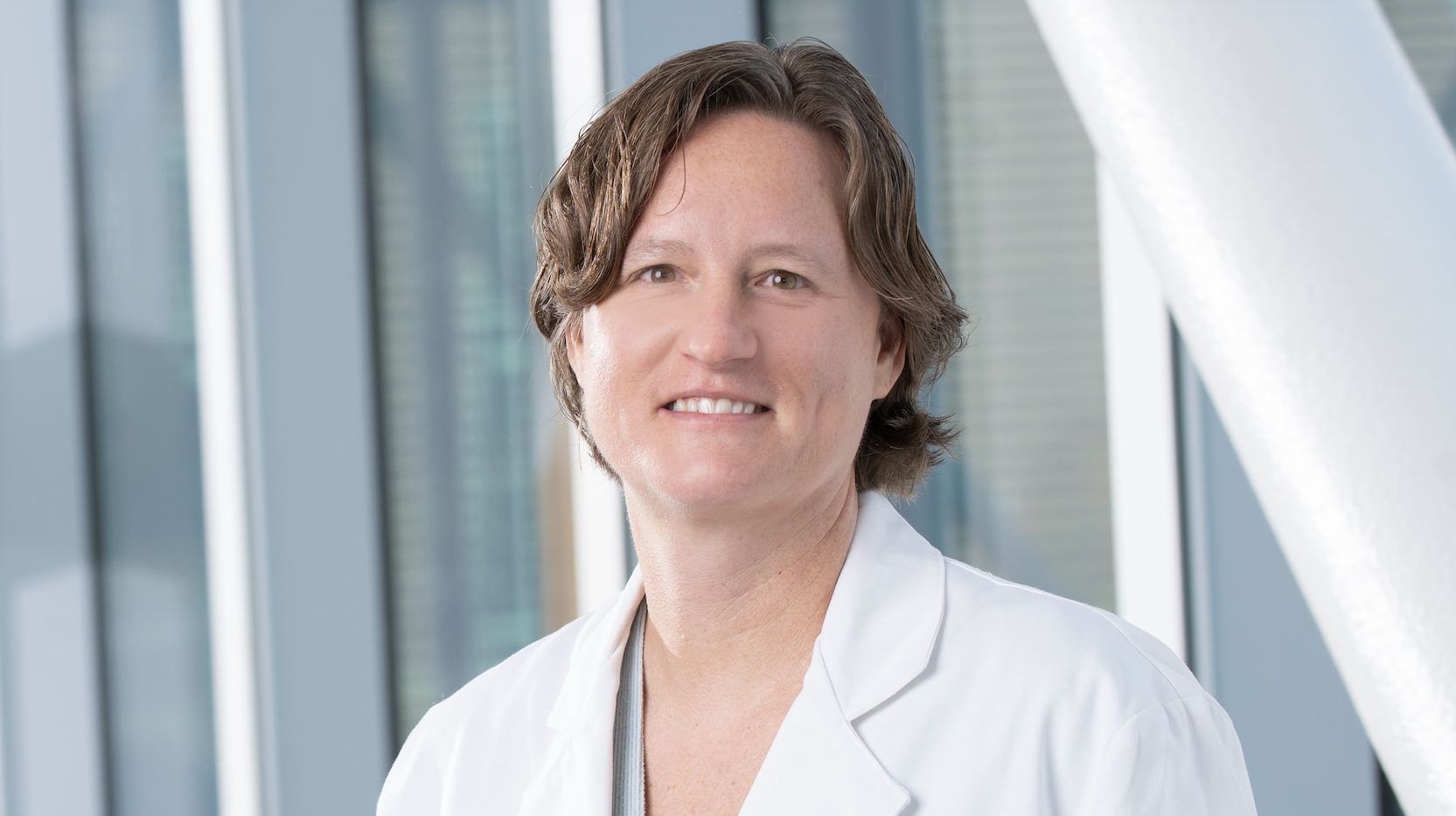
Col. Valerie Sams Headshot
Col. Valerie Sams, MD

Surgery

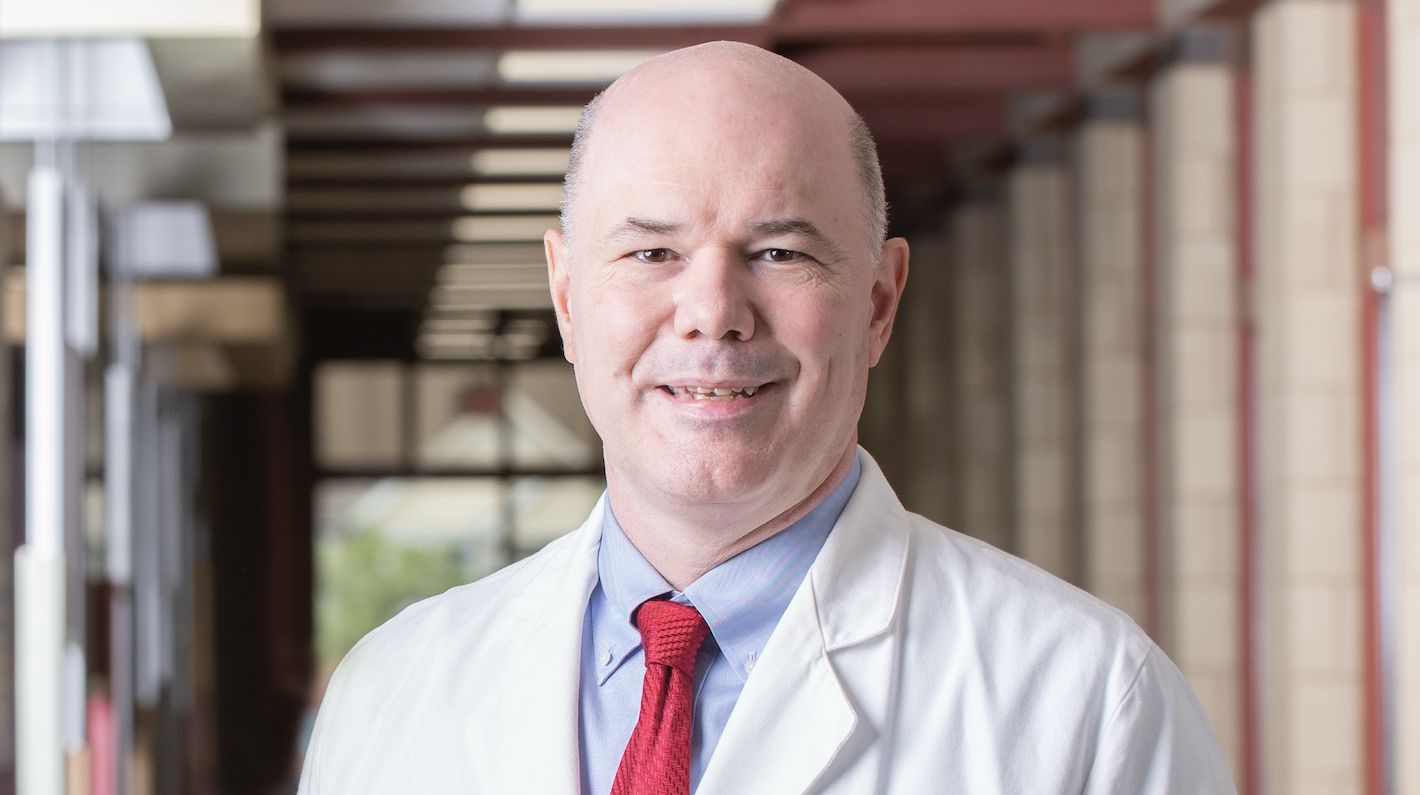
Dr. Tim Pritts Headshot
Timothy Pritts, MD, PHD

Surgery

x