Protecting Workers Where Burn Injuries Happen Most

Every year, thousands of workers are injured by burns on the job—often in environments where hazards are known, routine, and avoidable with the right precautions.

From healthcare and manufacturing to food service, construction, and utilities, burns most often occur where heat, electricity, chemicals, or hot liquids are part of daily work. Understanding the most common types of workplace burns—and how to prevent them—can help you keep yourself safe and reduce serious, life-altering injuries.


The Top 4 Workplace Burn Injuries Treated at UC Health—and How to Prevent Them

Based on cases treated at UC Health hospitals, scald, flame, electrical and chemical burns are the workplace burn injuries our care team sees most often. Learn common causes and expert recommendations you can take to reduce their risk.


1. Scald Burns

Scalds are caused by hot liquids, steam, grease, or oil and frequently occur in healthcare, food service, manufacturing, and custodial settings.

Common causes:

  • Hot water or steam exposure
  • Spilled liquids or splashed grease
  • Pressurized equipment releasing steam.

Prevention tips:

  • Use protective gloves, sleeves, and aprons when handling hot liquids
  • Clearly label hot surfaces, containers, and pipes
  • Open lids and valves slowly—away from the body
  • Maintain equipment to prevent leaks and pressure failures. Check equipment for leaks or pressure issues before use.
  • Clean spills immediately to prevent secondary injuries.


2. Flame Burns

Flame burns occur when clothing or skin catches fire, commonly in construction, welding, industrial work, and laboratories.

Common causes:

  • Open flames, torches, or welding equipment
  • Flammable materials or vapors
  • Improper storage of combustible substances.

Prevention tips:

  • Wear flame-resistant (FR) clothing when the job requires it
  • Keep flammable materials away from open flames, sparks, and heat sources
  • Follow hot-work permits and safety protocols
  • Know where fire extinguishers are located and how to use them
  • Participate in fire safety training and drills.


3. Electrical Burns

Electrical burns may appear minor on the surface but can cause severe internal damage, heart rhythm disturbances, and nerve injury.

Common causes:

  • Contact with live wires or exposed electrical components
  • Faulty equipment or improper grounding
  • Working near overhead or underground power lines.

Prevention tips:

  • Lockout/tagout electrical equipment before servicing
  • Inspect cords, tools, and outlets regularly
  • Use proper insulation and personal protective equipment (PPE)
  • Maintain safe distances from power lines
  • Only work on electrical systems if you’re properly trained and authorized to do so.


4. Chemical Burns

Chemical burns occur when corrosive substances damage skin, eyes, or internal tissues. They are common in labs, manufacturing, cleaning services, and healthcare settings.

Common causes:

  • Acids, alkalis, or industrial cleaning agents
  • Improper storage or labeling
  • Inadequate PPE or emergency preparedness.

Prevention tips:

  • Store chemicals correctly and label them clearly
  • Always wear appropriate PPE (gloves, goggles, face shields)
  • Know the location of eyewash stations and safety showers
  • Review Safety Data Sheets (SDS) before using any chemical.
  • Never mix chemicals unless the product labeling or manufacturer instructions specifically say it is safe to do so.


What to Do If a Burn Happens at Work

  • Stop the burning process immediately (remove heat source, electricity, or chemical exposure if safe to do so)
  • Cool the burn with cool (not ice-cold) running water for 20 minutes if appropriate
  • Do not apply ointments or home remedies
  • Cover the burn with a clean, dry dressing
  • Seek medical care right away for any moderate to severe burn

Early treatment can significantly reduce complications, scarring, and recovery time.


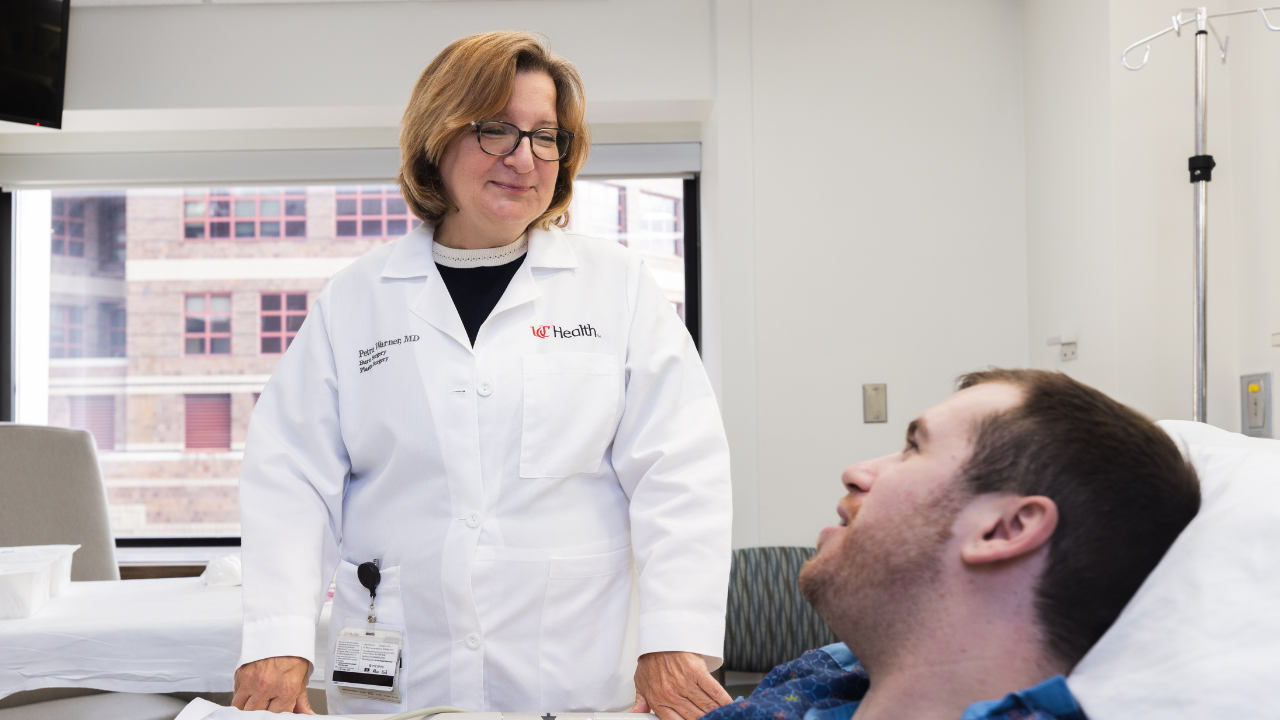
“In the unfortunate event of a workplace burn, don’t try to manage it on your own. Seek medical attention promptly through your local emergency department. In Cincinnati, our UC Health emergency teams are equipped to evaluate burn injuries early and guide you through proper wound care to support the best possible recovery.” Petra Warner, MD


UC Health's Commitment to Comprehensive Burn Care

While burn prevention is critical, burns can and do still occur. When they do, access to expert care makes all the difference. UC Health is proud to be home to the region’s only ABA-Verified Burn Center, delivering the highest level of care for thermal, chemical, and electrical burns—from emergency treatment through long-term recovery.

What Sets UC Health’s Burn Center Apart:

  • ABA-Verified Burn Center
    Verified by the American Burn Association, our burn center meets the highest national standards for burn care, ensuring patients receive specialized treatment in a facility designed specifically for burn recovery.
  • Multidisciplinary Expertise
    Burn care requires a coordinated team approach. Our specialists—including burn surgeons, nurses, wound care experts, and rehabilitation therapists—work seamlessly together to support each patient through every phase of healing.
  • Leadership in Innovation
    UC Health is a regional leader in advanced burn treatments, including RECELL®, a cutting-edge technology that promotes skin regeneration, accelerates healing, and may reduce scarring—helping patients recover faster and more fully.
  • Patient-Centered Care
    Every treatment plan is tailored to the individual. We focus not only on physical healing, but also on emotional well-being, guiding patients and families through recovery with compassion and support.

Integrated with the Region’s Only Level I Trauma Center

As part of UC Health’s academic health system, our Burn Center is fully integrated with the region’s only Level I Trauma Center. This means patients with severe burn injuries receive immediate access to advanced trauma care alongside expert burn treatment—all in one location.

The Bottom Line: Prevention and Expert Care Go Hand-in-Hand

Preventing burns is always the first priority. But when injuries happen, having the right care close to home matters. UC Health offers the most comprehensive burn care in the region—backed by innovation, multidisciplinary expertise, and a deep commitment to patient-centered care.

As we observe Burn Awareness Week, take time to identify potential burn hazards in your home or workplace and put simple safety measures in place. And if a burn injury does occur, trust UC Health’s Burn Center to provide expert, compassionate care every step of the way.

 

How to Reach UC Health's Burn Center

If you or someone you know has experienced a burn injury, call 513-584-BURN (2876) for immediate assistance. This dedicated line connects you directly with UC Health’s Burn Center team, who can help determine next steps, provide urgent guidance, and coordinate care or transport when needed.

Whether you’re seeking immediate medical advice or support navigating burn care, 513-584-BURN (2876) is your first step toward expert treatment and recovery. Your health and safety are our top priority. To learn more about UC Health’s Burn Center, our services, or the 513-584-BURN hotline, visit UCHealth.com or reach out to our team for additional information.

Medical contributions by:

Burn Center , Surgery
Practices: Burn Care , Plastic and Reconstructive Surgery
x