From Vision to Impact: Decades of Collaboration
What began as a single trip has grown into a legacy of trust, innovation, and measurable impact.
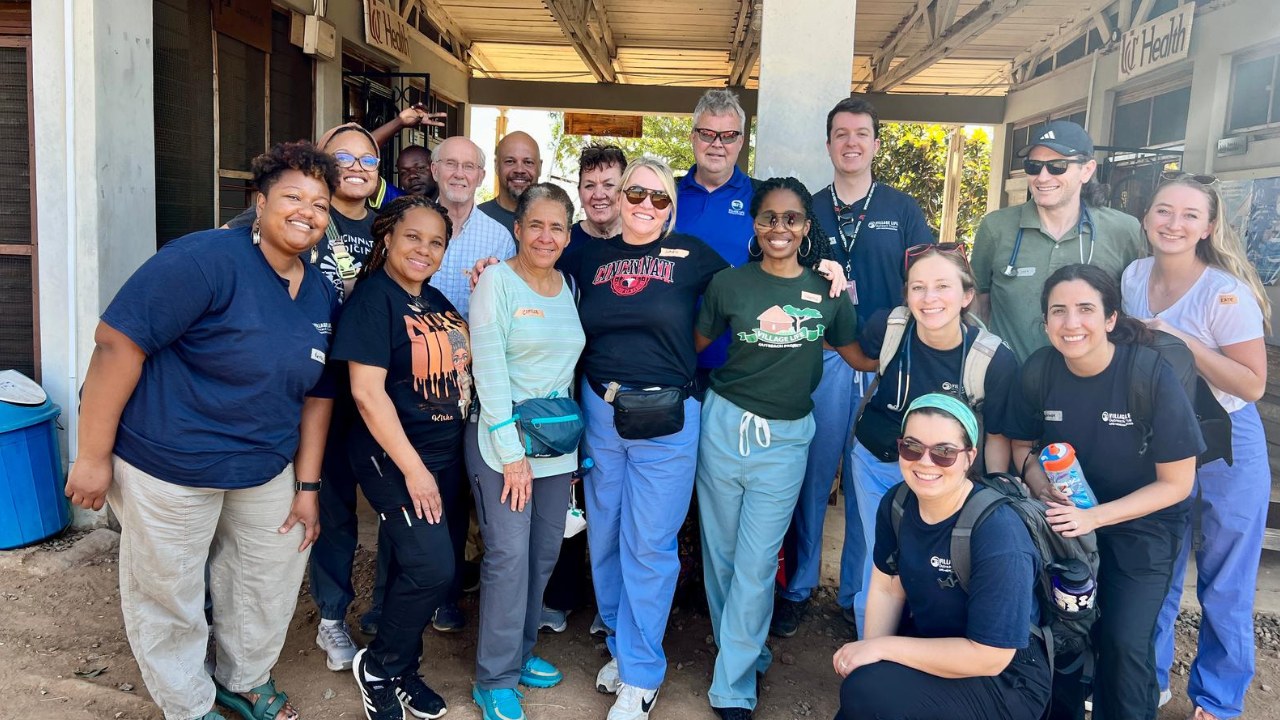
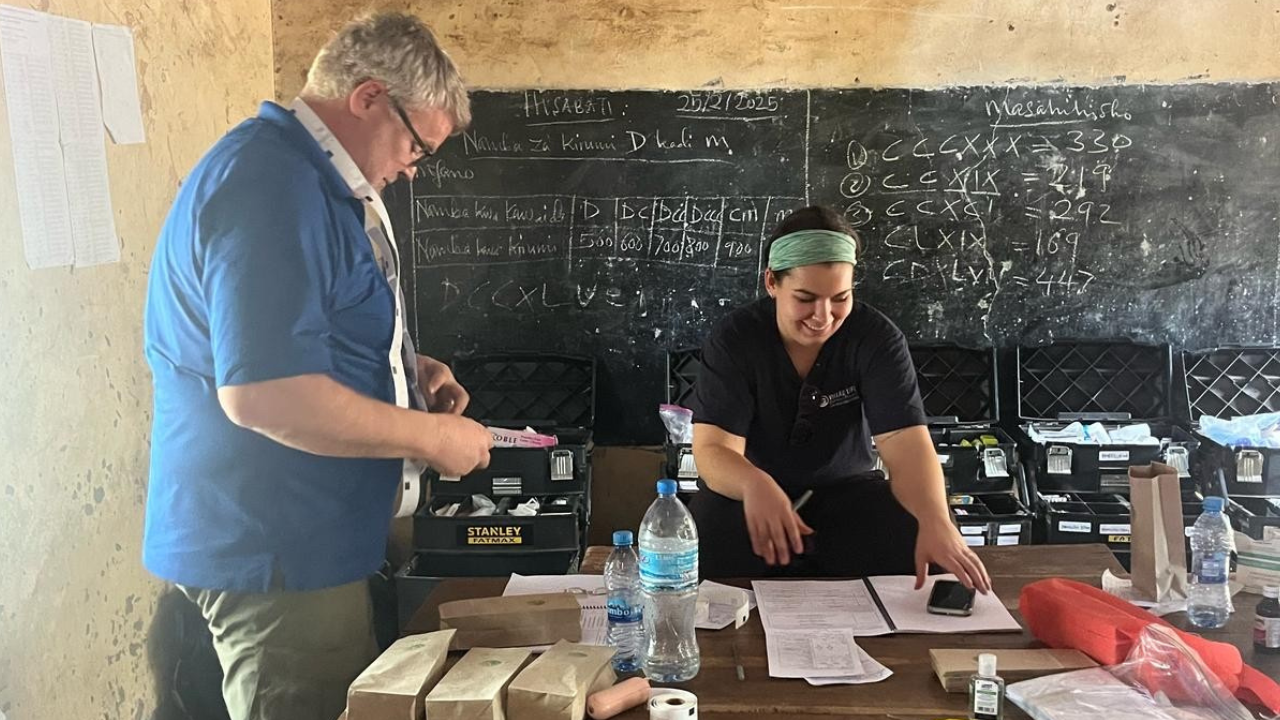
Since 2003, nearly 1,000 volunteers from UC Health and the University of Cincinnati have traveled to Tanzania through Village Life. These teams have helped deliver essential services in primary care, nutrition, pediatrics, pregnancy and delivery, orthopedic care, and tropical disease research. But their influence goes far beyond clinical work.
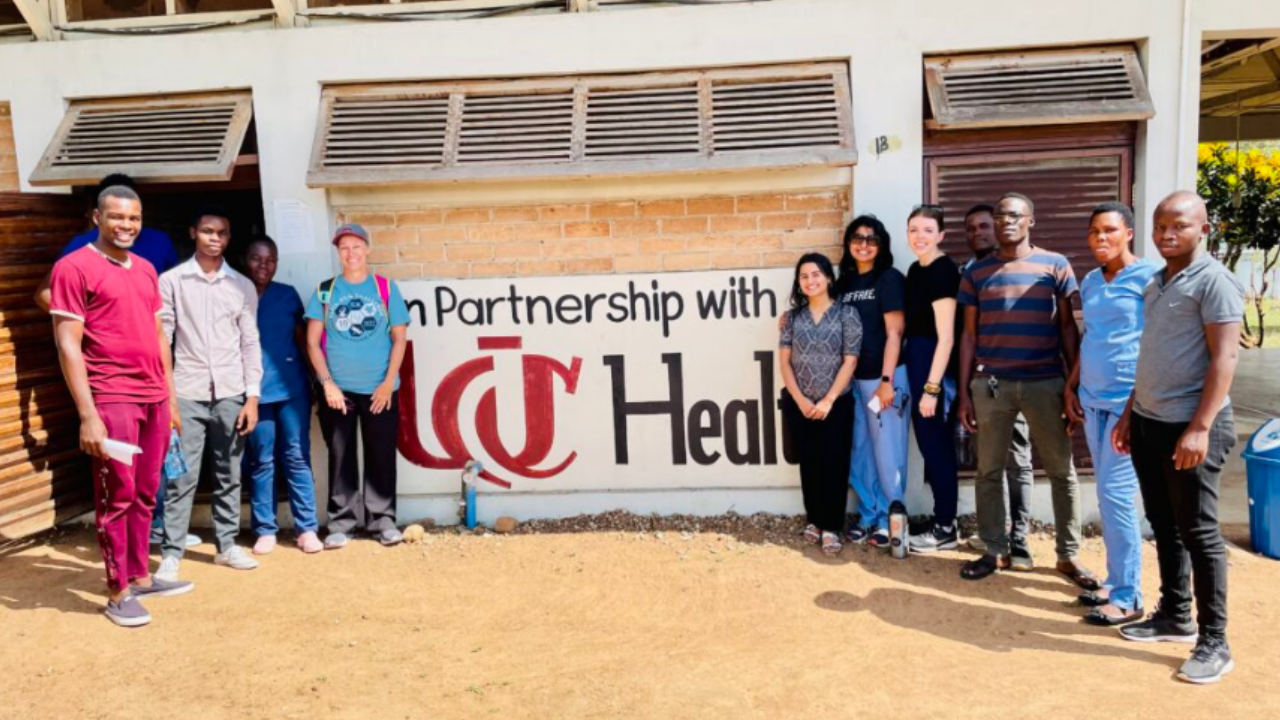
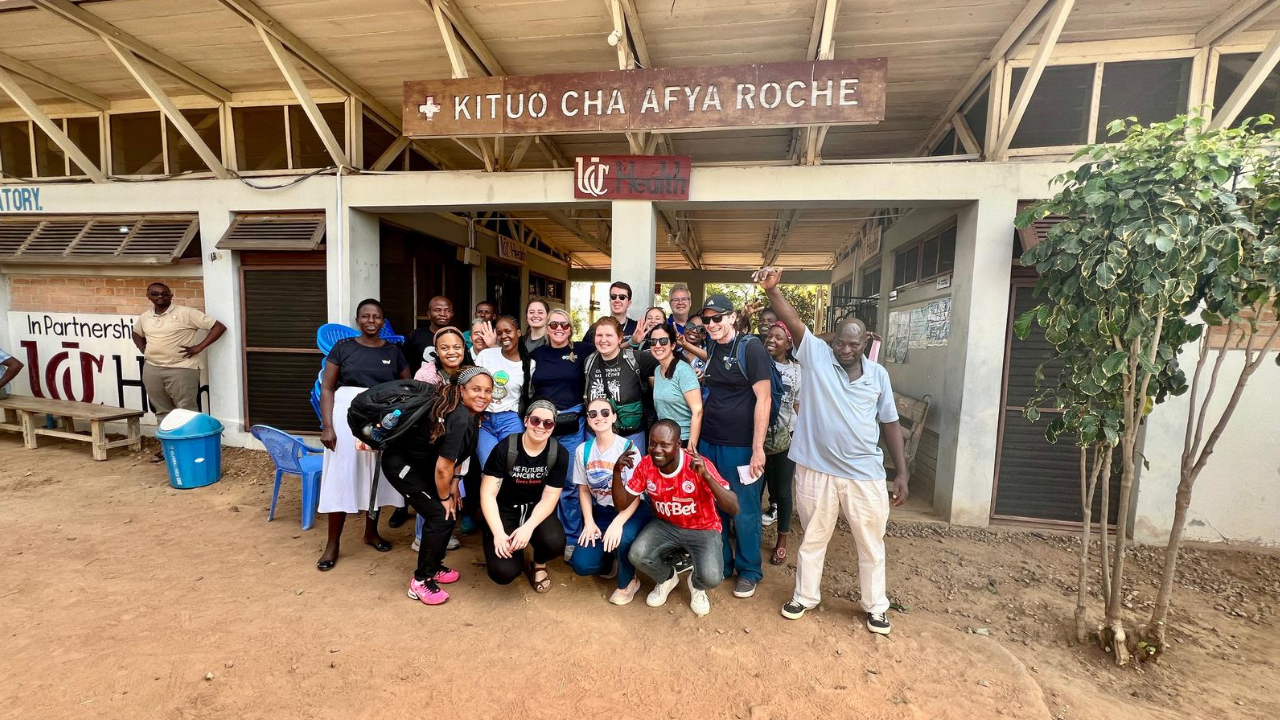
In 2011, that partnership reached a milestone: the opening of the Roche Health Center, the first permanent health facility serving more than 20,000 rural Tanzanians. It wasn’t just a building—it was a breakthrough. For the first time, patients had consistent access to care. And local healthcare workers had a place to train, grow, and lead.
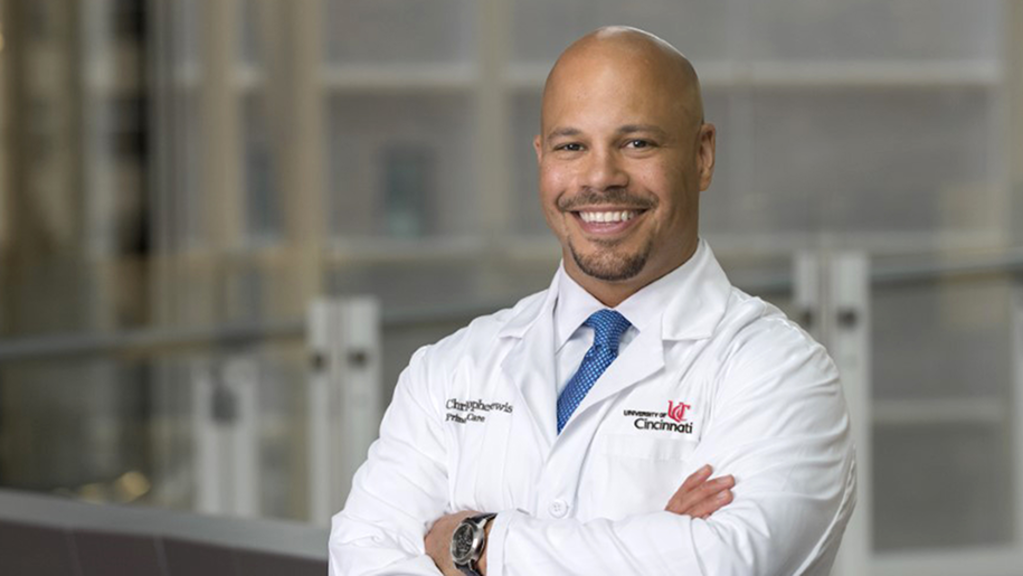
“Everything is driven by the needs voiced from the community,” Dr. Lewis said. “We don’t come in as outsiders and tell people what we think they need. We depend on them to tell us what the problems in the community are and what their views on how to solve them are. And then we partner together.”
This approach has helped redefine what global health can look like: not a one-way street, but a shared road to equity, education and empowerment.
Who’s Involved: A UC Health-Wide Effort
Global health at UC Health isn’t a side project, it’s a shared endeavor. Over the years, Village Life has welcomed volunteers from every corner of our academic medical system: physicians, nurses, pharmacists, medical and nursing students, public health experts, engineers, business leaders, educators, and more.
Each year, UC-affiliated teams spend up to four months on the ground in Tanzania, working side by side with community partners to provide care, conduct research, and train the next generation of healthcare professionals—both American and Tanzanian.
The results aren’t just felt in East Africa. They ripple back to our Cincinnati community, where students and providers return with renewed purpose and a global perspective.
“That is something so powerful to behold,” Dr. Lewis said. “When you come back and you see that nursing student doing their job with a little more cultural competency, a little more understanding of the way the rest of the world works because of their time in Tanzania.”
This work builds not just healthier communities—but a more connected and compassionate healthcare system, here and abroad.