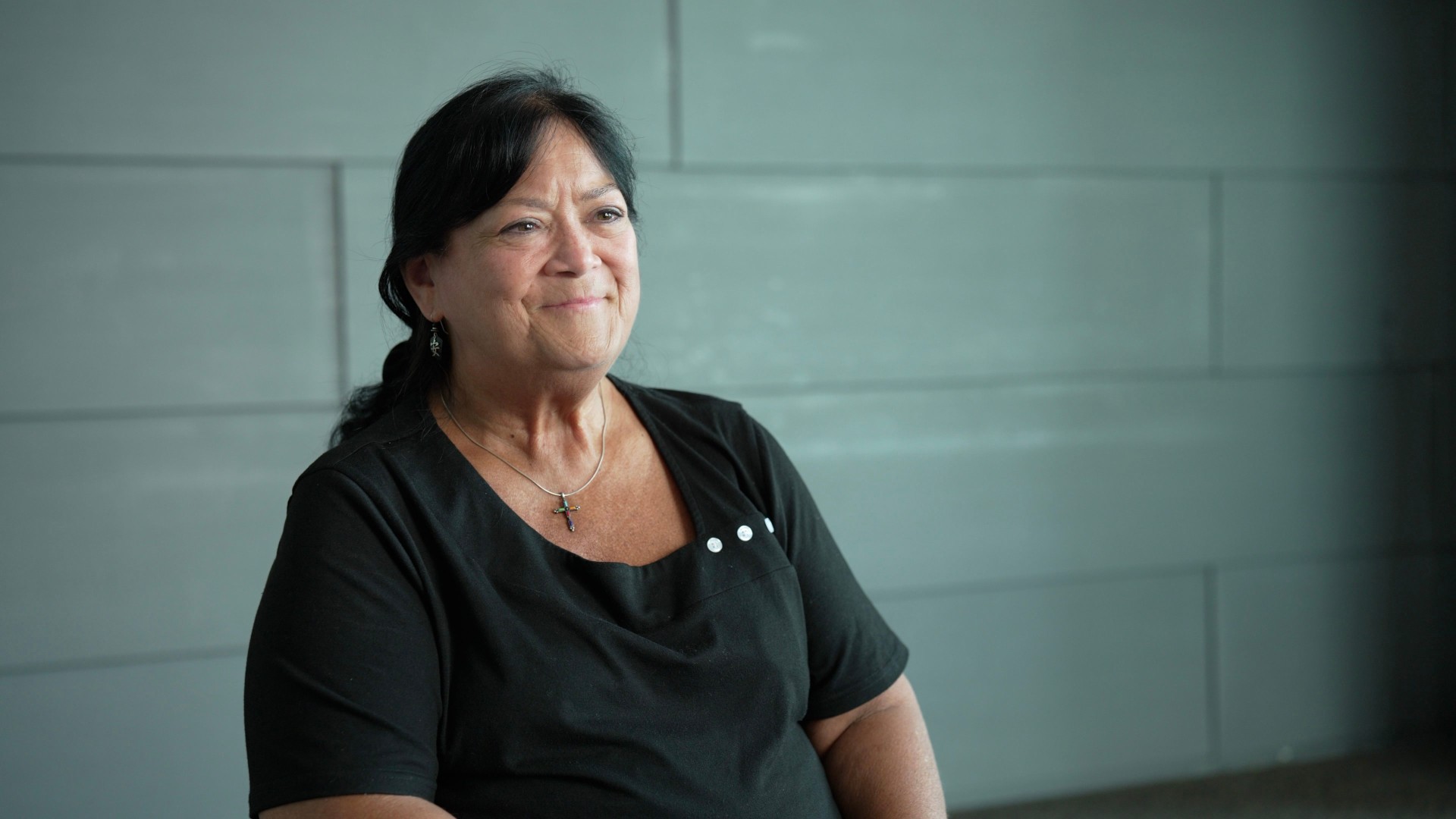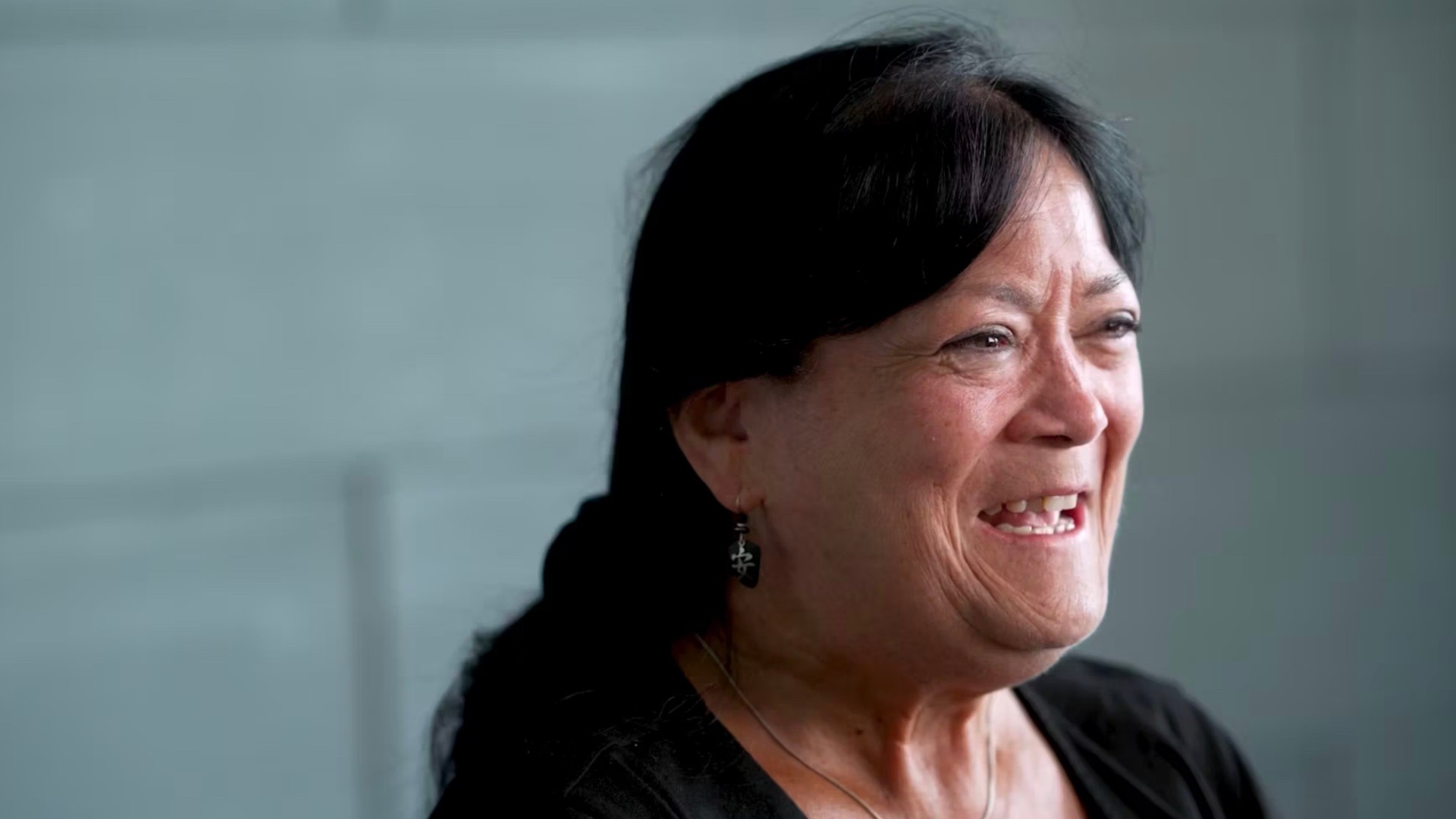
Gina’s journey began subtly. A little more tired than usual. Out of breath on the stairs. Swelling in her legs that didn’t seem to go away. At first, she thought she was just working too hard.
“I was just worn out. I didn’t think it was anything serious,” Gina said.
But over time, these symptoms became impossible to ignore. Even short walks left her breathless. She sought care at a local hospital, where she was admitted to cardiology and treated for what doctors suspected was a heart issue. Diuretics helped reduce her swelling, but her fatigue and shortness of breath persisted.
Then came the right heart catheterization — and the real diagnosis: Pulmonary Hypertension (PH), a rare, progressive disease that affects blood flow in the lungs and strains the heart.
“I had never been sick in my life. Never been in a hospital. And suddenly, they were saying I had this serious disease. My brain kind of just stopped.”
A Turning Point: Finding Hope at UC Health
The local hospital didn’t have a pulmonary hypertension specialist. But Gina was able to quickly connect with the UC Health Pulmonary Hypertension Program at the University of Cincinnati Medical Center Hospital. By the time she arrived, she was very ill — in a wheelchair, struggling to breathe.
From the first moment, she knew things were different.
“Everyone [at UC Health] had a role. They moved so quickly and efficiently, I didn’t even have time to panic. I just woke up with an IV in a different bed. It was like they’d planned the whole thing to make sure I didn’t feel scared.”
Her doctors were transparent, clear, and focused. She was hospitalized immediately and began IV infusion therapy, the first step in managing her PH.
“I thought, ‘There’s no way I can learn how to do this at home.’ But after a few tries, I had it down. They gave me a binder —like an infusion pump for dummies— and sent a nurse to help until I felt confident.”
Today, Gina manages her infusions independently. She changes her medication every three days, keeps the port in for more than weeks at a time, and says it’s just part of her new normal.
Another Diagnosis, Another Challenge: Scleroderma
About a year after her PH diagnosis, Gina received more difficult news: she had Scleroderma, a chronic autoimmune disease that affects connective tissue and skin.
The signs — tightness in her hands, red and white patches on her skin — had come on gradually. Bloodwork had hinted at an autoimmune disorder, but it took time to reach a full diagnosis.
“It was like I was getting hit again, but by then, I had the team at UC, and that made all the difference.”