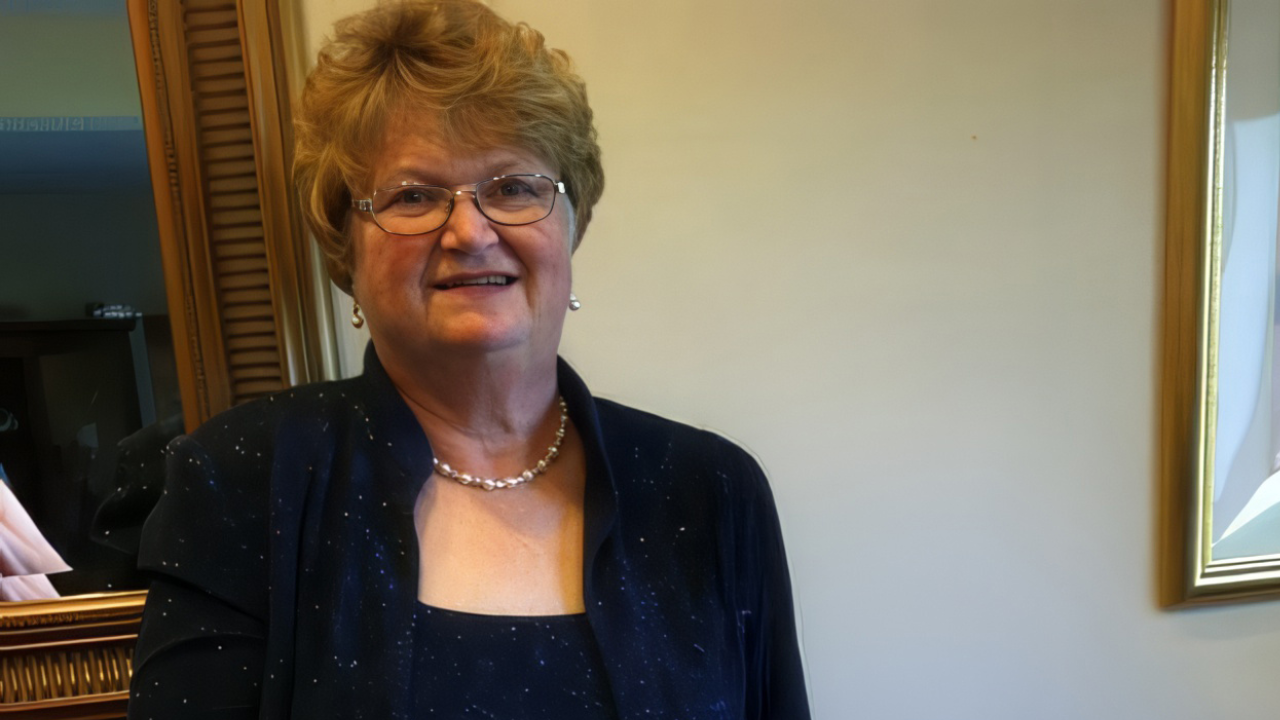
A Middletown resident, wife, mother of two UC Health nurses, and proud grandmother, Judy had spent more than a decade navigating heart rhythm issues. What began as supraventricular tachycardia (SVT) eventually progressed into atrial fibrillation (AFib), leading to multiple ablations and long-term blood thinner use.
At the same time, Judy was facing another devastating diagnosis: interstitial cystitis, a rare and painful autoimmune bladder disease.
“I would give urine samples that looked like grape juice,” Judy said. “The bleeding was constant, and the pain was unbearable. I couldn’t sit, I couldn’t stand. There was no position where I wasn’t in pain.”
Two Conditions. One Impossible Conflict.
Blood thinners were critical in reducing Judy’s stroke risk from AFib, but they were also worsening her bladder disease. She endured twice-weekly bladder instillations for more than two and a half years, treatments that required draining her bladder and filling it with medication just to make daily life tolerable.
“I lived at the urologist’s office,” she said. “They became my friends.”
Stopping the blood thinner could help her bladder. Staying on it was essential for her heart.
“It felt like I was stuck between two impossible choices,” Judy said.
A Collaborative Solution
What changed everything was communication.
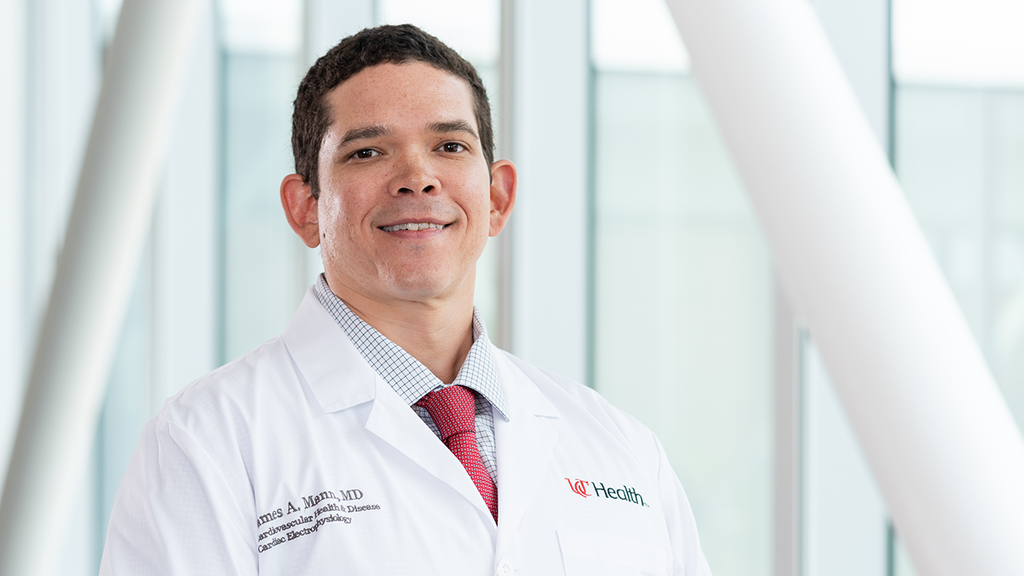
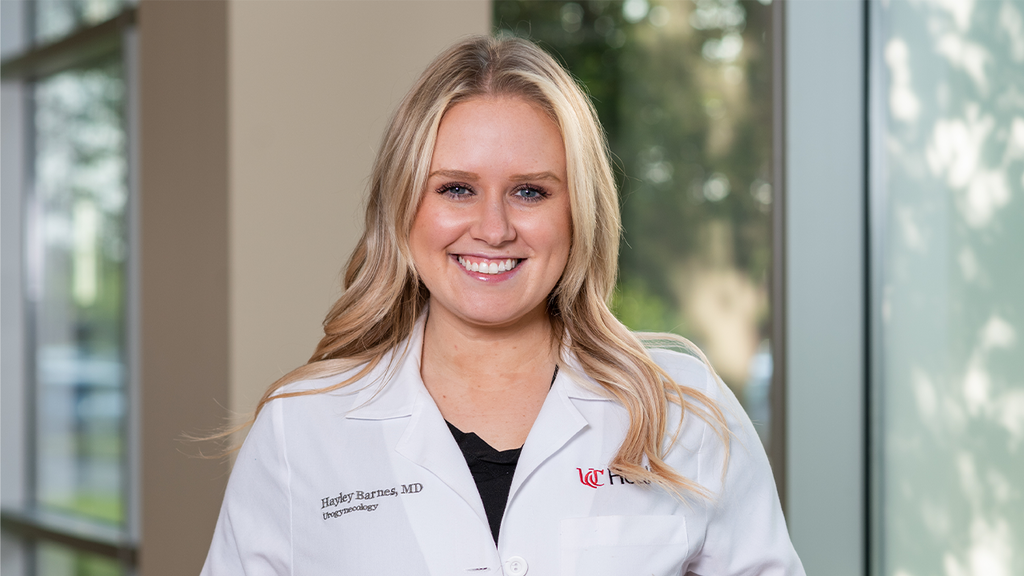
Without Judy or her husband even realizing it, UC Health cardiac electrophysiologist James Mann, MD and UC Health urogynecologist Hayley Barnes, MD began working together, reviewing her case, weighing the risks, and searching for a solution that addressed both conditions.
“They put their heads together,” Judy said. “That’s when they came back and said, ‘She needs a WATCHMAN.’”
The WATCHMAN™ device, a small implant placed in the heart’s left atrial appendage, reduces stroke risk for patients with AFib, often allowing them to safely discontinue long-term blood thinners.
“I trusted them,” Judy said. “They told me it would take about 90 days, and then I could come off the blood thinner. I said, ‘Okay. Let’s do it.’”
From Contact Pain to Real Relief
Once Judy completed the WATCHMAN implantation and safely stopped blood thinners, the impact was immediate.
“When Dr. Barnes looked inside my bladder after I was off the blood thinner, she said it looked like a completely different bladder,” Judy recalled. “If she hadn’t known it was mine, she wouldn’t have believed it.”
Gone were the widespread blood clots. Gone was the constant bleeding. And, for the first time in years, gone was the chronic pain.
“Once Judy was able to stop anticoagulation, the change was dramatic. Her bladder showed remarkable healing, and the bleeding that had driven her symptoms for years resolved,” Dr. Barnes shares.
Within months, Judy canceled urology appointment after urology appointment until there were none left to cancel.
“I just never needed to go back,” she said. “It was over.”
Judy now refers to her bladder disease as being in remission — something she was once told might never be possible.
Continued Cardiac Care and More Freedom
While the WATCHMAN addressed her stroke risk and allowed her to stop blood thinners, Judy’s AFib journey continued. As her heart rhythm fluctuated, sometimes racing, sometimes dropping dangerously low, Dr. Mann recommended a pacemaker to stabilize her heart rate.
Since receiving the pacemaker in the fall of 2025, Judy has experienced almost no AFib episodes and remains on a very low dose of medication.
“The WATCHMAN allowed us to remove a major barrier to Judy’s overall health. From there, we could tailor her rhythm management safely and effectively,” explains Dr. Mann.