Patient Stories

“What Didn’t Kill Me Made Me Stronger”: Steven’s Journey Through Cardiac Arrest and Recovery

Oct. 23, 2025

When Steven had a “widowmaker” heart attack, UC Health’s Heart & Vascular Care team brought him through. Committing to his health and cardiac rehabilitation, he feels stronger than ever.  


On January 26, 2024, Steven Davis’s life changed in an instant.

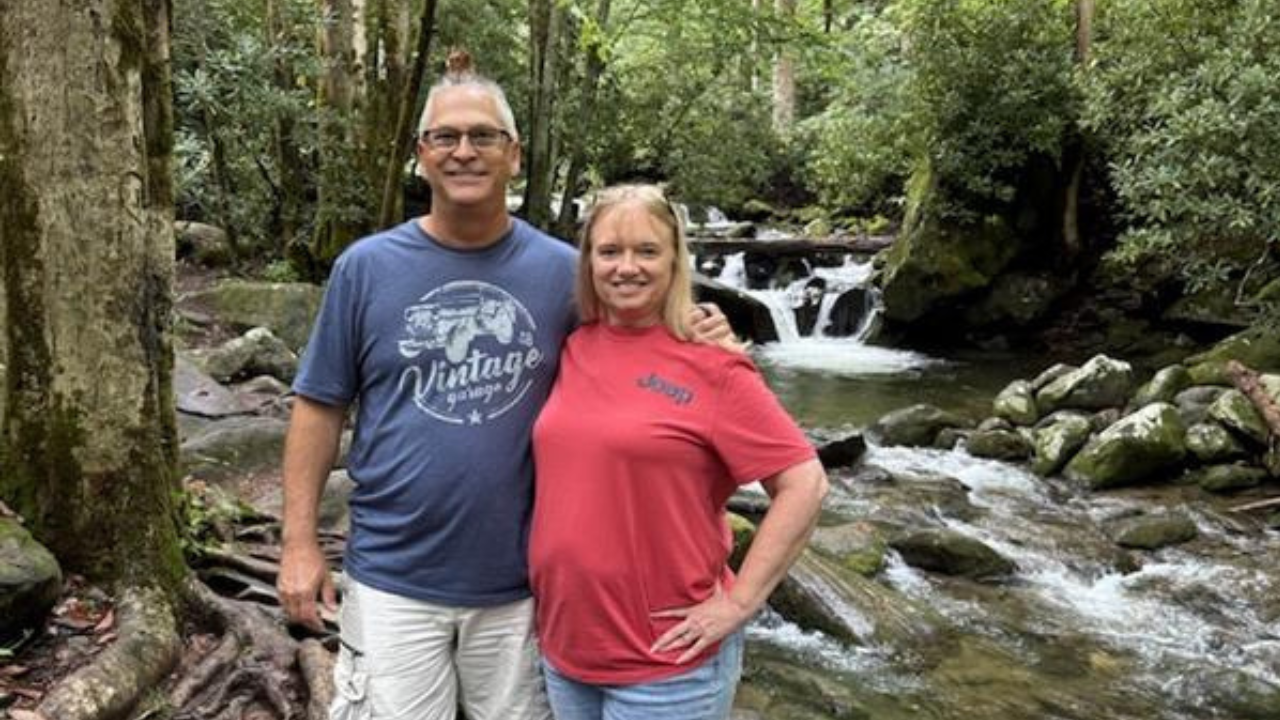
The 61-year-old Liberty Township retiree describes himself as an outdoorsman who loves camping with his wife, staying active, and spending time with his son and daughter-in-law, who will be making Steven a grandpa in the coming month. But in the early hours of that January morning in 2024, Steven woke up with a sharp pain in his upper back and down his left arm. He knew right away: this was serious.

“I woke my wife up and told her, ‘We have to go to the hospital right now. I think I’m having a heart attack,” Steven recalled.

After arriving at UC Health West Chester Hospital 15 minutes later, he collapsed inside the Emergency Department while checking in.

“I died,” Steven said bluntly. “They hit me 18 times with the paddles before my heart finally came back.”

Beating the Odds

Steven had what doctors call a “Widowmaker” heart attack — a massive blockage in the left anterior descending artery – leading to sudden cardiac arrest, which often happens with this type of heart attack. Survival rates are low, but thanks to quick action from UC Health’s team, including Chief of Cardiology, Dr. Charles Hattemer, Steven made it through.

After using a defibrillator, or AED, to correct the life-threatening heart rhythm that occurs during sudden cardiac arrest, doctors placed three stents to open his blocked artery and kept his heart pumping long enough to stabilize him. He was later flown to UC Medical Center in Clifton for further treatment.

“When I woke up, they told me what had happened, and I couldn’t believe it,” Steven said. “When Dr. Hattemer came to see me, he told me I was lucky to be alive. He said I was in great health overall, despite the heart attack, and if I worked hard and did what the care team told me, I could recover and live a normal life. That was all I needed to hear. I took it to heart.”

For Steven, that message became fuel. “I decided right then that I was going to recover — or I was going to die trying,” he said.

“Steven’s case is a testament to what can happen when advanced medical care meets a patient’s determination to heal. In what are becoming daily miracles in modern medicine, he survived a major heart attack. Then he worked hard to get his health back in cardiac rehab, which in and of itself taps into the miracle of the human body and its ability to heal. His story shows that recovery is possible, even after the most serious cardiac events,” said Dr. Hattemer.

A Setback, Then a Breakthrough

Recovery wasn’t easy. In the weeks following his cardiac arrest, Steven wore a life vest defibrillator 24/7, endured anxiety attacks that sent him back to the hospital and faced the frightening discovery of a large blood clot in his heart.

“I was angry. I felt betrayed by my own body,” he admitted. “But with medication, therapy, and support, I started to turn the corner. April was the turning point for me.”

That’s when Steven’s care team cleared him for cardiac rehabilitation — and his life began to change.

Where Recovery Became a Passion

From day one, Steven gave it his all in cardiac rehab at UC Health.

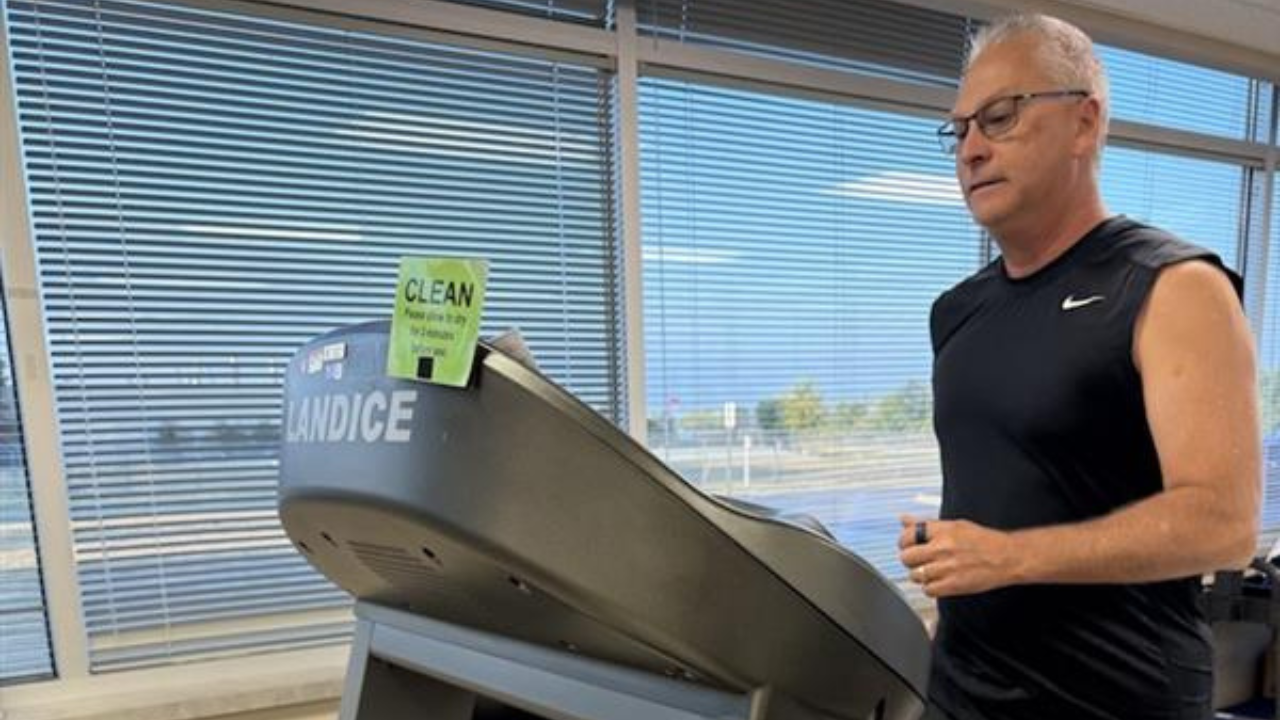
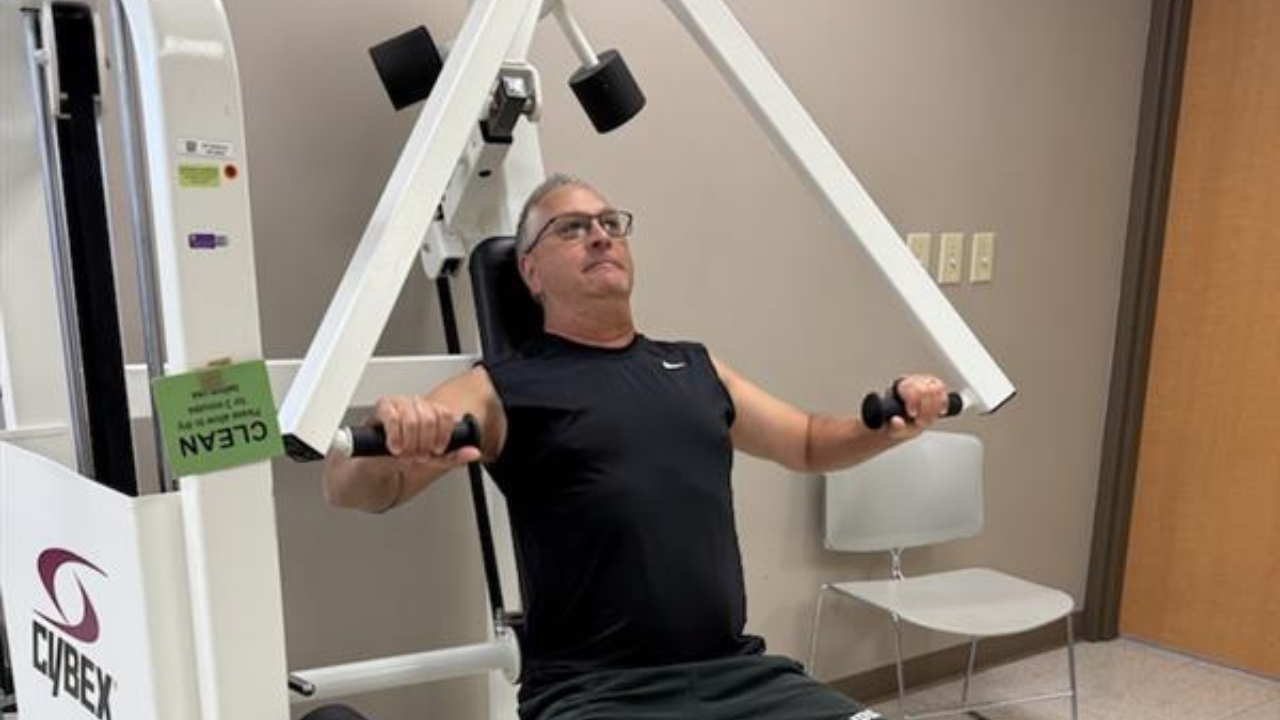
“As someone who’s always been active, it felt so good just to move again,” he said. “The treadmill, the weights, the resistance training — I loved it. I joked with the team that ‘what doesn’t kill me makes me stronger,’ and I meant it. I pushed hard.”

The UC Health cardiac rehab team kept a close eye on him, often telling him to slow down when his heart rate went above the target range. “They were always looking out for me,” Steven said. “But I kept pushing because it felt so good to be moving forward.”

What started as a medical necessity quickly became a passion. Steven’s goal was to jog one mile on the treadmill by the end of his program. By June, he had accomplished it.

“I was jogging, lifting more weight than I had in 25 years, and walking up to nine miles on weekends,” he said. “I was stronger than before my heart attack.”

“From the start, Steven was motivated to get better and eager to learn about his condition. We talked about how ‘heart failure’ doesn’t mean the heart stops, the benefits of exercise for both body and mind, and how lifestyle changes can prevent future events. Since graduating Phase 2, he’s inspired other patients just by sharing his journey and pushing himself in every session. Watching him grow stronger, more confident, and in control of his health has been incredible,” said Malloree Rice, UC Health Exercise Physiologist.

Today, Steven still attends cardiac rehab five days a week through UC Health’s Phase 3 Maintenance Exercise program. He credits the staff with not only guiding his physical recovery but also supporting him emotionally.

“I can’t say enough how much I love those people,” he said, naming several team members. “They motivated me, they cared for me, and they gave me confidence. They’ve become friends.”
 

From Surviving to Thriving

Looking back, Steven believes rehab was essential to his recovery.

“I think I would have recovered some on my own,” he said. “But the cardiac rehab team gave me structure, motivation, and most importantly, peace of mind. I know if something ever happens while I’m working out, they’re right there to save me. That’s not something you get at a regular gym.”

He encourages anyone recovering from cardiac arrest or a major heart event to embrace rehab wholeheartedly.

“It’s in your best interest,” Steven said. “Go as long as you can, and when your program ends, keep going. Don’t stop moving.”

Since his cardiac arrest, Steven’s ejection fraction — a measure of how well the heart pumps blood — has steadily improved. Once at a life-threatening 20–25%, it’s now up to 37%. More importantly, he feels stronger than ever.

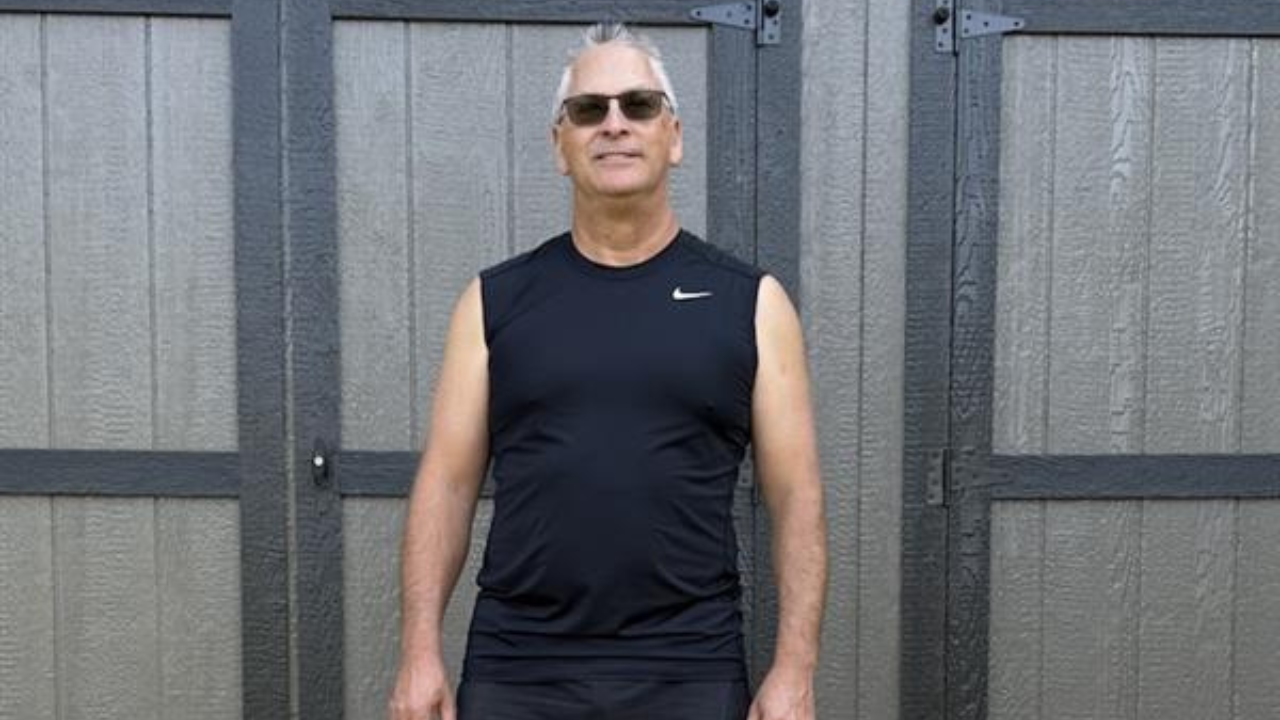
“I’m living my best life,” Steven said. “I retired from my high-stress job, I spend time with my family, and I work out five days a week. I feel great. I’m not just surviving — I’m thriving.”

Steven’s Message

Steven has simple advice for anyone facing cardiac rehab: don’t hesitate.

“You’re going to feel scared. I did. But trust the team, trust the process, and push yourself,” he said. “Because what doesn’t kill you really can make you stronger.”

If you or someone you know is in need of heart care, please contact UC Health’s Heart & Vascular Care team at (513) 475-8521.

Featured Provider:

Heart Care
Practices: Cardiovascular Disease
x