Wellness

5 Things to Know About ACL Injuries: Reduce Risk, Know the Signs, Recover Well

Feb. 25, 2026

ACL tears are common in cutting and jumping sports. The sport you play, the position you’re in, the surface you’re on, and your injury history shape both risk and the right prevention or recovery steps. Here are five insights from Dr. David Bernholt, orthopaedic surgeon at UC Health, plus easy actions and a bring-to-visit checklist.


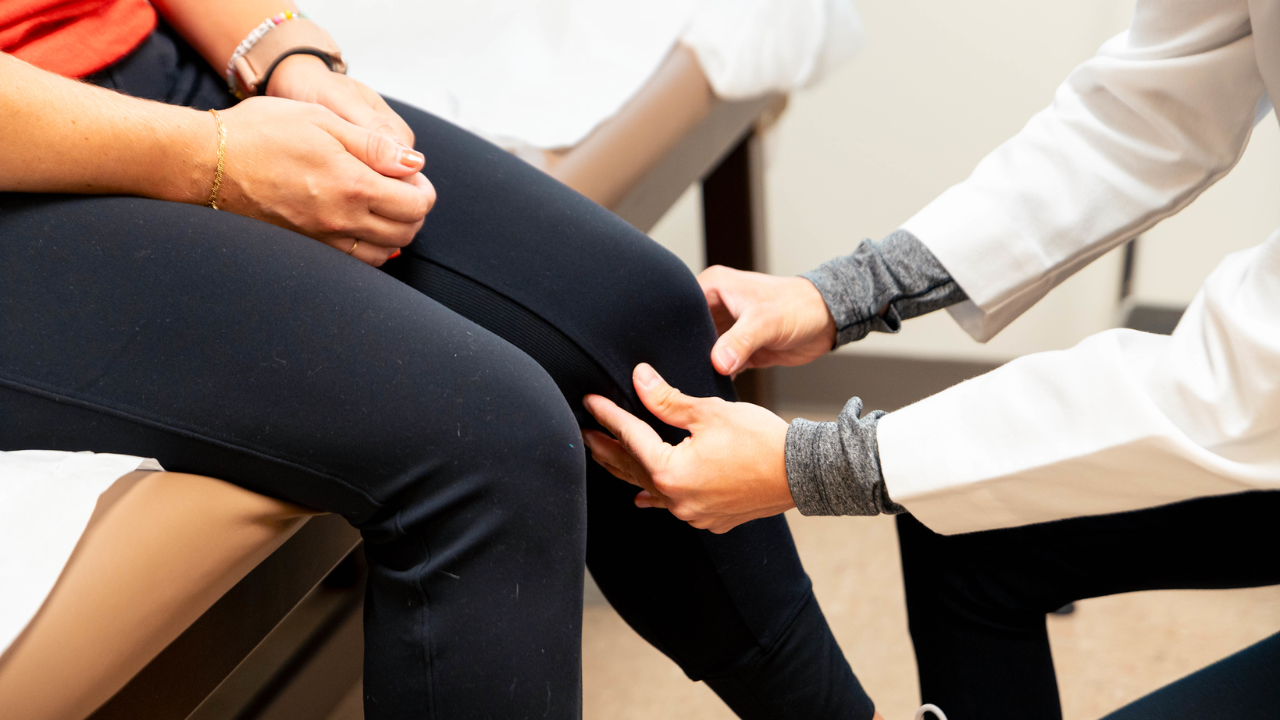
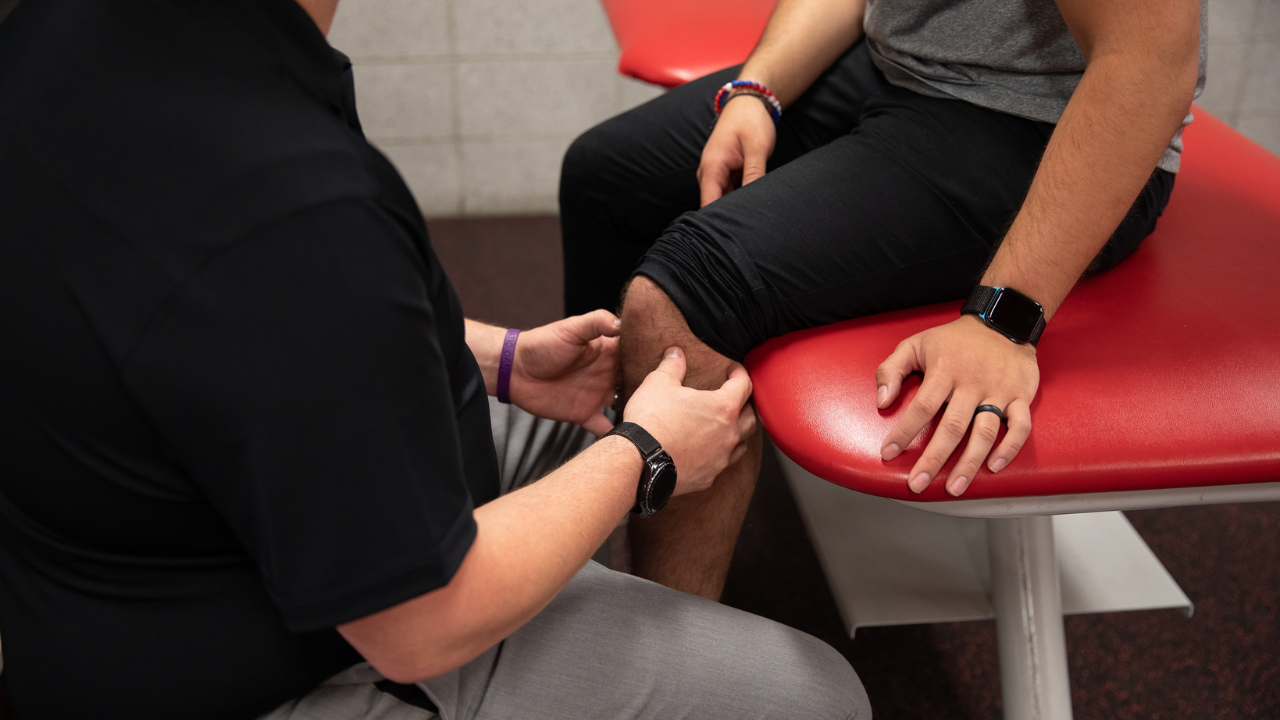
UC Health orthopaedic doctor evaluates a patient during physical therapy

Why a Personal ACL Plan Matters

Your ACL (anterior cruciate ligament) is a strong band inside the knee that keeps the joint stable. Your ACL helps steady the knee through quick cuts and landings—but no two athletes move the same. Age, position demands, field or court conditions, footwear, past knee issues, and differences in individual muscle strength, joint laxity, and movement patterns all should be considered when trying to keep an athlete’s knee strong and healthy. Whether trying to prevent an ACL injury in a healthy knee or trying to treat an injured knee, it is important to adjust the plan specifically to the individual.

Build your plan with a team: you, your coach/athletic trainer (AT), your physical therapist (PT), and a sports medicine specialist (teams like UC Health Orthopaedics & Sports Medicine in Cincinnati are here for you). Below, Dr. Bernholt shares five things to know about ACL injuries—each paired with a quick action you can start today.

Request an appointment online with UC Health Sports Medicine team or call 513-475-8690 to build your individualized ACL prevention or recovery plan.

#1: ACL Injuries Are Common—But Partly Preventable

“While not completely preventable, there are some precautions you can take to help minimize the risk of these injuries… both with strength training, stretching, as well as managing load and repetition. You don’t want to work yourself to the point of exhaustion. You want your muscles to be able to do their part in stabilizing the joint.”

ACL tears happen often, especially during busy sports seasons. You can’t stop every injury, but you can lower risk with smart training, good movement habits, and not overdoing it.

Do now — with your coach/AT:

  • Set 2 strength days/week (legs + core).
  • Add 5–10 minutes of movement prep before practice (squats, lunges, hops).
  • Stop when form fades—don’t push to exhaustion.

No coach? Use the same plan. Check that your last reps look like your first: steady knees, stable landings, controlled stops.

Even better: Inquire about a formal ACL prevention program. Evidence shows that these programs can significantly reduce risk of ACL injury.

#2: Injuries are Not Just From Contact; Surfaces and Footwear Matter

“ACL injuries can happen a variety of different ways… They don’t always happen from contact… Think about right shoe wear on the right surfaces.”

ACL injuries can be contact or non-contact. Traction from certain cleat–turf combos can add stress during cuts and pivots.

Do now — with your coach/AT:

  • Match footwear to surface (grass vs. turf) and replace worn cleats.
  • Ask for a quick traction check during cutting drills; adjust if feet “stick.”
  • If you play on multiple fields, rotate pairs to keep studs sharp and even.
  • Work deceleration/landing mechanics in warm-ups (soft knees, hips back).

#3: A “Pop” Isn’t Always Bad—Know When it is

“They're sometimes pops that we feel when we're out playing that aren't necessarily an issue… But when a pop occurs at the same time as an injury or fall, we have some concern for possible injury and the knee should be carefully examined.  Specific concerns would be an ACL tear, a meniscus tear, a bone contusion or fracture, or a dislocation of the patella .”

Some pops are normal joint sounds. But a pop with pain, swelling, or instability after an injury or event on the field needs a check.

Do now — with your coach/AT:

  • If you feel a pop + pain/instability, stop play—don’t “test it out.”
  • Do a quick sideline check (walking, gentle bend/straighten only).
  • Start R.I.C.E. (rest, ice 15–20 min on/off, compression, elevation) and log symptoms (time of pop, swelling, giving way).
  • Arrange evaluation the same day if symptoms persist or worsen.
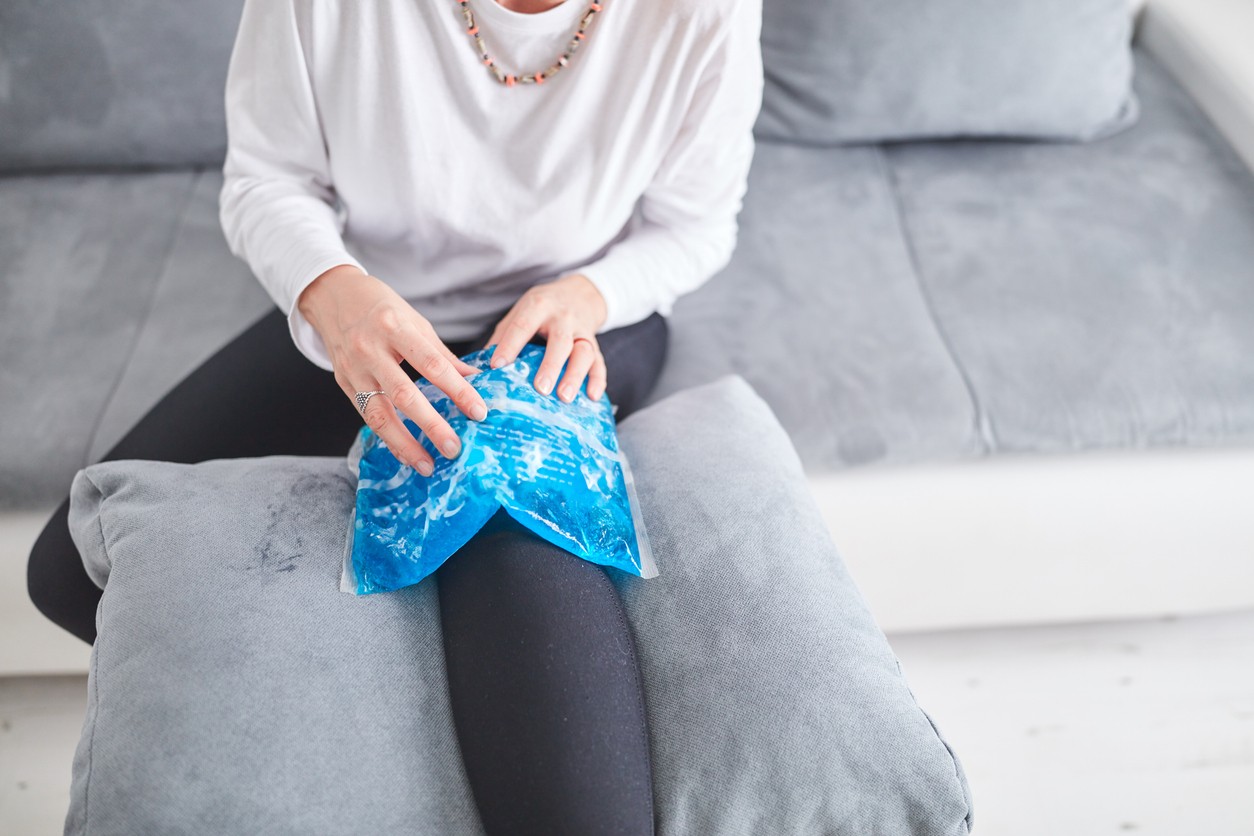
Woman applies ice pack to her knee after ACL injury

#4: When to Get Checked — Swelling by the Next Morning

“Classic for an ACL injury is you can initially get up walk off the field… you may not notice swelling immediately, but the next in the next few hours and certainly by the next morning you will notice significant swelling of the knee. The swelling you see with a meniscus tear is usually much less than what is seen with an ACL tear.  Any time we have a specific injury that results in increased pain and increased swelling in the joint, you should go get that evaluated by a physician.”

A common ACL pattern: you might walk off the field, but swelling shows up 1-2 hours later—often very noticeable by the next morning.

Do now — with your coach/AT:

  • Begin R.I.C.E. right away.
  • Stop sport for 24–48 hours; avoid cutting/jumping.
  • If swelling appears overnight or within hours, schedule a medical evaluation.
  • Bring a quick symptom log (time of injury, swelling onset, giving-way episodes).
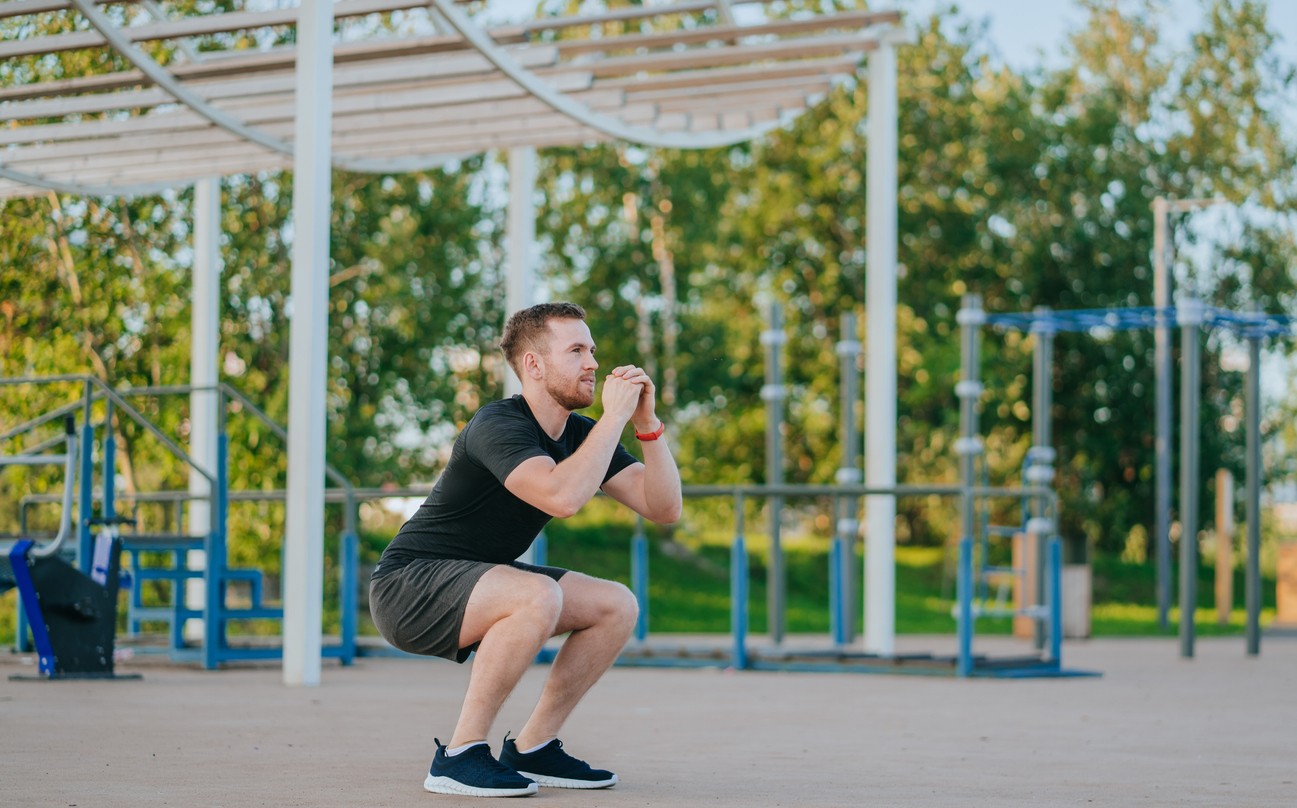
Man does squats in a park setting

#5:  Recovery is Rehab-Heavy; Surgery is Just One Piece

“As a surgeon, when folks have ACL injuries, I perform surgery to reconstruct the torn ACL. But that is just one piece of the puzzle for recovering from an ACL injury… There’s a much greater period of time spent on rehab.”

Getting a new ACL is only the start. The day-to-day rehab work is what gets you back to sport safely.

Do now — with your coach/AT & PT:

  • Map a rehab calendar (week-by-week goals and return-to-sport date).
  • Ask if early PT, blood flow restriction (BFR), and cryotherapy fit your plan.
  • Track benchmarks (pain, swelling, range, strength, hop/cut tests).
  • Report setbacks early; adjust workload instead of pushing through.

Make It Personal: Visit Checklist

Bring this to:

  • Preseason or prevention visit (sports physical, wellness check, or consult with a coach/AT/PT/sports med specialist).
  • Post-injury evaluation (after a twist/cut/landing with pain, swelling, or instability).

What to have ready:

  • Sport, position, and typical surface(s) (grass, turf, court).
  • Footwear/cleat type and age; any turf vs. grass rotation.
  • History of knee issues (meniscus, cartilage, prior sprains, “loose” joints).
  • Current training load (strength days, practices, games) and any fatigue/overuse.
  • Goals + timeline (key events, target return-to-sport date).
  • Questions to discuss: prevention programs, meniscus repair priorities, cartilage care, blood flow restriction therapy, cryotherapy, and—if high risk—whether lateral augmentation is right for you.
  • Benchmarks to agree on for clearance and a step-down plan if symptoms spike.

If you’re coming after an injury, also bring:

  • A brief symptom log (time of injury, when swelling started, “giving-way” episodes).
  • Any imaging or prior records, brace use, and meds you’ve tried (e.g., NSAIDs).
  • What happened with R.I.C.E. in the first 24–48 hours.
Dr. David Bernholt at UC Health meets with a patient in office visit

Choose UC Health for Ortho Care in Cincinnati

Because every athlete and sport are different, ACL risk isn’t one-size-fits-all. Your position, playing surface (grass, turf, court), footwear, prior knee issues, and season goals all change what you need for prevention and, if injured, recovery. At UC Health in Cincinnati, Ohio, our orthopaedics team treats both elite athletes and everyday active people. Request an appointment online with UC Health Sports Medicine team or call 513-475-8690 to build your individualized ACL prevention or recovery plan.
Featured Provider:

x