Wellness

9 Ways to Support a Loved One After a Traumatic Injury

May. 11, 2026

Traumatic injuries can happen in an instant, but recovery often takes time. For many patients, the journey back to health is physical, emotional and deeply personal.


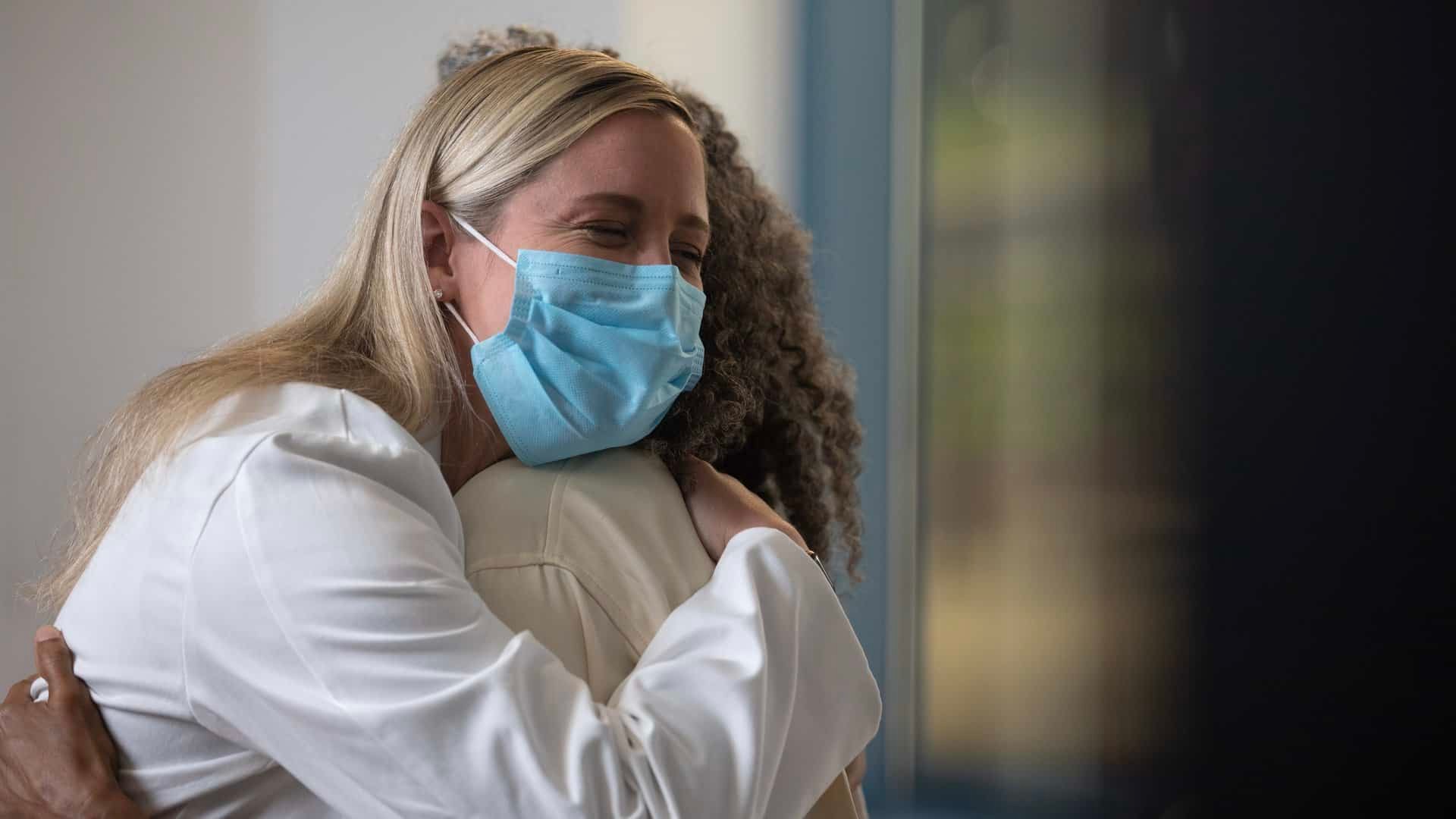
A doctor hugging a patient in the hospital.

Supporting a loved one after a traumatic injury requires patience, compassion and understanding. At UC Health, we know that trauma care extends far beyond the hospital. It’s about showing up in meaningful ways day by day, step by step.

We turned to the true experts—our patients. Trauma survivors shared their experiences and advice after life-changing injuries. We asked them: 

What helped you most from family and friends during your recovery?
 

Here are their top tips:

1. Be patient with the healing process. 
Recovery doesn’t follow a straight line. There may be setbacks, good days and hard days. Patience and steady support can make all the difference.

2. See the person—not the injury. 
Your loved one is more than what happened to them. Talk about their interests, their goals and the things that bring them joy. This helps restore a sense of identity and normalcy.


“If you’ve got a dream, absolutely keep reaching for it. I didn’t lose my love for riding. I share my recovery journey on TikTok and am in the process of writing a book titled ZZZ Gatesville, hoping to inspire other riders recovering from motorcycle accidents.” Brittany Childres Motorcycle rider who was traumatically injured on an evening ride in Kentucky


3. Offer specific, practical help. 
Instead of saying “let me know what you need,” offer concrete support like meals, rides to appointments, help with childcare or running errands. Small acts can ease a heavy load.

4. Respect their independence. 
Recovery often includes regaining strength and confidence. Encourage independence when possible and support them without taking over.

5. Include them in everyday moments. 
Even if they can’t participate the same way, staying connected matters. Invite them to gatherings, check in regularly and help them feel part of the world around them.


“With the constant support of friends and family, I was finally able to break out of the overwhelming negativity. They got me out of the house, we went to dinners again, we went for hikes in the park and tried to be ‘normal’ as I was before the injury.” Peter Crable Bystander traumatically injured by an abdominal gunshot wound


6. Support their mental and emotional health. 
Trauma can affect more than the body. Anxiety, frustration or sadness are common. Listen without judgment and encourage professional support if needed.

7. Let them set the pace. 
Healing looks different for everyone. Allow your loved one to decide what they’re ready for, whether it’s returning to work, social activities, or daily routines.

8. Celebrate progress—big and small. 
Every step forward matters. Whether it’s walking a little farther, completing therapy, or simply having a good day, recognition can boost motivation and hope.


“The first time he felt the wind in his hair again—that was everything. It sounds small, but it’s not.” Katy and Chris Aldred Daughter and caregiver; Patient traumatically injured in a head-on motor vehicle collision


9. Find moments of joy and connection. 
Laughter, shared memories and simple moments together can be powerful. Healing isn’t just about recovery; it’s about rediscovering joy along the way.


Our Inspiration

Trauma survivors continue to inspire us every day. Their strength, resilience, and determination remind us that recovery is possible, and that support plays a vital role in that journey. 

From serious injuries to life-saving care, these stories show what really matters: expert teams, strong support systems and people who show up for each other.


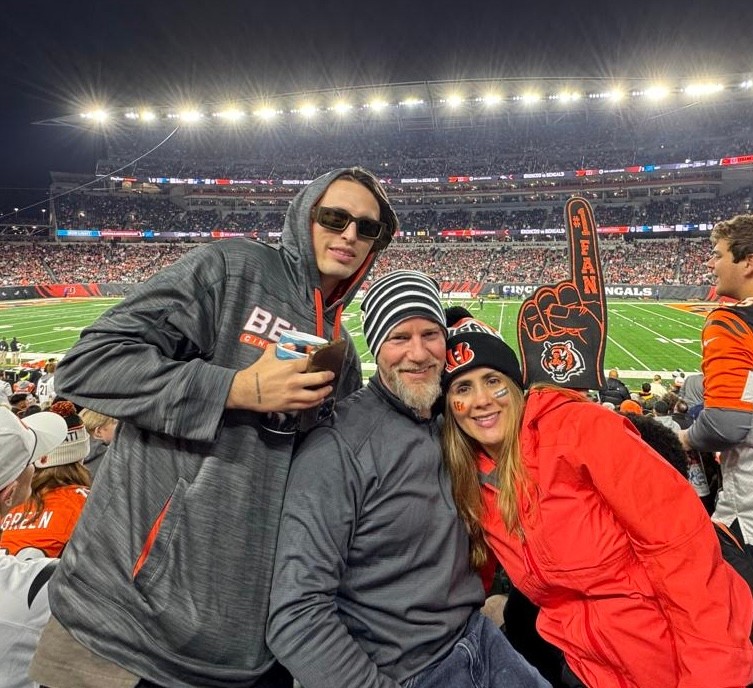
Peter Crable at a Cincinnati Bengals game with his wife and son.

Peter Crable at a Cincinnati Bengals game with his wife and son.


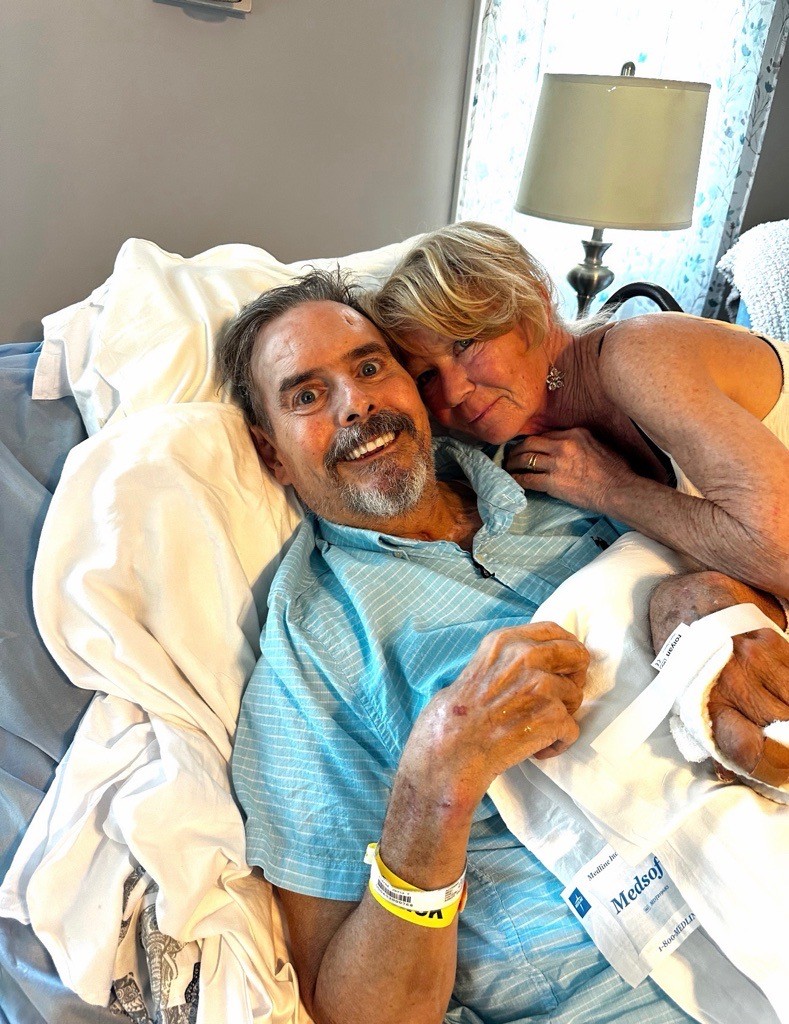
Chris Aldred with his wife in the University of Cincinnati Medical Center ICU.

Chris Aldred with his wife in the University of Cincinnati Medical Center ICU.


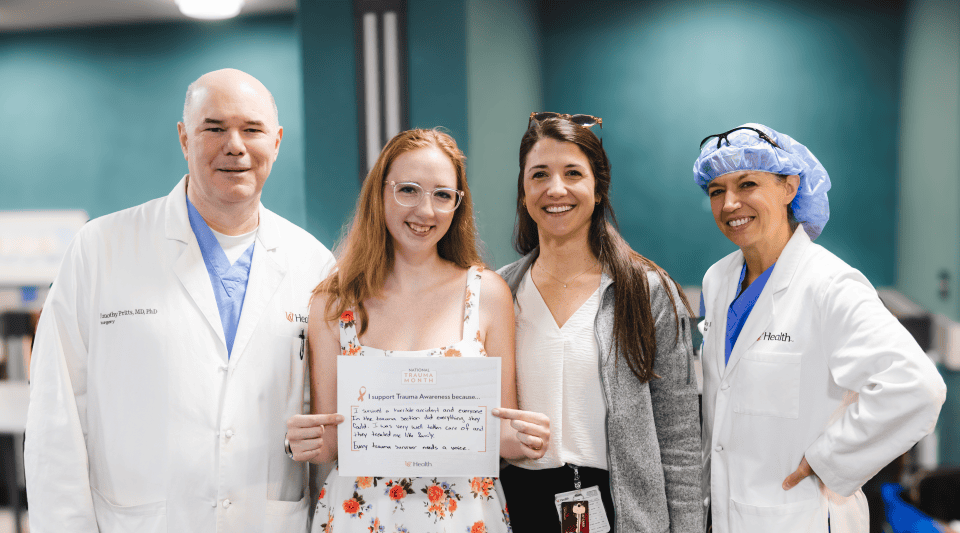
Brittany Childres at the University of Cincinnati Medical Center with members of her trauma care team.

Brittany Childres at the University of Cincinnati Medical Center with members of her trauma care team.

Support Makes the Difference

Recovery after trauma can be challenging, but no one has to face it alone. With understanding, encouragement and practical support, you can help your loved one navigate the path forward. 

If you or someone you love is recovering from a traumatic injury, additional support is available. From rehabilitation services to survivor support programs, UC Health is here to help every step of the way.

Surgery
Practices: Critical Care , Trauma Surgery , General Surgery , Outpatient Trauma Care
Surgery
Practices: General Surgery , Trauma Surgery , Outpatient Trauma Care , Critical Care
Surgery
Practices: Critical Care , General Surgery , Outpatient Trauma Care
x