Frequently Asked Questions

Your questions, answered.

Find answers about services, waitlist information, interdisciplinary care, education, and patient accommodations at the Timothy Freeman, MD, Center for Developmental Disabilities at UC Health.


About Us

Our Mission

The Timothy Freeman, MD, of the Center for Developmental Disabilities, is dedicated to enhancing healthcare for adults with developmental disabilities by delivering person-centered, coordinated, and interdisciplinary care, educating healthcare professionals, and collaborating with the community.

Our History

Founded in 2022, the Timothy Freeman, MD, Center for Developmental Disabilities honors the legacy of the late Dr. Timothy Freeman. A trailblazer in developmental medicine, Dr. Freeman dedicated more than 30 years to improving care for adults with disabilities.

Our Services

Our primary service offerings include primary care and behavioral health services for adults (18 years and older) with developmental disabilities. We also offer the following:

  • In-person and virtual healthcare visits (telehealth*)
  • Dietary support
  • Pharmacy consultations
  • Mental health therapy
  • Social work
  • Behavioral support
  • Nurse care coordination
  • Condition-specific health consultations
  • Community navigation
  • Physical medicine and rehabilitation

*Please note that telehealth can only be accessed while in the State of Ohio.

What does it mean to be interdisciplinary?

Interdisciplinary care is a teamwork-based approach in which professionals from various fields and specialties collaborate to deliver patient care. By sharing their knowledge and skills, they can ensure that every part of a patient’s health is supported, including physical, mental, emotional, and social. Good communication and cooperation among team members help improve patient health, increase patient satisfaction, reduce hospital visits, and lead to better overall care.

Who makes up the care team?

Each patient is paired with a physician or advanced practice provider who oversees their care. Because the Freeman Center uses an interdisciplinary model, you may also see other providers or specialists during your visits. Our entire team works collaboratively and takes great pride in the care we provide, ensuring you or your family member(s) receive comprehensive, coordinated support.

How do I learn more about the Freeman Center providers and staff?

Click here to learn about our team.

Interested in joining our team? More Information coming soon.
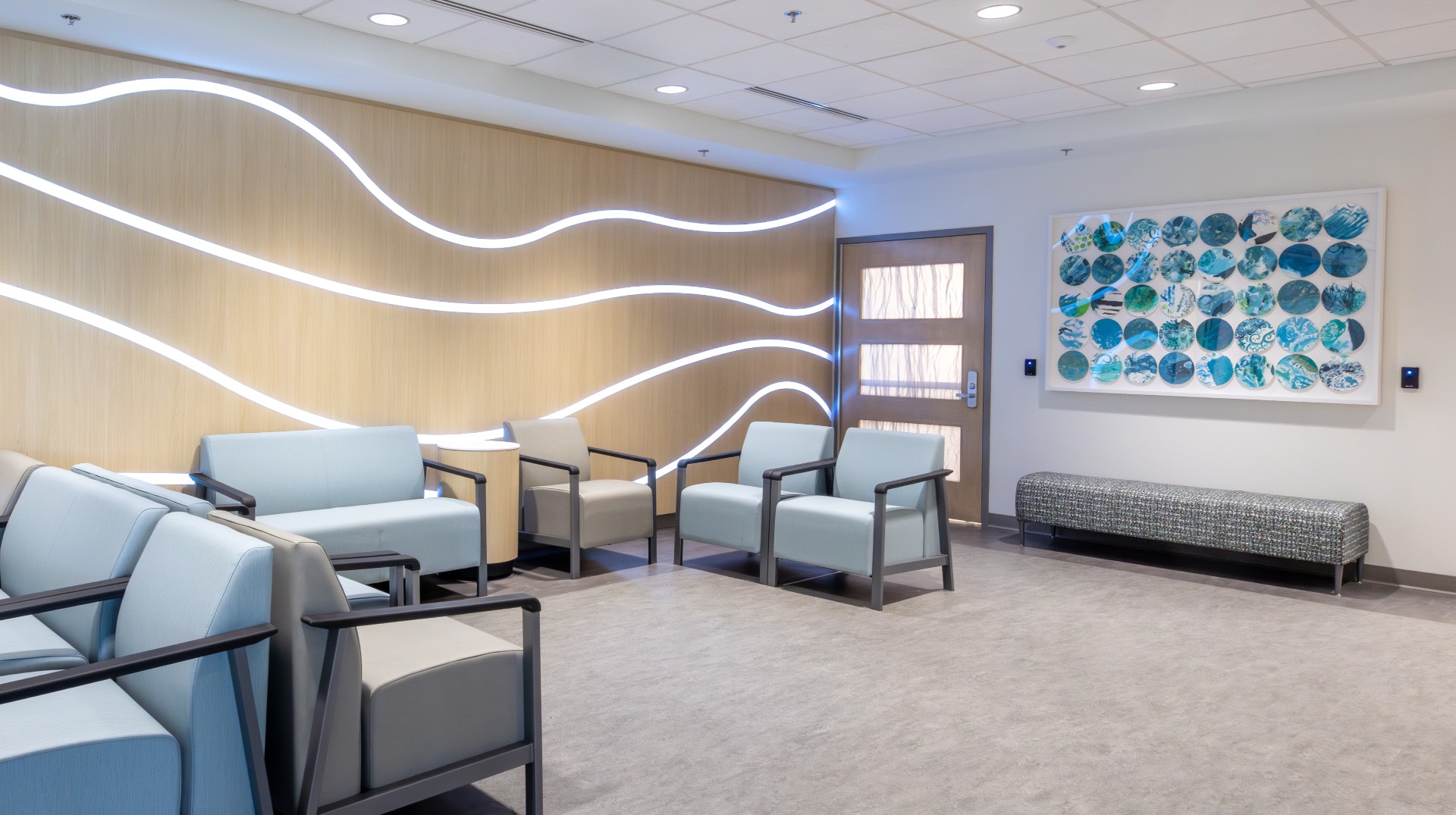
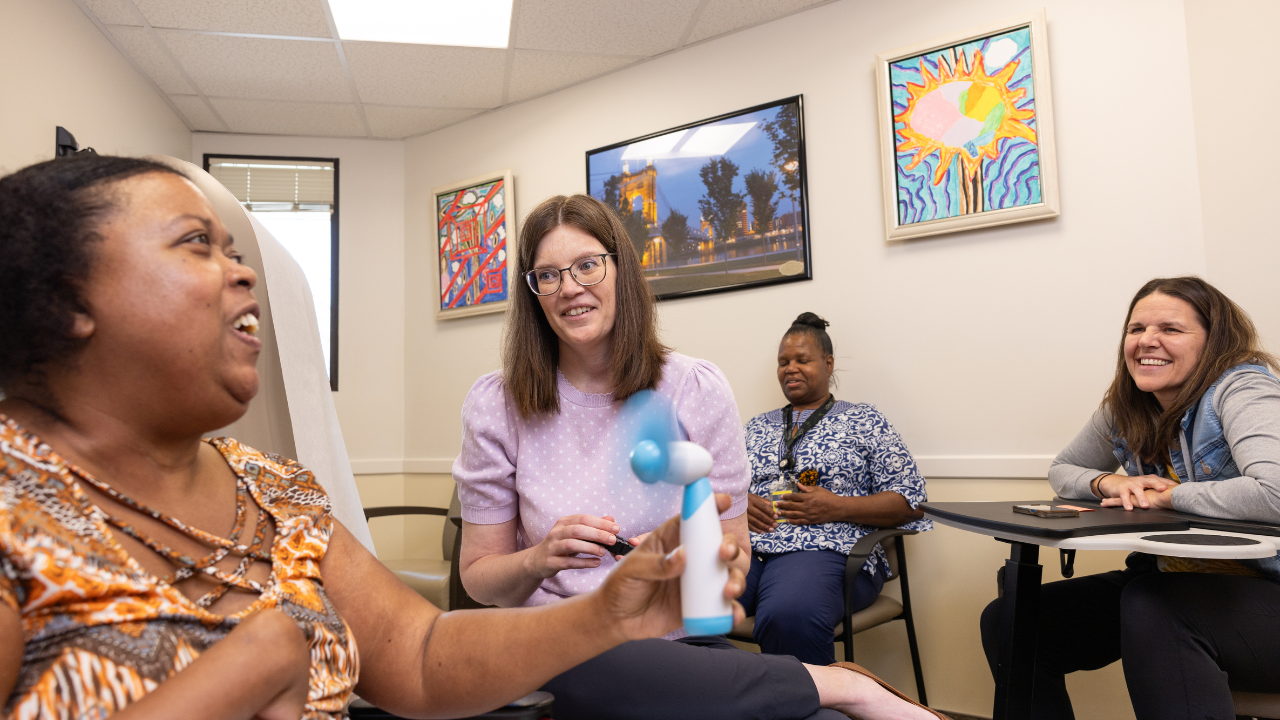
Freeman Center lobby, featuring the mural.

Waitlist Information

Waiting for care can feel stressful or uncertain, and you’re not alone. Here are some common questions about our waitlist, along with an overview of what to expect during your wait. Our team is committed to delivering high-quality, person-centered care. We will contact you as soon as an appointment becomes available. In the meantime, the information below may be helpful.

How can I be added to or have a family member added to the waitlist?

If you are looking to have yourself or a family member added to the Freeman Cetner waitlist, call UC Health at 513-585-9009. Questions you should be prepared to answer during the call include:

  • Are you interested in primary care, behavioral/psychiatric care, or both?
  • Are you or your family member 18 years of age or older?
  • Have you or your family member been diagnosed with a developmental disability?
  • Were you referred to the Freeman Center by another healthcare provider, community organization, or healthcare professional? If so, who?
  • Will you or your family member require behavior support?

Why is there a waitlist?

We are committed to offering high-quality, person-centered services. To maintain this standard, we carefully manage patient intake in accordance with staff availability and resources.

How can I check if I am on the waitlist?

Contact the Freeman Center at 513-585-9009. Please note that we cannot provide a specific number or timeline for when you will be scheduled, as this depends on staffing and availability.

How will I know when an appointment is available?

A member of our team will contact you directly when an appointment is available. You will be asked to complete the required forms before scheduling your appointment. It is important that you provide the required information when we contact you. If we do not receive the information after your reminder calls, you will forfeit your initial appointment, and we will schedule the next person on the waitlist.

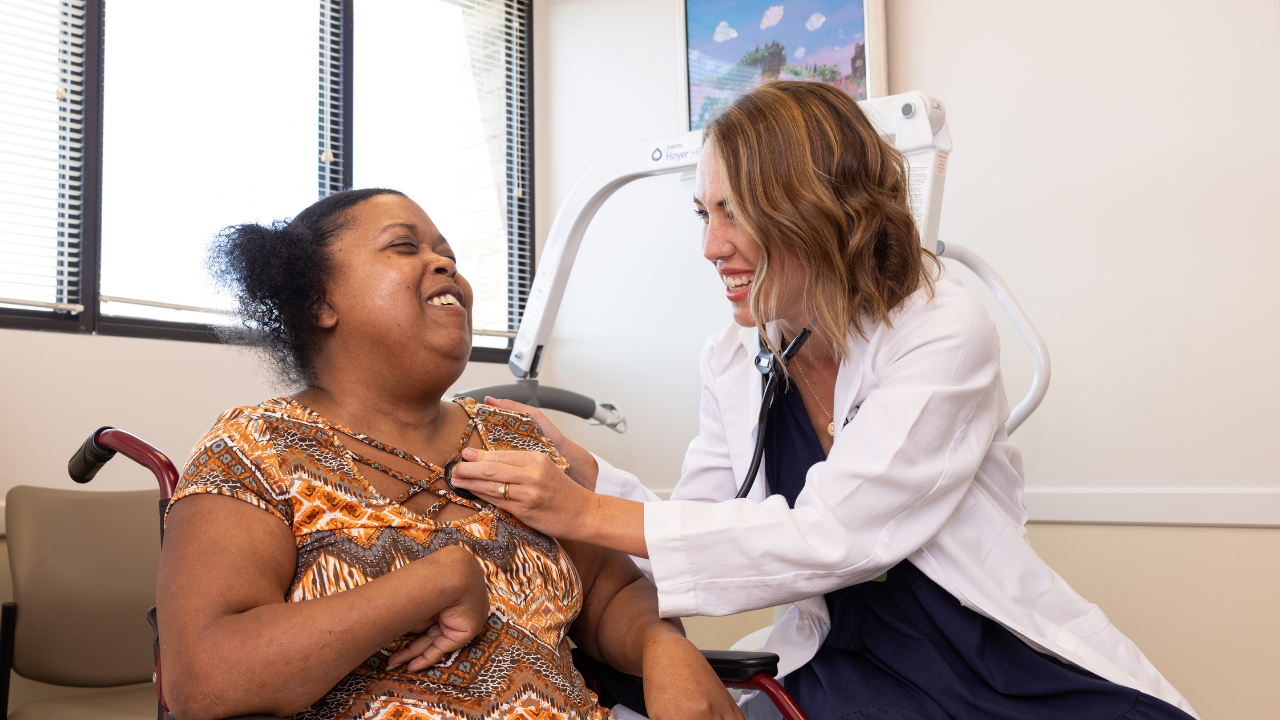
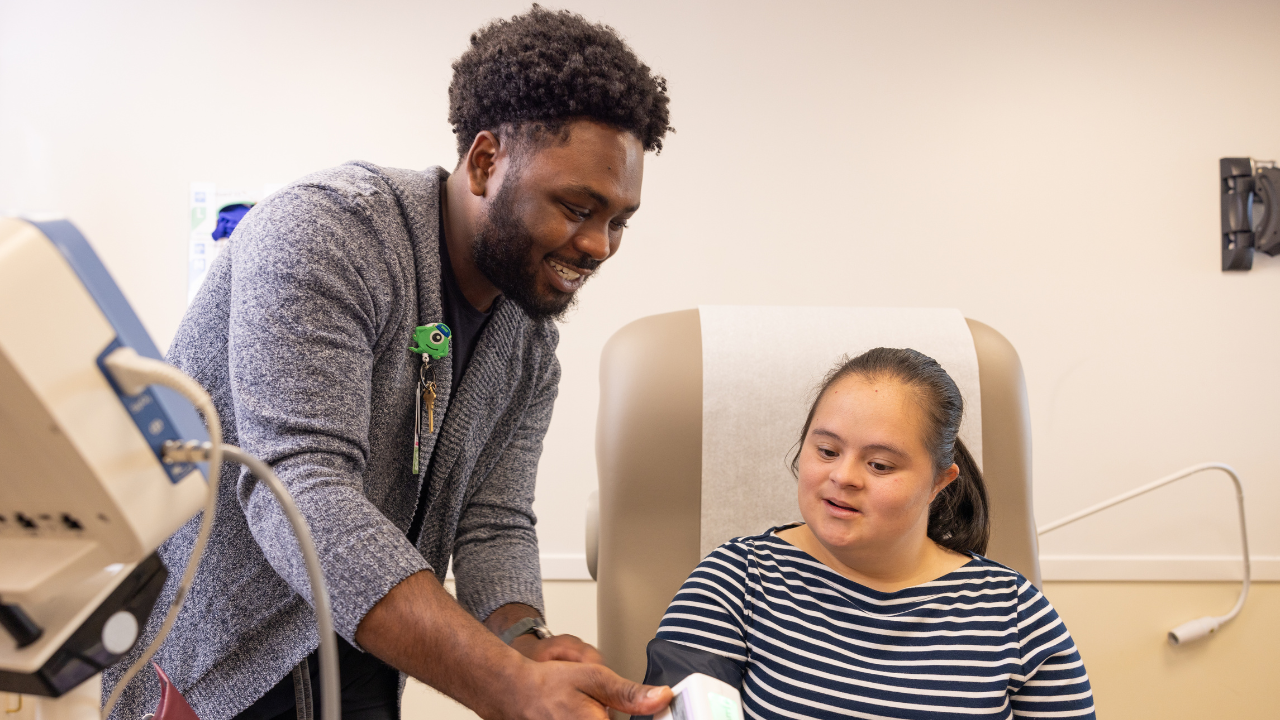
Freeman Center staff working with a patient.

Education & Training

As part of an academic health enterprise, Timothy Freeman, MD, Center for Disabilities, partners directly with the University of Cincinnati College of Medicine to provide education and training to the next generation of providers.

Why are there often students and learners at the Freeman Center?

Students and learners are often at the Freeman Center because education is a vital part of our mission. As part of an academic health system, the center is committed to creating opportunities for medical students, residents, and fellows to be involved in every step of care. By supporting learning and education, we can increase the number of providers trained in adult developmental medicine.

Teaching and offering clinical rotations are essential for increasing the number of clinics dedicated to adult developmental medicine and highly trained and qualified healthcare professionals. The Freeman Center offers a range of opportunities for learners to participate, and patients and caregivers always have the option to choose whether to allow

students in the room or to permit alternative observation methods. Your support helps train the next generation of adult developmental medicine providers.

What is the Adult Developmental Medicine Fellowship?

The Freeman Center is home to one of the nation’s first Adult Developmental Medicine Fellowships, offered through the University of Cincinnati College of Medicine. This advanced training program prepares physicians to diagnose, manage, and support adults with developmental disabilities through expert, team-based, whole-person care.

Fellows receive hands-on clinical training and interdisciplinary experience caring for individuals with conditions such as autism, ADHD, cerebral palsy, intellectual disabilities, and complex medical or behavioral needs. Graduates are prepared for leadership roles in clinical care, advocacy, research, and systems focused on improving access and outcomes for adults with developmental disabilities, locally and nationwide.

Accommodations & Support

In September 2025, Timothy Freeman, MD, Center for Developmental Disabilities moved to a fully renovated, 15,000-square-foot clinic at 2830 Victory Parkway, Cincinnati. The new space is thoughtfully designed for patients and caregivers, featuring exam and consultation rooms, educational and training areas, sensory support, first-level access, and more.

What is an Individual Care Plan (ICP)?

An Individual Care Plan (ICP) is a personalized guide created with input from patients, caregivers, and families to support individuals with developmental disabilities during healthcare visits. ICPs outline each patient’s unique needs to promote calm, comfortable, and engaging appointments, and help providers deliver compassionate, individualized care. These plans are integrated into the patient’s medical record and accessible to all UC Health providers.

What types of support and accommodations are offered at the Freeman Center?

The Freeman Center offers interdisciplinary, patient-centered support tailored to individual needs, including:

  • Nutrition and diet-related accommodations through a registered dietitian
  • Sensory, communication, and behavioral support from a Board-Certified Behavior Analyst and a Hamilton County DDS Behavioral Support Specialist
  • Sensory and pause spaces available for use during visits

What is a sensory room?

A sensory room is a flexible space where patients can wait, take breaks, or receive care more comfortably during appointments. The room features calming and supportive elements, including comfortable seating, weighted blankets, sensory tools, a bubble machine, and a TV with soothing visuals and sounds.

What is a Social Story, and how can it help prepare for a visit?

Social Stories are short, personalized guides that use simple language and visuals to explain what to expect during a healthcare visit or procedure. They help reduce anxiety, increase predictability, and promote confidence. Families and caregivers can review Social Stories at home to help patients feel more prepared and engaged.

What is a BCBA?

A Board-Certified Behavior Analyst (BCBA) supports patients with sensory, communication, and behavioral needs using evidence-based strategies. The Freeman Center’s BCBA provides in-clinic support and assists patients across the UC Health system, including specialty care and imaging, to ensure accommodations are in place and care is accessible.

What is Community Navigation, and how can I request it?

Community Navigation assists patients and caregivers in locating, understanding, and accessing community resources and support. Patients can request help at any time by contacting their provider, a Freeman Center team member, or the community navigator directly if they have worked with them before.

Primary Care
Practices: Family Medicine
x