UC Health and the University of Cincinnati College of Medicine are leading the way with RECOVER-SLEEP, a groundbreaking multi-center trial designed to match patients with tailored study treatments for two of the most common and debilitating sleep problems seen after COVID-19: hypersomnia (excessive daytime sleepiness) and insomnia.
The study, part of the National Institutes of Health’s (NIH) RECOVER initiative, aims not only to provide symptom relief but also to expand medical understanding of post-viral sleep disorders — offering hope to the millions affected by Long COVID.
Summary of Key Insights
- One of the Only Studies of Its Kind: Focused exclusively on sleep and circadian disorders linked to Long COVID
- Tailored Interventions: Hypersomnia arm evaluates Modafinil or Solriamfetol; insomnia arm tests melatonin combined with tailored light therapy
- Personalized Approach: Participants are matched to a treatment arm based on their unique sleep profile
- Patient Impact: Potential improvements in energy, sleep quality, and daily function
- National Collaboration: Builds on UC Health’s leadership role in the NIH RECOVER initiative.
The Overlooked Burden of Sleep Disorders in Long COVID
Sleep and circadian rhythm disorders are among the most common — and most life-altering — symptoms reported by people with Long COVID. Hypersomnia can leave patients struggling to stay awake during the day, while insomnia robs others of the restorative rest they desperately need.
These disruptions can worsen fatigue, mood disorders, cognitive difficulties, and cardiovascular health. Yet, until now, research and treatment options have lagged behind the urgent need. RECOVER-SLEEP aims to change that.
The RECOVER-SLEEP Trial at UC Health
The RECOVER-SLEEP trial is a multi-center, randomized platform trial — meaning it evaluates multiple treatments under a single study structure. This approach allows researchers to efficiently test different interventions, compare outcomes, and adapt as new data emerges.
Two study arms:
- Hypersomnia: Evaluates Modafinil or, if not tolerated, Solriamfetol — both designed to promote wakefulness.
- Insomnia: Evaluates melatonin combined with tailored light therapy or placebo, targeting circadian rhythm alignment.
Key facts:
- Recruitment goal: 10–20 participants by December 2025
- Eligibility: Adults with Long COVID and significant sleep disturbances
- Location: UC Health Sleep Medicine Center in Cincinnati, Ohio, and collaborating sites nationwide
How the Treatments Work
Modafinil & Solriamfetol
These medications are wakefulness-promoting agents that help combat excessive daytime sleepiness by altering neurotransmitters in the brain involved in alertness.
Melatonin & Tailored Light Therapy
Melatonin is a naturally occurring hormone that helps regulate sleep-wake cycles. When paired with precisely timed light exposure, it can help reset circadian rhythms, making it easier to fall asleep and stay asleep.
Benefits & Challenges
Potential Benefits:
- Access to specialized study-related care from UC Health’s Sleep Medicine and LONGCOVID experts
- Improved sleep quality and daytime function
- Contribution to national research that may help millions
Challenges:
- Narrow eligibility criteria may limit participation
- Sleep improvements may take time to observe
- Participants commit to follow-up visits and regular monitoring
Why This Trial Matters
RECOVER-SLEEP is one of the few clinical trials in the country dedicated to solving post-COVID sleep problems. By focusing on both hypersomnia and insomnia — and matching patients to interventions based on their specific symptoms — the trial represents a precision approach to care that could become a future standard.
Clinical Trials at UC Health
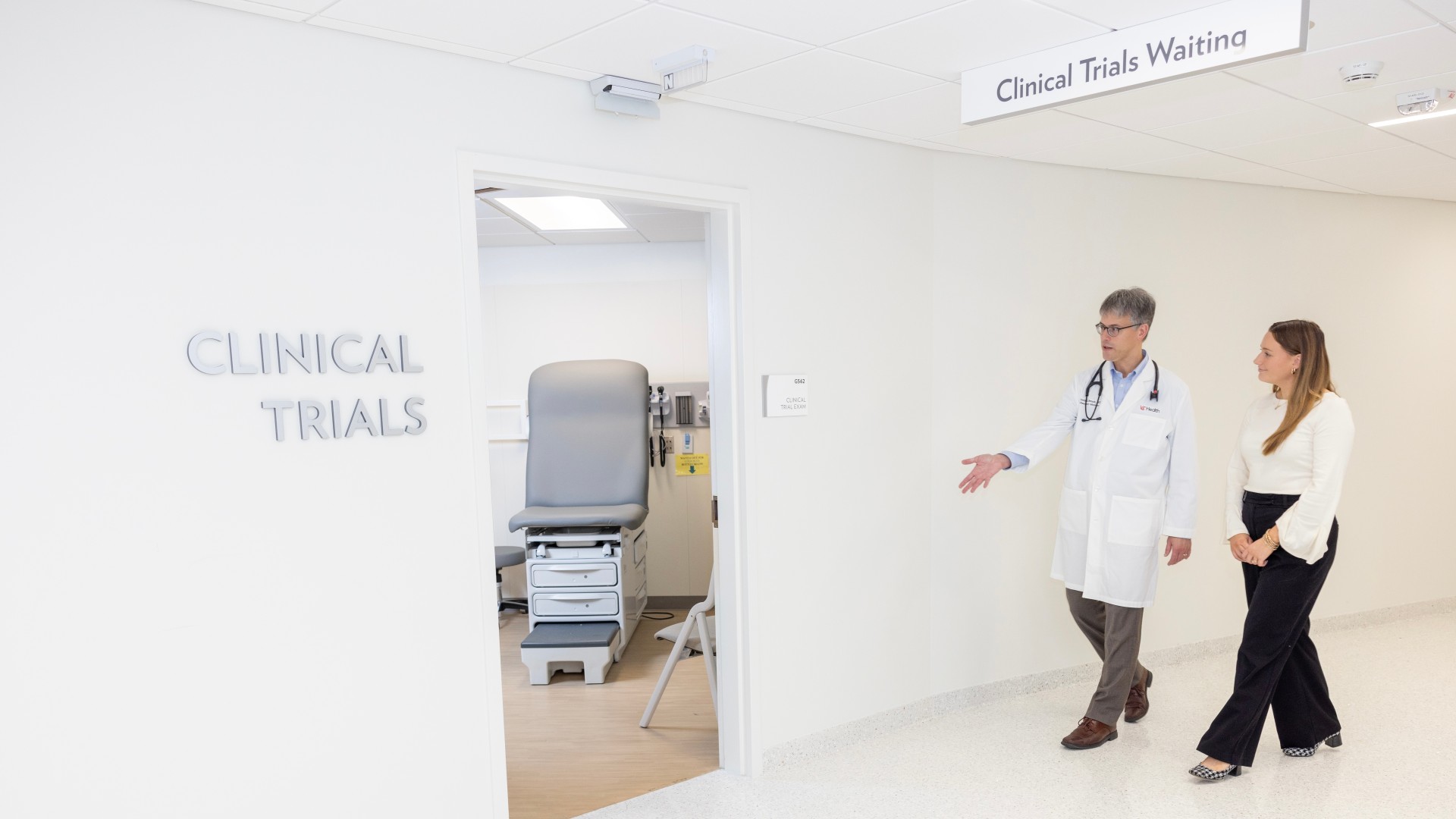
UC Health in Cincinnati, in partnership with the University of Cincinnati College of Medicine, unites world-class researchers, physicians, and care teams to deliver innovative clinical trials that shape the future of medicine. Patients gain access to groundbreaking therapies years before they are widely available, while sponsors and investigators benefit from streamlined support and a robust infrastructure that ensures efficiency and rigor. Rooted in a legacy of medical breakthroughs and driven by a commitment to compassionate, patient-centered care, UC Health transforms discovery into lasting health benefits for individuals and communities alike.
Future Directions
If successful, RECOVER-SLEEP could pave the way for broader research into post-viral sleep disorders, more effective treatment protocols, and new insights into the connection between circadian health and recovery from infectious diseases.