How Diet Impacts Gut Health in IBD
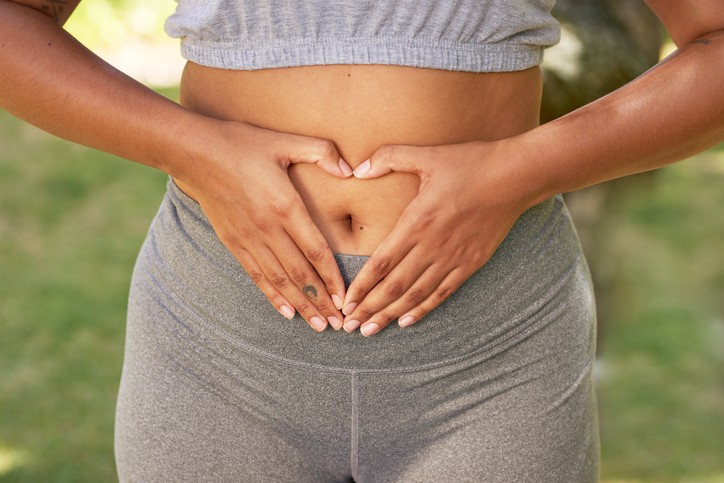
Research continues to show a strong connection between gut health and IBD. Many people living with IBD experience an imbalance in gut bacteria, sometimes called dysbiosis, which may contribute to inflammation and flare-ups. While diet alone does not cause or cure IBD, certain foods and eating patterns may help support digestive health and symptom management.
Summer can be a great time to focus on simple, hydrating and nutrient-rich meals that are gentle on the digestive system. By choosing foods that support a healthy gut microbiome and limiting common trigger foods, many people with IBD can better manage symptoms while still enjoying seasonal favorites.
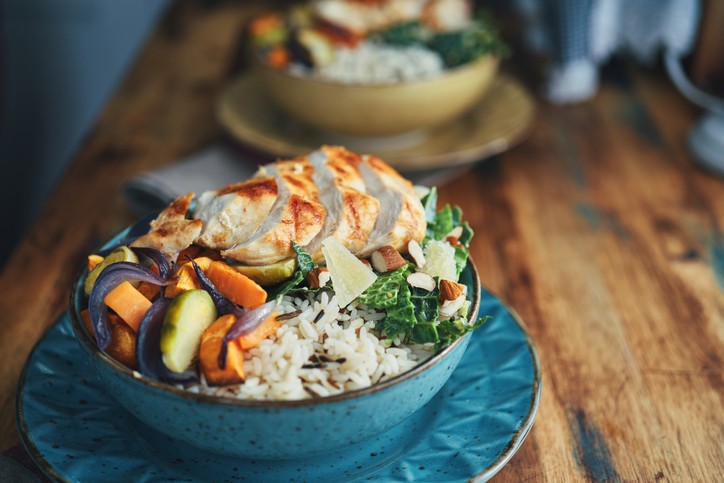
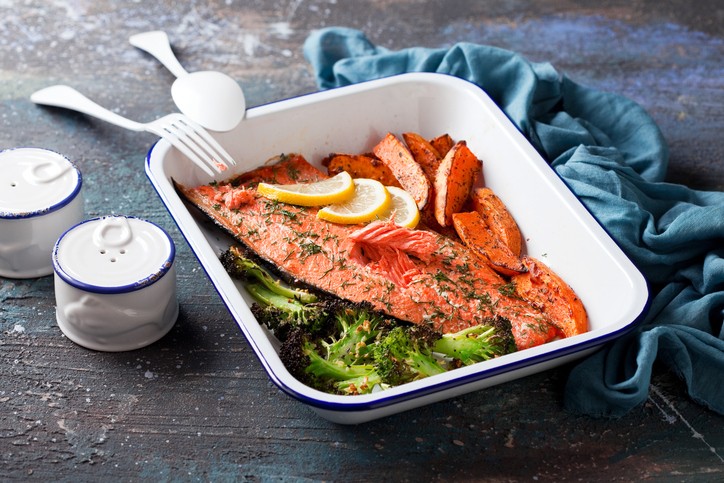
Many gastroenterologists and dietitians recommend an anti-inflammatory approach that includes:
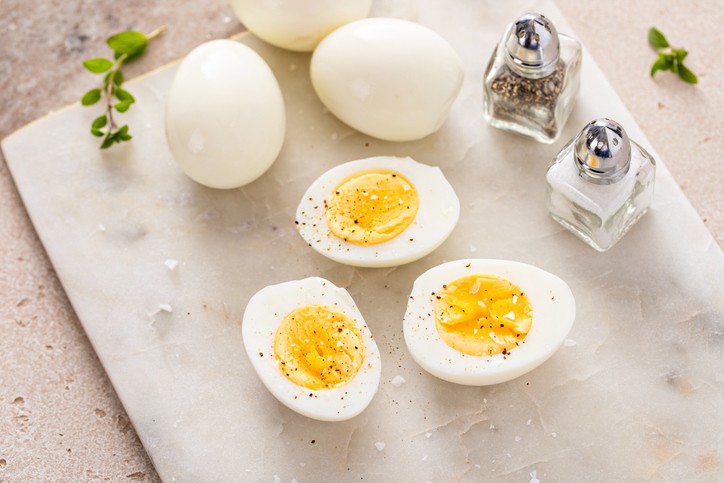
- Lean proteins
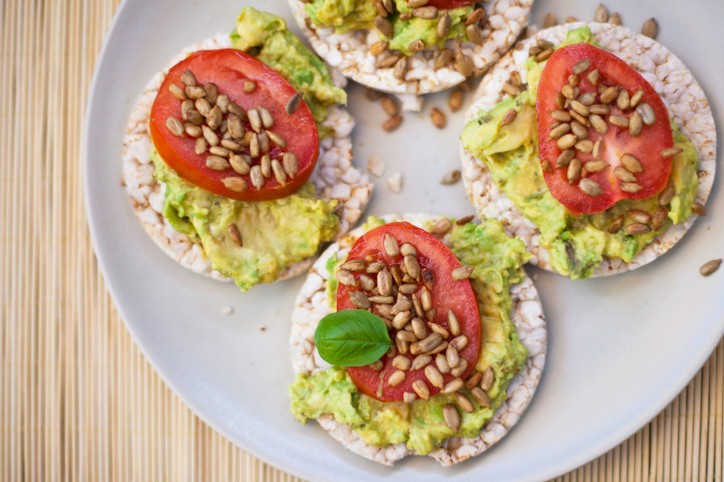
- Healthy fats
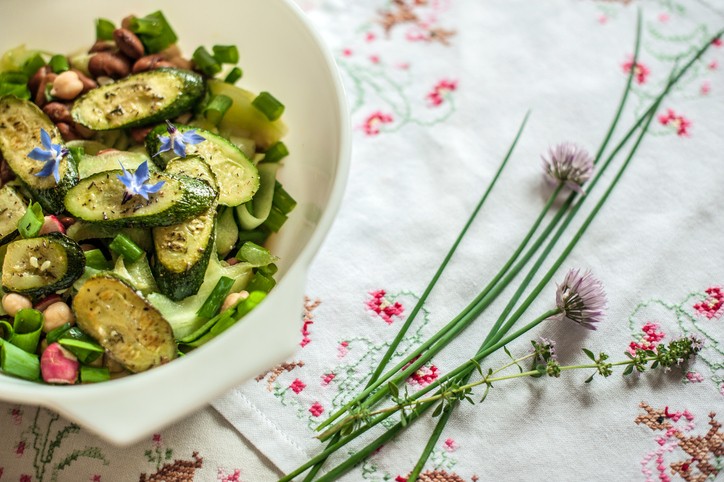
- Cooked or easy-to-digest vegetables
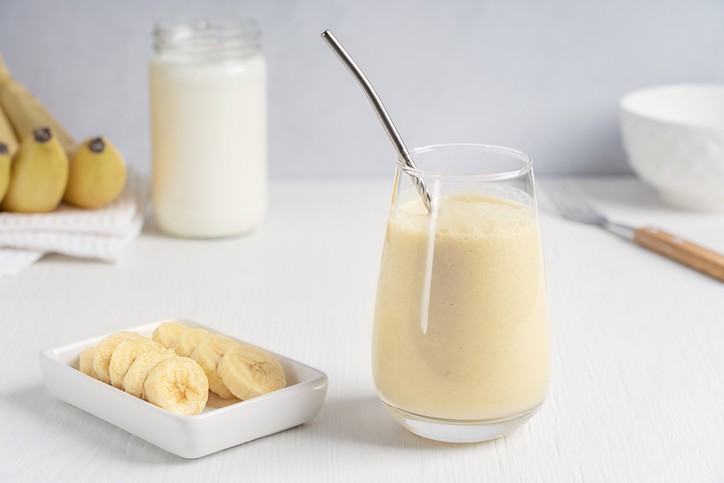
- Fruits that are tolerated individually
- Whole, minimally processed foods
- Plenty of fluids
The Mediterranean diet is commonly recommended because it emphasizes many of these gut-friendly foods while limiting highly processed foods, added sugars and saturated fats.