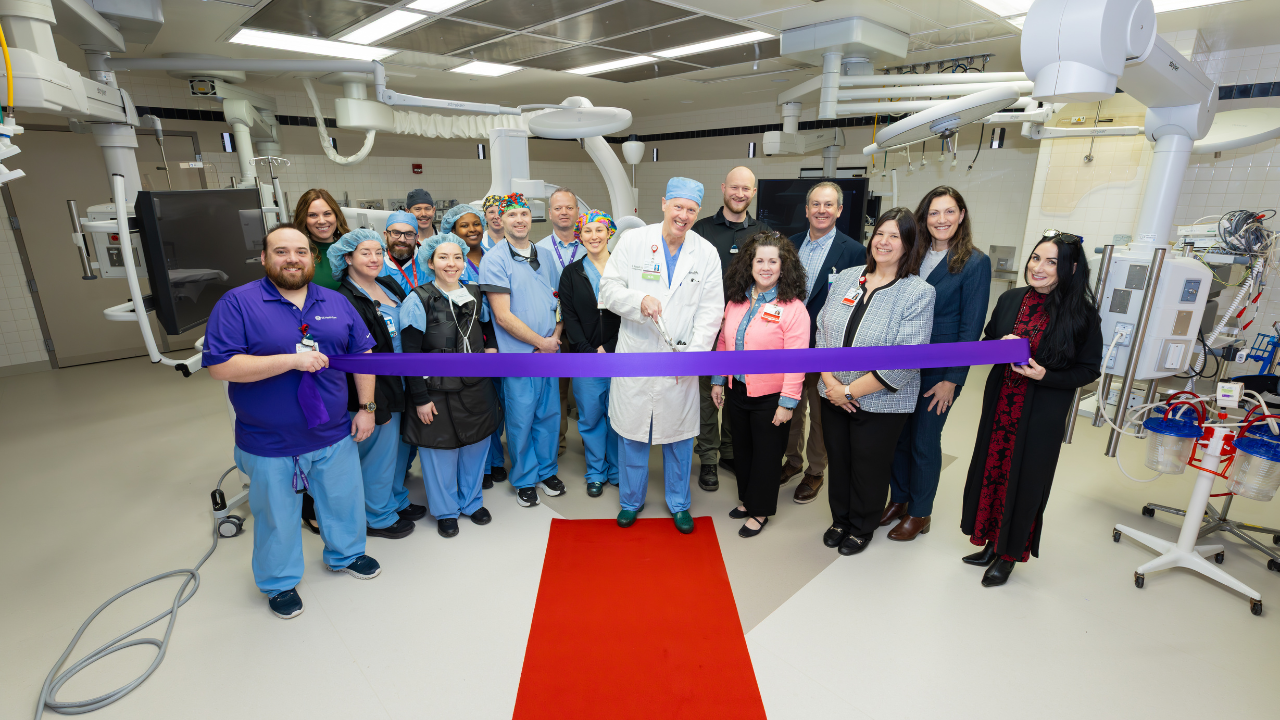
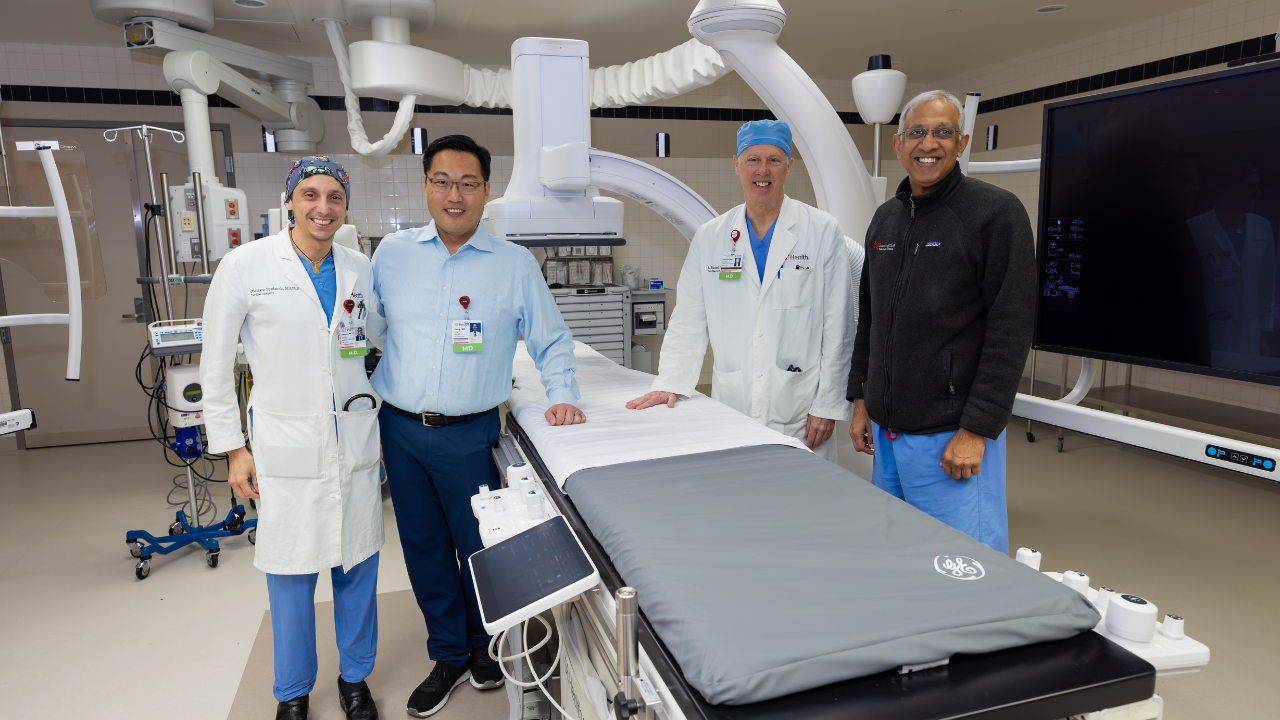
What Is a Hybrid Operating Room — and Why It Matters
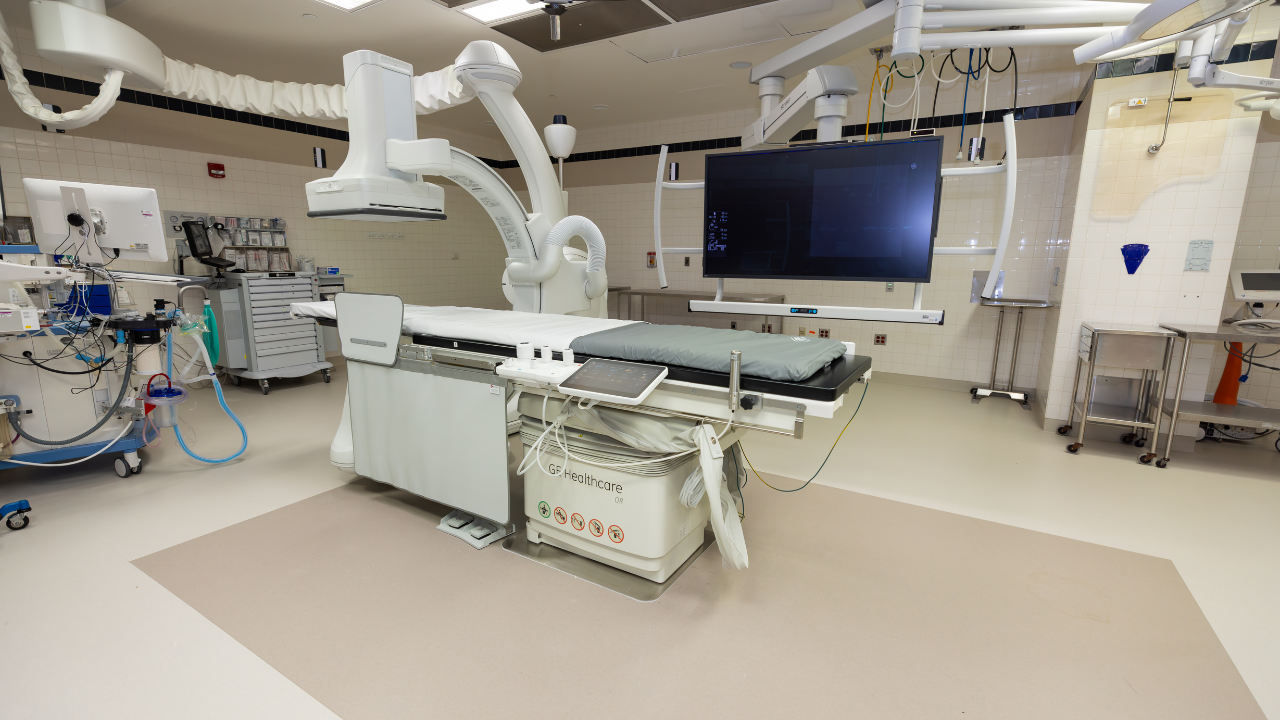
A hybrid operating room is a single space that combines the capabilities of an operating room, a cath lab and a vascular suite into one flexible, high-tech environment.
In simple terms, it allows your heart and vascular team to perform surgery and imaging at the same time, in the same place, without ever moving you.
By bringing together cardiac surgeons, vascular surgeons and interventional cardiologists with real-time imaging, we can offer:
- More minimally invasive procedures
- Safer care for complex conditions
- Better coordination between specialists
For patients, this means fewer transfers, fewer risks and more confidence knowing Cincinnati’s most experienced heart specialists are collaborating right beside you.
Procedures at UC Health
Overall, the hybrid OR expands what we can safely treat and how precisely we can treat it — giving patients more options, especially for complex or high-risk heart and vascular conditions.
Structural Heart Procedures
- TAVR (Transcatheter Aortic Valve Replacement): minimally replaces a narrowed aortic valve without open-heart surgery, reducing pain and speeding recovery.
- TMVR (Transcatheter Mitral Valve Repair/Replacement): treats mitral valve disease using catheters instead of large incisions.
- MitraClip: clips the mitral valve to reduce leakage, helping patients breathe easier and feel more active.
Complex Vascular Procedures
- EVAR (Endovascular Aneurysm Repair): minimally repairs abdominal aortic aneurysms.
- TEVAR (Thoracic Endovascular Aortic Repair): minimally repairs aneurysms in the chest.
- TCAR (Transcarotid Artery Revascularization): treats carotid artery disease, helping reduce stroke risk with smaller incisions.
- Peripheral artery revascularization: restores blood flow to arms or legs, often reducing pain and improving mobility.
- Hybrid vascular interventions: combines open and minimally invasive approaches in one procedure.
Advanced Cardiac Surgery
- Combined minimally invasive CABG + PCI:
- CABG = Coronary Artery Bypass Grafting
- PCI = Percutaneous Coronary Intervention
- Doing these together reduces the need for multiple procedures and speeds recovery.
- LVAD placement (Left Ventricular Assist Device): supports patients with advanced heart failure.
- ECMO (Extracorporeal Membrane Oxygenation): provides heart-lung support for critically ill patients.
- Complex and minimally invasive valve surgeries: benefit from real-time imaging and intra-procedure flexibility.
Coronary + Electrophysiology (EP)
- Complex/multivessel coronary revascularization: restores blood flow where multiple arteries are blocked.
- Laser lead extractions for implanted cardiac devices: removes old pacemaker or defibrillator leads with greater precision and safety.
Next-Level Technology in the Room
This isn’t just new machinery — it’s intelligent, integrated technology built to elevate patient safety and precision.
Technology Highlights
- AI-driven imaging chain: Enhances clarity so teams can make faster, more precise decisions.
- Advanced radiation dose reduction: Uses the lowest radiation needed while maintaining high-quality imaging.
- Laser-guided robotic gantry: Moves freely around you to capture the best angles without repositioning you or breaking sterility.
- 3D cone beam CT imaging: Provides real-time, 360-degree visuals for highly accurate navigation.
- Improved contrast and noise reduction: Creates sharper, safer images for complex procedures.
- Integrated echocardiography: Lets your team see the heart beating live during treatment.
- Ergonomic room design: Supports faster responses and smoother teamwork, which directly benefits patient safety.
Your care team can see more, do more and treat with unparalleled precision — all while keeping you comfortable and safe.
Why This Matters for Patients
The hybrid OR was built with one goal: better outcomes for you.
- Teams working together in one room: Your specialists collaborate in real time — no transfers, no delays.
- Greater precision through advanced imaging: Better visualization means safer, more accurate procedures.
- Improved patient safety: Fewer transitions reduce risk during critical moments.
- More minimally invasive options: Smaller incisions often mean less pain and faster healing.
- Shorter recovery times: Many patients return home sooner and resume daily life faster.
- Shorter hospital stays: Healing at home becomes possible for more patients.
- Faster return to the life you love: Whether it’s walking without pain or climbing stairs with ease, this room helps make it possible sooner.
Why This Matters for Our Teams
When clinicians have the best tools and environment, patients get the best care. For physicians, APPs, nurses, technologists and support staff, the hybrid OR elevates how we practice:
- Improved ergonomics and workflow: Allows clinicians to move efficiently and focus fully on patient care.
- A space designed for real-world practice: Co-designed with the teams who use it, ensuring it meets daily needs.
- Expanded imaging and overlay capabilities: Meaning more procedures can be safely performed at UC Health.
- Growth in hybrid procedural expertise: Strengthens collaboration and improves outcomes for complex conditions.