Innovation

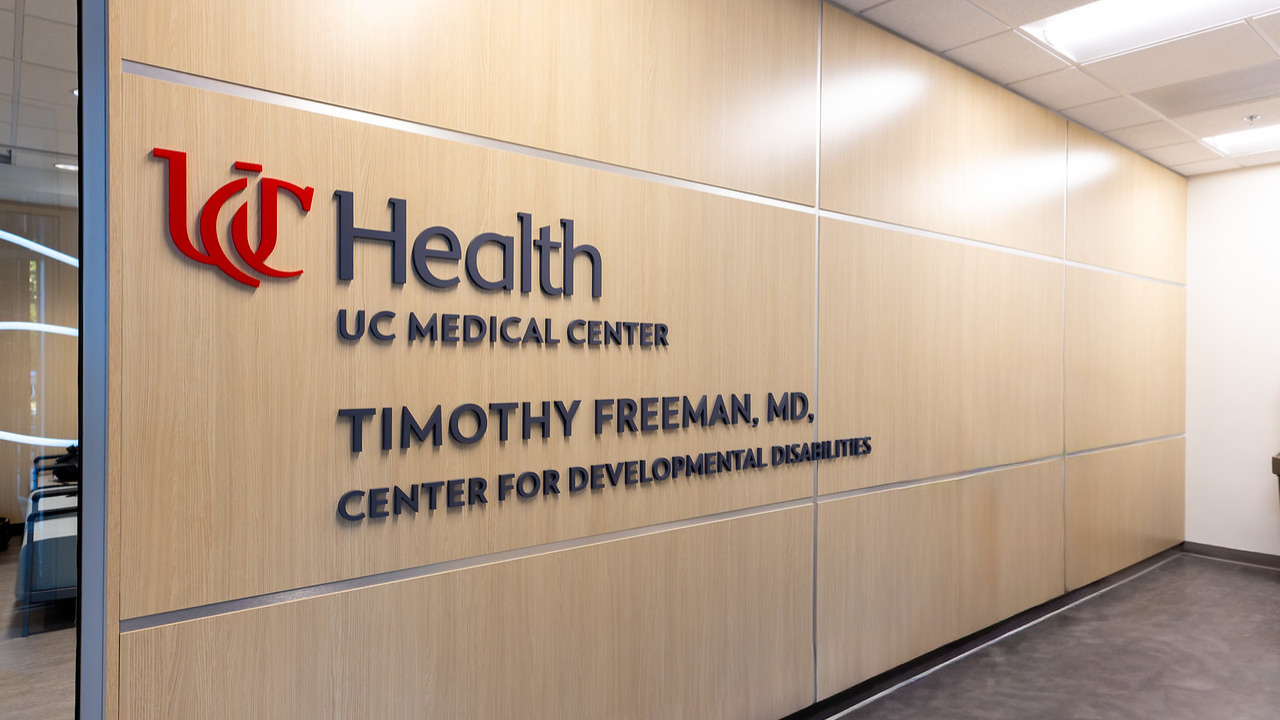
Opening Doors to Whole-Person Care: The Freeman Center for Developmental Disabilities

Sep. 24, 2025

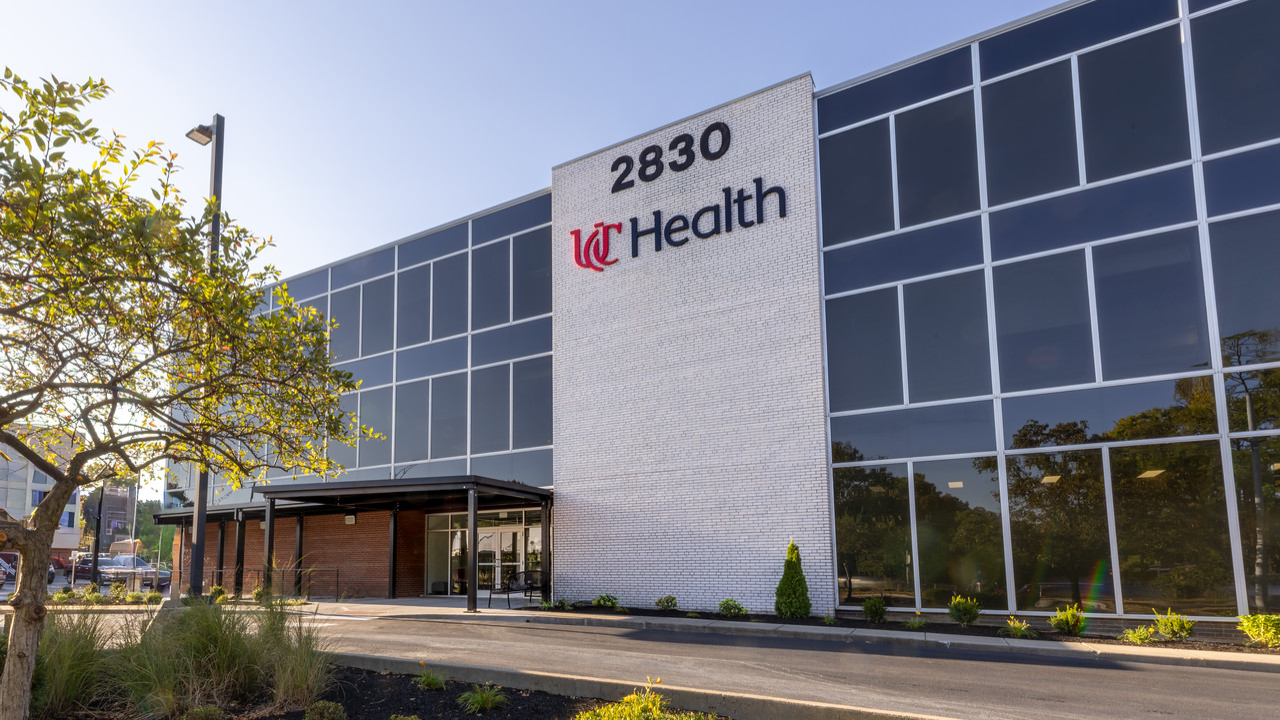
Now open at 2830 Victory Parkway in Cincinnati, the Timothy Freeman, MD, Center for Developmental Disabilities has moved into a 15,000-square-foot purpose-built facility—10× the size of the original clinic—shaped by patient and caregiver input.


Accessibility Meets Innovation

At the new Timothy Freeman, MD, Center for Developmental Disabilities, whole-person care is designed around how adults with developmental disabilities and their caregivers actually move through a visit. Purpose-built features translate into calmer visits and fewer delays: ten fully accessible exam rooms, two treatment rooms, and nine behavioral health rooms with natural light, adjustable blinds, and sensory supports; a quiet pause space with an adaptive, wheelchair-accessible scale; a dedicated sensory room; provider workrooms and a central team workstation to keep care plans in sync; private consult rooms for planning; a community room for learning and connection; an on-site lab; and a restroom with an adult-size changing table to preserve dignity. 
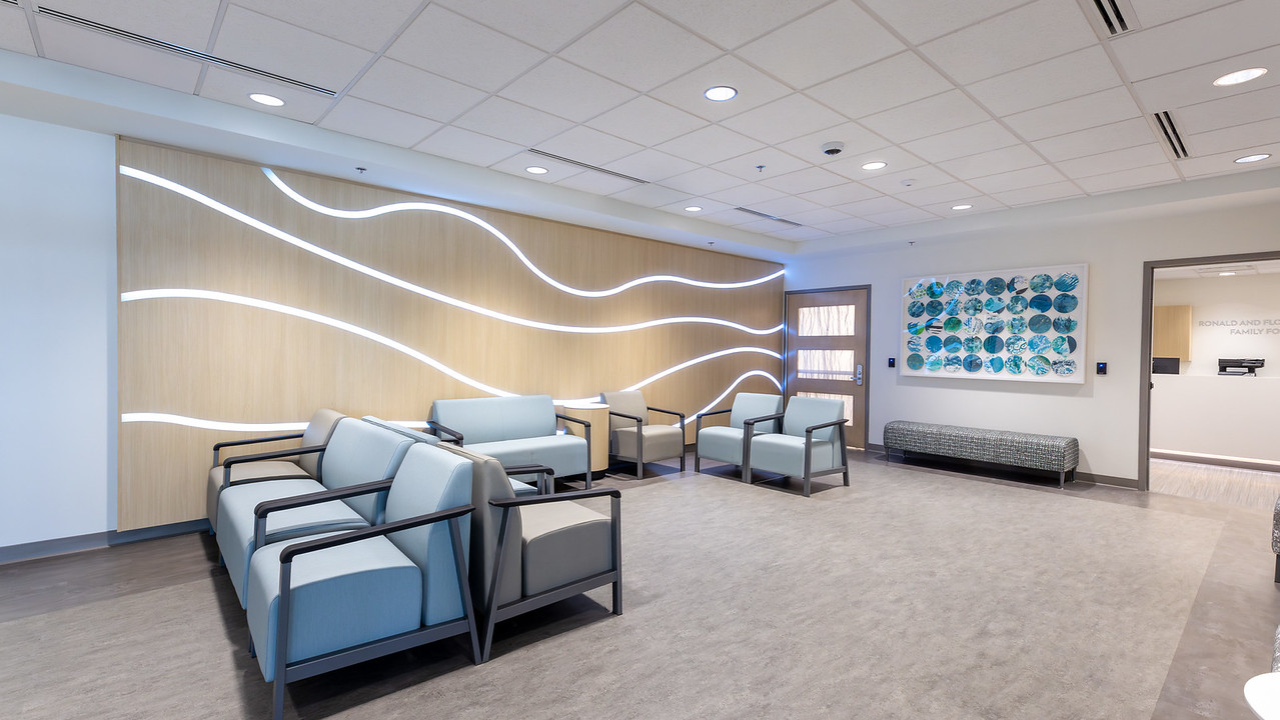
Lobby of the Freeman Center's patient lobby with couch and chair seating, light mural and patient artwork

The calm, welcoming first-floor space has a touchable light wall, a wheelchair charging station, dimmable lighting, and a mural created by patients, caregivers, and community members.

Integrated, Whole-Person Care

The Freeman Center brings many coordinated services together at our new location. Each patient has access to a team trained in developmental disabilities care—primary care physicians, psychiatrists, nurse coordinators, therapists, social workers, dietitians, and more. 
 
Lauren Wang, MD, is the Director of the Timothy Freeman, MD, Center for Developmental Disabilities. She shares, “Our backbone is primary care and behavioral health. We also bring in physical medicine, dietary support, mental health therapy, social services [and] community navigation.” 

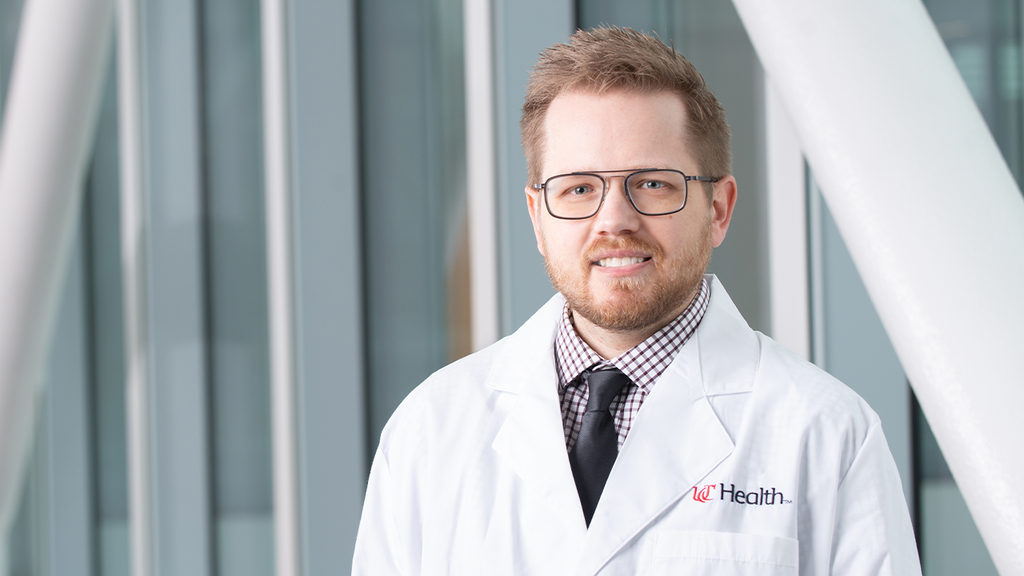
This model means a patient can receive a physical exam, counseling, and lab work—reducing trips, delays, and stress for families. “It not only improves patients’ ability to enjoy life, but also makes a big difference for families who have worked so hard to get care,” says Corey Keeton, MD, psychiatrist.

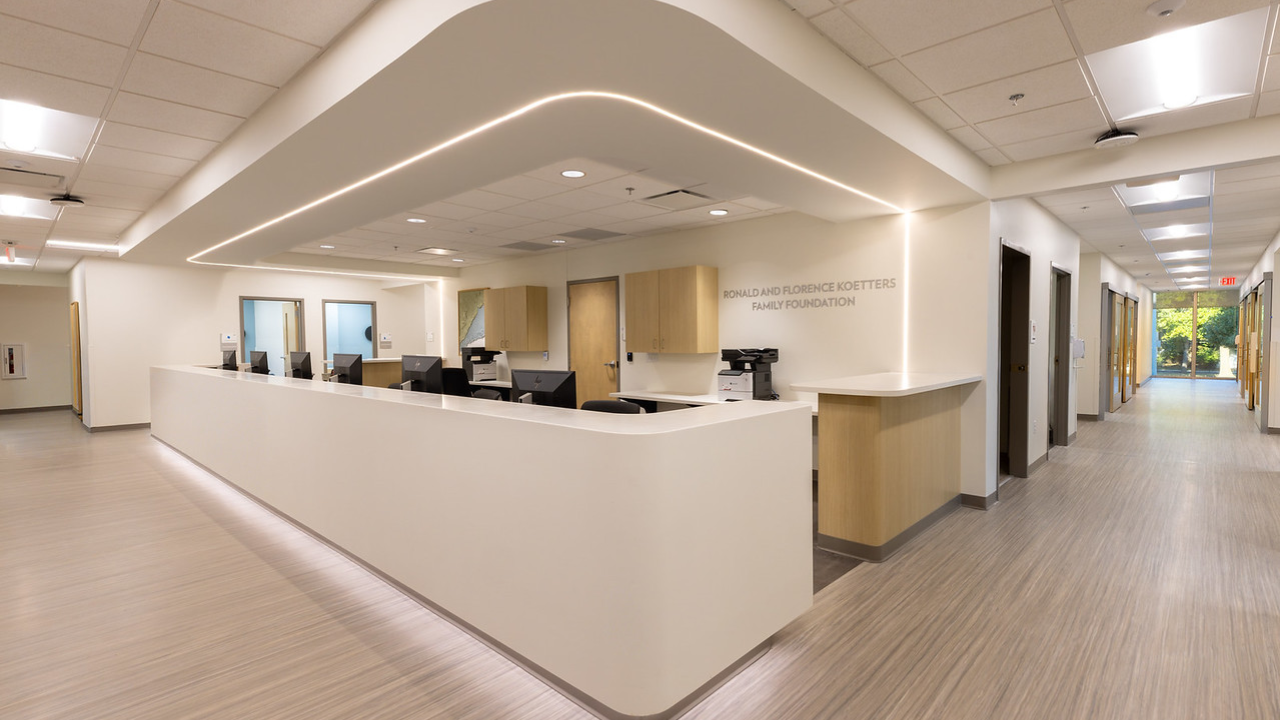
Freeman Center's nurse station showing a large, clean, centralized workstation with wide hallways.

A large, centralized workstation brings providers and specialists together to deliver real-time, coordinated care.

Accessible, Sensory-Friendly Design—With Dignity

The architectural, furniture, and other design choices go beyond compliance. They remove anxiety triggers, reduce logistical obstacles, and ensure true accessibility from door to exam room.

  • Sensory-friendly spaces with adjustable lighting, quiet “pause” areas, and a dedicated sensory room

  • Step-free entrances and ground-level parking for easy wheelchair access 

  • Extra-wide hallways and expanded exam rooms for caregivers, mobility devices, and equipment

  • Adult-sized changing station and a Hoyer lift for safe, dignified care

  • On-site lab testing and specialty consultation rooms 

  • A community room for caregiver workshops, patient education, and peer engagement 

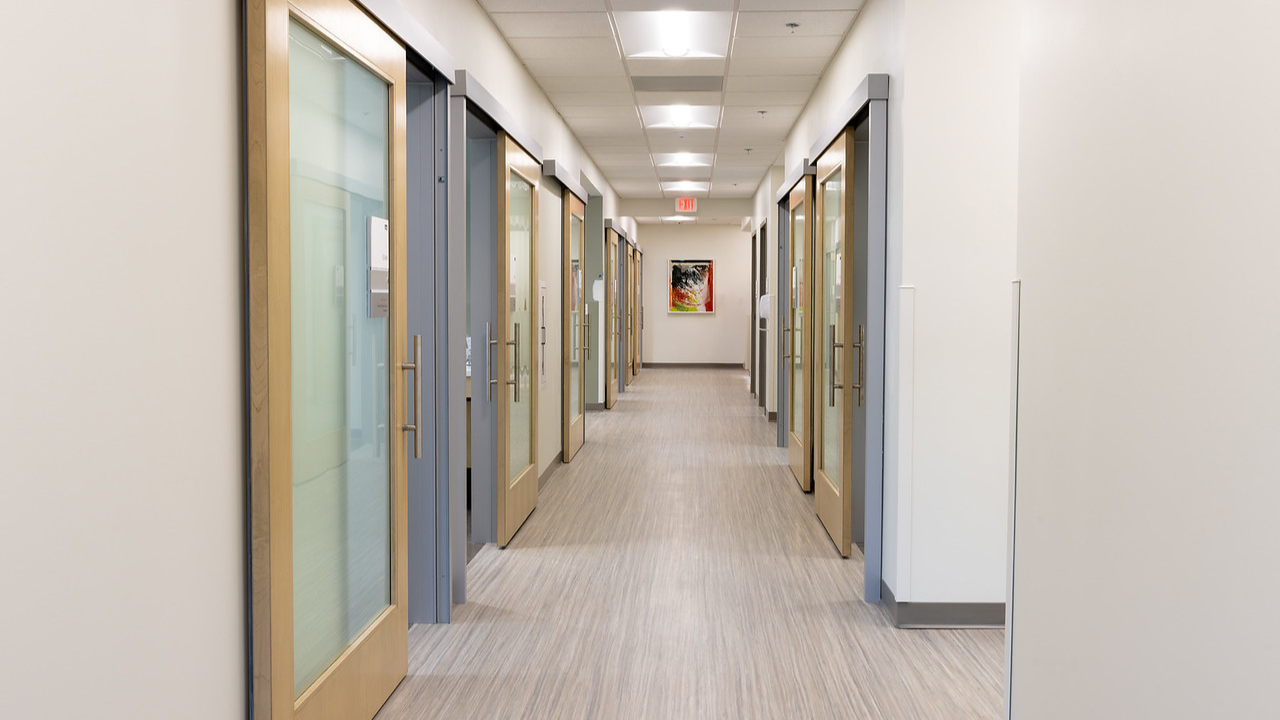
Extra-wide, clean hallways allow patients and caregivers to access spacious exam rooms at the Freeman Center in Cincinnati, Ohio.

Extra-wide, clean hallways allow patients and caregivers to access spacious exam rooms

Meeting a National and Local Need

Founded in 2022, the Freeman Center honors the late Dr. Timothy Freeman, who spent more than 30 years pioneering care for adults with developmental disabilities. He saw a persistent gap: when patients “age out” of pediatric systems, families often lose access to comparable adult services.

“This huge, underserved population of adults is transitioning from the pediatric system into adulthood without similar resources,” says Dr. Wang.

That gap drives health disparities—delayed diagnoses, fragmented treatment, and avoidable hospitalizations. The Freeman Center is changing that reality. Today, the team cares for 1,800+ adults with conditions including autism, cerebral palsy,  Down syndrome, and spina bifida. It is the region’s first and largest dedicated center for adults (18+) with developmental disabilities—and one of only a few in the nation focused on advancing health equity. Demand remains high: 500+ adults are on the waitlist, and thousands of adolescents with developmental disabilities are anticipated to transition from pediatric to adult healthcare over the next five years. 

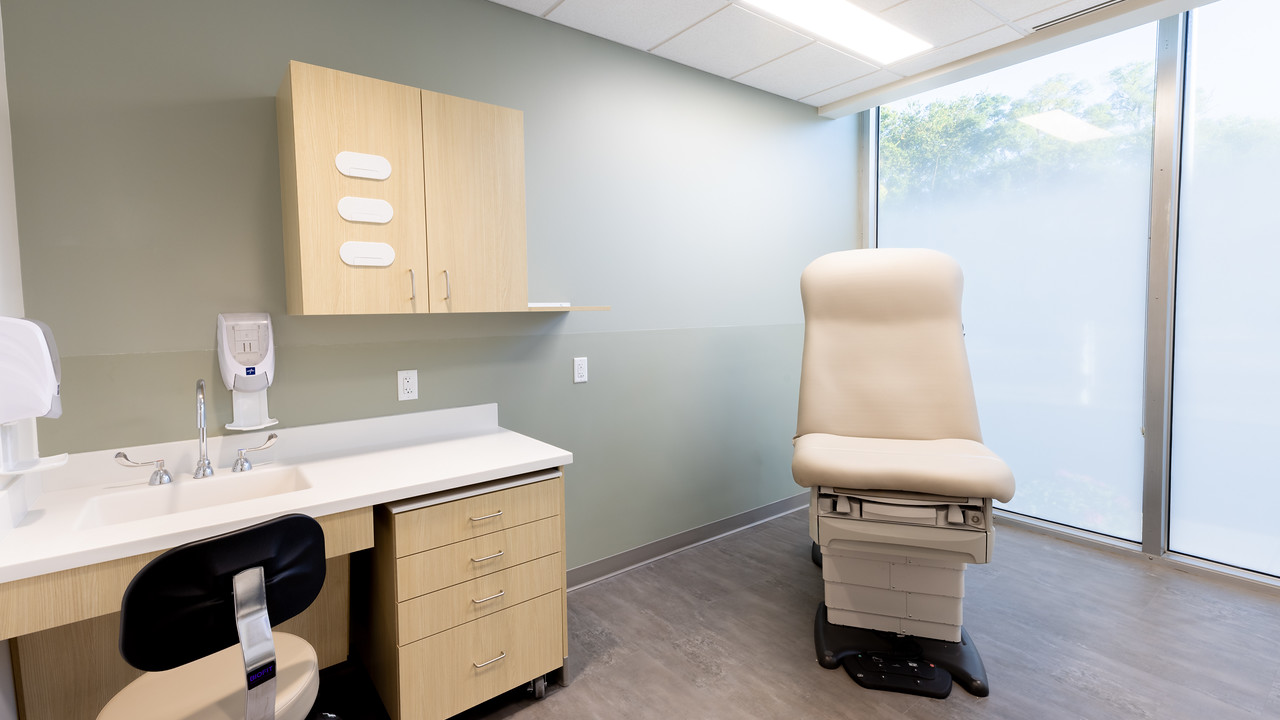
Exam room at the Freeman Center with natural light and adjustable exam tables

Exam rooms are intentionally designed for primary care visits with natural light and adjustable exam tables.

Training the Future—and Advancing Equity

UC Health is among the few academic health systems with a dedicated program for adults with developmental disabilities. We host one of the nation’s first Developmental Medicine fellowships focused on adult care, expanding the workforce and access nationwide.

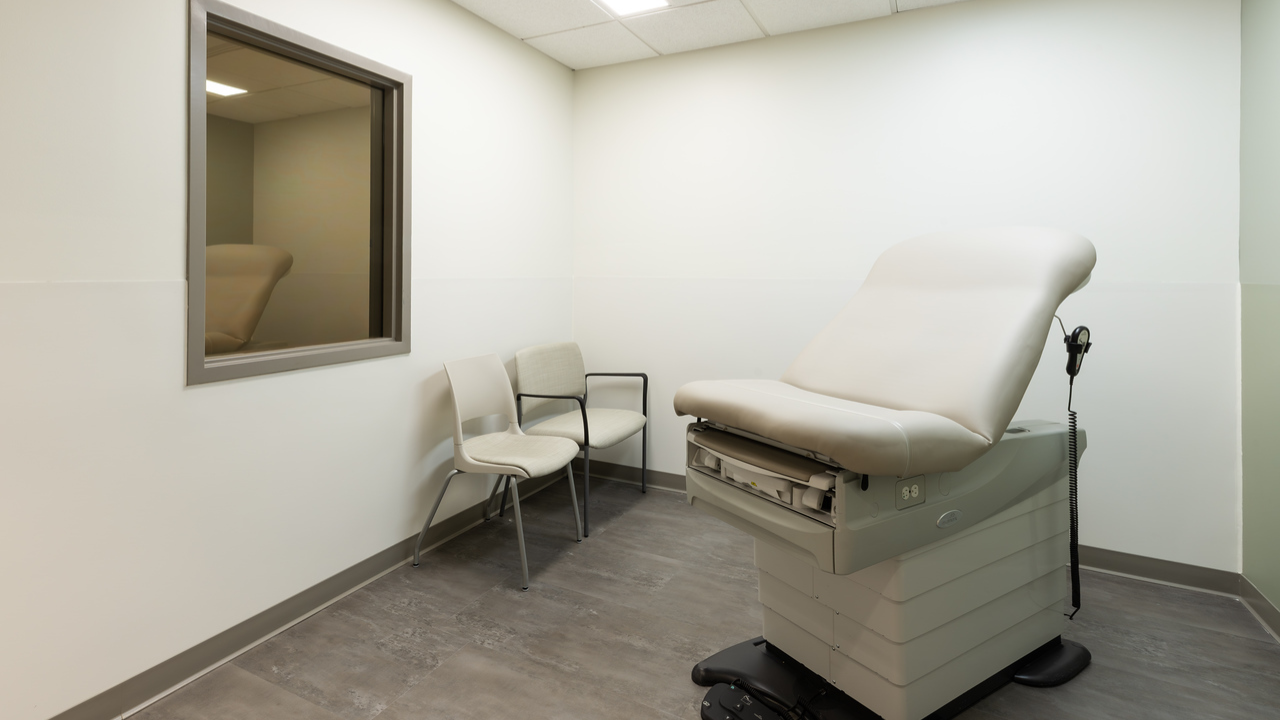
Observational room showing patient exam table and two chairs at the Freeman Center in Cincinnati, Ohio

With the patient’s approval, treatment rooms offer viewing windows for respectful observation by medical students and residents to further the Freeman Center’s educational mission.

How to Access the Freeman Center

The Timothy Freeman, MD, Center for Developmental Disabilities is now located at 2830 Victory Parkway Cincinnati, Ohio 45206. Patients can call us directly at 513-585-9009 for more information or to schedule an appointment.

The Freeman Center delivers inclusive healthcare built on dignity, respect, and understanding—so adults with developmental disabilities have the same opportunities for wellness, independence, and quality of life as anyone else.

Exterior of the Freeman Center, located at 2830 Victory Parkway in Cincinnati, Ohio 45206.

Adjacent to parking, patients can enter through the first-floor entrance at 2830 Victory Parkway in Cincinnati, Ohio 45206.

Featured Providers:

Primary Care
Practices: Family Medicine
Psychiatry & Behavioral Science
Practices:
x