Patient Stories

A lifetime of advocacy: how one mother's persistence helps her son thrive

Jul. 23, 2026

The Montes family’s journey highlights the need for specialized care—and how the Timothy Freeman, MD, Center for Developmental Disabilities supports families across Greater Cincinnati.


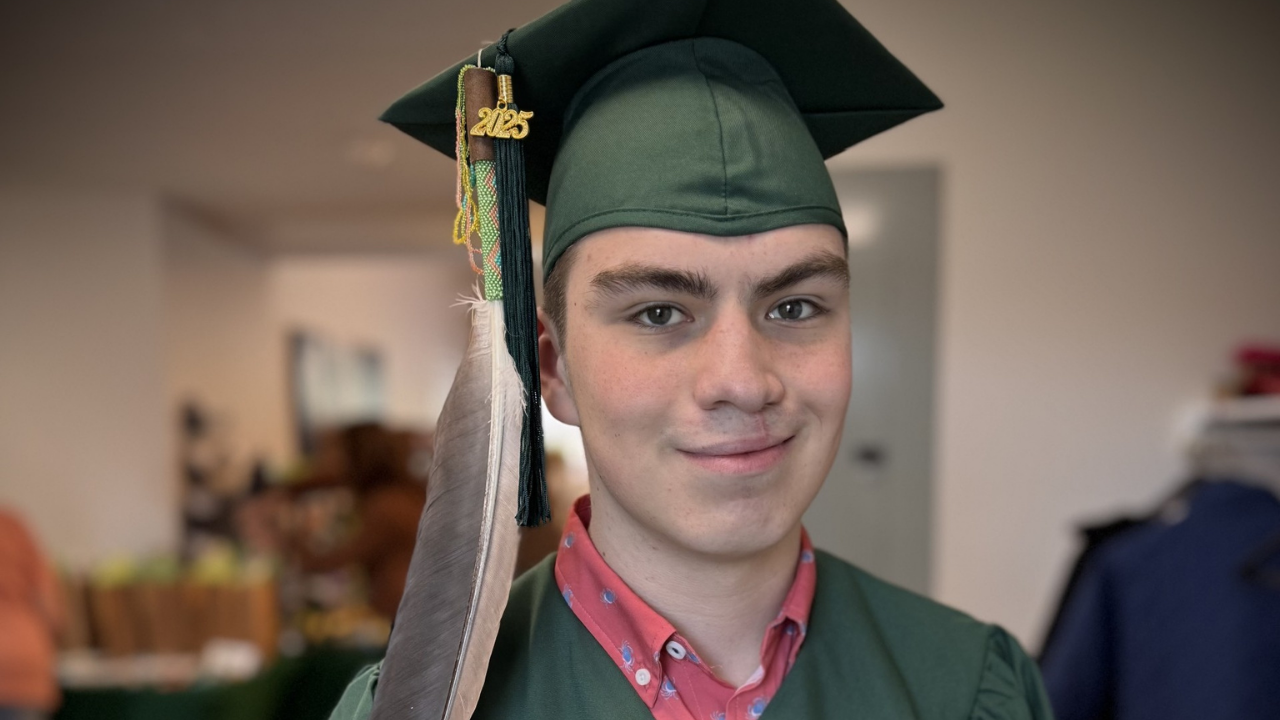
Deklan celebrates his high school graduation, proudly wearing his cap and gown adorned with a Native feather.

Deklan celebrates his high school graduation, proudly wearing his cap and gown adorned with a Native feather. | Photo provided by patient.

When Rochelle Montes talks about her son Deklan, she doesn't start with his diagnosis.

She talks about his love of robotics. His job scooping ice cream at a local business that employs people with disabilities. His creativity, intelligence and sense of humor. She talks about a young man who recently completed his first year of college and dreams of building robots.

"He is extremely intelligent," Rochelle said. "Academically, he's been testing off the charts for years. But people don't always understand that intelligence and developmental disabilities can coexist."

That misunderstanding has shaped much of their journey.

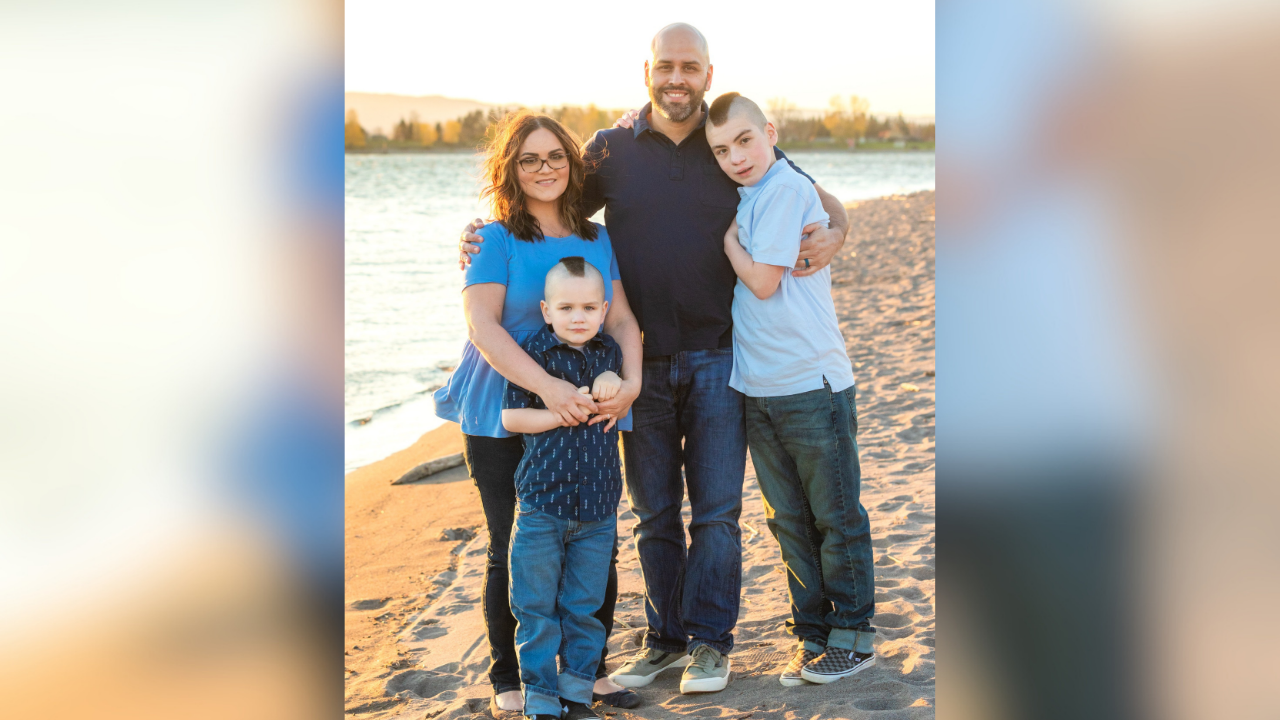
Deklan enjoys a family vacation with his mom, Rochelle, stepdad, Mark, and younger brother, Asher. | Photo provided by patient.

Trusting a mother's instinct

Deklan's healthcare journey began shortly after birth when he was born with a cleft lip and palate. Multiple surgeries and early intervention therapies became part of life almost immediately. But as he approached his first birthday, Rochelle began noticing signs that something more was going on.

As a first-time mother, she found herself paying close attention to developmental milestones and social interactions. While other children his age seemed naturally drawn to faces and social play, Deklan engaged with the world differently. He was curious, analytical and focused on understanding how things worked.

By 14 months old, he was missing significant speech milestones. Although he would not receive an official autism diagnosis until age two, Rochelle knew in her heart that additional support would be needed.

Getting that support was not easy.

When she first requested a referral to an autism specialist, her concerns were dismissed. Rather than accepting the answer, Rochelle trusted her instincts and continued advocating for her son.

"I realized very early on that I was going to have to fight for what he needed," she said.

That moment became a turning point.

"It gave me that 'mama bear' mentality. I learned that I would have to keep pushing forward and trust what I knew about my child."

Building a world that understands

Following Deklan's austism diagnosis, Rochelle immersed herself in learning everything she could.

She spent hours observing therapists and teachers, studying techniques and finding ways to help her son communicate and engage with the world around him. When she felt traditional approaches weren't meeting his needs, she sought additional tools and strategies.

But Rochelle's advocacy extended far beyond healthcare.

Throughout Deklan's school years, she worked to help others understand him. Rather than trying to change who he was, she focused on helping classmates, teachers and communities recognize his strengths and unique perspective.

Whenever Deklan entered a new classroom, Rochelle created presentations that introduced him to his peers, highlighting both the similarities and differences they shared.

"I didn't want him to have to change for the world," she said. "I wanted the world around him to understand who he was."

She also developed buddy programs that paired Deklan with classmates, helping foster friendships, inclusion and understanding. Over time, the student many people initially didn't know how to approach became one of the most popular kids in school.

"Everybody wanted to sit with him at lunch," Rochelle recalled with a smile.
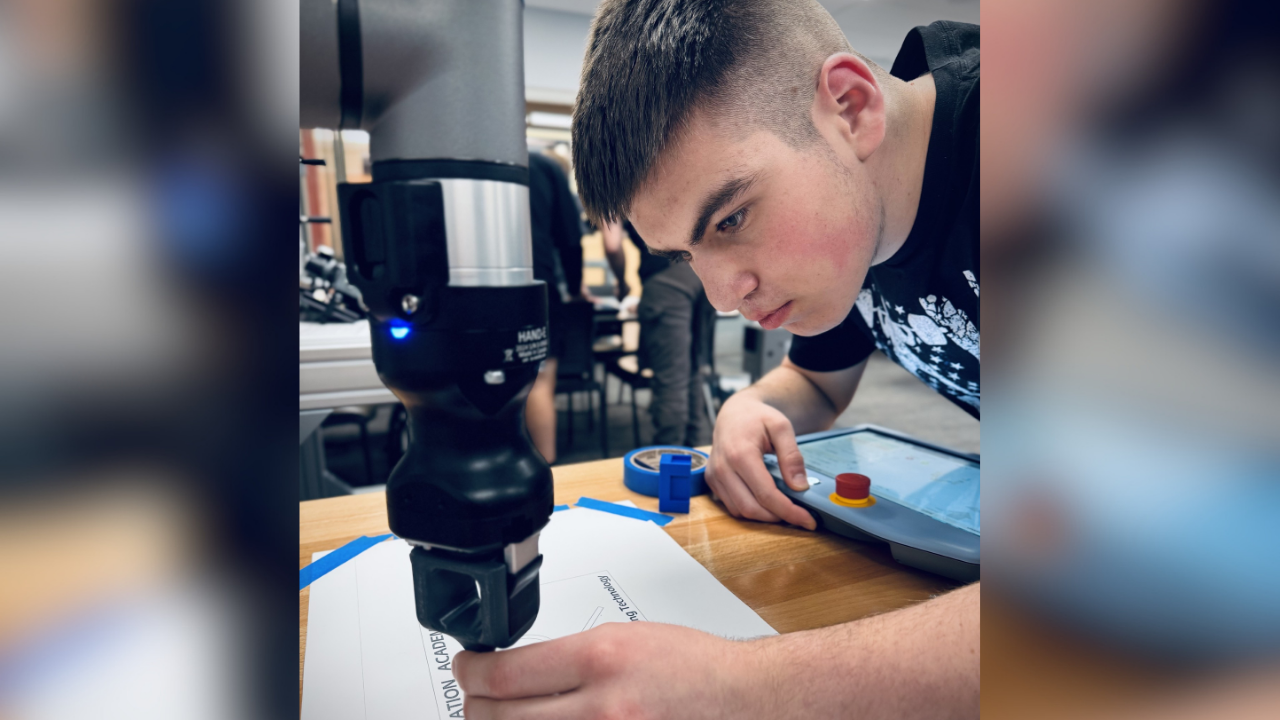
Deklan using a tool during class in the mechanical engineering program.

Inspired by his passion for robotics, Deklan enrolled in the mechanical engineering program at the University of Cincinnati Clermont. | Photo provided by patient.

Navigating challenges and celebrating successes

The road was rarely straightforward.

As a single mother for part of Deklan's childhood, Rochelle balanced work, caregiving and frequent challenges related to finding the right educational environment. Schools often struggled to understand the complexity of Deklan's needs.

While his intellectual abilities consistently exceeded expectations, his developmental needs required ongoing support and accommodation.

"It can be difficult because people see how smart he is and assume he's completely independent," Rochelle said. "What they don't see is the support he still needs every day."

Despite those obstacles, Deklan continued to thrive.

After completing high school through homeschooling, he enrolled at the University of Cincinnati Clermont, where he is pursuing studies in mechanical engineering with a focus on robotics.

Today, he balances college coursework with a job at Scoopable, an ice cream shop that creates meaningful employment opportunities for people with disabilities.

Finding a medical home at the Freeman Center

As Deklan transitioned into adulthood, Rochelle encountered another challenge familiar to many families of individuals with developmental disabilities: finding specialized healthcare designed for adults.

For years, she had been searching for a provider who understood the unique needs of adults with developmental disabilities and could provide comprehensive, compassionate care.

That search eventually led them to the Timothy Freeman, MD, Center for Developmental Disabilities.

For Rochelle, the experience has been different from anything they had encountered before.

"It's hard to describe what it means to finally find people who truly understand this population," she said. "For so long, we've had to explain, educate and advocate in every new setting."

At the Freeman Center, she found a team committed to understanding the whole person, not just a diagnosis.

The center's focus on adult developmental medicine provides something many families struggle to find: a medical home where patients are seen, understood and supported throughout adulthood.

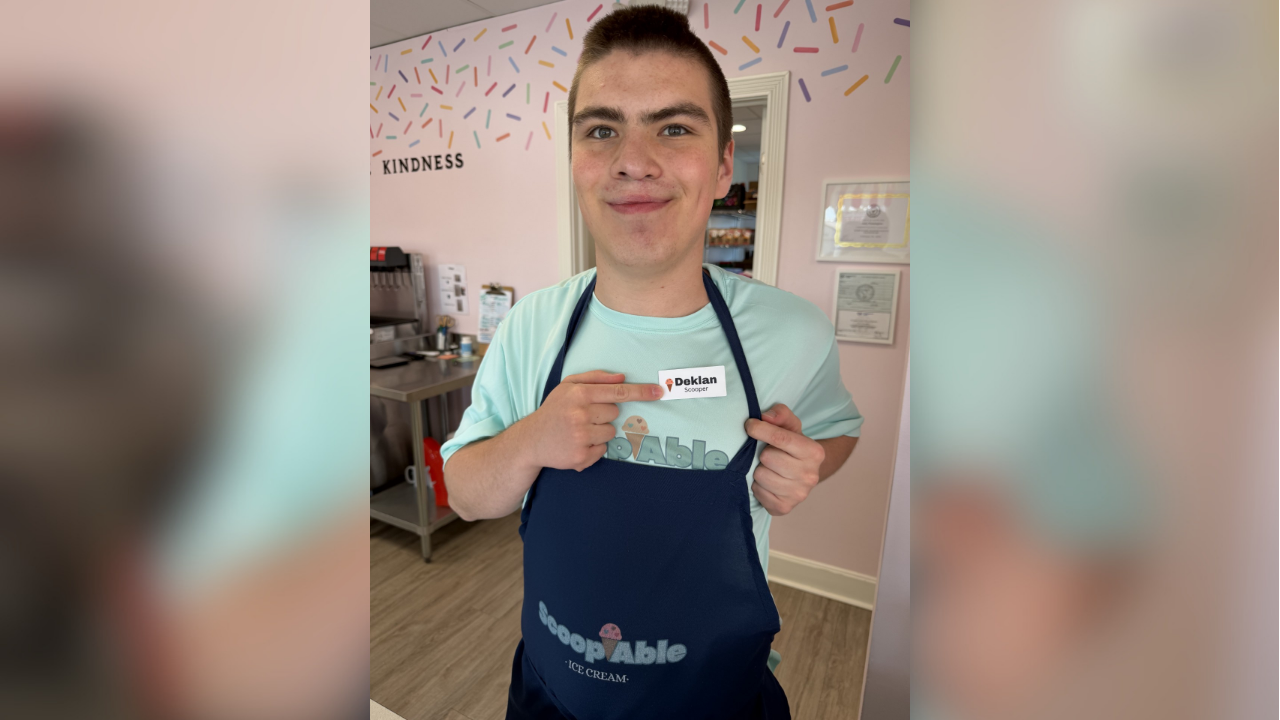
Deklan works at Scoopable, a local ice cream shop that creates meaningful employment opportunities for individuals with disabilities.

Deklan works at Scoopable, a local ice cream shop that creates meaningful employment opportunities for individuals with disabilities. | Photo provided by patient.

Looking ahead

Today, Rochelle continues to advocate not only for Deklan, but for greater understanding of developmental disabilities within the broader community.

Through social media, community engagement and everyday conversations, she shares their experiences in hopes of helping others better understand people like her son.

For Deklan, the future remains full of possibility. Whether he's studying robotics, working with customers at Scoopable or spending time building with LEGO® bricks and exploring new ideas, he approaches life with curiosity and determination.

And for Rochelle, every milestone serves as a reminder of what can happen when families refuse to give up.

"He's taught me so much," she said. "The biggest lesson is that people are capable of so much when they're given the opportunity, the support and the understanding they deserve."

For families navigating similar journeys, Rochelle hopes their story offers encouragement.

Advocacy can be exhausting. The road may be long. But sometimes the most important thing a parent can do is trust their instincts, keep asking questions and never stop believing in what is possible.

About the Timothy Freeman, MD Center for Developmental Disabilities

Part of UC Health, the Timothy Freeman, MD Center for Developmental Disabilities fills a critical gap for adults with developmental disabilities—an area where many families struggle to find consistent care as needs become more complex over time.

Its team-based approach supports the whole person, bringing together medical care with mental health support, dentistry and other essential services.

Current patients can call 513-585-9009 for appointment scheduling, ongoing support or help navigating changes in health or daily life.

x