Patient Stories

From Daughter to Decision-Maker: Katy’s Journey Through Trauma and Caregiving

May. 19, 2026

A sudden traumatic injury changed Katy and her father’s lives in an instant—leading them through critical decisions, intensive recovery and the ongoing journey of caregiving, resilience and hope.


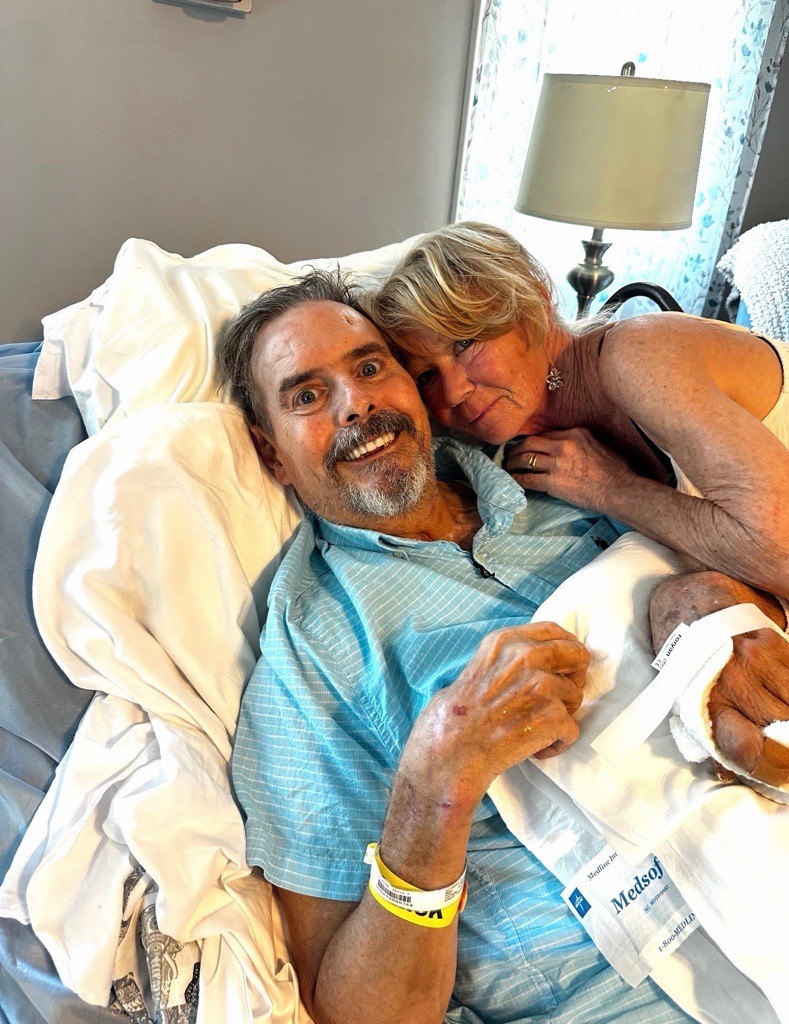
Chris Aldred with his wife in the University of Cincinnati Medical Center ICU.

Chris Aldred with his wife in the University of Cincinnati Medical Center ICU. | Photo provided by daughter, Katy.

  • After a devastating motor vehicle crash left Chris Aldred with life-threatening injuries, his daughter Katy was suddenly forced into the role of caregiver and medical decision-maker. 

  • Facing months in the ICU, difficult medical decisions and an uncertain future, Katy leaned on the expertise and compassion of UC Health’s trauma team to help guide her family through recovery. 

  • Today, Chris continues rebuilding his life after traumatic injury while Katy navigates the ongoing realities of caregiving, resilience and finding hope in small victories. 

At UC Health, our trauma and critical care team provides serious care for the most serious cases through every stage of recovery. Expect more. Call 513-594-6048.

 

The Call That Changed Everything 

When Katy got the call on December 12, 2024, everything changed. One minute, life was normal. The next, her dad was in a life-threatening crash. 

Chris Aldred was an independent, motorcycle-loving IT professional who spent more than 30 years working for the county. That night, on his way home from a holiday party, his blood sugar dropped. He lost consciousness behind the wheel and collided head-on with another car.

“He was able to get himself out,” Katy said. “But everything after that… it just spiraled.” 

After initial evaluation at another hospital, he was quickly transferred to UC Health, where the full picture came into focus: severe chest trauma, internal injuries, a shattered hip and massive blood loss.

From there, it was a race against time. 


Chris Aldred posing on his motorcycle in front of a cave prior to his injuries.

Chris Aldred, independent, motorcycle-loving, IT professional prior to his injuries.

A Role Katy Never Expected

Katy is a mom of two young daughters. She’s the kind of person who takes care of others without thinking twice.

But this was different.

“The next day, I just went into ‘now what’ mode,” she said. “Calling people. Updating family. You don’t even have time to process it.”

In the Surgical Intensive Care Unit, reality hit fast. Machines, alarms and more tubes than she could count overwhelmed the room. Her dad was connected to 14 IV lines, a ventilator and life support.

“When we saw him, he didn’t even look like himself.”

The doctors were honest. Clear. No sugarcoating.

“This is what we can fix. This is what we’re watching. The rest—we’ll see.”

It wasn’t easy to hear. But transparency helped me make decisions.


Making the Calls No One Prepares You For

As the days stretched into weeks, Katy stepped into a role she never imagined. 

“I had to make difficult decisions I never thought I’d have to make,” she said.


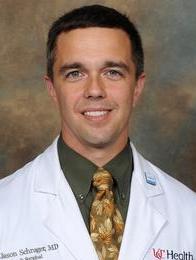
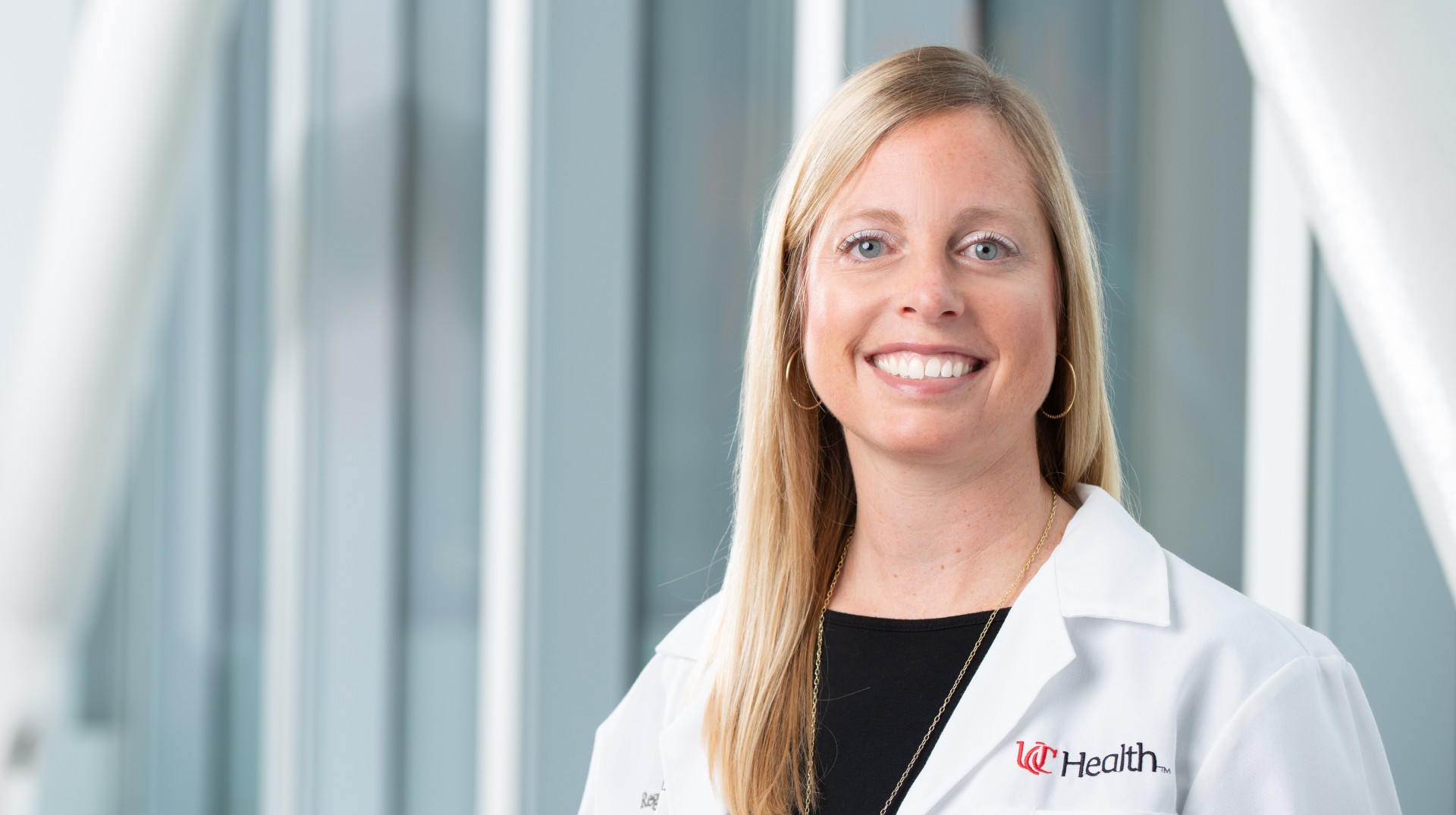
“Families are often asked to make incredibly difficult decisions in a short amount of time. Our role is to be honest, to guide them through what we know and to support them every step of the way.” Jason Schrager, MD


Her dad suffered multiple strokes—including one that affected his spinal cord—along with heart complications during his time at the IUC. He lost movement in his left arm and both legs. A tracheostomy procedure took away his ability to speak for a while.

“In these moments, you just decide,” Katy said. “It’s life or death. There’s no real choice.” 

But later, it hits.

“I knew he might be mad at me when he woke up,” she said. “It felt like I was taking pieces of his independence away with every decision.” 

Still, every choice had the same goal: get him strong enough to take back control.


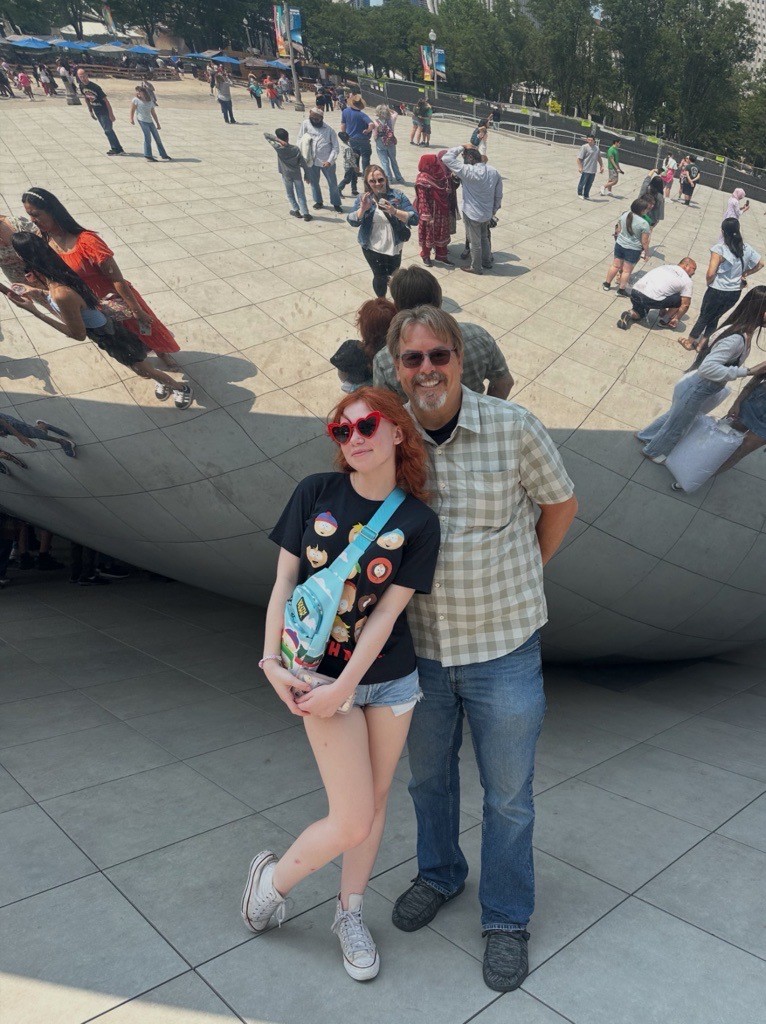
Chris Aldred with his daughter, Katy, in front of the Chicago bean.

Chris Aldred with his daughter, Katy, in front of the Chicago bean prior to his injuries.

The People Who Made the Difference

Katy is quick to credit the team that cared for her dad. 

The doctors. The nurses. The respiratory therapists. The people who showed up every day and didn’t just do their jobs—they took the time to connect with our family.


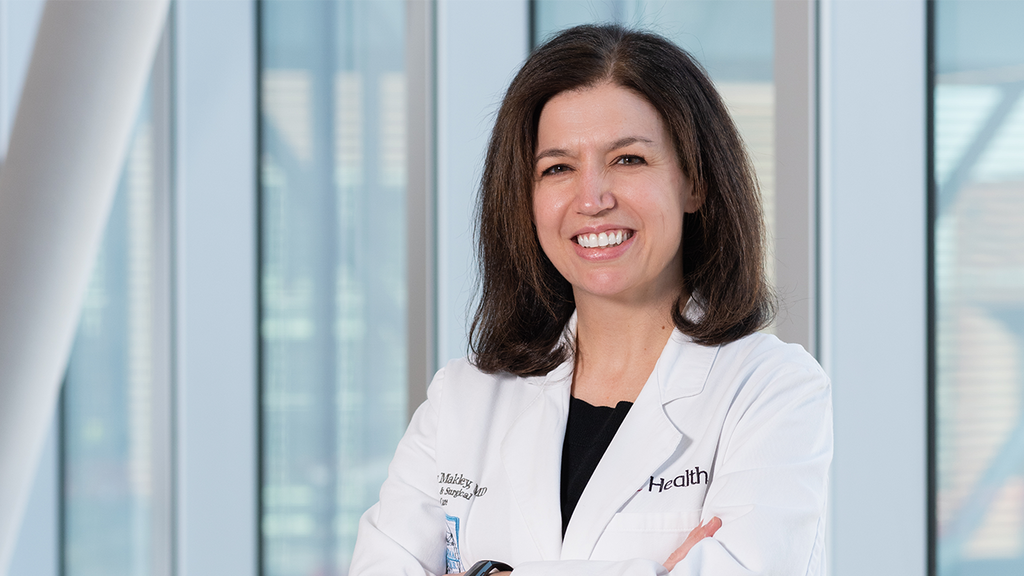
“Cases like this take a full team. From surgeons to ICU nurses to respiratory therapists, everyone plays a role. That coordination is what gives patients the best chance.” Amy Makley, MD


“They were honest while keeping us hopeful,” she said.

They explained things in real terms. Checked in without being asked. Stayed steady in moments that didn’t feel steady at all.

“It wasn’t just what they did,” Katy said. “It was how they did it. That level of care matters more than people realize.”


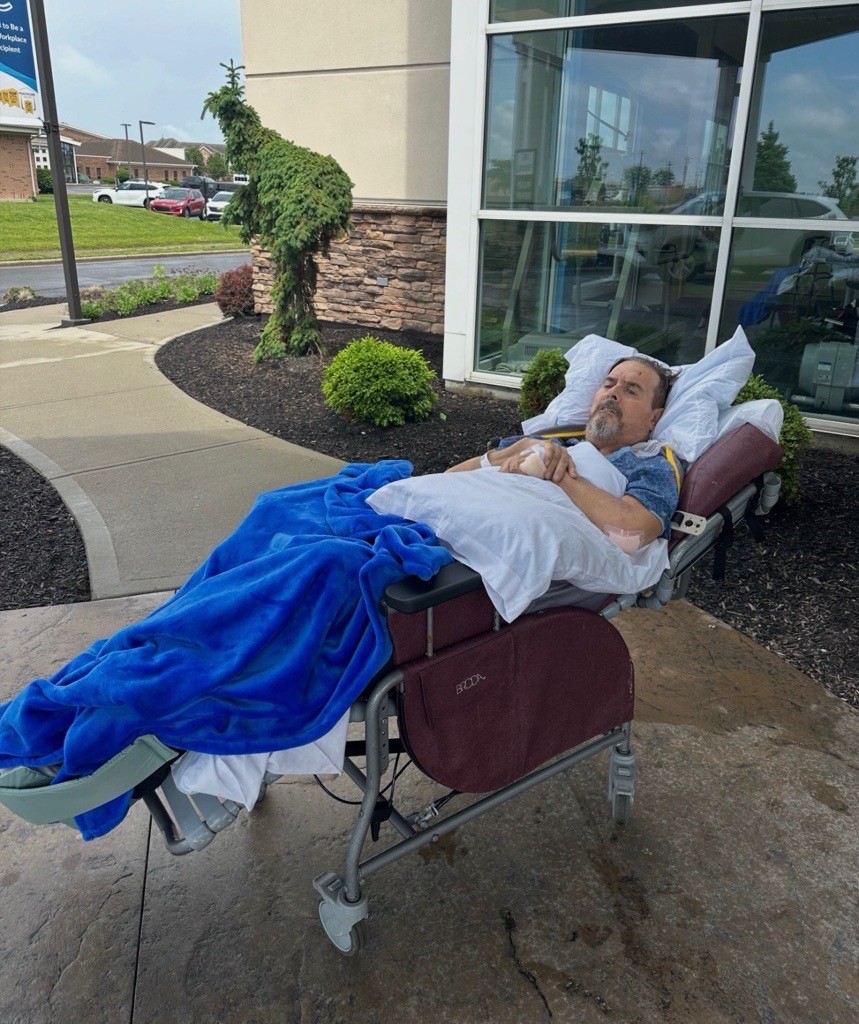
Chris Aldred enjoying the weather outside, post injury.

Chris Aldred the first time he felt the wind in his hair again after many days in the ICU.

“The first time he felt the wind in his hair again—that was everything. It sounds small, but it’s not.” Katy Daughter and Caregiver

Life, Just Different

Today, her dad is still recovering. 

He’s breathing on his own. Eating regular food. He’s regained the use of his right hand. But he’s also living with paralysis in his left arm and both legs. Life now includes a motorized wheelchair, home modifications and ongoing care.

“Life will never go back to what it was,” Katy said. “It’s a new normal for everyone.” 

And some days, that’s hard.

There are still hospital visits. Still setbacks. Still unknowns. 

But there are many wins, too.


The Part No One Talks About Enough

Caregiving doesn’t end when you leave the ICU. For Katy, it became part of everyday life.


“Trauma can happen to anyone, at any time.” Gina Menninger, RN, BSN Trauma Prevention and Outreach Coordinator


“Stories like this show why having the right team and resources in place matters—not just for patients in those first critical hours, but for the caregivers who support them long after the initial injury,” says Menninger.

Balancing her dad’s care with raising her kids, working and trying to take care of herself—it wasn’t easy.

Therapy helped. So did leaning on family and finding people who understood what she was going through.

“There are very hard days,” she said. “But we got through it together.”

Now, she’s starting to find space for herself again—time with her kids, friends and even a family vacation.


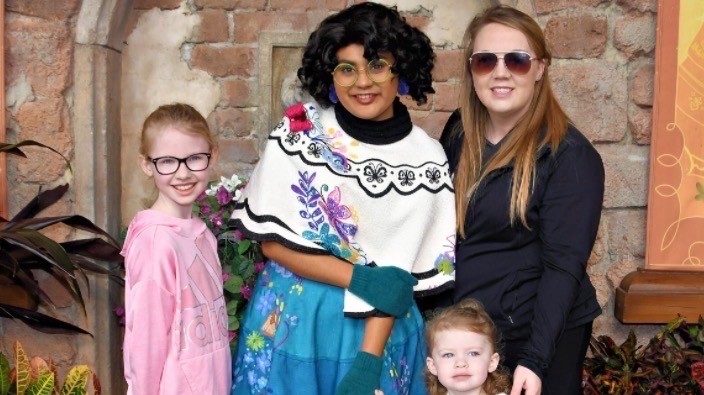
Katy, dauhter and caregiver of Chris, on vacation with her two daughters a couple of years after injury.

Katy on vacation with her two daughters in Disney, posing with Mirabel Madrigal from Encanto.

What She Wants Other Caregivers to Know

Take care of yourself, too. 

“You can’t be everything, every second,” Katy said. “You’re still a person.”

She advises caregivers to ask for help and build a support system and when you can, look for the good. 

“Even in the worst moments, there are small things that matter,” she said.


Why This Story Matters

Katy didn’t choose this path. 

“I was thrown into it in a singular moment that changed our lives,” she said. “A traumatic injury can happen to anyone.”

She’s grateful her dad ended up at UC Health—close to home and surrounded by a team that gave him a real chance. 

Their story isn’t over, but it’s moving forward.

And in a scary situation that could have ended very differently, that means everything. 


Support Makes the Difference

Recovery after trauma can be challenging, but no one has to face it alone. With understanding, encouragement and practical support, you can help your loved one navigate their path forward. Read a message from our patients to hear nine ways that helped them feel supported after a traumatic injury.

If you are a caregiver in need of resources or support, UC Health offers services to help you navigate this critical role. Reach out to your care team or employee wellness representative for more information.


Featured Providers:

Surgery
Practices: General Surgery , Trauma Surgery , Outpatient Trauma Care , Critical Care
Surgery
Practices: General Surgery , Trauma Surgery , Outpatient Trauma Care , Critical Care
Gina Menninger
Gina Menninger
RN, BSN
 
Lead Trauma Prevention and Outreach Coordinator
UC Health Trauma and Critical Care
x