Patient Stories

No Case Too Complicated: How Adam Became Seizure Free After 25 Years

Apr. 20, 2026

When Adam was told his seizures couldn’t be controlled, he turned to UC Health’s epilepsy experts. 


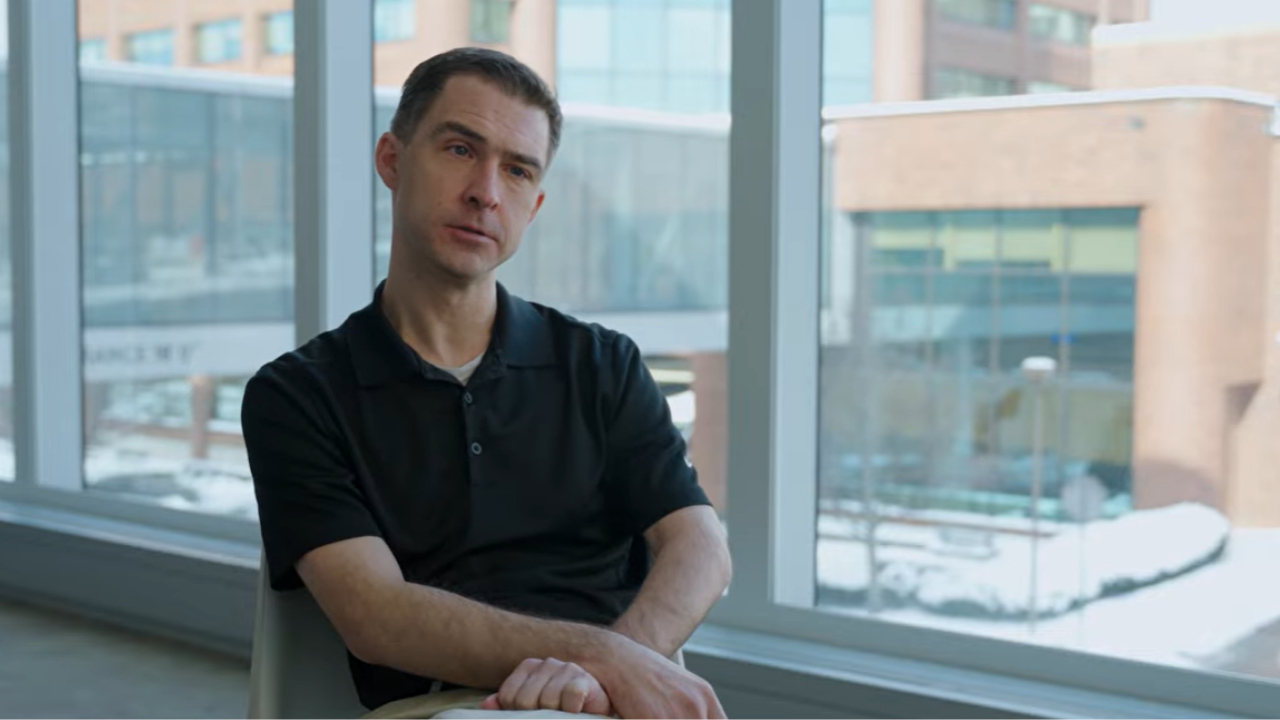
Adam Lickliter sits for an interview to share his Epilepsy story with UC Health in Cincinnati, Ohio

Adam’s shares his journey from relentless weekly seizures to seizure freedom after a series of groundbreaking surgeries and compassionate care at the UC Gardner Neuroscience Institute.

  • After managing weekly seizures for 25 years, Adam Lickliter sought a new treatment plan from UC Health so he could live a life of independence.
  • The epilepsy team at the UC Gardner Neuroscience Institute recommended Adam do things the UC Health way—their tried-and-true method based on their unmatched experience.
  • After three surgeries, Adam is now seizure-free and living life like never before.

At UC Gardner Neuroscience Institute’s Epilepsy Center, we are experts in epilepsy care. Expect more. Call 513-475-8730.

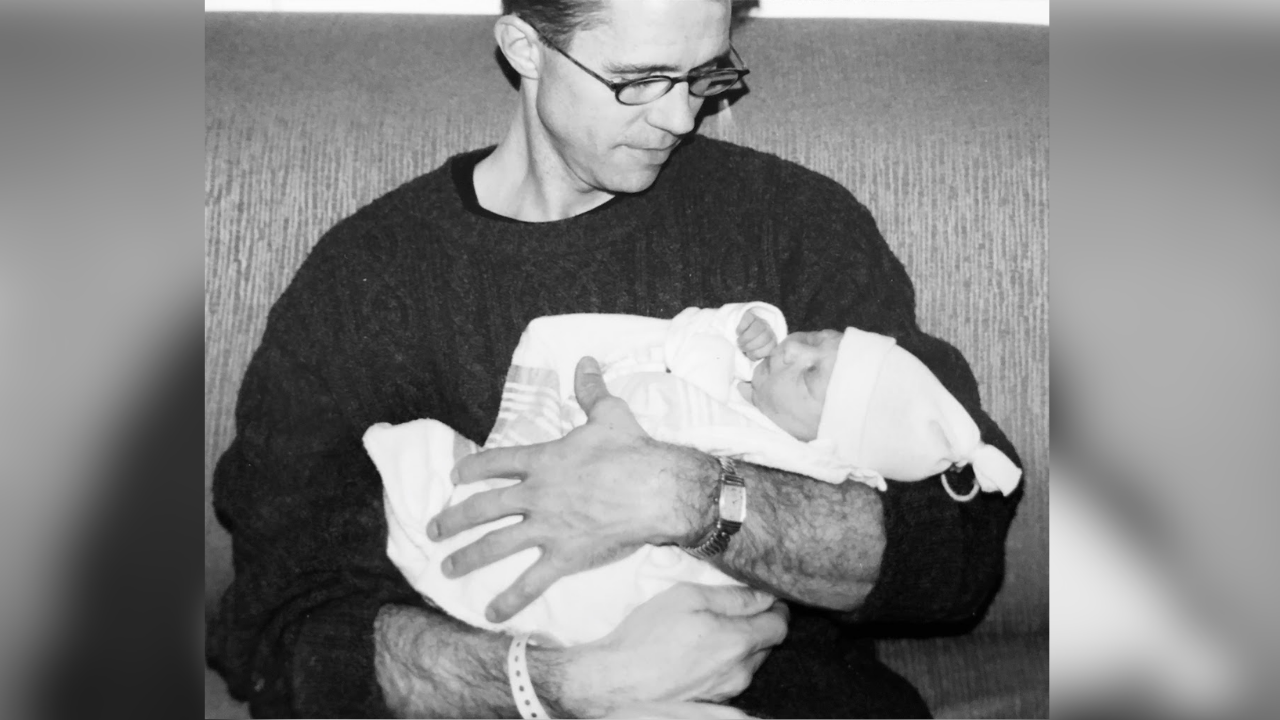
Adam's father holds him as a newborn. | Photo provided by patient

Adam's father holds him as a newborn. | Photo provided by patient

Born Into the Fight

Adam Lickliter’s story began before he was born. At just 26 weeks gestation, he suffered a stroke in utero. When he was born prematurely at 34 weeks, the outlook was uncertain.

“The physicians told my mother and father, ‘He may not live. We just don’t know,’” Adam recalled.

There was no roadmap. No clear plan forward. Just one piece of advice: take him home and love him.

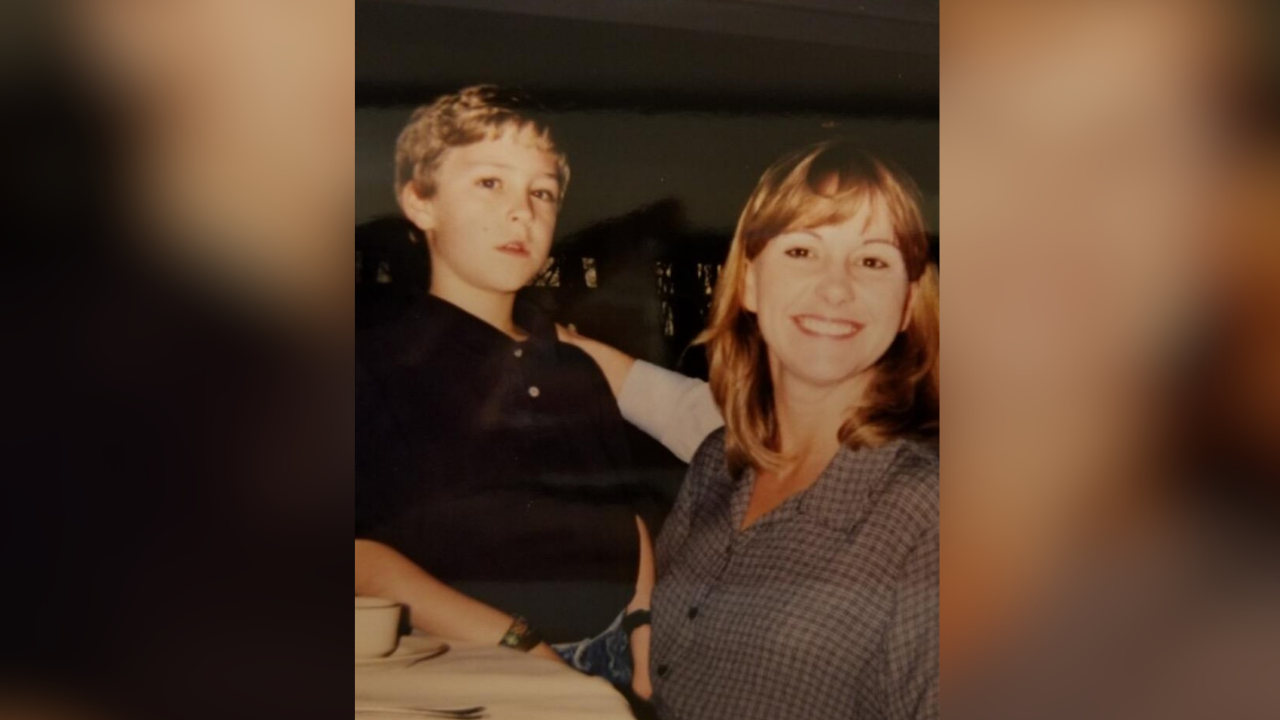
Adam and his mom as a young child

Adam is held by his mom as a young child. | Photo provided by patient

Shaped, Not Defined

Adam grew up in Indianapolis. He navigated simultaneous congenital hydrocephalus, spastic cerebral palsy and optic nerve damage—conditions that shaped his early life but never defined his determination.

“Childhood was great, but it was also awkwardly weird,” he reflects. “You felt very loved, but you also felt like you were awkwardly not wanted.”

By adolescence, another challenge emerged. As predicted by his medical team, epilepsy entered his life at age 12—and for years, it would define what was possible. For more than two decades, Adam lived with relentless seizures.

Ten medications. A vagus nerve stimulator. More than a dozen procedures. Still, the seizures continued.

“I began college at Butler University studying Media Arts, then transferred to Ball State University to pursue Sport Administration starting my sophomore year, where I also worked on-air at the campus radio station WCRD 91.3, and managed both the Football and Men's Volleyball programs. The competitive drive of Indiana sports, basketball especially, taught me to compete with everything I had—even against the unseen challenges inside my own brain,” said Adam.

Still, the impact cast a shadow over his life.

“I wasn’t able to drive. I wasn’t able to fully have a job. I wasn’t able to be independent,” Adam says. “You live with every side effect under the sun.”

Eventually, after years of care in Indianapolis, he was told there were no more options.

Adam refused to accept the answer.

“I knew that if I didn’t do something, for myself and for my family, life was going in a way that nobody deserved,” he says.

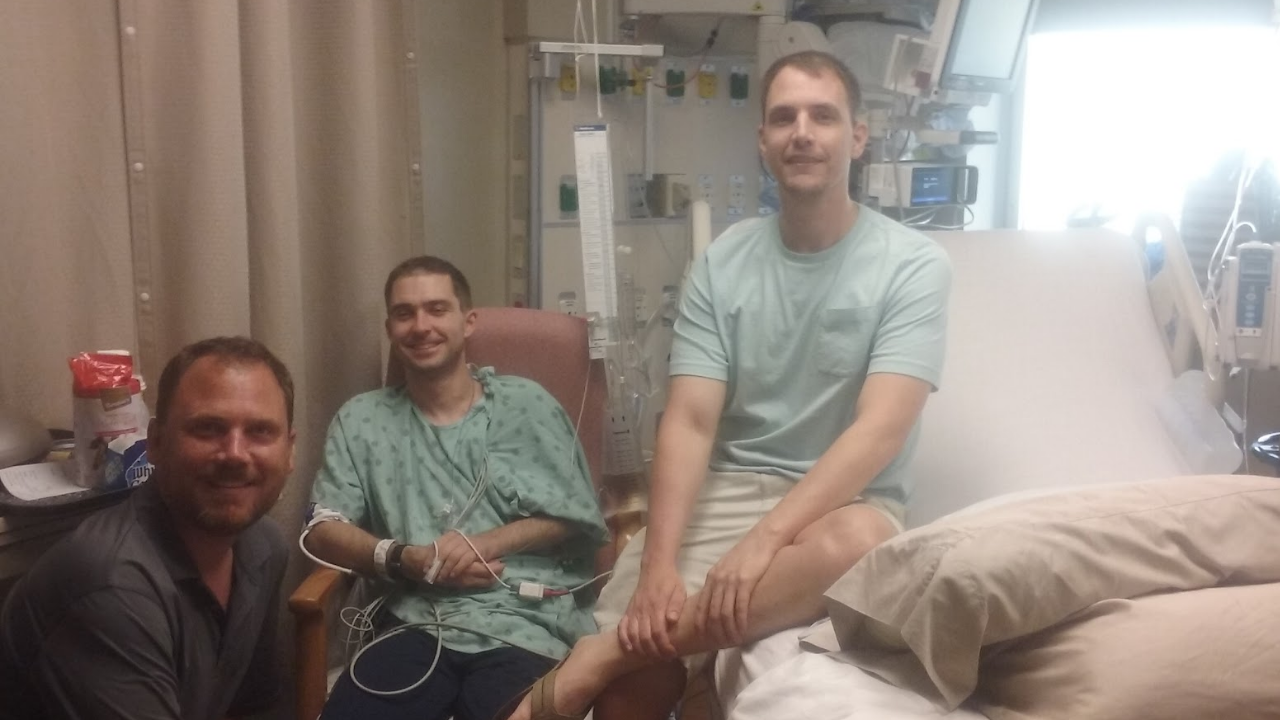
Adam is visited by friends in the hospital in 2019

Adam is visited by friends in the hospital in 2019. | Photo provided by patient

Choosing Something Different

Needing a breakthrough, Adam looked outside of Indiana for care, which led him to Cincinnati and UC Health.

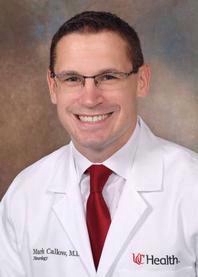
“When I met Adam, he was, on average, having weekly seizures for over two decades,” says Mark Callow, MD, epileptologist at the UC Gardner Neuroscience Institute. “That’s an extreme amount of seizures.”

At UC Health, Adam immediately felt a difference. Dr. Callow not only treats epilepsy, but he lives with it.

“I got into this business because I also have epilepsy,” he says. “I can tell patients that it’s going to be okay. I’ve been through it.”

That shared experience built trust—but Adam’s case would require something more: a team willing to take on a tough case. Early in their conversations, Dr. Callow set the expectation.

“He looked me in the eye and said, ‘We can help you, but you have to do it our way,’” Adam recalls.

That “way” meant redoing many tests and steps and embarking on a new path. It’s the way a team of experienced specialists, all working together, does things.  

“I said, ‘It’s going to be a long road,’” Dr. Callow explains. “And to Adam’s credit, he jumped up and said, 'Yes, let’s do it.”

“I don’t want to do it any other way,” Adam recalled with determination in his eyes.

With that agreement, Adam's breakthrough was on the horizon. 

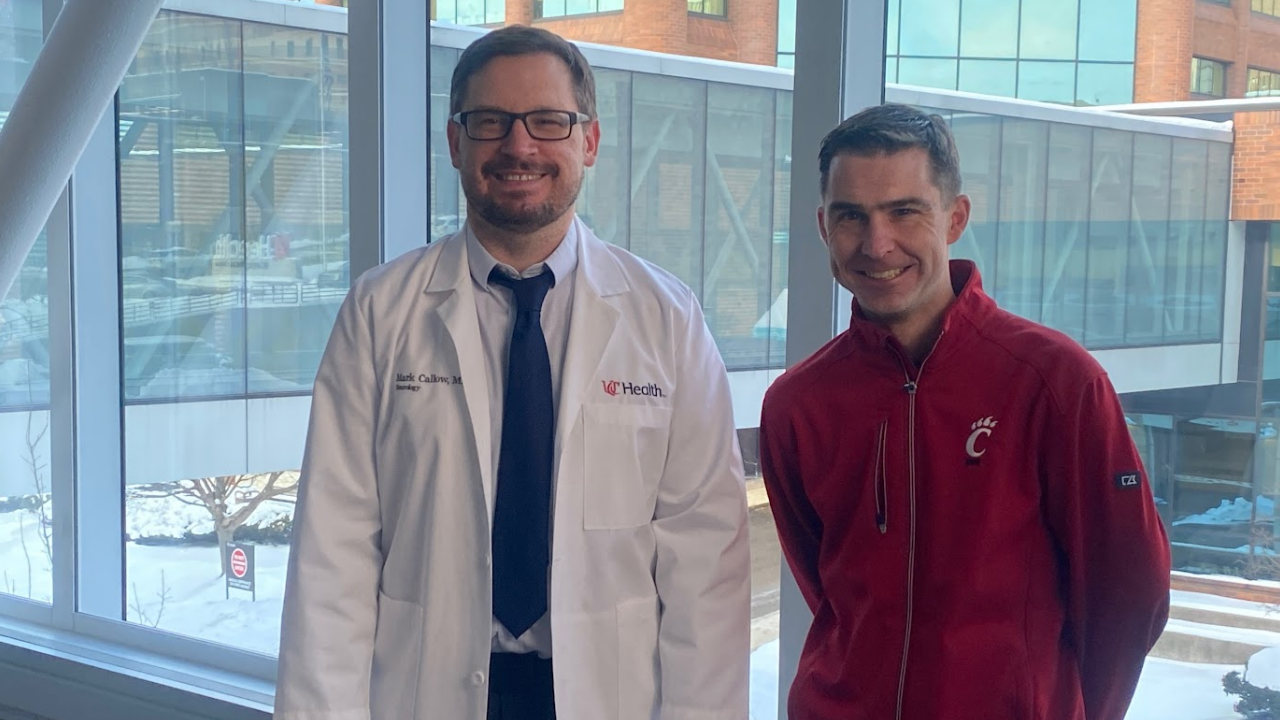
Dr. Callow and Adam stand together for a photo at UCGNI in Cincinnati, Ohio

Determined to regain his independence, Adam put his trust in Dr. Callow and the team at UC Gardner Neuroscience Institute. | Photo provided by patient

The Region’s Most Comprehensive Epilepsy Care

Adam’s care was led by the UC Gardner Neuroscience Institute’s Epilepsy Center, the most comprehensive epilepsy program serving Cincinnati, Dayton and Northern Kentucky. Designated as the region’s only adult Level 4 center by the National Association of Epilepsy Centers, the program offers the highest level of care available.

Adam’s case wasn’t too complicated for UC Health. They were ready, thanks to the team's deep bench of specialists.

With decades of experience performing epilepsy surgery, the center brings together a team that includes neurologists, neurosurgeons, neuropsychologists, neuroradiologists and specialized technicians working together to solve the most complex cases.

“We’ve been doing epilepsy care here for about 40 years,” Dr. Callow says. “When you have a dozen smart people working together, you can come up with new approaches for patients who really need it.”

For Adam it meant finally getting answers. Answers to propel his life and independence forward.

Three Surgeries. One Goal.

In January 2024, Adam underwent a stereotactic EEG (SEEG) surgery that mapped seizure activity deep within his brain. The findings were complicated: seizure activity coming from both the right frontal and temporal lobes, the areas responsible for emotion, memory and decision-making.

Without the right treatment, his condition would continue to worsen.

“We want to be aggressive,” Dr. Callow says. “If we let this go on, everything gets worse - seizures, memory, cognition.”

Adam chose to move forward.

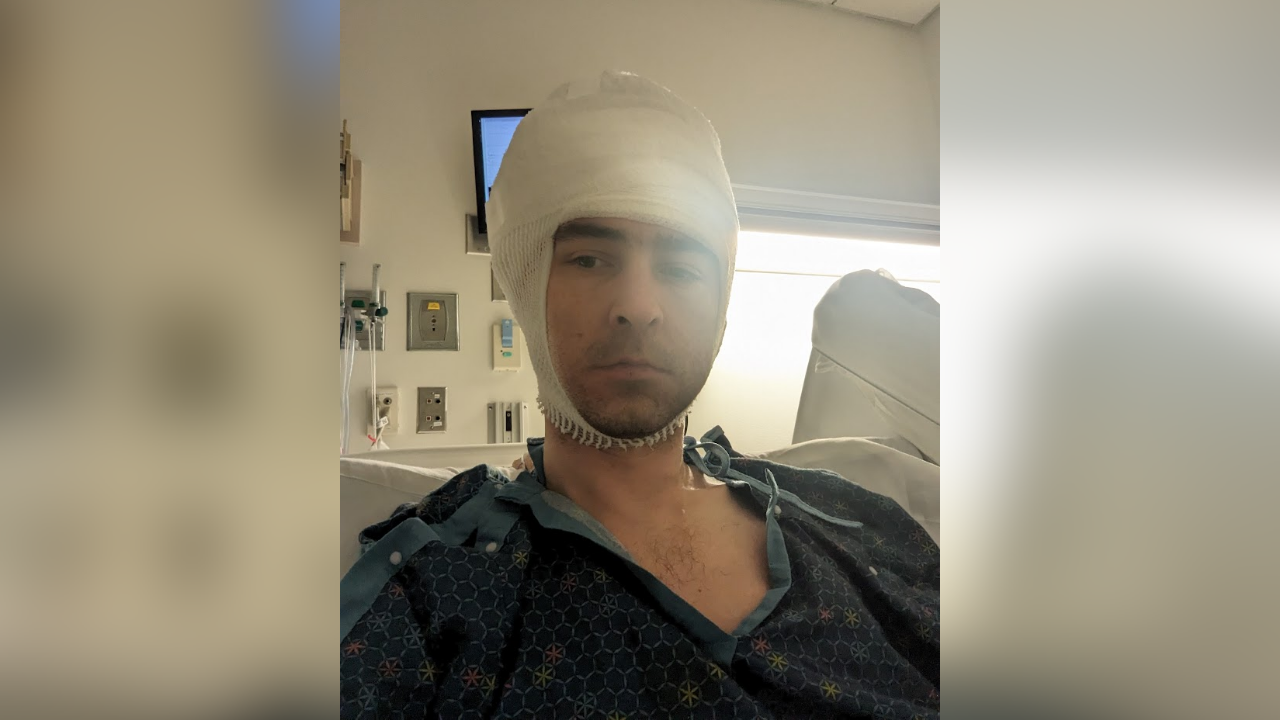
Adam recovering after SEEG procedure at UCGNI in Cincinnati, Ohio

Adam after his SEEG procedure. The procedure is used to pinpoint precisely where seizures begin and helped Adam's care team build a treatment plan. | Photo provided by patient

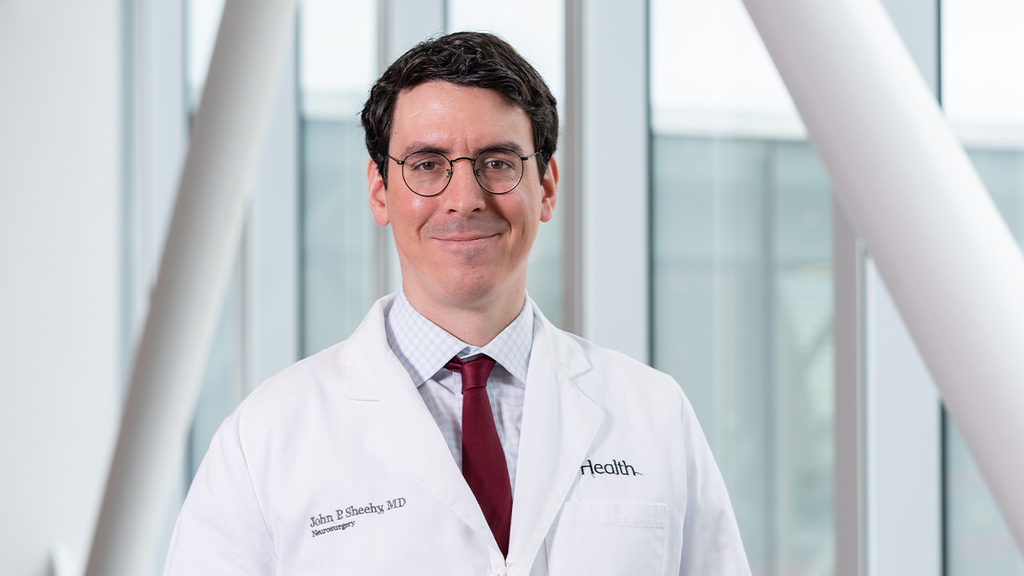
John Sheehy, MD, an expert functional neurosurgeon at UC Health confidently mapped out a surgical plan for Adam.

In May 2024, Adam underwent his next brain surgery - a frontal resection in the first stage. In the fall, a temporal lobectomy

Adam’s surgeon, Dr. Sheehy said, “When we talk about removing a part of the brain to improve someone’s life, there are naturally a lot of questions. We had long discussions about the best path forward. Adam is a fighter. I’m honored by the trust he put in us and thrilled that he has done so well.”

For Adam, the experience was life-changing.

“I’m humbled,” Adam said, swelling with gratitude. “They went into my brain three different times,” he says, “and gave me a chance to start over.”

A New Chapter for Adam

In October 2024, after his final surgery, something remarkable happened. The seizures stopped.

“For the first time since I was 12, my brain was at peace,” Adam, now in his 30s, recalled.

Dr. Callow sees this transformation every time Adam returns for his check-up appointments.

“When Adam walks in the door smiling, you know everything went exactly according to plan,” he says. “He’s living better than he ever has.”

Today, Adam is rediscovering life on his own terms.

“Not having to live a shell of myself is pretty wild,” he says.

Emotions that once felt out of reach—independence, clarity, peace—are now part of his everyday life.

“I can go now confident that I’m just going to have a day,” Adam said. This includes the confidence of attending a baseball game, his favorite sport, without having to worry about having a seizure.

Adam’s journey has evolved into a mission. A lifetime of medical adversity has become a purpose-driven mission. Adam’s story now centers on resilience, connection, and using sport as a platform for impact.

Adam has begun working with UC Health’s Epilepsy Learning Health System, one of a small number nationally. In a learning health system, researchers and doctors collaborate more closely to accelerate the transition of knowledge from the laboratory to the exam room. Our team identifies real issues, such as medication adherence, that hinder patient improvement and forms new research questions.

In addition, Adam was recently inducted into the second class of the Epilepsy Foundation’s Research Ambassador Program and will continue working with the organization on future national advocacy, especially in Ohio and Indiana.

“After 25 years of living with relentless neurological challenges, my brain sent constant warning signals that once felt like threats to my clarity and presence. The 2024 surgeries at UC Health changed everything - those warnings became a call to fight harder, show up fully, and tap into a deeper neuroplastic resilience. Today, that same competitive fire fuels my commitment to transform adversity into connection, purpose, and momentum for others facing neuro‑challenges.”

Through storytelling, Adam’s Army, and a growing platform linking sport, hospitality, and community, Adam is expanding his work into a movement. His mission is to help others harness their own warning signs, rewire with intention, and build lasting, meaningful connection through the unifying power of sports.
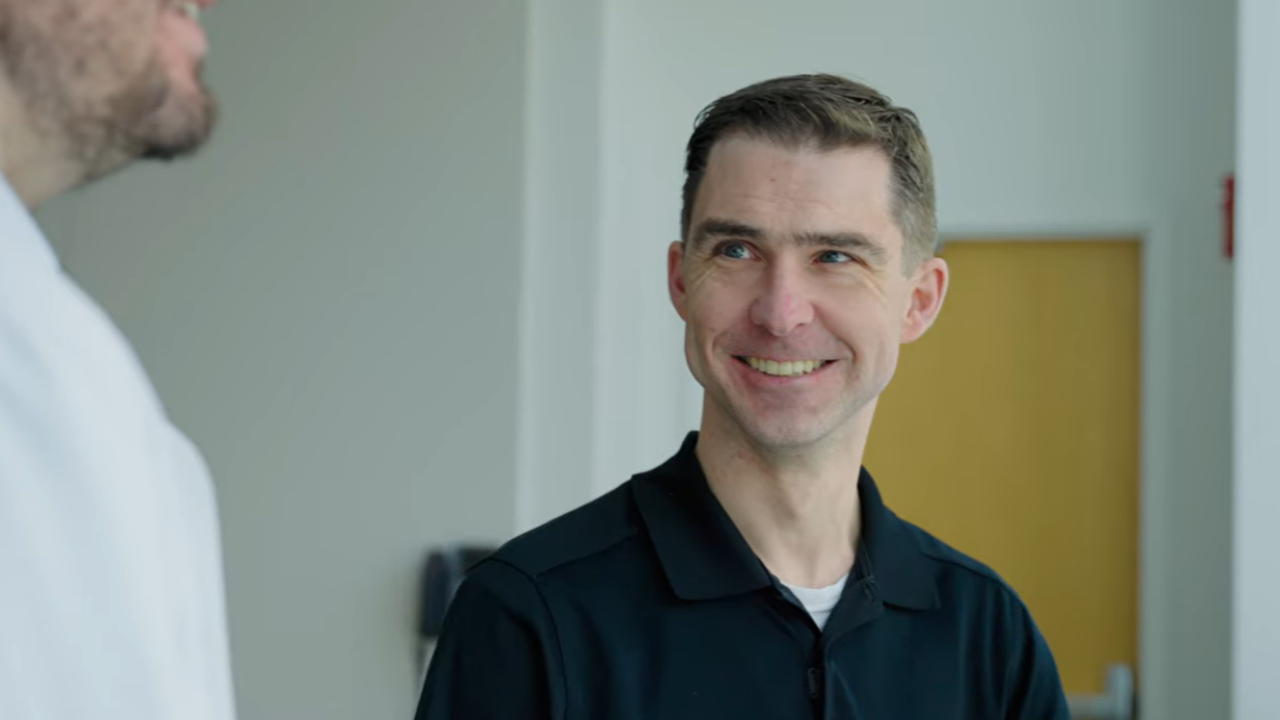
Adam smiles while talking with Dr. Callow at UC Health in Cincinnati

"I am living the life that my younger self thought he was going to live in the first place", Adam shares.

The Message

Adam knows his story is bigger than himself. “You can’t do life alone,” he says. “It’s actually a lot easier when you ask for help.”

Dr. Callow agrees.

“1 in 26 people live with this every single day. We need more advocates like Adam,” he says. “People who can show others—it’s going to be okay, and you can get your life back.”

“If you’re still searching for answers, know this: they’re out there, and the clock isn’t done. The moments that feel like the end are often the beginning of something bigger. Compete with your whole heart, lean on the right team, and turn near misses into breakthroughs - the real gift is the freedom to build your own story through creativity, connection, and purpose,” said Adam.

Leading the Way Toward Better Days

At UC Gardner Neuroscience Institute’s Epilepsy Center, we are experts in epilepsy care—for patients, for progress and for predictability.

As the region’s most comprehensive epilepsy program and the only adult Level 4 accredited center, our multidisciplinary team delivers rapid assessments and builds personalized treatment plans for even the most complex cases. We combine advanced expertise with a team-based approach to help patients gain control and move forward with confidence.

Expect more. Call 513-475-8730.

Featured Providers:

UC Gardner Neuroscience Institute
Practices: Neurosurgery, Parkinson's Disease & Movement Disorders
x