Patient Stories

A Long Road Forward: Navigating Epilepsy, One Purposeful Step at a Time

May. 4, 2026

A lifelong battle with epilepsy left Daniel searching for answers—until a new care team helped him find progress, purpose, and hope for independence.


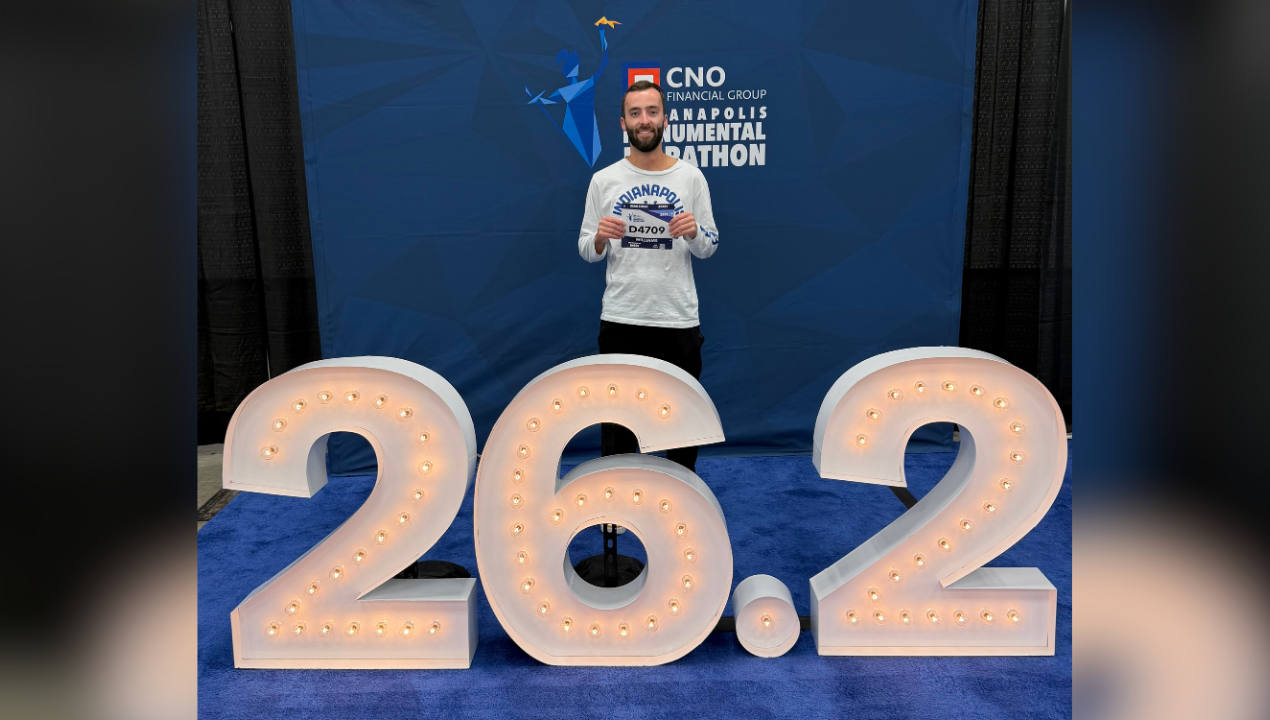
Daniel shares his bib in front of sign for 26.2

Daniel holds his marathon bib in front of the 26.2 display at packet pickup the day before the Indianapolis Marathon. Running has been a source of strength since his epilepsy diagnosis. | Photo provided by patient

  • Daniel Williams struggled for years with severe, unpredictable epilepsy—cycling through medications and doctors without meaningful progress.
  • After turning to UC Health’s Epilepsy Center, a personalized, data-driven care plan finally revealed answers and reduced his seizures.
  • With fewer seizures and renewed hope, Daniel is working toward his ultimate goal—driving again—while running marathons and reclaiming his independence.

At the UC Gardner Neuroscience Institute’s Epilepsy Center, we’re leading the way toward better days. Expect more. Call 513-475-8730.

The First Signs of Epilepsy

For Daniel Williams, the journey began quietly—long before there was a diagnosis or a treatment plan—when he was just a kid struggling to fall asleep.

“I think I was in 7th or 8th grade. I always had problems going to sleep,” Daniel recalled. Night after night, he would walk into his parents’ room asking for help. Sometimes a cold washcloth on his head brought a bit of relief. But after two weeks of restless nights, everything changed. Daniel experienced his first seizure.

That moment marked the beginning of a long and complex journey with epilepsy—one that would carry him through childhood, high school, college and into adulthood.

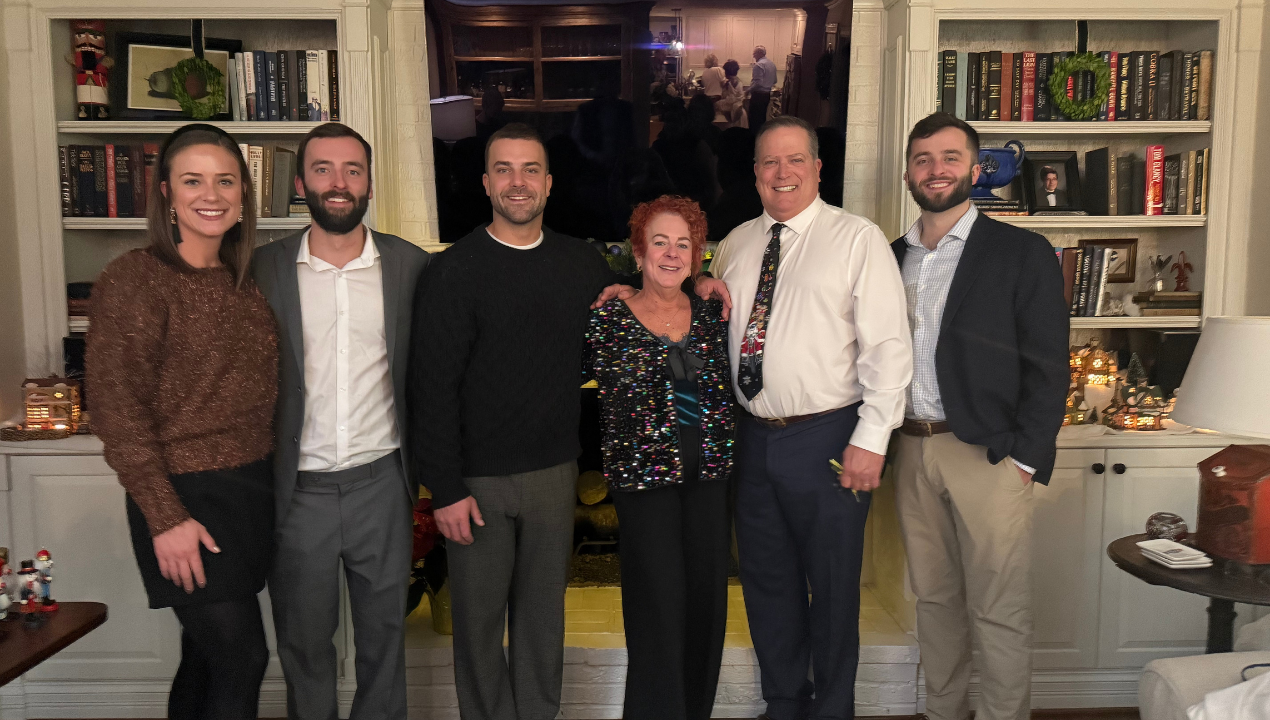
Daniel and his family pose together: Laurie Ann, Daniel, Matthew, Kim (mom), Chris (dad), and Zach

Daniel (second from left) with his family: Laurie Ann, Matthew, Kim (mom), Chris (dad), and Zach | Photo provided by patient

Years Without Answers

Daniel was diagnosed with epilepsy at age 12. Over the next decade, he saw numerous neurologists, including nearly ten years at a health system in Louisville. But despite frequent visits and constant medication changes, progress remained elusive.

“We weren’t making any progress at all,” Daniel said. At one point, he was taking up to 25 pills a day. “I finally told the doctor, ‘I can’t take this many pills anymore. This is just too much.’”

During those years, Daniel’s seizures were severe and unpredictable - triggered by exercise, heat, and spikes in heart rate. “Basically, anytime my heart rate increases, and I’m in hot weather, such as running in summer heat, I am more prone to having a seizure. A lot of my seizures happened while I was running in the summer. It's not just the increase in heart rate; it's the heat as well,” he explained.

His seizures were consistent with tonic-clonic seizures, which involve a loss of consciousness and full-body muscle stiffening followed by rhythmic jerking movements. “I would just wake up on the ground,” Daniel said. “I never felt a warning sign.”

Choosing a New Path of Care

After years without meaningful improvement, Daniel knew it was time for a change.

“I kept telling my parents, nothing is working. We need to go somewhere else,” he said.

That decision led Daniel to UC Health and the UC Gardner Neuroscience Institute’s Epilepsy Center—the most comprehensive epilepsy program serving Cincinnati, Dayton and Northern Kentucky. Designated as the region’s only adult Level 4 epilepsy center by the National Association of Epilepsy Centers, the program offers the highest level of care available for adults with complex and treatment‑resistant epilepsy.

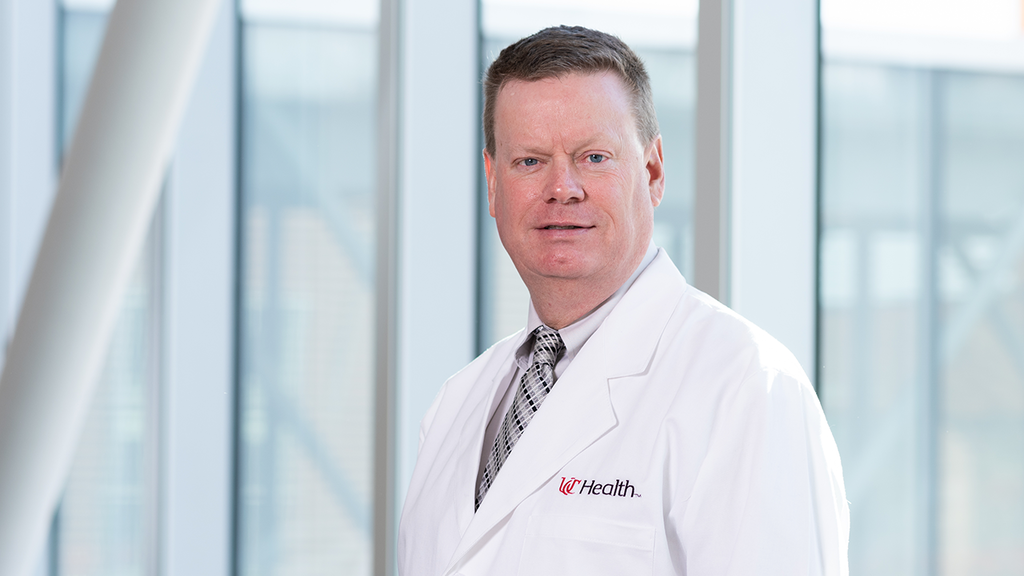
Within that program, Daniel began seeing David Ficker, MD, epileptologist—a moment Daniel describes as a true turning point. From the very first visit, things felt different.

“The first thing he did was reduce the number of pills that I was taking,” Daniel said. “We needed a baseline.”
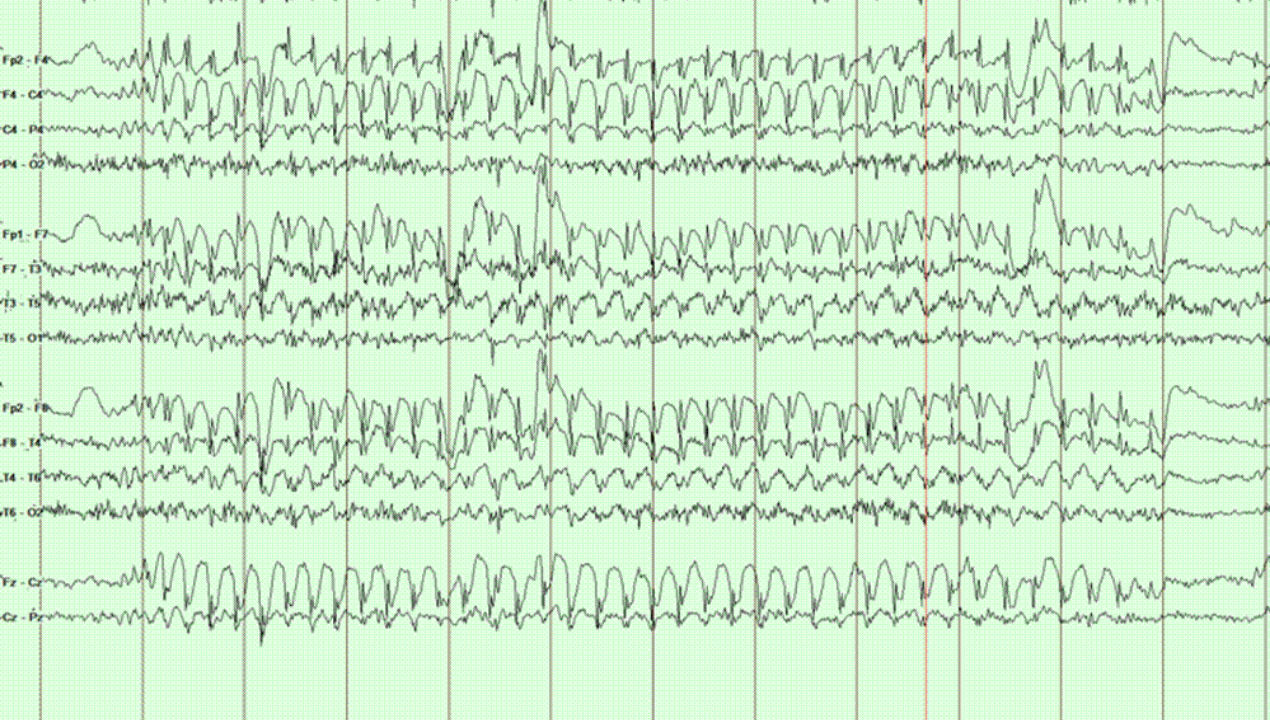
An EEG reading showing seizure activity

An EEG from a recent visit plays a key role in tracking Daniel’s progress as he works toward better seizure control.

Dr. Ficker ordered a three-day inpatient electroencephalogram, or EEG, a test that records the brain’s electrical activity to detect and better understand seizure patterns. This type of monitoring is conducted in UC Health’s specialized epilepsy monitoring units, which support precise diagnosis and individualized care. It was followed by at-home EEG monitoring, blood work and careful, step-by-step medication adjustments, all supported by UC Health’s resources and multidisciplinary expertise.

What stood out most to Daniel was the intentionality behind the care.

“[Dr. Ficker] actually has a plan,” Daniel said. “My previous doctors were playing it visit by visit. Compared to that, this is much more reassuring.”

“With video/EEG monitoring, we discovered that Daniel was having 15–20 absence seizures per day, some lasting as long as 25 seconds,” Dr. Ficker said. Absence seizures are brief episodes of impaired awareness that can appear as staring or ‘zoning out.’ “This specialized testing gave us a baseline to determine if future treatment changes had an impact on seizure control.”

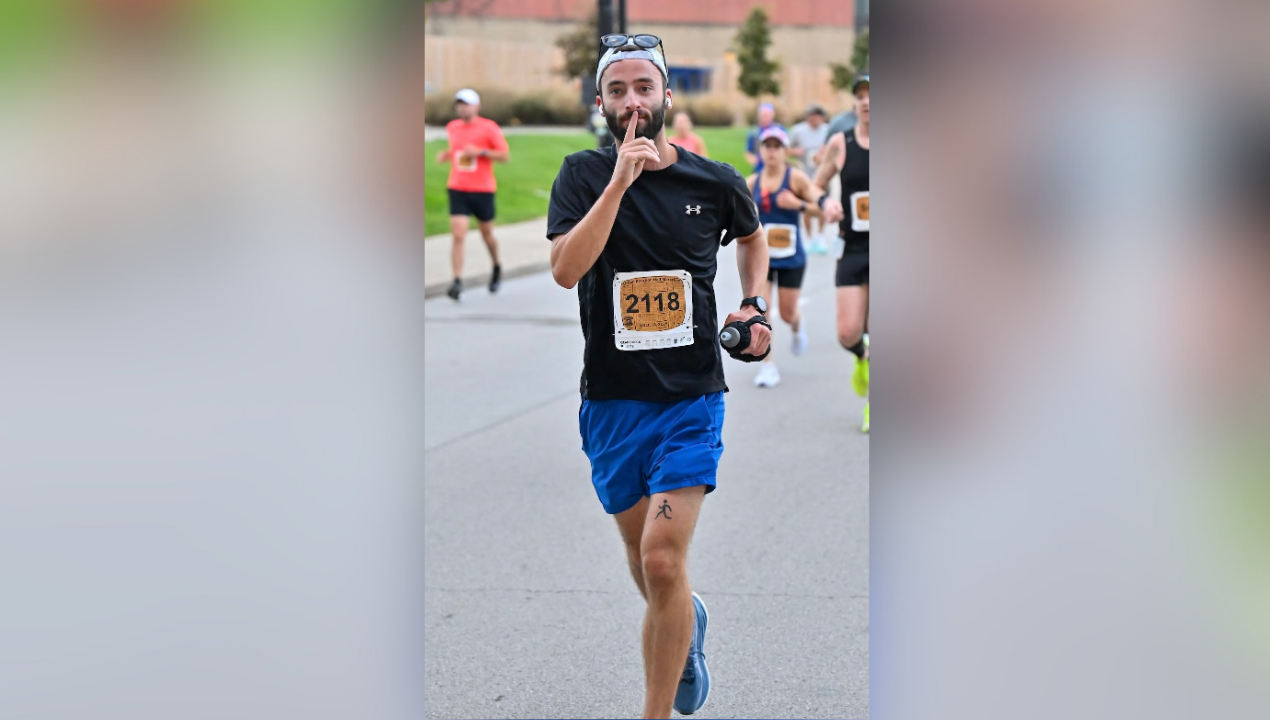
Daniel in stride during a race.

Daniel in stride during a race, one of many he’s completed over the years. | Photo provided by patient

Progress—Measured Carefully, Built Over Time

Under Dr. Ficker’s leadership and the coordinated care of the UC Gardner Neuroscience Institute’s Epilepsy Center, Daniel began to see progress he had never experienced before.

One at‑home EEG study in late 2025 showed five seizures or fewer, a significant improvement.

“We did not expect the result to be that great,” Daniel said. “That was incredible for us to see.”

Medication adjustments—particularly the addition of lamotrigine—made a meaningful impact. “That’s been one of the best medications that has helped,” Daniel said.

Each visit follows a thoughtful, consistent approach: small medication tweaks, lab monitoring, EEG testing and continual reassessment—hallmarks of care within a Level 4 epilepsy center.

Dr. Ficker said, “Daniel’s epilepsy is unique, given the frequency and length of his absence seizures. His generalized tonic-clonic seizures were under great control, but his absence seizures impact his ability to drive, which he has a great desire to accomplish. There is not one “type” of epilepsy. Each patient we see in the epilepsy center has unique characteristics and the treatment plan needs to be personalized. In Daniel’s case, we had several medications that we could consider and after a discussion of the options, together we came up with a treatment and monitoring plan to determine success.”

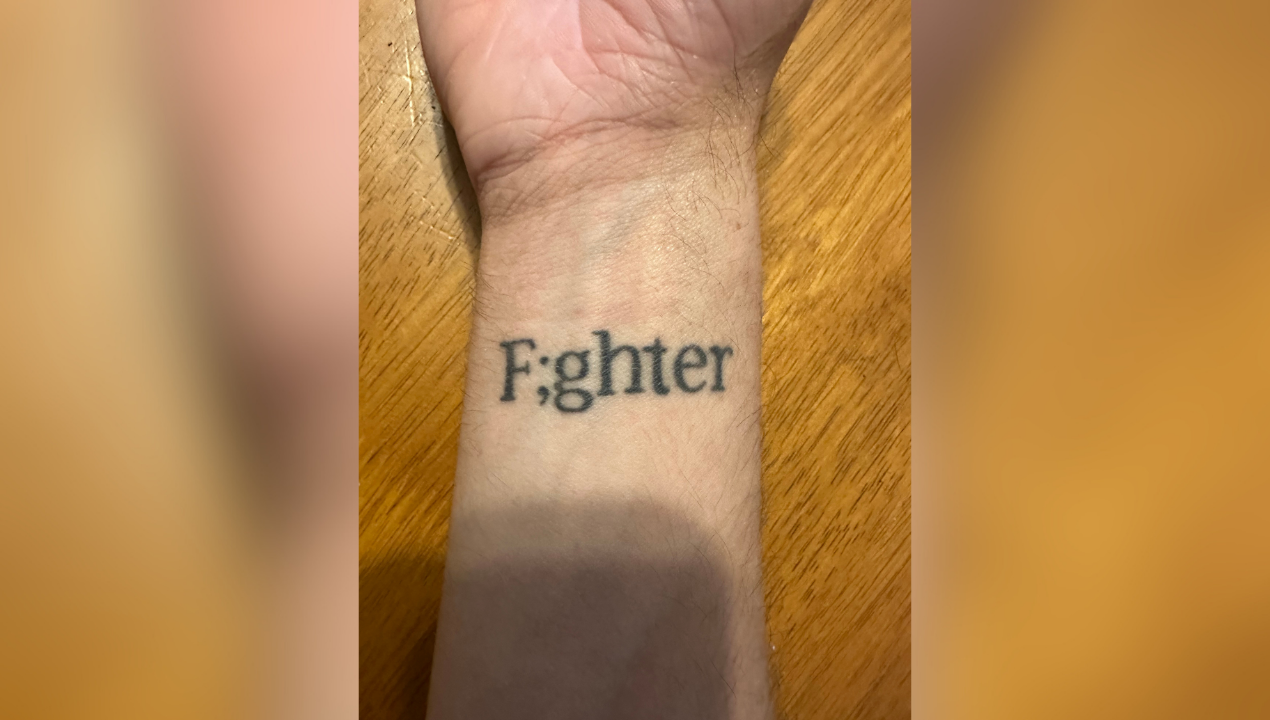
Daniel shows a tattoo that says "F;ighter" on his wrist

Daniel shares his tattoo, honoring resilience and mental health awareness. | Photo provided by patient

Defining What “Better” Means

Even with improved results, Daniel is honest about what progress truly means to him.

“Whenever my EEG results show progress, my family gets excited. But the truth is, the results aren’t what matter to me. I was told as a child that my EEGs would never be normal, and that’s been the case. That’s the part people don’t see: the results don’t matter if I still can’t drive. The goal has always been driving. Dr. Ficker knows and understands that. I believe in Dr. Ficker and my care team deeply. We love them. They are incredible, and we’ve made real progress because of them. But that’s my truth.”

Losing the ability to drive reshaped Daniel’s independence and daily life. “It’s easy to feel like a burden,” he shared. “You don’t realize how much you take those small freedoms for granted.”

He’s open about the impact this diagnosis has had on his mental health, too.

“I would get depression so easily because you're just cooped up in the house all day. So, depression hit a lot. Anxiety was there too; depression was mainly because of not driving.”

Still, Daniel continues moving forward—biking or walking to work, staying engaged in his care and trusting the plan built by his care team.

Dr. Ficker said, “In Daniel’s case, we knew his generalized tonic-clonic seizures were controlled, but it was clear that his absence seizures were keeping him from achieving his top goal – driving. We are working together for him to achieve this goal, but we want to do this in a way that he can live a normal life, with minimal or no medication side effects, with the long-term goal of complete seizure freedom. I am thrilled to see continued progress toward that goal.”

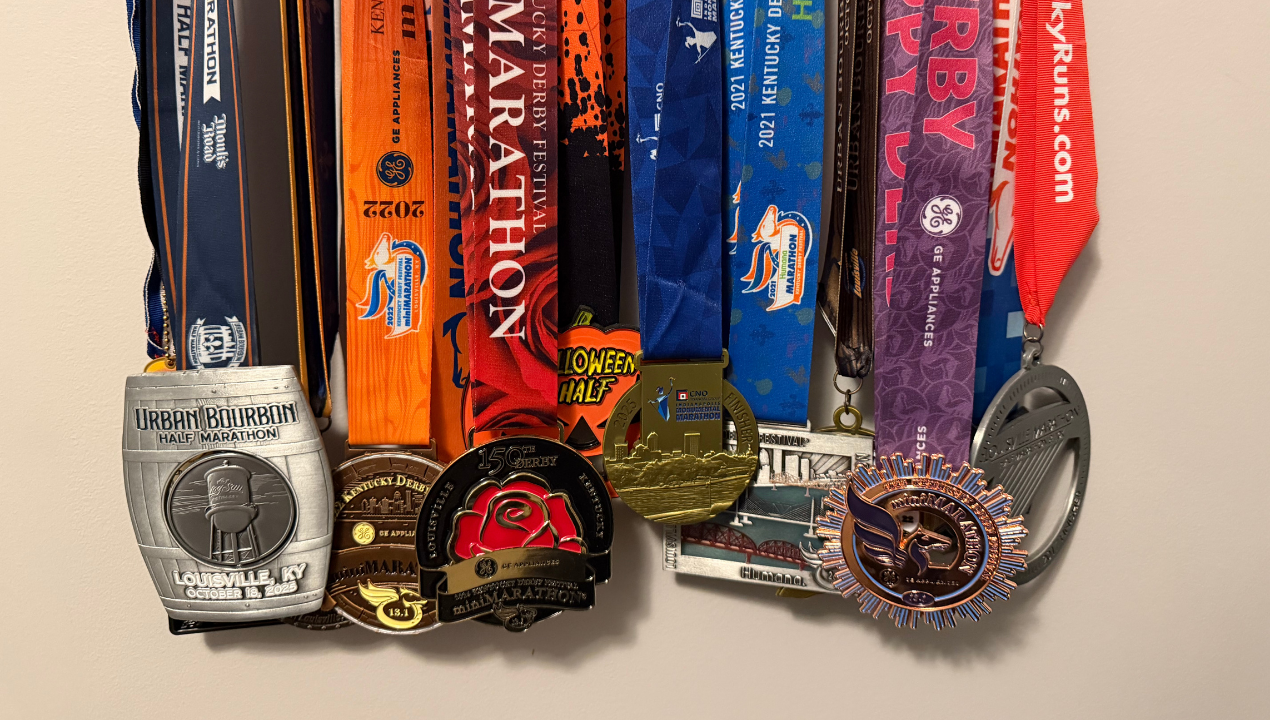
Daniel's large collection of race medals hang on display

Daniel proudly displays his collection of race medals. | Photo provided by patient

Running Toward Strength and Hope

Running has been a constant throughout Daniel’s journey.

“Ironically, when I got diagnosed, I started running,” he said. Beginning at age 12, running became not just a sport, but an outlet—half marathons, full marathons and a wall of hard‑earned medals.

“My mental health is another huge reason why I run. It's an outlet, it's a source of strength, and it's a reminder of what I'm capable of,” Daniel explained.

Even with epilepsy, a VNS implant and lingering questions about seizure activity, running anchors Daniel. “It’s a positive way of dealing with adversity,” he said.

Now, Daniel is training for the 2026 Chicago Marathon alongside his brother, raising money for CURE Epilepsy, an organization dedicated to funding breakthrough research for people living with epilepsy.

“We’re excited to finally run a marathon together. I’m fortunate to share this passion with my brother,” he said.

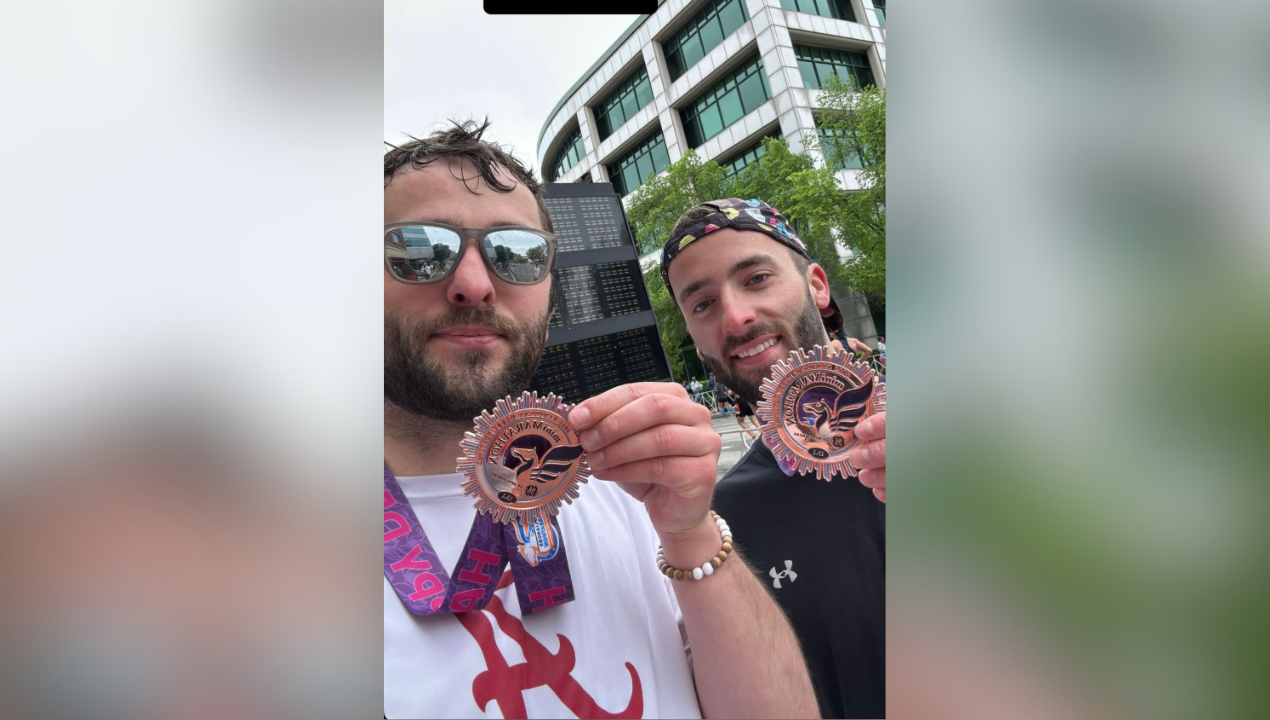
Daniel and his twin brother, Zach, pose together at the Kentucky Derby Festival Half Marathon in April 2025. | Photo provided by patient

Moving Forward—With Expertise, Trust and Purpose

Daniel’s journey has included learning challenges, loss of independence and serious struggles with mental health. But it has also been shaped by resilience, self‑advocacy and the reassurance of expert care led by Dr. Ficker.

“He knows my goal,” Daniel said. “And he has every intention of trying to get me there.” Looking ahead, Daniel remains hopeful and focused.


“I know I’ll drive one day again,” he said. “We just can’t predict when.”

With the highest level of epilepsy care available, a dedicated physician and a clear long‑term plan, Daniel continues forward—steady, determined and hopeful—one step at a time.

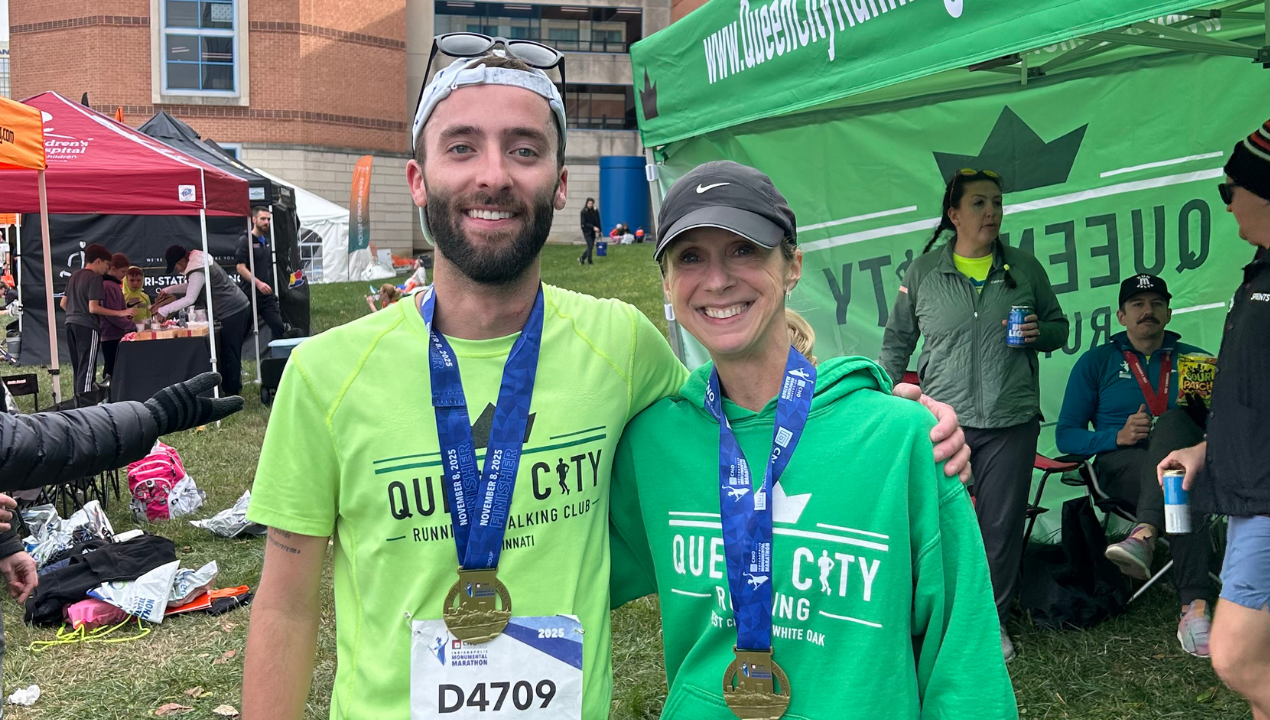
Daniel post-race smiles for the camera. | Photo provided by patient

Why UC Health for Epilepsy Care

Whether you’re seeking answers, a second opinion, or advanced treatment options, UC Health is here to help guide your journey.

  • Only Level IV Epilepsy Center for Adults in the Region: Advanced specialists delivering the highest level of comprehensive care.
  • Leaders in Research and Innovation: Pioneering new treatments for nearly 40 years with ongoing clinical trials.
  • Faster Answers, Personalized Care: Advanced diagnostics, specialized monitoring units and expert-led treatment planning.

Leading the Way Toward Better Days

Experts in epilepsy care — for patients, for progress, for predictability.

At UC Health, we understand that every epilepsy journey is different, and every step forward matters. Our team is committed to delivering personalized care that helps patients move toward greater independence, confidence and control. Expect more. Call 513-475-8730.

x