For the more than 37 million Americans living with diabetes, managing blood sugar isn’t just about preventing nerve or kidney damage. It’s also about protecting the brain. According to the American Stroke Association, people with diabetes are twice as likely to experience a stroke compared to those without the condition.
How Does Diabetes Increase Stroke Risk?
Diabetes leads to damage to the wall of both large and small blood vessels over time. Some of these blood vessels deliver blood to the brain. Elevated blood sugar contributes to:
- Atherosclerosis (hardening of the arteries)
- High blood pressure
- Increased clot formation
- Chronic inflammation
Together, these factors can cause decreased blood flow to the brain resulting in permanent damage. This can cause stroke and/or difficulty with thinking and memory.
Stroke Symptoms in Diabetic Patients
Because stroke and diabetes are closely connected, it’s important for people living with diabetes—and their family members, friends, and caregivers—to recognize the warning signs quickly. A simple way to remember them is FAST:
- Face drooping – Uneven smile or numbness
- Arm weakness – Trouble raising one arm
- Speech difficulty – Confusion or difficulty speaking
- Time to call 911 – Call right away if you notice these signs in yourself or others
Other symptoms include vision changes or sudden numbness in the face, arm or leg.
Because diabetes can dull pain receptors and nerve signals, small strokes may go unnoticed—but can still cause permanent brain damage.
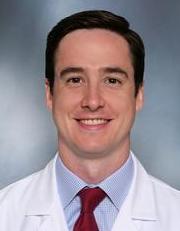
“Fast, coordinated stroke care is critical to save as many brain cells as we can when someone is having a stroke. The UC Health Stroke Team in Cincinnati is prepared to treat any type of stroke with the latest stroke treatments available as quickly as possible,” says Paul Wechsler, MD, a neurologist at the UC Gardner Neuroscience Institute.
“But it starts with getting people to our hospital as fast as possible - if you’re experiencing any of the signs or symptoms of stroke, call 911 as fast as you can.”
UC Health’s Coordinated Stroke Prevention Strategy
At UC Health, neurologists, endocrinologists, primary care providers and other specialists collaborate to offer:
- Early screening for carotid artery narrowing and microvascular changes
- Blood pressure and cholesterol management customized for diabetic patients
- Post-stroke recovery planning that includes glucose and medication optimization
Take Action Today
If you or a loved one lives with Type 1, Type 2, or gestational diabetes, as well as hypertension, it is recommended to have regular visits with your primary care provider to lower your risk of stroke. You can talk with your care team about:
- Your personal risk of stroke
- How to reduce risk through medication, diet, and physical activity
For support and management for diabetes, connect with the UC Health Endocrinology, Diabetes & Metabolism team by calling 513-475-7400
UC Health: Your First Choice for Stroke Care in Cincinnati and West Chester, Ohio
For fast, effective treatment and the best chance for fuller recovery, UC Health is the easy answer. For patients in Cincinnati, West Chester, and across the region, UC Health offers:
- Specialized stroke experts: The region’s largest team of vascular neurologists and fellowship-trained specialists, focused on stroke care every day.
- Leaders in stroke treatment and research: Our team helped develop the first clot-busting medication (tPA) and continues to lead national stroke research.
- Advanced care across the region: Joint Commission–certified stroke centers at UC Medical Center and West Chester Hospital ensure rapid, expert treatment when every minute counts.
Ask for UC Health
When you or a loved one is having a stroke, you can request emergency services take you to UC Health. Advocating for your loved one's health gives you more say over what happens in the hours, weeks and months that come next.
If you notice stroke symptoms, call 911 right away.
To learn more about stroke care at UC Health, call 513-475-7530.