Wellness

Five Tips for a Healthy Spine

Nov. 13, 2025

Maintain a healthy spine with simple habits from UC Health orthopaedic spinal surgeon, Dr. Steven Zhang. 


Why a Healthy Spine Matters

Your spine is your body’s central support. It protects your spinal cord (the “highway” for nerve signals), helps you move, stand, and accomplish your daily activities. When your spine is healthy, everyday tasks feel easier: getting out of bed, carrying groceries, sitting through a meeting, or playing with your kids. When it isn’t, pain or stiffness can ripple into headaches, poor sleep, low energy, and missed work or activities.

The upside: small, steady habits—like moving daily, setting up your sleep space well, and stretching—build strength and reduce flare-ups over time.


How to Tell if Your Spine Is Healthy

You don’t need perfect posture or a gym membership to have a healthy spine. Look for these simple signs:

  • Comfort at rest: You can walk, sit, stand, or lie down without nagging pain or numbness.
  • Easy movement: You can bend, twist, and turn your head through daily ranges without sharp pain.
  • Morning “reset”: Any stiffness improves within 15–30 minutes of gentle movement.
  • Balanced days: Normal chores or desk work don’t leave you with lasting soreness.
  • Good sleep: Your mattress and pillow let you wake up without neck or back pain.
  • No red-flag nerve symptoms: You’re not having new leg weakness, numbness that spreads, or changes in bladder or bowel function.

If you’re unsure, a quick self-check can help:

  • Can you walk 10–15 minutes at a comfortable pace?
  • Can you look over each shoulder and touch your knees or shins with only mild tightness?
  • Does gentle stretching make you feel looser—not worse—afterward?

Tip 1: Stay Active—Consistently

“Staying active means being consistent and being able to do it every day. Whether that is either taking a walk or doing light aerobic weight training. This will keep your muscles active and also maintain healthy bones.”

Being active doesn’t have to mean long workouts. Short daily movement keeps muscles strong and bones healthy. Aim for something you can repeat most days—like a brisk walk or light weights at home. Consistency is key.

Try this

  • 10–20 minutes of walking after dinner
  • Light dumbbell or resistance band routine 2–3 days a week
  • Set a daily “move reminder” on your phone

Tip 2: Protect Yourself at Home and at Work

“My second piece of advice I give patients is to protect yourself at home and at work. When you are sleeping or walking outside, make sure you are using the proper shoes. When you are at home sleeping, make sure you are using the right pillow and mattress.”

Small changes to your sleep setup and footwear can help reduce strain on your spine. Supportive shoes cushion your steps. The right pillow and mattress help your back rest and recover.

Try this

  • Choose shoes that fit with good arch support and traction
  • Use a medium-firm mattress and a pillow that keeps your neck in line with your spine
  • At work: keep screens at eye level, elbows near your sides, feet flat on the floor

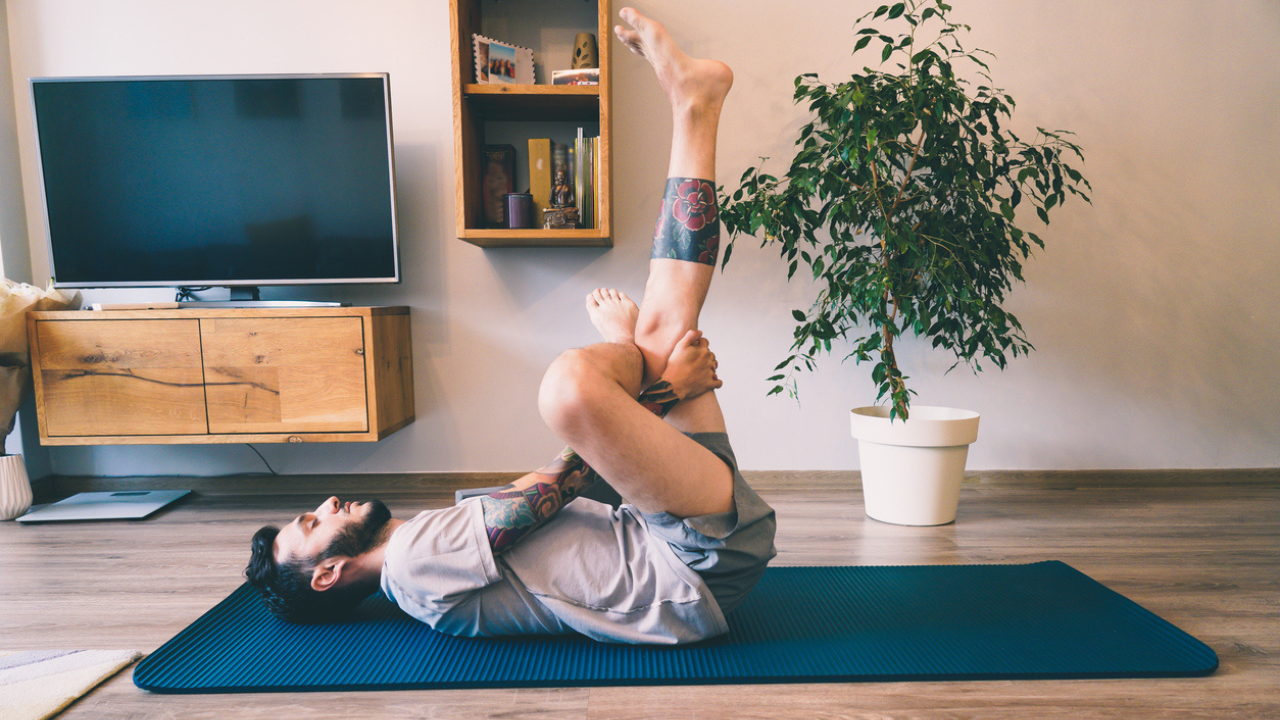
Tip 3: Stretch Your Back—and Your Legs

“Stretch, and when I say stretch, not just mean your back, but also your legs. Our body tends to work in a whole chain and everything affects all our muscle groups. So make sure you always stretch your legs and stretch your back at work and at home.”

Tight hips, hamstrings, or calves can put unnatural stress on your back. Gentle daily stretches help everything work together.

Try this

  • Morning: 30–60 seconds each—hamstring stretch, gentle back extension, calf stretch
  • Midday: stand each hour and do 5–10 easy back bends
  • Evening: figure-four stretch to loosen hips

Tip 4: Eat Well, Keep a Healthy Weight, and Stop Smoking

“Even a 5–10-pound weight loss can really help relieve stress on your spine.”

Nutrition and weight influence the amount of load your spine can carry. Smoking can harm the discs that cushion your vertebrae. Even small changes help.

Try this

  • Swap sugar drinks for water most days
  • Add a fruit or vegetable to each meal
  • If you smoke, talk to your doctor about quit options and supports

Tip 5: Be Patient and Consistent with Recovery

“I tell patients to be patient. Back pain is a very complex injury, and back pain is a very complex and stubborn problem. And it can take months, even sometimes up to a year, to get over this issue. But you have to be consistent and be patient.”

Back pain can be stubborn. Healing takes time, and steady habits are what move you forward.

Try this

  • Track your daily movement and stretches
  • Celebrate small wins each week (e.g., fewer bad days, longer walks)

When to See a Spine Specialist

Call a spine specialist if you notice:

  • Pain that doesn’t improve after 4–6 weeks of steady self-care
  • Numbness, tingling, or weakness that travels down an arm or leg
  • Trouble walking, frequent falls, or balance changes
  • New bladder or bowel control changes (seek urgent care)
  • Pain after a significant fall or accident

Why UC Health for Ortho Care in Cincinnati

  • Team-based care that moves fast. Orthopaedic patients are more successful with support from a wide array of specialties. Our team can quickly partner with other UC Health experts, including rheumatologists and neurologists, to facilitate more accurate diagnoses and effective treatments.
  • 10 convenient locations. Care that fits your life.
  • Board-certified, fellowship-trained physicians. Advanced training for everyday and complex needs.
  • Referral center for complex cases. Doctors across the region trust us with challenging spine and joint problems.
  • Care for athletes and everyday people. From game-day injuries to staying active for daily living, we meet you where you are.

Ready to Take the Next Step?

Small changes start today. Schedule an appointment with UC Health Orthopaedics & Sports Medicine in Cincinnati to create a plan that fits your life. Call us directly at 513-475-8690. 

Featured Expert:

Practices:
x