Wellness

Watch Every Step: Pedestrian Safety Tips

Apr. 27, 2026

Most pedestrian injuries are preventable. UC Health trauma experts share simple tips to help you stay safe on the road—whether you're walking or driving.


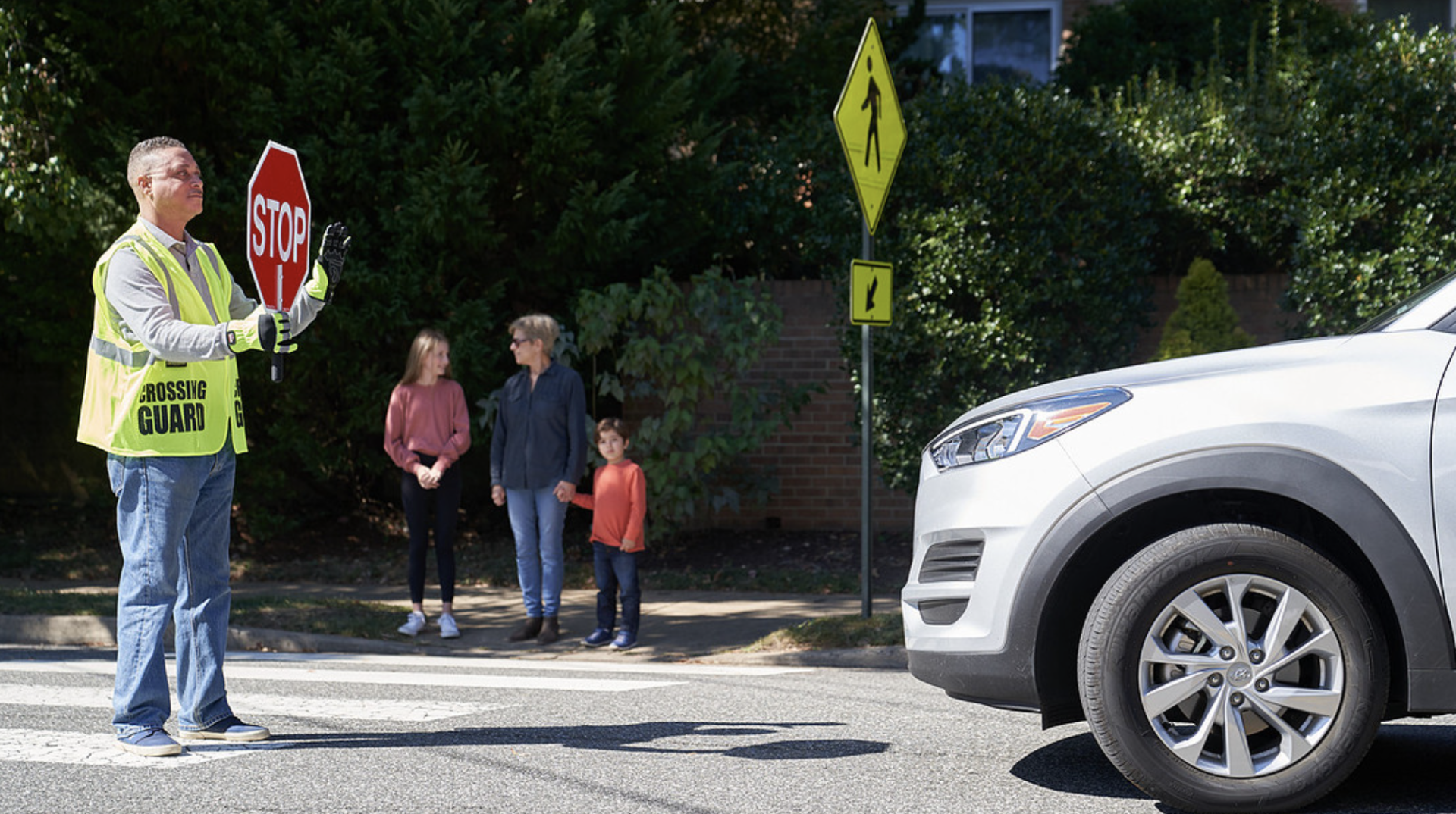
A family being directed to cross a cross-walk by a crossing gaurd.

Photo Credit: National Highway Traffic Safety Administration

Pedestrian safety is more important than you think: It’s not just about crossing the street—it’s about staying visible, alert and aware in everyday moments.
Serious injuries can happen in seconds. Preventing them starts with simple habits and informed decisions.
At UC Health, our trauma and critical care experts see the real impact of pedestrian accidents—and how small choices can save lives.
Through education, prevention and expert care, UC Health is committed to keeping our communities safe—on every street, every day.

Pedestrian Safety: The Reality Behind the Risk

Let’s put it in perspective.

In the U.S., more than 7,000 pedestrians are killed and over 60,000 are injured each year in traffic crashes. 

And here’s what makes that more concerning:

  • Most fatal crashes happen at night or in low visibility 

  • Many occur outside of intersections, where people may feel a little too comfortable 

  • Common factors include failure to yield, low visibility and distraction 

This isn’t rare. It’s everyday behavior adding up.

See the Data for Yourself

Want to explore how and where pedestrian crashes are happening nationwide? This interactive dashboard from the National Highway Traffic Safety Administration breaks it down in a way that’s easy to understand:
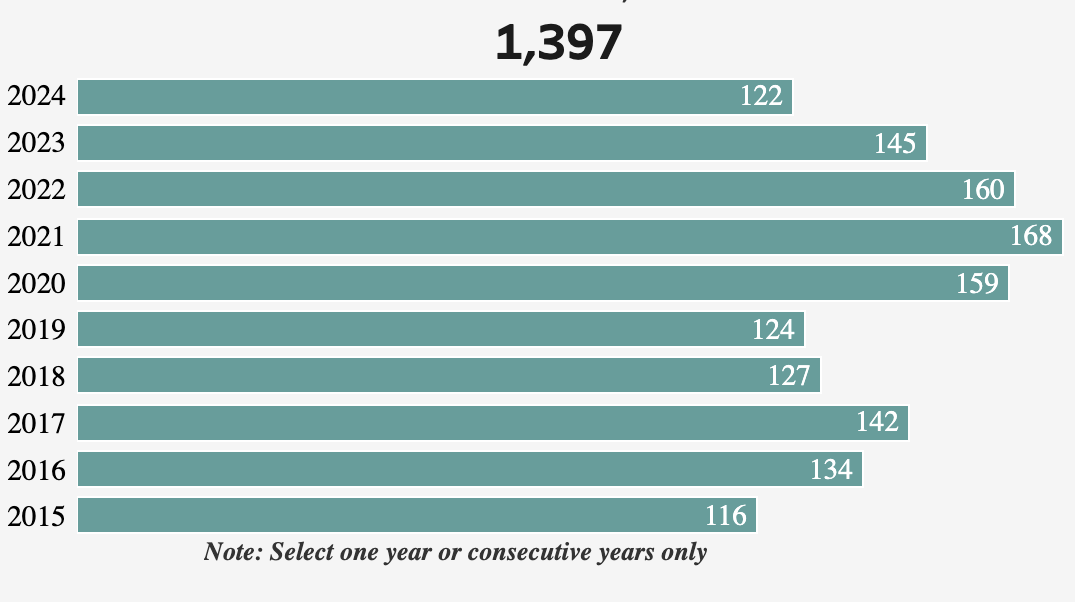
 

A line graph from 2015-2024 totaling pedestrian fatalities to 1,397. It also shares that 70% happen at night, and 68% of impacted people were male.

Ohio Pedestrian Fatalities, 2015-2024


(You can filter by location, time of day and contributing factors—it's a powerful look at how small decisions show up in real data.)

“As foot traffic increases, so does the risk of serious injury. What we see in the trauma bay often starts with a moment—someone not seen, someone distracted. The good news is that many of these injuries are preventable with simple, everyday habits.” Gina Menninger, RN, BSN Trauma Prevention and Outreach Coordinator

Pedestrian Safety: Why It Matters

Pedestrians don’t get a second layer of protection. No airbags. No steel frame. Just you versus a vehicle.

That’s why these incidents tend to be serious—and why prevention matters so much.

Most pedestrian injuries we treat happen:

  • At intersections 

  • When it’s dark or visibility is low 

  • When someone isn’t fully paying attention 

Sound familiar? That’s because these are everyday moments. Which means small changes can make a big difference.


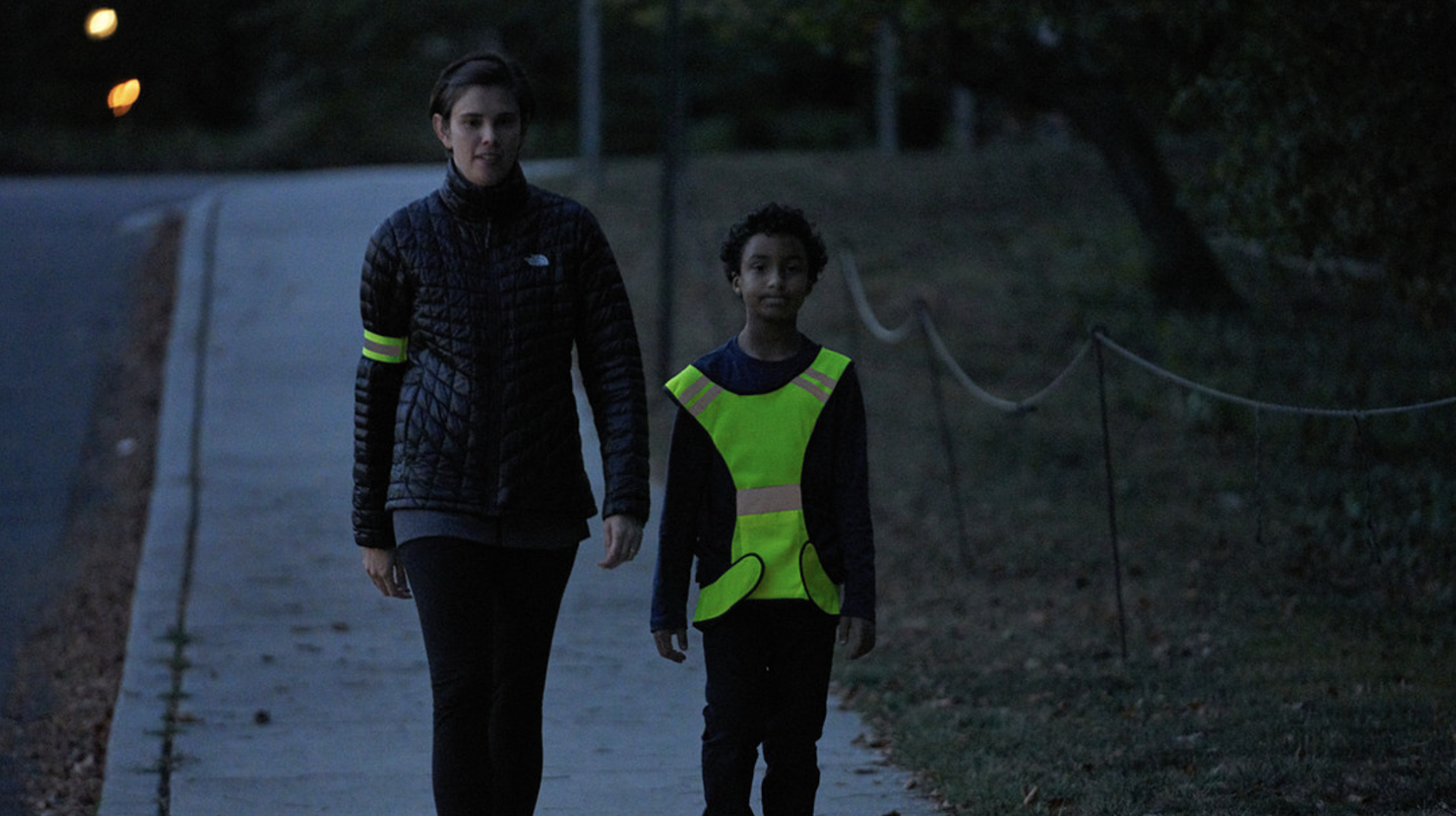
Safe walkers on a sidewalk wearing reflective gear.

Photo Credit: National Highway Traffic Safety Administration

If You’re Walking: Keep It Simple, Stay Safe

  • Be Seen: If drivers can’t see you, they can’t avoid you. Bright colors help. Reflective gear is even better. Especially early morning or at night.

  • Cross Like You Mean It: Use crosswalks. Follow signals. And even when you have the right of way—look anyway. Trust, but verify.

  • Look Up: Your phone can wait. So can your playlist. A few seconds of attention can prevent something you can’t undo.

  • Face Traffic: No sidewalk? Walk facing oncoming cars. It gives you control—and a chance to react.

  • Stay Clear-Headed: Walking under the influence is riskier than most people think. Slower reactions. Less awareness. Higher stakes.


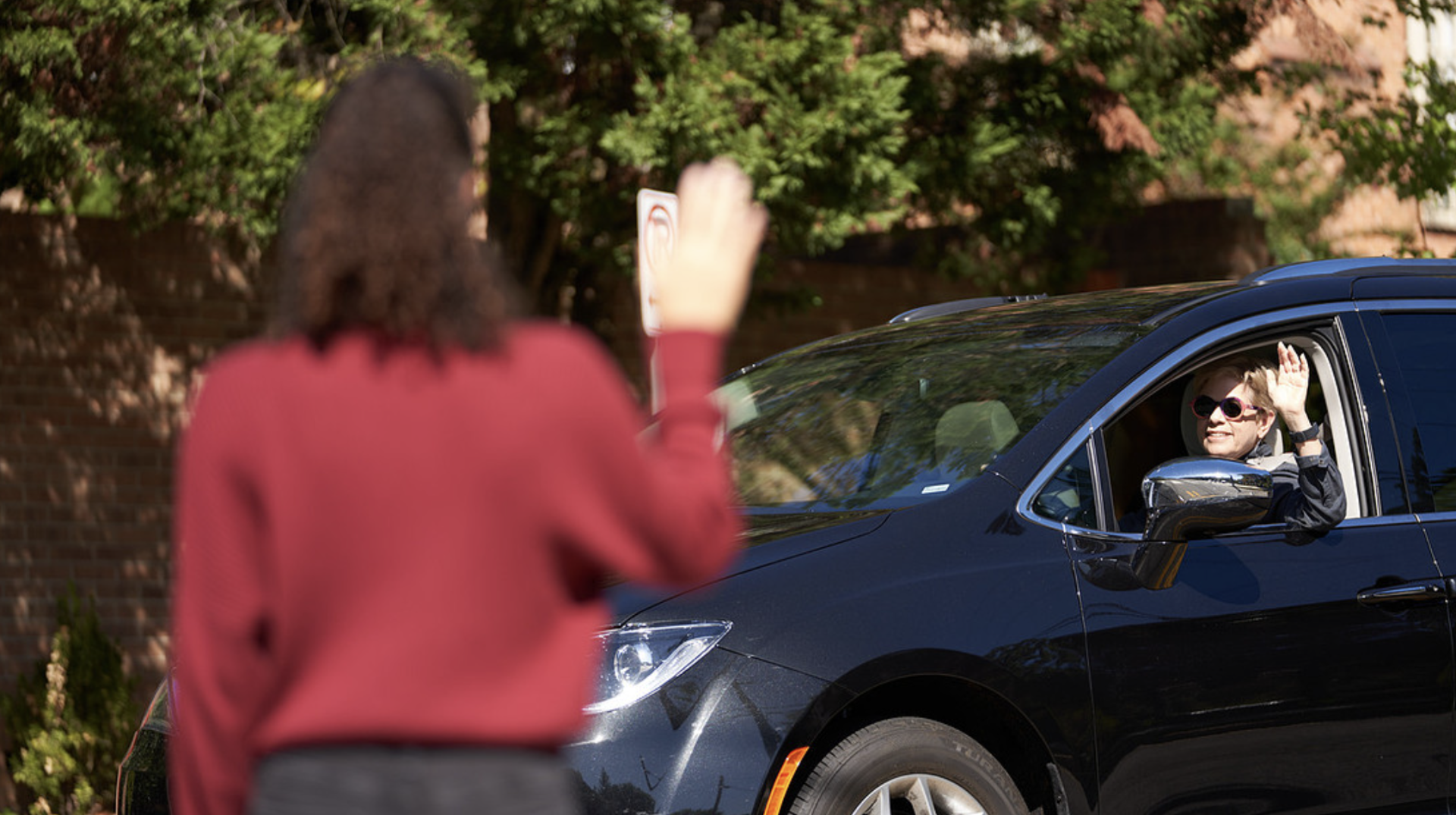
Safe driver waving a pedestrian across the street.

Photo Credit: National Highway Traffic Safety Administration

If You’re Driving: You Set the Tone

  • Slow Down Where It Counts: Neighborhoods. School zones. Busy streets. This isn’t the place to shave off a few seconds. 

  • Stop Means Stop: If someone’s in a crosswalk, they go first. Always. And if another car stops—don’t pass them. There’s probably a reason.

  • Cut the Distractions: Texts, GPS, that one quick glance—it adds up. And it only takes one miss. 

  • Night = Extra Caution: Pedestrians are harder to see after dark. Give yourself more time and more space.

  • Expect the Unexpected: Kids don’t always look both ways. Runners change pace. People make mistakes. Drive like you know that. 

From the Trauma Bay: What We See

We see broken bones. Brain injuries. Lives that change in an instant. 

But we also see the flipside—people who walk away because someone slowed down, looked twice or stayed visible.

That’s the difference a small choice can make. 

We All Share the Street

Pedestrian safety isn’t complicated. It’s about awareness, patience and a little bit of respect for the people around you. 

Look up. Slow down. Make eye contact.

It’s not groundbreaking advice—but it works. 

“The city is not successful because its cars move fast. It is successful because its people can walk safely. ” Kaylee McKenzie Pedestrian who was traumatically injured by a motor vehicle this year

Need Care or Want to Learn More? 

UC Health provides advanced trauma care and injury prevention programs across the region, including:

  • West Chester Hospital: a Level III Trauma Center in a community setting, provided by the same experts in our Level I Trauma Center.

Want to bring safety education to your community? Connect with UC Health’s Trauma Prevention & Education team to learn more.

Featured Expert:

Gina Menninger
Gina Menninger
RN, BSN
 
Lead Trauma Prevention and Outreach Coordinator
UC Health Trauma and Critical Care
x