Wellness

Why Community Matters When You’re Breastfeeding

May. 19, 2026

Breastfeeding support can make the difference between feeling overwhelmed—and feeling confident.


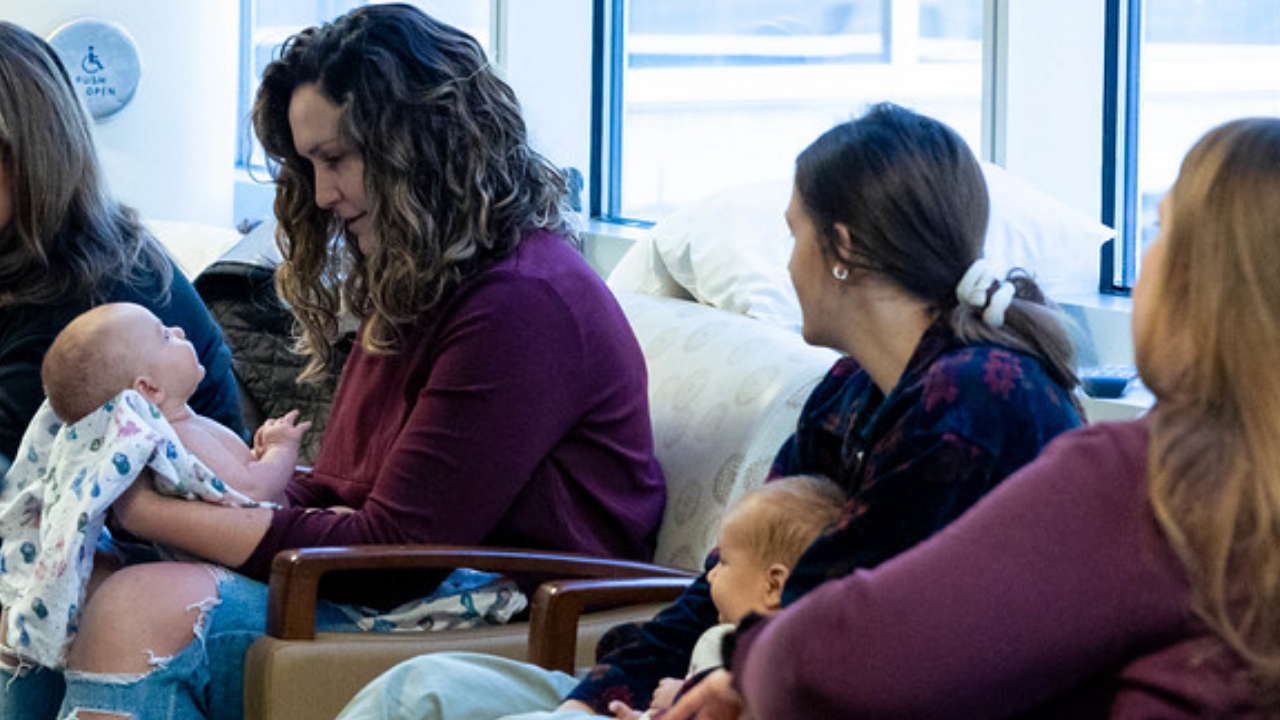
Baby Café group meeting at West Chester hospital

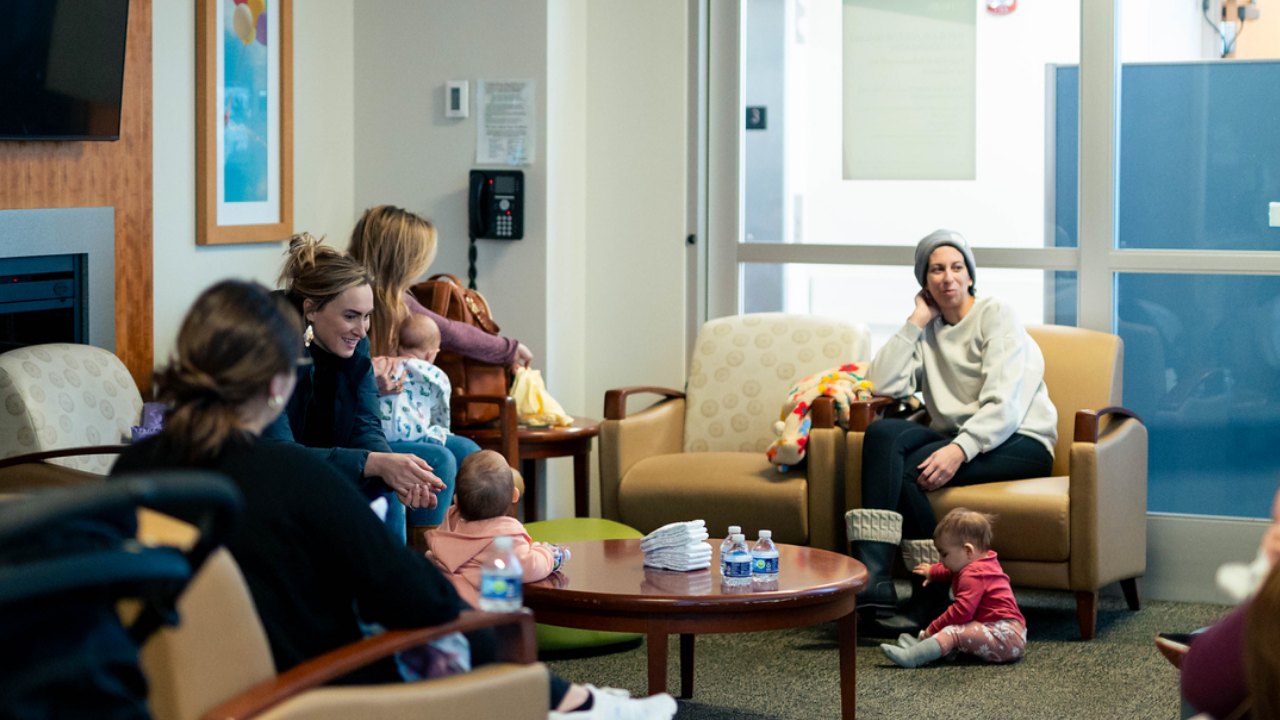
Baby Café group meets in a casual and supportive space at on Wednesday morning in West Chester Hospital in Ohio.

For many new moms, breastfeeding starts with a simple hope: “I want to do this for my baby.” But what comes next often feels anything but simple.

Questions come quickly. Is the latch right? Is the baby getting enough? Why does this feel so hard?

The truth is, breastfeeding is natural—but it’s also something both mom and baby learn together. And no one should have to figure it out alone.

At UC Health’s Baby Café groups in Cincinnati and West Chester, moms find something powerful: breastfeeding support rooted in both expert care and real community. Led by registered nurses (RNs) and International Board Certified Lactation Consultants (IBCLCs)—specialists trained to support breastfeeding—this free weekly program has helped more than 8,000  families build confidence, find answers, and support one another for more than 10 years.

Parents sit with their babies at a Baby Café group at West Chester Hospital in West Chester, Ohio.

Baby Café group members get expert support from registered nurses (RNs) and International Board Certified Lactation Consultants (IBCLCs).

Why Breastfeeding Support Matters More Than People Expect

Many moms are surprised by how much support breastfeeding actually requires.

“When you’re expecting your first child… I don’t think that breastfeeding is necessarily one of those topics that you think, ‘hm, how am I going to do this?’” shares Kelly Fortenboher. “But it doesn’t come entirely naturally—not to the mother, or the infant necessarily.” Kelly was one of the first Baby Café members at West Chester Hospital in 2016.  She relied on the program through all three of her children—and now gives back by encouraging other moms.

That learning curve can feel overwhelming in the early days. Challenges like latch issues, pain, or concerns about milk supply are common—and without guidance, they can quickly shake a mom’s confidence.

That’s where breastfeeding support makes a difference.

“Breastfeeding is natural, but it’s not always intuitive,” explained Tabatha Meddings, RN, a clinical nurse manager at West Chester Hospital, where she has supported new moms for eight years. “Many moms face challenges like latch difficulties, pain, low milk supply concerns, or simply uncertainty about what’s normal. Early, consistent support helps prevent small issues from becoming overwhelming barriers.”  

Support doesn’t just solve problems—it builds confidence.

“Breastfeeding support is important because it helps parents understand what is normal, builds confidence, and provides reassurance during a time that can feel uncertain or overwhelming,” says Dawn Thomas, IBCLC, a lactation consultant at West Chester Hospital who has supported Baby Café families since 2018.

With the right support—from lactation consultants, healthcare providers, and other moms—women begin to trust themselves. They learn what’s normal. And they realize they’re not alone in the ups and downs.

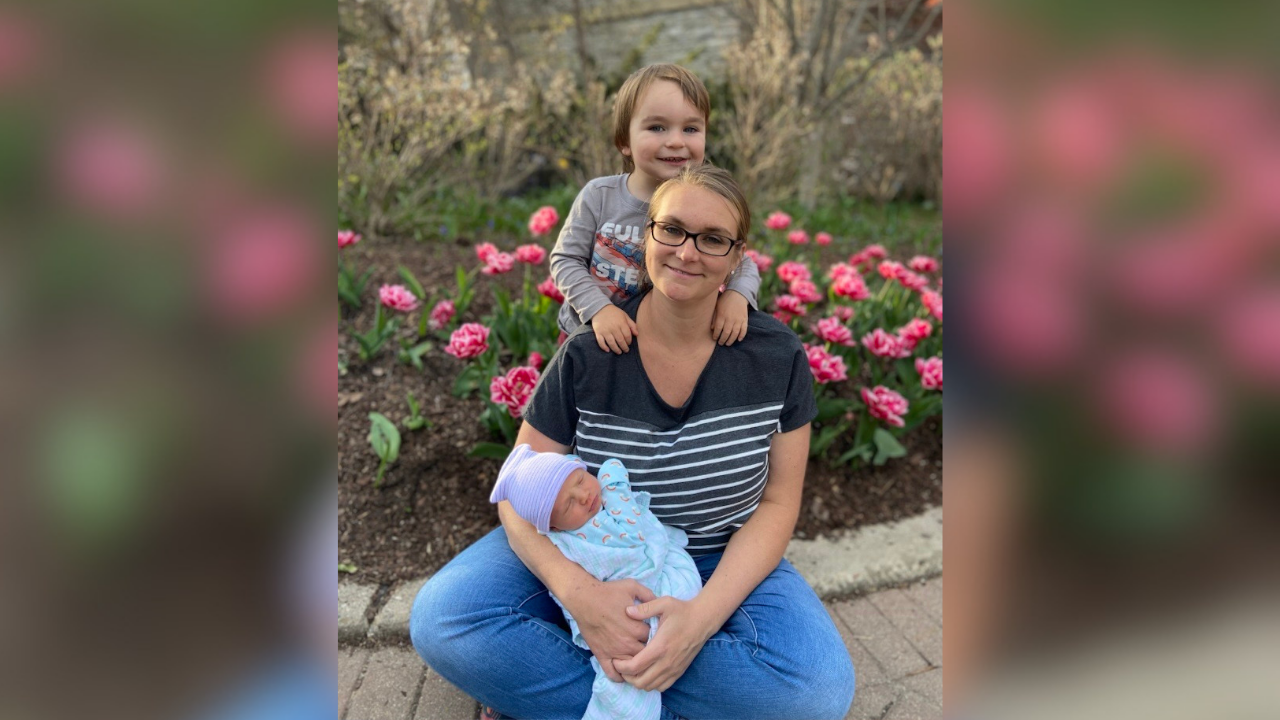
Carrie Pellino and her two children

Carrie Pellino poses with her two children. Carrie is one of the early Baby Café members. She found support as a first-time mom and has built lasting friendships. | Photo provided by Carrie

“You’re Not Alone”: How Community Changes the Experience

Breastfeeding can feel isolating—especially in those early weeks when everything is new, exhausting, and uncertain.

But something shifts when you walk into a room full of moms going through the same thing.

“With my oldest, Baby Café became a place of support, community, and advice for all sorts of baby-related topics—not just breastfeeding,” Kelly shares.

That sense of connection matters more than many expect. It turns questions into conversations—and doubt into reassurance.

Carrie Pellino is one of the early Baby Café members who found support as a first-time mom and built lasting friendships that continue years later.  “I did not have any friends that were also moms, and I met a lot of women at Baby Café who were also new moms,” she says. “I am still good friends with 3 of them, 7 years later! Which has been an awesome thing, to watch our babies grow up together.”

For many moms, it becomes more than support—it becomes something to look forward to.

“I looked forward to Baby Café every week, it was the highlight of my week.” Carrie says. “An hour and a half of being around supportive lactation consultants and other moms, chatting and getting advice and support.”

That consistency creates a safe space where moms can show up exactly as they are—tired, unsure, learning—and leave feeling stronger.

Nicole Schroeder is a current Baby Café participant and mother of four who attends weekly for support, connection, and guidance on her breastfeeding journey. “Baby cafe is a safe place to ask other moms about their experiences and what different things work for them on their journey. I make it a priority to go weekly as my ‘me time.’”

Over time, something even more meaningful happens. Moms who once came looking for help begin to support others.

“You may see… more trust in their bodies and instincts… and willingness to support and encourage other moms,” says Tabatha. “Over time, many transition from seeking help to becoming a source of encouragement for others.”

It’s a ripple effect—one that starts with simply showing up.
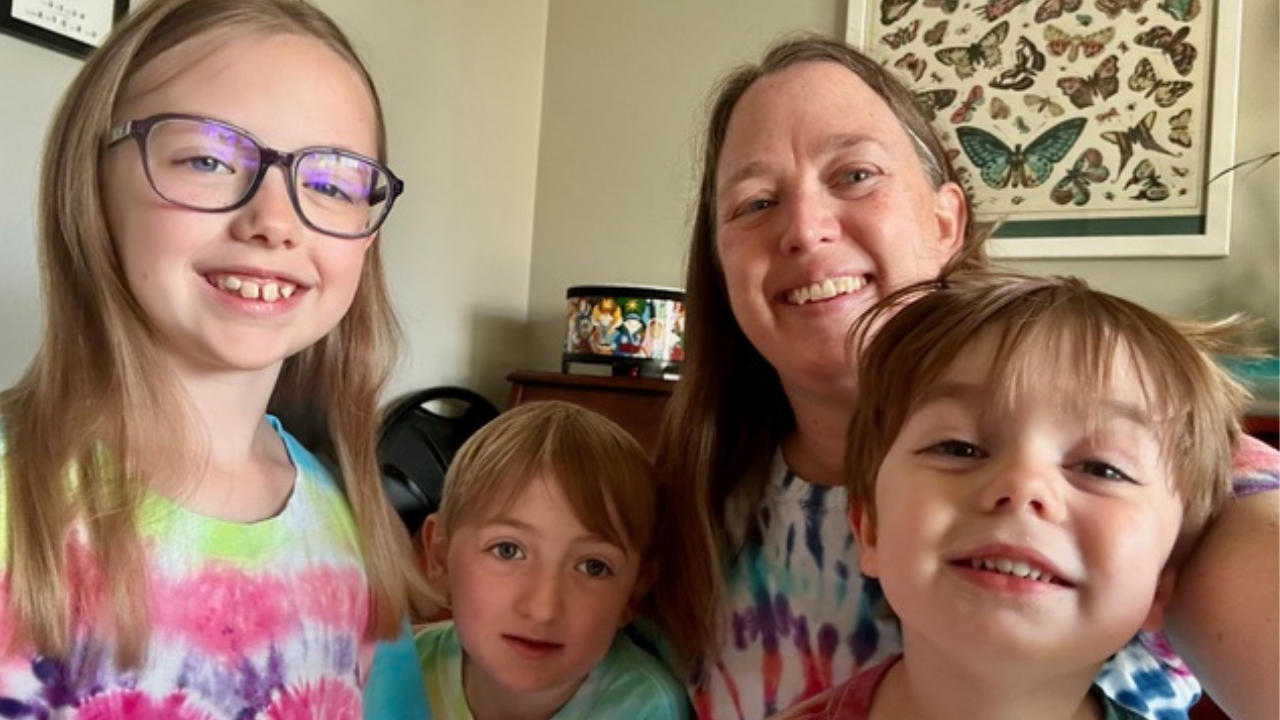
Kelly and her three children smile for the camera in their tie-dye t-shirts

Kelly Fortenboher is a longtime Baby Café participant who has relied on the program through all three of her children—and now gives back by encouraging other moms. | Photo provided by Kelly

Real Stories: How Baby Café Supports Moms at Every Stage

Every breastfeeding journey looks different. Some start smoothly. Others take unexpected turns. Most are a mix of both.

What makes the difference isn’t perfection—it’s having support through each stage.

First-Time Moms: Building Confidence Early

“That first week that I attended Baby Café with my daughter it was as much for continued support in knowing ‘ok, I’m doing this right,’” Kelly shares. It was also a moment to celebrate: “‘Hey, look! We were discharged a few days ago and we’re still doing okay!’”

For Carrie, support came in the form of practical guidance.

“They helped me figure out the best nursing positions and introduced me to a [manual breast pump] due to my oversupply, which was a life saver and made nursing much easier and enjoyable.”

When Things Don’t Go as Planned

When Kelly’s second child was born with a cleft palate, everything changed.

“And suddenly you’re thrown a complete curveball, it kind of wrecked me mentally for a bit,” she said.

But Baby Café gave her something steady.

“There were many weeks early on where I had to tell myself, ‘Just make it to Baby Cafe next week, then decide what you’ll do.’”

“And that’s what I did, and I exclusively pumped for my son for just as long as my daughter nursed before she self-weaned.”

Ongoing Support—and Lifelong Connection

“With my third-child Baby Cafe just continued to be a place of connection,” Kelly said. “By this point not going to Baby Cafe with an infant just felt lonely.”

“There are still many moms from Baby Cafe that I’m still connected with… and our kids still get together and see each other.”

Carrie echoed that experience.

“I attended baby cafe almost religiously for the first year… and then again 4 years later with my second son.”

For Nicole, that connection is still growing.

“Baby cafe has helped me make friends and I look forward to coming weekly,” she said. “It made me realize how deeply I care about breastfeeding and helping other women…”

Nicole's youngest child lays in the grass and looks at the camera.

Nicole Schroeder is a current Baby Café participant and mother of four who attends weekly for support, connection, and guidance on her breastfeeding journey.

How to Find Breastfeeding Support (and What to Look For)

“Utilize your resources and ask for help,” Nicole said. “Breastfeeding isn’t a one size fits all kind of thing… don’t compare yourself to others.”

What to Look For

  • Access to lactation experts (IBCLCs)
  • A supportive community of moms
  • A consistent, welcoming space
  • Judgment-free guidance

As an IBCLC, Dawn says combining expert guidance with peer support is what makes the biggest difference for families.

“Having support… allows you to ask questions, troubleshoot difficulties… and receive encouragement,” says Dawn.

Simple Ways to Get Started

Support can look different for every family—and not everyone has the same access. The goal is to find trusted, reliable guidance that works for you.

  • Ask your OB-GYN, pediatrician, nurse, or lactation consultant about breastfeeding support programs in your area.
  • Look for free, trusted resources online, like Baby Café (babycafeusa.org), or programs offered through health systems like UC Health.
  • Consider virtual support groups or telehealth visits if in-person options aren’t available—but make sure the source is credible and led by trained professionals.
  • Lean on friends or family members who have been through breastfeeding and can offer encouragement and real-life perspective.
  • Stay connected with your baby’s pediatrician to make sure your baby is feeding well and growing as expected.

Breastfeeding journeys don’t always follow a straight path. Some moms supplement, pump, or take breaks—and that doesn’t mean the journey is over. With the right support, many families are able to continue breastfeeding in a way that works for them.

“Have someone else drive you if you need to… but show up for you,” Kelly said.

Recovery, bonding, breastfeeding—new motherhood takes support. For many moms, community makes all the difference.

Supporting New Parents: What Actually Helps

In the early days, support isn’t about doing more—it’s about making space for moms to focus on their baby—and themselves. Because while they’re feeding and bonding, their bodies are also healing.

As a nurse, Tabatha knows the early days aren’t just about feeding—they’re also a critical time for physical and emotional recovery.

“Support also improves health outcomes… and reassures mothers that they’re not alone,” said Tabatha.

Small Ways to Make a Big Impact

  • Drop off a meal—think hearty, nourishing foods (including vegetables)
  • Set up a meal train so support continues beyond the first few days
  • Leave it at the door—no need to visit unless invited
  • Help with laundry, dishes, or tidying up
  • Offer to entertain older siblings or walk the dog
  • Give encouragement—and listen without judgment
  • Remind moms they’re doing enough, even on the hard days

For many families, the most helpful support isn’t holding the baby—it’s taking care of everything else so moms can rest, recover, and focus on feeding and bonding.

“Eat the snacks, drink a lot of fluids, and ask anybody and everybody for help so you can get some rest,” Nicole reminds other new parents. 

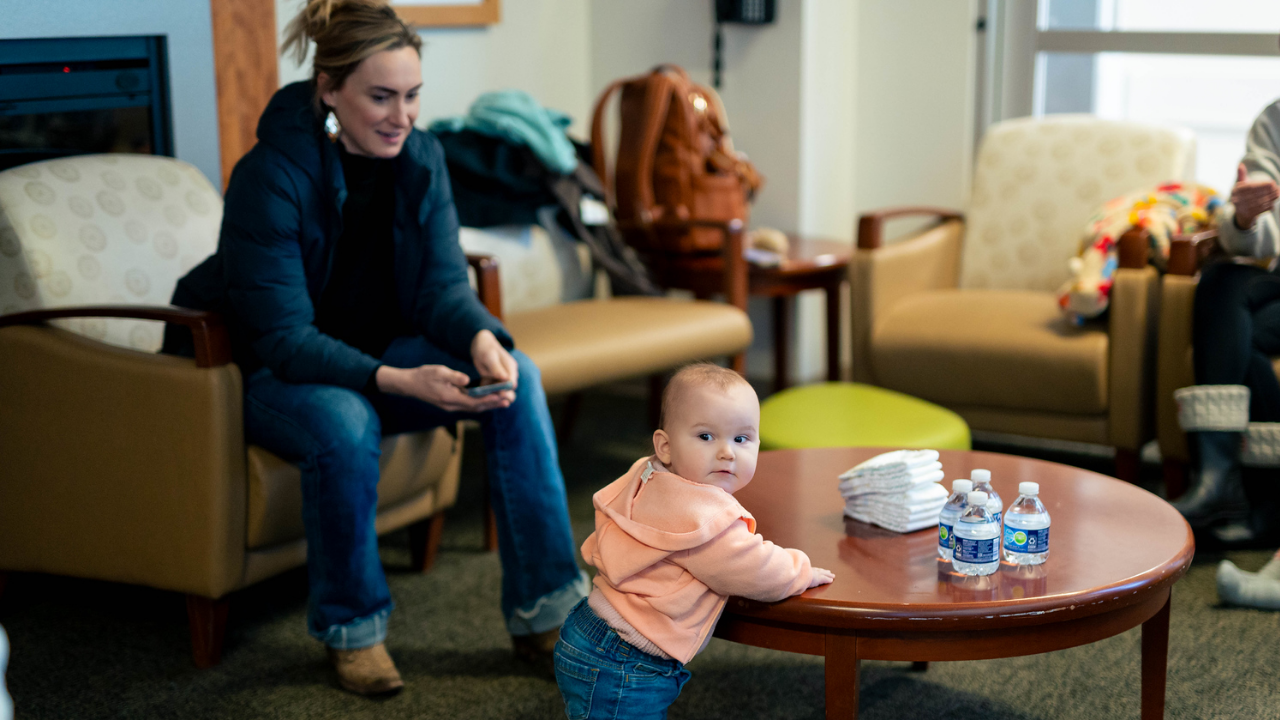
Mom watches as her baby stands at a coffee table during a Baby Cafe gathering

Week after week, Baby Café brings moms together to share questions, encouragement, and experiences with others navigating the same stage of life.

Baby Café at UC Health: 10 Years of Community Support

UC Health helped bring the first Baby Café in Ohio to West Chester Hospital—creating a free, reliable source of breastfeeding support.

Recognizing the need for ongoing support after families leave the hospital, Heather Evans, RN, IBCLC, helped lead the effort to bring the program to life.

“Feeding your child is the most fundamental of parental duties… and when breastfeeding challenges arise, it can be extremely overwhelming for a mother,” Heather said.

What started as a single weekly group has grown into a trusted resource for families across the region.

“We have reliably held sessions every Wednesday… for the past 10 years,” she said, creating a consistent place where moms can find support without an appointment.

“Baby Café stands out… because it combines professional guidance with a strong sense of community,” said Dawn.

Since opening, the program has supported an estimated 8,000 families, with locations now available across Cincinnati.

“Our program also has heart,” Heather added. “The IBCLCs love the mothers they serve.”

You Don’t Have to Do This Alone

“Don’t give up!” Nicole said. “Breastfeeding is hard… but it does get easier.”

At UC Health’s Baby Café groups in Cincinnati and West Chester, you’ll find expert guidance, real connection, and a place where you belong.

“Baby Cafe is a safe space with caring staff and volunteers,” Kelly said. “But show up for you.”

Take the First Step

Baby Café is a free, drop-in breastfeeding support group led by trained specialists and open to all moms.

  • Join a Baby Café breastfeeding support group near you in Cincinnati or West Chester
  • Come as you are—no appointment needed
  • Bring your questions, your baby, and yourself 
Find a Group:

West Chester Hospital, 3rd Floor Family Waiting Room

7700 University Drive
West Chester, OH 45069
When: Every Wednesday from 10 – 11:30 a.m.
Contact: 513-298-3310
Parking available in West Chester Hospital parking garage, 7700 University Drive

Hoxworth Building, First Floor, Room 1484
3130 Highland Ave.
Cincinnati, Ohio 45219
When: Every Thursday from 2 – 3:30 p.m.
Contact: 513-584-5257
Parking available in the Bellevue Garage, 3144 Bellevue Avenue

x