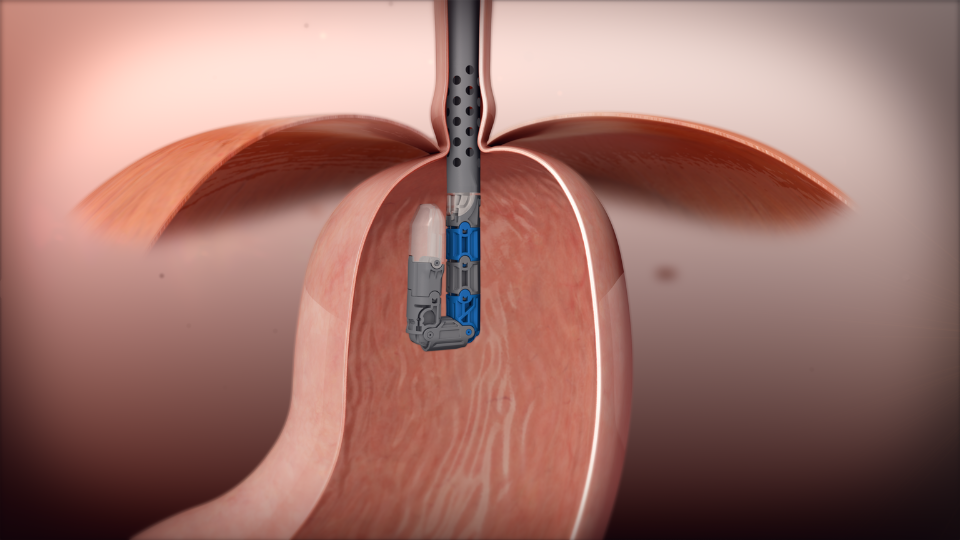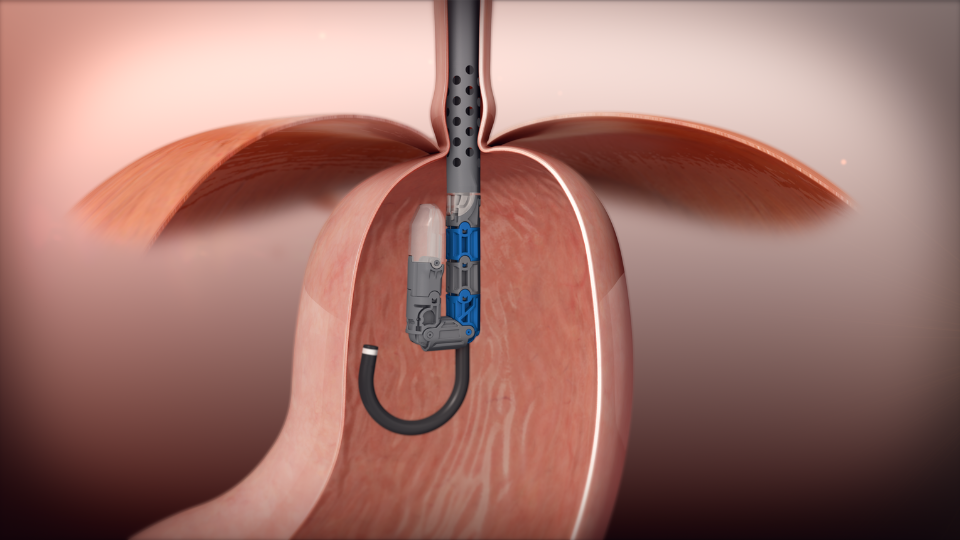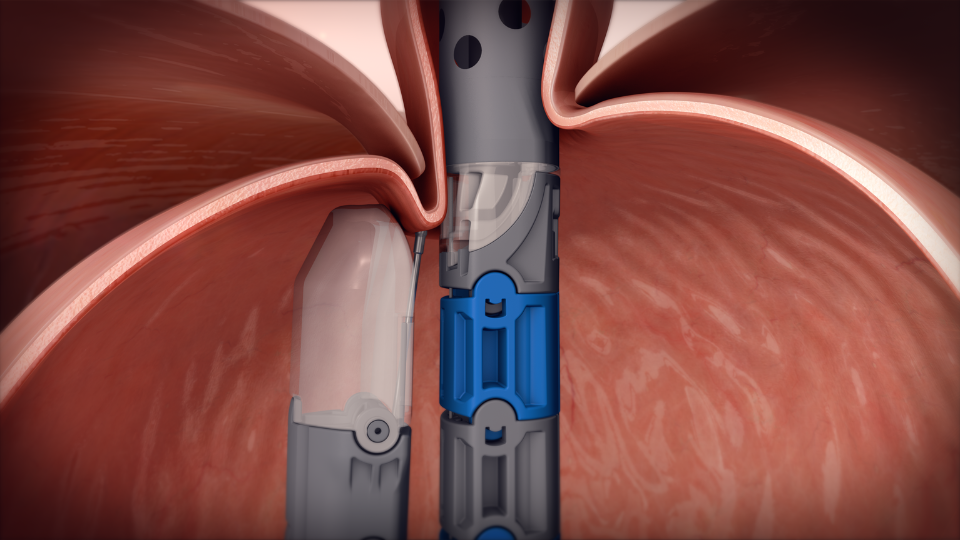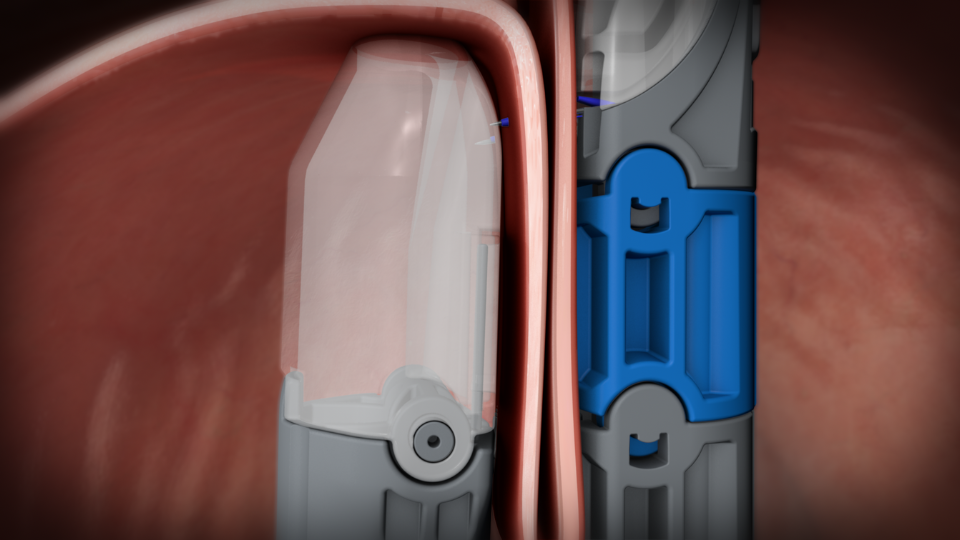
Transoral Incisionless Fundoplication (TIF) is at the leading-edge of GERD treatment, offering significant relief for the millions suffering from chronic acid reflux. This innovative, less invasive procedure uses the EsophyX device to provide effective treatment without the need for external incisions, setting a new standard in the care of reflux disease. Unlike traditional surgeries that come with longer recovery periods and higher risks, TIF stands out for its minimal downtime and reduced complication rates, making it a preferred choice for eligible patients.
The emergence of the TIF procedure represents a significant shift towards minimally invasive treatments, reflecting the growing demand for procedures that offer both efficacy and a patient-friendly approach. By directly addressing the underlying causes of GERD and improving patients’ quality of life, TIF is not just a medical procedure but a transformation in the management of reflux disease, allowing patients to quickly return to their normal activities with reduced symptoms.
What is the TIF Procedure?
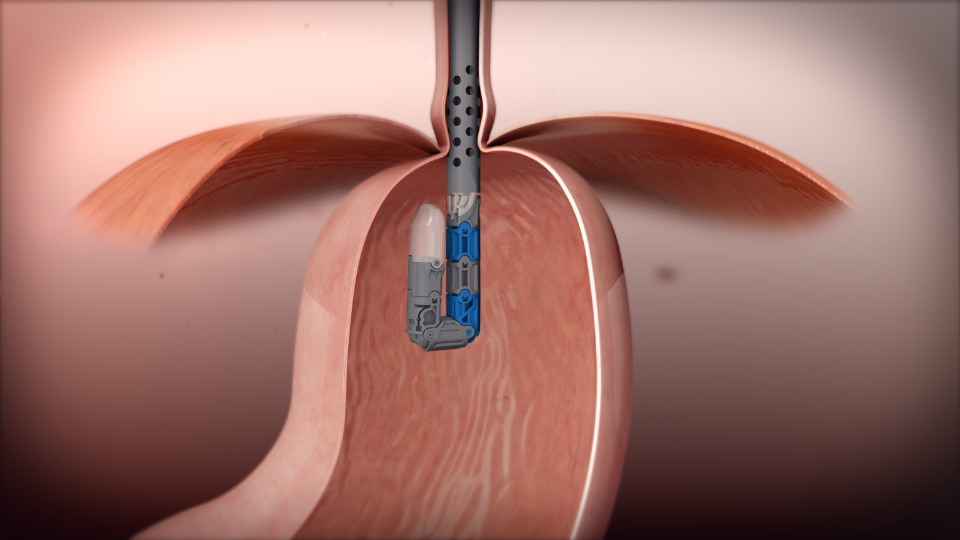
The Transoral Incisionless Fundoplication (TIF) procedure marks a significant advancement in the minimally invasive treatment of gastroesophageal reflux disease (GERD) and chronic acid reflux. Unlike traditional methods such as Nissen fundoplication, which require abdominal incisions and a more extended recovery period, TIF is performed entirely through the mouth. This innovative approach significantly diminishes the procedural risks and recovery time associated with general surgery, offering patients a more appealing alternative.
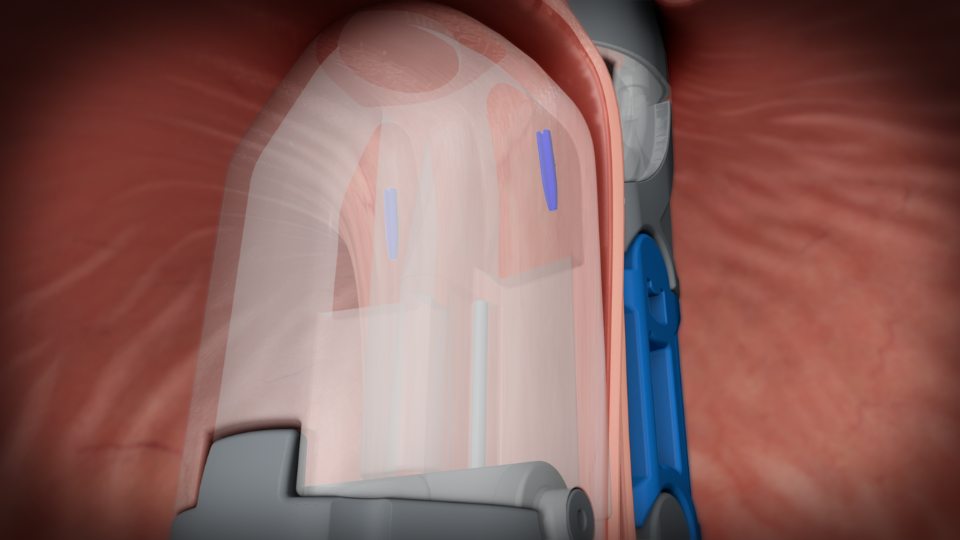
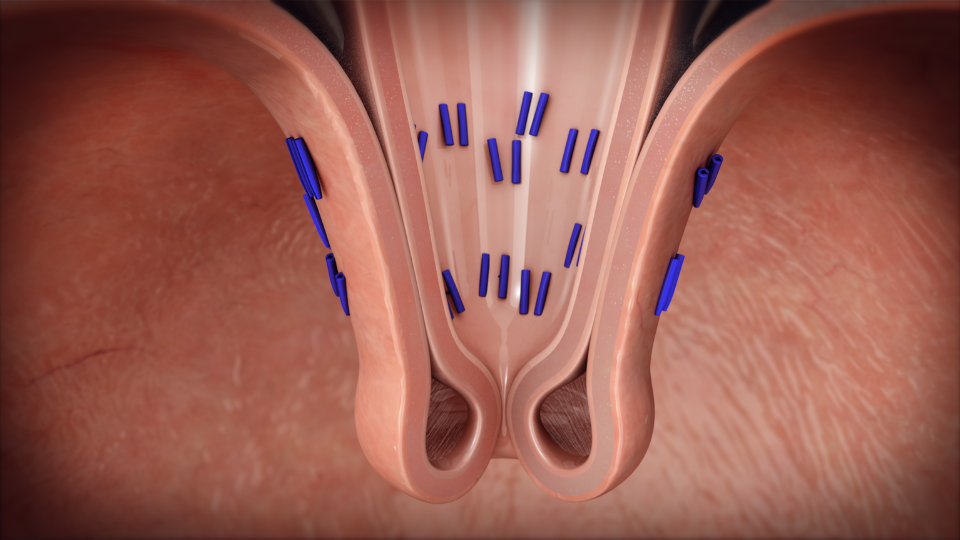
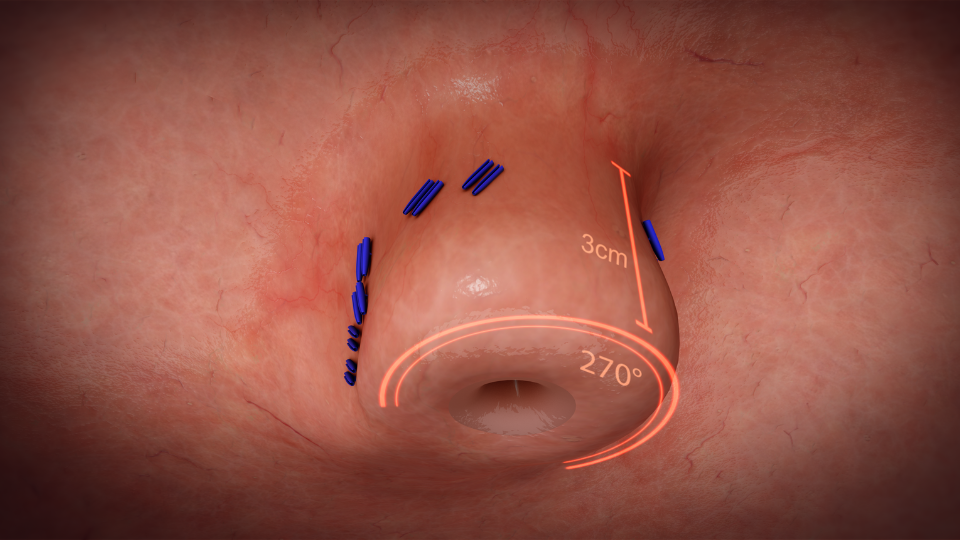
At its core, the TIF procedure is designed to reconstruct the body's natural anti-reflux barrier. By entering through the mouth, specialists use the EsophyX device to remodel the gastroesophageal valve, enhancing its ability to prevent stomach acid from rising into the esophagus. This procedure effectively addresses the root cause of GERD and reflux symptoms, offering long-term relief without the scars and potential complications of open or laparoscopic surgery.
The TIF procedure's incisionless nature is a breakthrough in reflux treatment, reflecting the broader trend towards less invasive medical interventions. It aligns with patients' desires for treatments that not only resolve their symptoms but also allow for a rapid return to normalcy. For individuals battling with the daily discomforts of acid reflux—such as heartburn, regurgitation, and difficulty swallowing—the TIF procedure offers a promising solution that balances efficacy with a patient-friendly approach.
By bridging the gap between pharmacological treatments and traditional surgery, Transoral Incisionless Fundoplication provides a middle ground for patients seeking more substantial relief than medication can offer but are hesitant about undergoing conventional surgery. As such, the TIF procedure represents not just an alternative, but a new standard in the compassionate and effective treatment of gastroesophageal reflux disease.
Understanding Acid Reflux and GERD
Acid reflux, occasionally turning into chronic acid reflux or GERD, is a condition where stomach acid flows back into the esophagus, leading to discomfort and potential damage to the esophageal lining. The underlying cause often relates to a malfunctioning gastroesophageal valve that fails to keep the corrosive stomach acid at bay. GERD symptoms, including heartburn, regurgitation, and difficulty swallowing, significantly impact patients' quality of life, necessitating effective medical interventions.
Candidates for the TIF Procedure
Identifying the ideal candidates for the Transoral Incisionless Fundoplication (TIF) procedure is a pivotal step towards ensuring its success and effectiveness. Primarily, this innovative treatment is designed for patients grappling with the symptoms of gastroesophageal reflux disease (GERD) or those diagnosed with a hiatal hernia, who have not found relief through conventional methods such as proton pump inhibitor (PPI) therapy. The TIF procedure is particularly suited for individuals seeking an alternative to long-term medication or those wishing to avoid the complications and recovery time associated with traditional reflux surgeries.
To determine eligibility for the TIF procedure, healthcare providers conduct a comprehensive assessment, which includes a detailed review of the patient's medical history, symptomatology, and previous treatment responses. This evaluation often involves diagnostic tests such as endoscopy, pH monitoring, and manometry to accurately gauge the severity of the reflux and the structural integrity of the esophagus and gastroesophageal valve. Through this meticulous screening process, medical professionals can identify patients who will most benefit from the procedure, ensuring that the TIF approach is tailored to those with the optimal chance for symptom relief and improved quality of life.
Moreover, candidates for the TIF procedure typically include patients who are:
- Experiencing persistent GERD symptoms despite optimal PPI therapy.
- Suffering from side effects associated with long-term use of acid reflux medication.
- Displaying anatomical issues such as a small hiatal hernia, which contribute to their reflux condition.
- Looking for a less invasive alternative to traditional surgical interventions, with a preference for a quicker recovery period and fewer postoperative restrictions.
For patients fitting these criteria, the TIF procedure offers a compelling treatment option. It not only addresses the physical discomforts associated with acid reflux and GERD, such as chronic heartburn, regurgitation, and difficulty swallowing, but also provides a path towards reducing dependence on medications and enhancing overall well-being.
The candidacy for the TIF procedure is not a one-size-fits-all determination. Instead, it involves a personalized assessment by a team of medical professionals, including gastroenterologists and surgeons specialized in minimally invasive techniques. By selecting the right candidates, the TIF procedure stands as a testament to the evolution of GERD treatment, embodying a patient-centric approach that prioritizes effective outcomes and quality-of-life improvements.