UC Health registered dietitian Joshua Edwards, RD, LD, and Rekha Chaudhary, MD, hematologist-oncologist of the University of Cincinnati Cancer Center, were recently featured in national media outlets, including SELF Magazine and Glamour Magazine. Together, they shared guidance on how to recognize whether you may be consuming too much fiber—and why striking the right balance matters for digestive health.
What is fiber, and what does it do for your body?
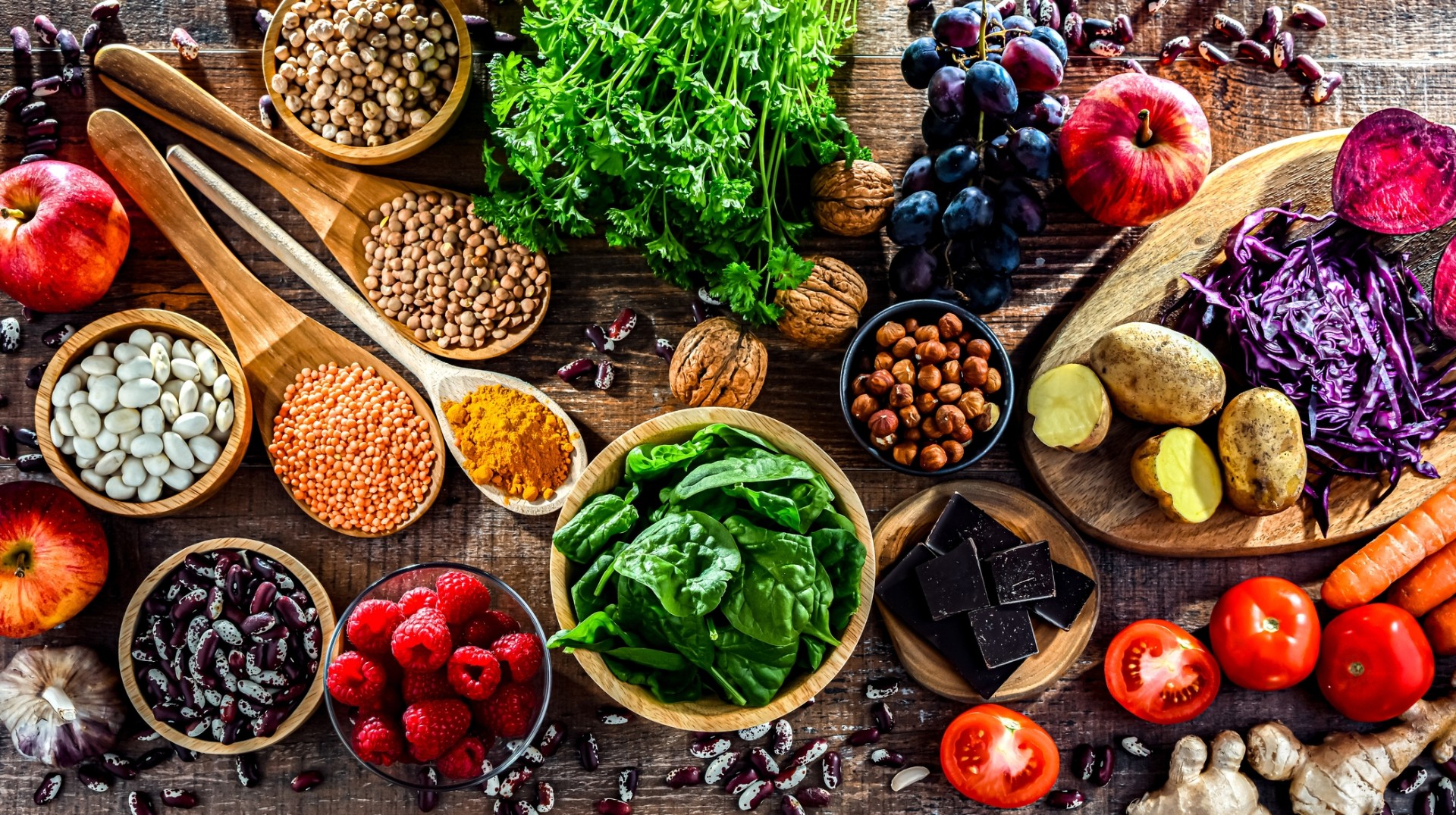
Dietary fiber is a type of carbohydrate that isn’t digested by the body. Found in plant-based foods such as grains, fruits, vegetables, legumes, nuts, and seeds, fiber is divided into two main types:
- Soluble fiber dissolves in water to form a gel-like substance in your digestive tract. It slows digestion, helps manage blood sugar and cholesterol levels, and promotes better nutrient absorption.
- Insoluble fiber does not dissolve in water and moves mostly unchanged through the digestive tract. Found in whole grains, nuts, seeds, and skins of fruits and vegetables, it helps speed up waste movement and prevents constipation.
How much fiber should you aim for each day?
Most adults fall short of fiber recommendations. Guidelines suggest about 14 grams of fiber per 1,000 calories, roughly 25 grams per day for women under 50 and 38 grams for men under 50. After age 50, recommended intake decreases slightly.
What happens if you don’t get enough fiber?
A low-fiber diet can increase the risk of colon cancer, heart disease, diabetes, constipation, diverticulitis, hemorrhoids, higher cholesterol, obesity, and irritable bowel syndrome. Fiber supports healthy gut bacteria, digestive function, and blood sugar and cholesterol management.
What happens if you eat too much fiber?
While most people under-consume fiber, increasing it too quickly or consuming excessive amounts can lead to gastrointestinal discomfort. UC Health experts emphasize that this often occurs when dietary changes are made abruptly or when hydration levels are inadequate.
Here’s what the experts shared in their national media interviews:
“Bloating, abdominal pain, and excess gas are all common consequences of increasing fiber intake,” says Rekha Chaudhary, MD. “When you eat more of it, a bunch of gut bacteria get to work fermenting it, which creates gases that cause bloating, abdominal pain, and cramping.”
“When fiber is increased, but fluid intake is insufficient, stools may become hard, and constipation can occur,” explains Joshua Edwards, RD, LD. “On the flipside, high-fermentable fibers may pull in water or speed transit, resulting in looser stools.”
Other symptoms of too much or too rapidly increased fiber may include:
- Bloating and gas: Rapid fiber increases lead gut bacteria to ferment the fiber, producing gas.
- Abdominal cramping: Increased bulk and gas can stretch bowel walls and trigger spasms.
- Constipation: Inadequate fluid intake can make stools hard to pass, especially with insoluble fiber.
- Diarrhea or loose stools: High-fermentable fibers that contain FODMAPs can pull in water or speed transit. Insoluble fiber can worsen diarrhea in those already prone to loose stools.
- Low mineral absorption: Excess fiber may reduce absorption of iron, calcium, magnesium, and zinc over time.
- Feeling full too soon: Large amounts of fiber can fill the stomach quickly, potentially reducing intake of protein and healthy fats.
How to prevent gastrointestinal issues:
- Gradually increase fiber intake over 2-4 weeks rather than making sudden changes.
- Stay hydrated throughout the day to help fiber move smoothly through the digestive tract.
- Spread fiber intake across meals to avoid feeling overly full and ensure space for protein, healthy fats, and other nutrients.
Key takeaway
Fiber is essential for digestive and overall health—but balance matters. Most people can benefit from increasing their fiber intake, but doing so too quickly or without adequate hydration can lead to bloating, cramping, constipation, or loose stools. By gradually adding fiber, staying hydrated, and aiming for the recommended daily amounts, you can support gut health, heart health, and nutrient absorption without unwanted side effects.