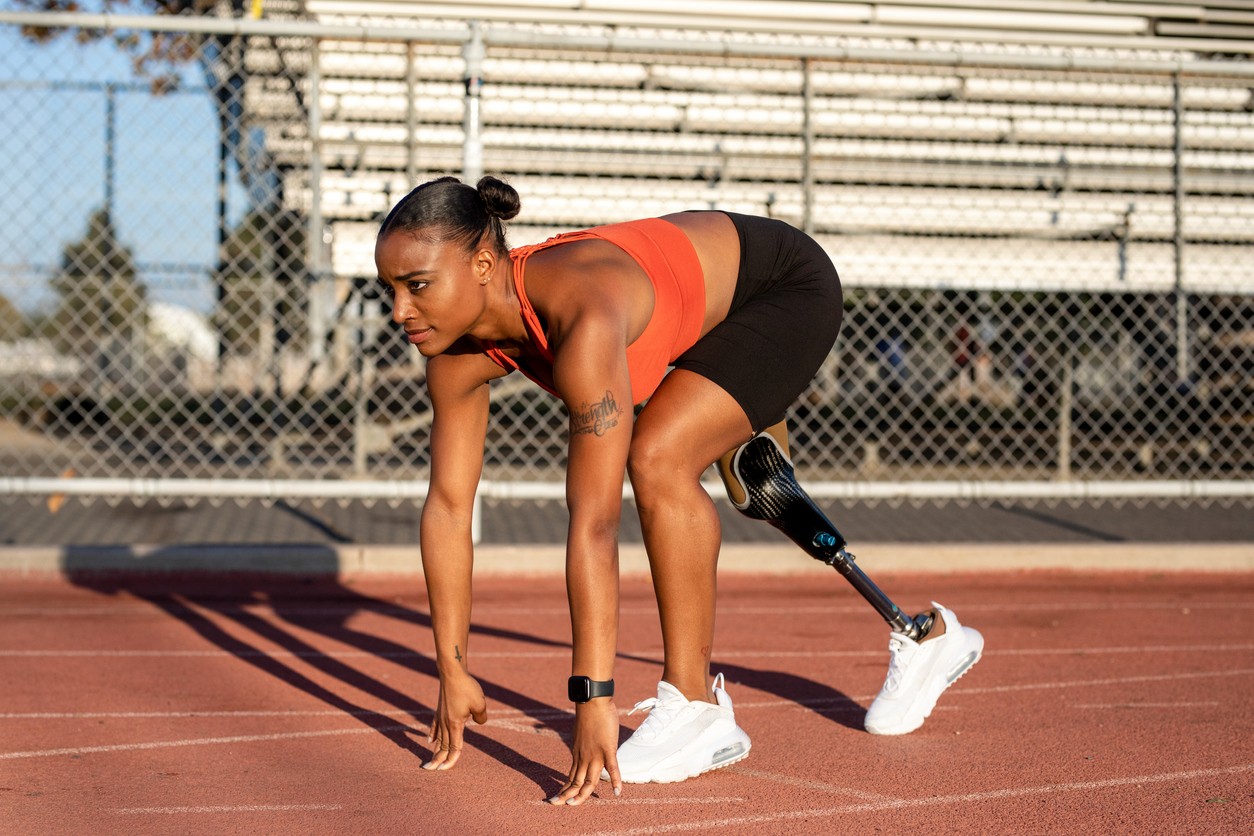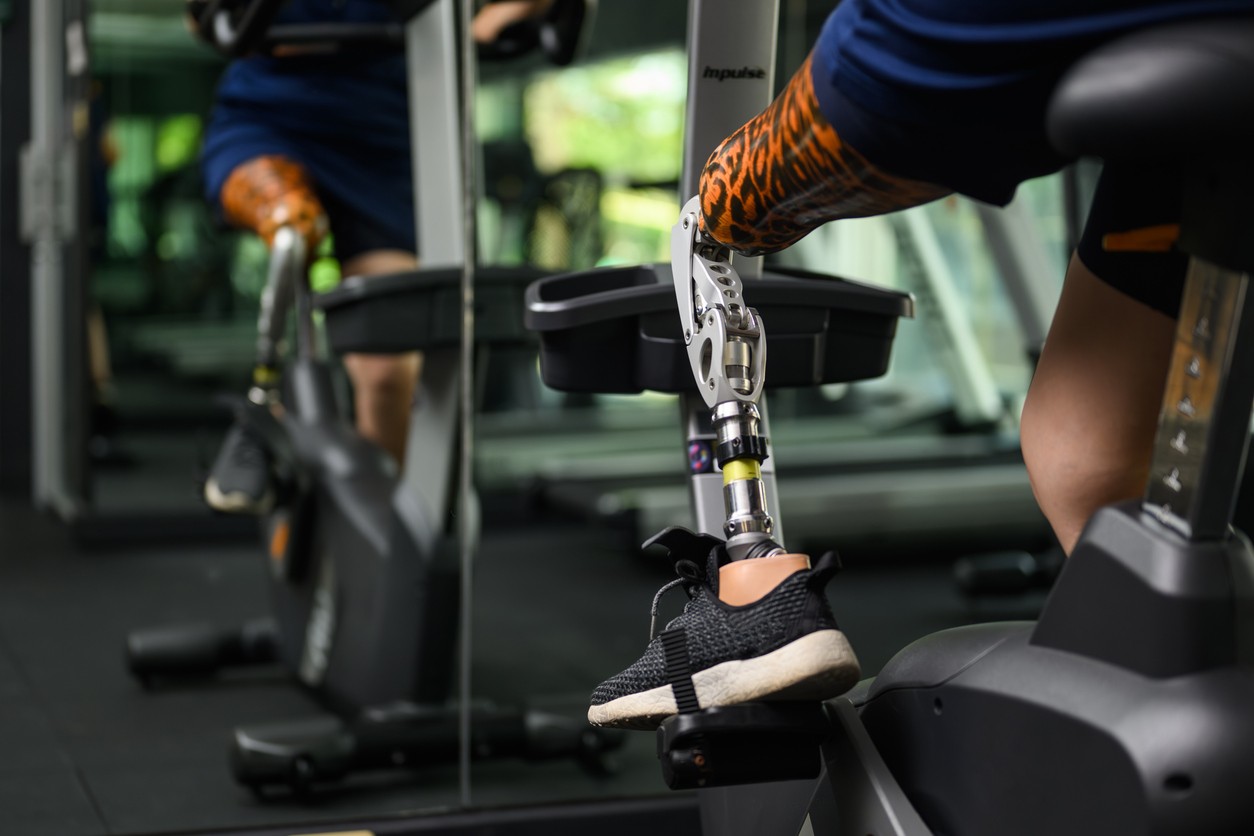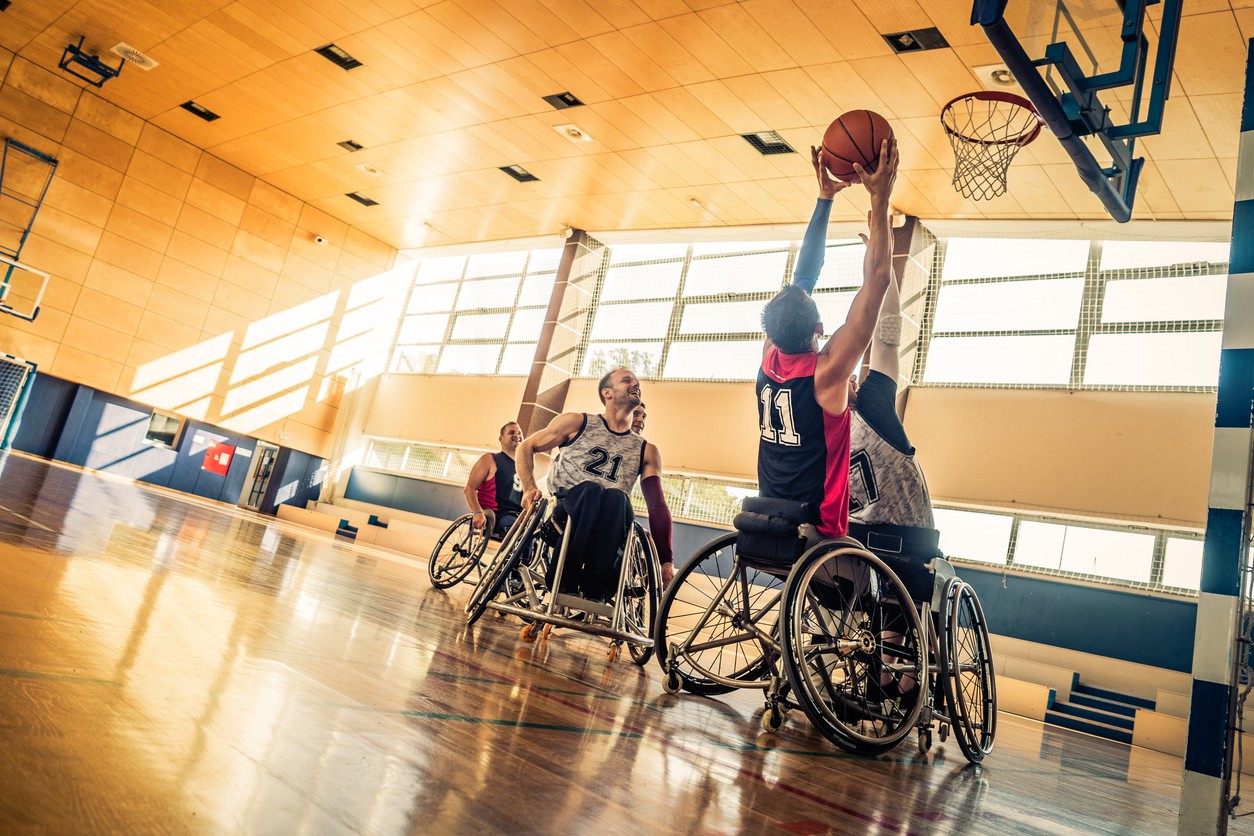
Adaptive sports are rethinking the way people with physical, sensory or cognitive disabilities play and compete, opening doors for more athletes to enjoy a wide variety of sports. These recreational and competitive activities are modified or even specifically designed to accommodate people with a variety of disabilities in everything from tennis and softball to hockey and soccer.
Adaptive sports use specialized equipment, altered rules, or different playing formats to ensure everyone can participate fully and safely.
The rise of adaptive sports
Adaptive sports are transforming lives across communities, offering athletes with disabilities the chance to compete, excel, and push beyond what many thought possible. These modified versions of traditional sports — including entirely new activities designed for specific abilities — have exploded in popularity over the past few decades. What makes adaptive sports so powerful isn't just the competition itself, but how they serve as cornerstones for physical fitness and rehabilitation. Athletes discover strength they didn't know they had, rebuild confidence and find pathways to wellness that extend far beyond the playing field. The movement represents something beautiful: sport as a universal language that adapts to meet us wherever we are.
The evolution of adaptive sports programs
The journey of adaptive sports programs tells a story of persistence, innovation, and changing perspectives on disability. Starting primarily as rehabilitation tools in military hospitals during World War II, these programs have evolved into sophisticated competitive frameworks that rival any traditional sport.
Early adaptive sports foundations focused mainly on wheelchair basketball and swimming, but today's landscape includes everything from sit-skiing to wheelchair rugby to visually impaired soccer. Each adaptive sports program now emphasizes not just participation, but excellence and athletic achievement. The shift has been profound, from viewing disability through a medical lens to celebrating diverse abilities and competitive spirit.
Modern programs recognize that adaptive athletes aren't just participating in modified versions of "real" sports; they're pioneering entirely new forms of athletic expression that often demand skills and strategies beyond their traditional counterparts.