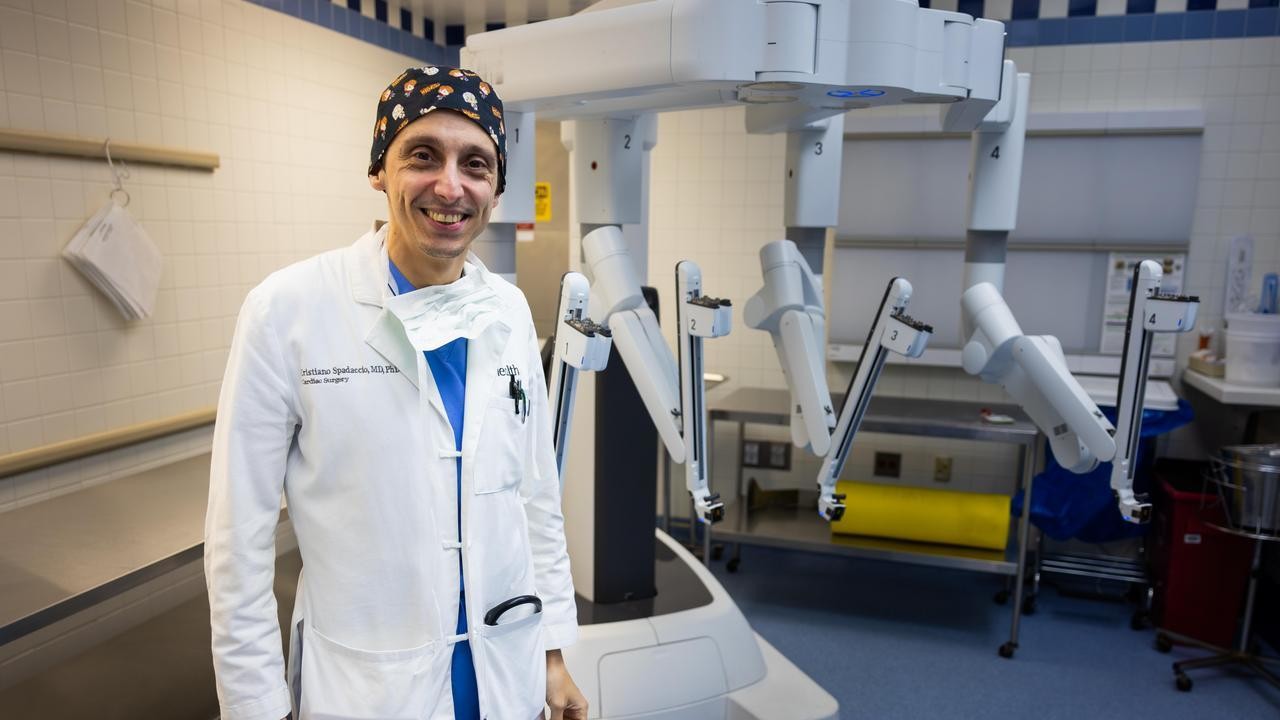
- AFib can increase stroke risk, even in patients who have few or no symptoms.
- Because every patient is different, stroke prevention plans should be tailored to an individual's health, risk factors and goals.
- Understanding your options and working with a multidisciplinary care team can help you make informed decisions about managing AFib.
For many people, an atrial fibrillation (AFib) diagnosis initially feels like a heart rhythm issue. But for physicians, one of the most important considerations is something patients may not see or feel: stroke risk.
.jpg)