Innovation

What Does an Abnormal Mammogram Mean?

Mar. 11, 2026

An abnormal mammogram doesn’t always mean cancer. It means doctors need more information to take a closer look at the breast tissue and guide next steps. Screening mammograms are the most effective way to detect breast cancer early and know your breast density.


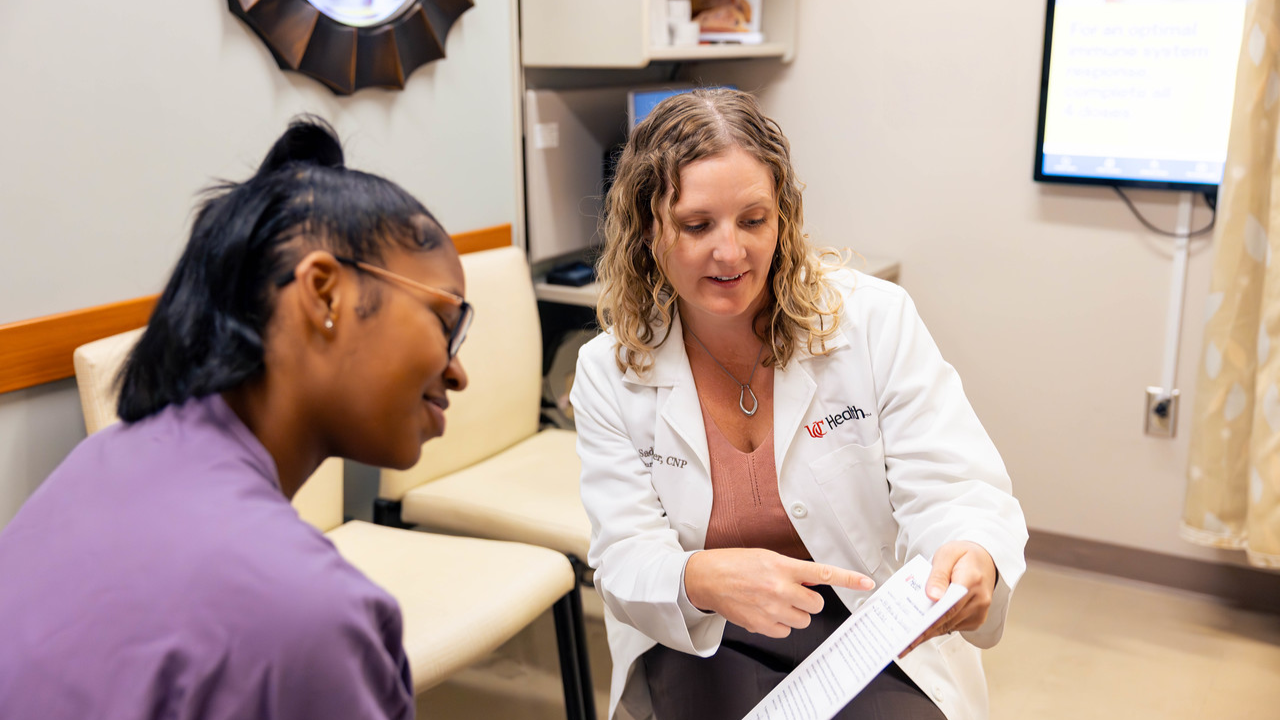
Certified Nurse Practitioner and patient review results
  • An abnormal result usually means doctors need to get a closer look—not that something serious has been found. Most abnormal mammograms are not cancer.
  • Additional imaging like a diagnostic mammogram or ultrasound helps explain what’s happening and frequently shows something benign.
  • Breast cancer is often very treatable when caught early, and UC Health’s breast imaging specialists and the University of Cincinnati Cancer Center’s teams guide patients every step of the way.

Why an Abnormal Mammogram Result Can Feel So Scary

Seeing the word “abnormal” in your MyChart results can stop you in your tracks. Your mind may race to worst-case scenarios before you’ve had a chance to talk with anyone or get clear answers. That fear is real—and it’s completely understandable. Sometimes patient portals use the word “abnormal” simply to indicate that additional imaging or review is recommended. Your UC Health team will explain exactly what your results mean and what happens next.

Many patients describe the waiting as the hardest part. Questions pile up fast: Is it cancer? Did I wait too long? What does this mean for my family? When answers don’t come right away, anxiety fills the gap.

Here’s what’s important to know right now: abnormal mammogram results are common, and most do not mean cancer. They simply mean the radiologist saw something that needs a closer look. Often, that “something” turns out to be normal breast tissue, a benign change, or a problem with the way the first image was taken.
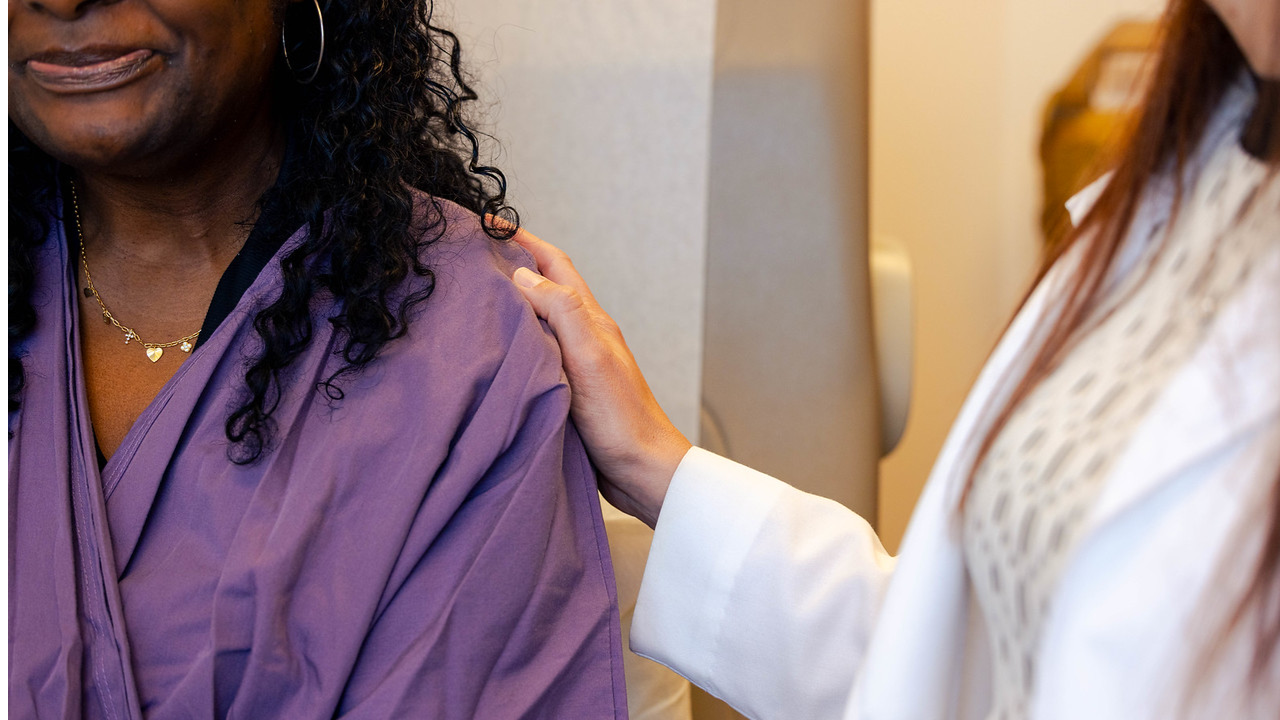
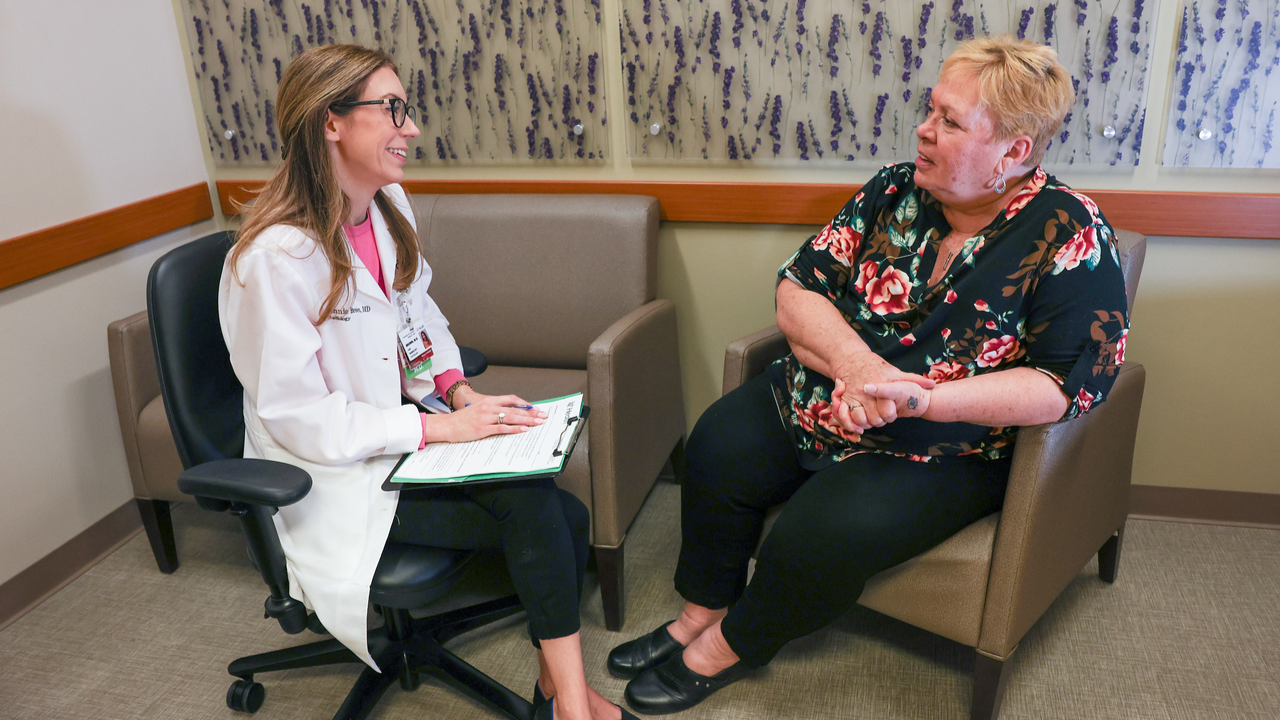
Doctor comforts a patient during an exam

What Does an Abnormal Mammogram Really Mean?

An abnormal mammogram does not mean you have breast cancer. It means the radiologist saw an area that looks different from typical breast tissue and wants to take a closer look.

Mammograms are designed to pick up even the smallest details. That’s a good thing—it helps catch changes early—but it also means they often spot things that turn out to be completely benign. An abnormal result is a request for more information, not a diagnosis.

Common Causes of an Abnormal Mammogram

An abnormal mammogram is often caused by benign or normal breast changes, including:

  • Dense breast tissue
  • Cysts or noncancerous lumps
  • Calcifications
  • Overlapping breast tissue
  • Problems with the way the image was taken

Because screening mammograms tend to be more cautious than not, follow-up imaging is frequently recommended to give more information.

What Is an Inconclusive or Abnormal 3D Mammogram?

A 3D mammogram takes multiple images of the breast from different angles. Even with advanced imaging, results can still be abnormal or inconclusive. At UC Health, we offer standard screening with 3D mammography, which provides clearer, more detailed images than traditional mammograms.

An inconclusive result simply means more information is needed. Follow-up imaging after a 3D mammogram is common and often shows nothing serious.

At UC Health, breast radiologists specialize only in breast imaging— meaning you’re getting the most accurate reading.

Dr. Ann Brown meets with a patient during an appointment

What Happens Next After an Abnormal Mammogram?

Next steps may include:

Each step helps rule out concerns or confirm what’s happening as early as possible—so you can move forward with confidence. Some patients may need additional or more frequent imaging over time.

If You Have Dense Breasts or Frequent Follow-Up Mammograms

If you have dense breast tissue or have had abnormal mammograms in the past, your care team may recommend a special screening plan. Dense tissue can make changes harder to see on imaging, so closer follow-up helps ensure nothing is missed.

Depending on your results and personal cancer risk, we may ask you to return for imaging every six months, have targeted ultrasound, or add advanced screening such as breast MRI or FAST MRI. FAST MRI is a shorter exam designed for additional screening, while a full breast MRI offers more comprehensive imaging when needed.

Together, these options help your care team tailor screening to you—so you can stay on top of your breast health with clarity and confidence.

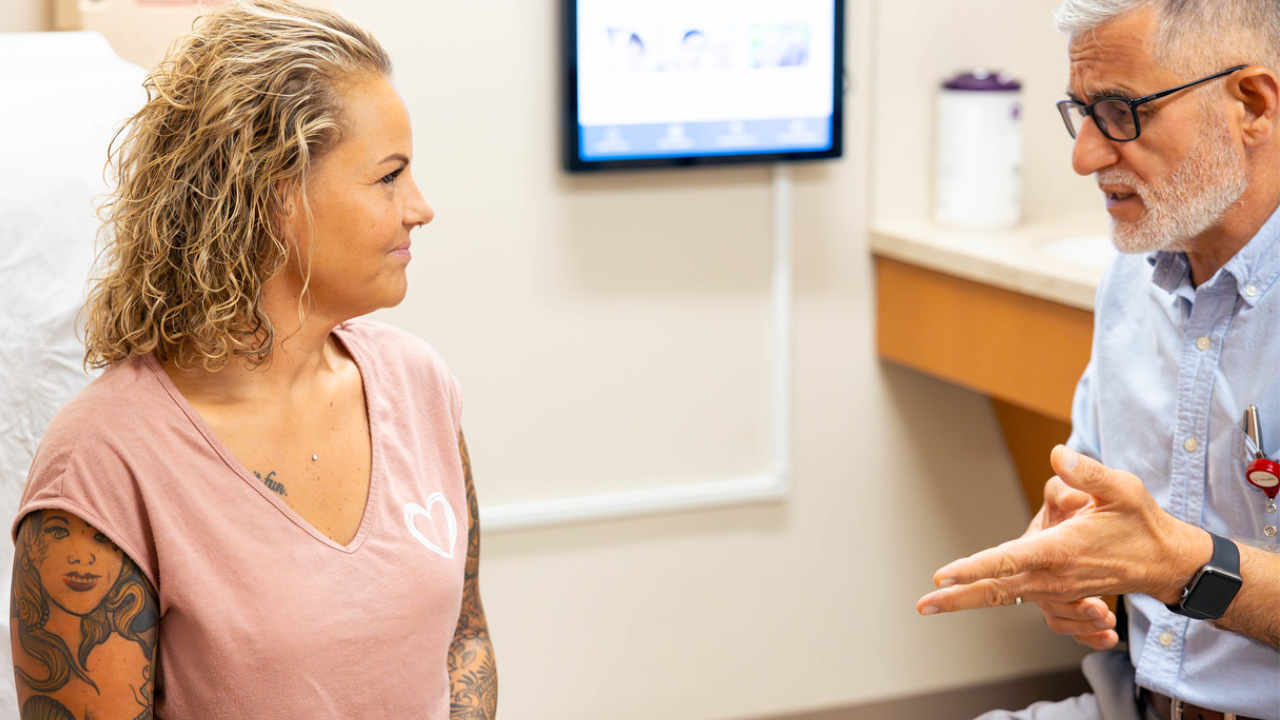
Dr. Mahmoud Charif at the University of Cincinnati Cancer Center meets with a patient

If It Is Cancer: What Patients Should Know Right Away

If testing shows breast cancer, it’s important to know this: breast cancer is often very treatable, especially when found early.

Early-stage breast cancer often causes no symptoms, which is why mammograms matter. Survival rates continue to improve thanks to early detection and advances in treatment.

We support our patients with a full team of specialists through the UC Cancer Center Breast Cancer Center, from diagnosis through survivorship.

Why Early Detection Matters

Early detection can save lives. Finding abnormal tissue or cancer early often means:

  • Easier treatment
  • More options
  • Better outcomes

About one in eight women will develop breast cancer during their lifetime, making regular screening and timely follow-up essential.

The UC Health Difference in Breast Imaging & Care

UC Health is the only healthcare system in the region where breast radiologists only read breast images, making them true experts.

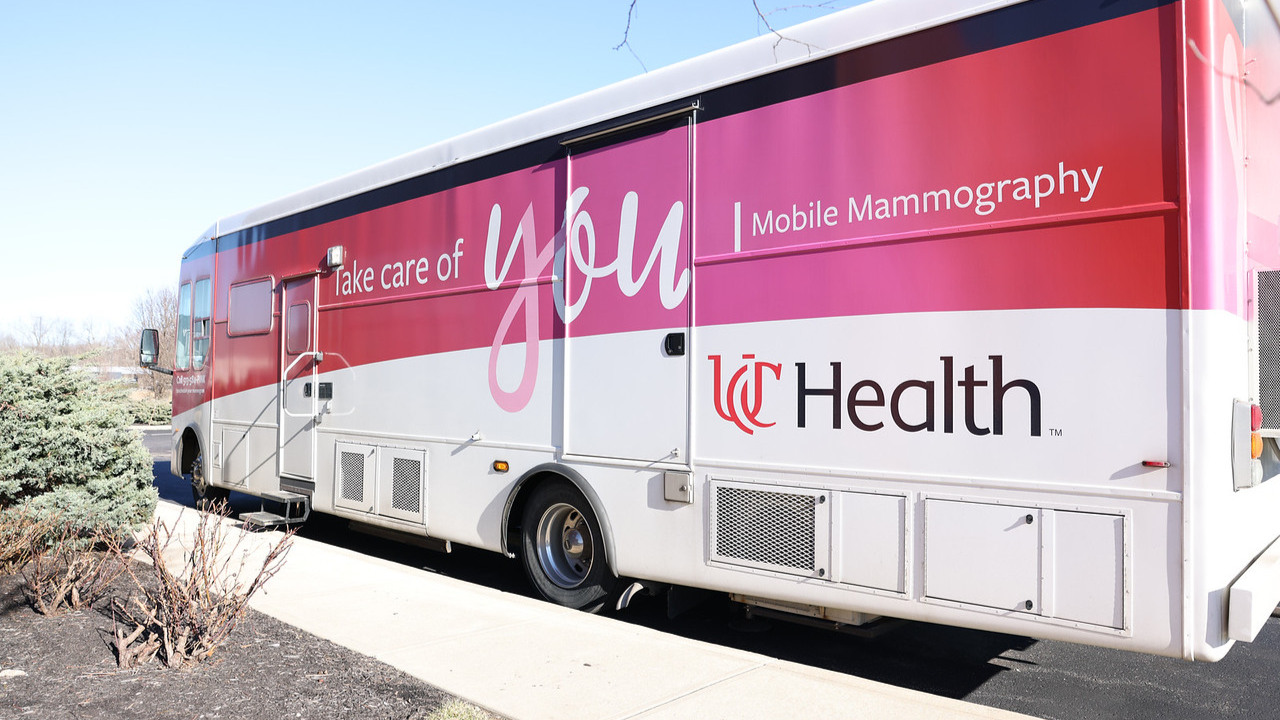
We connect your care—from imaging to diagnosis to treatment—so patients never feel alone. UC Health also offers education, prevention, and risk evaluation through programs like the Risk Assessment & Management Program and our 3D Mobile Mammography Van.

UC Health Mobile Mammography bus

Schedule Your Mammogram

Call 513-584-PINK, or schedule through MyChart.

x