- After years as a competitive athlete and tennis professional, severe back pain and nerve compression eventually left Nancy struggling with basic daily activities
- Working with Dr. Rani Nasser and the UC Health team, Nancy got a plan built just for her needs
- Physical therapy and a gradual return to activity helped Nancy rebuild strength and confidence after surgery
- Today, she’s playing tennis, biking and swimming again—and recently qualified for the World Triathlon Championships
Patient Stories
Back in motion: After two spine surgeries, Nancy returns to tennis, triathlons and the life she loves
Oct. 28, 2026
When debilitating back pain left Nancy Janco-Budde unable to walk, she turned to UC Health to get moving again.
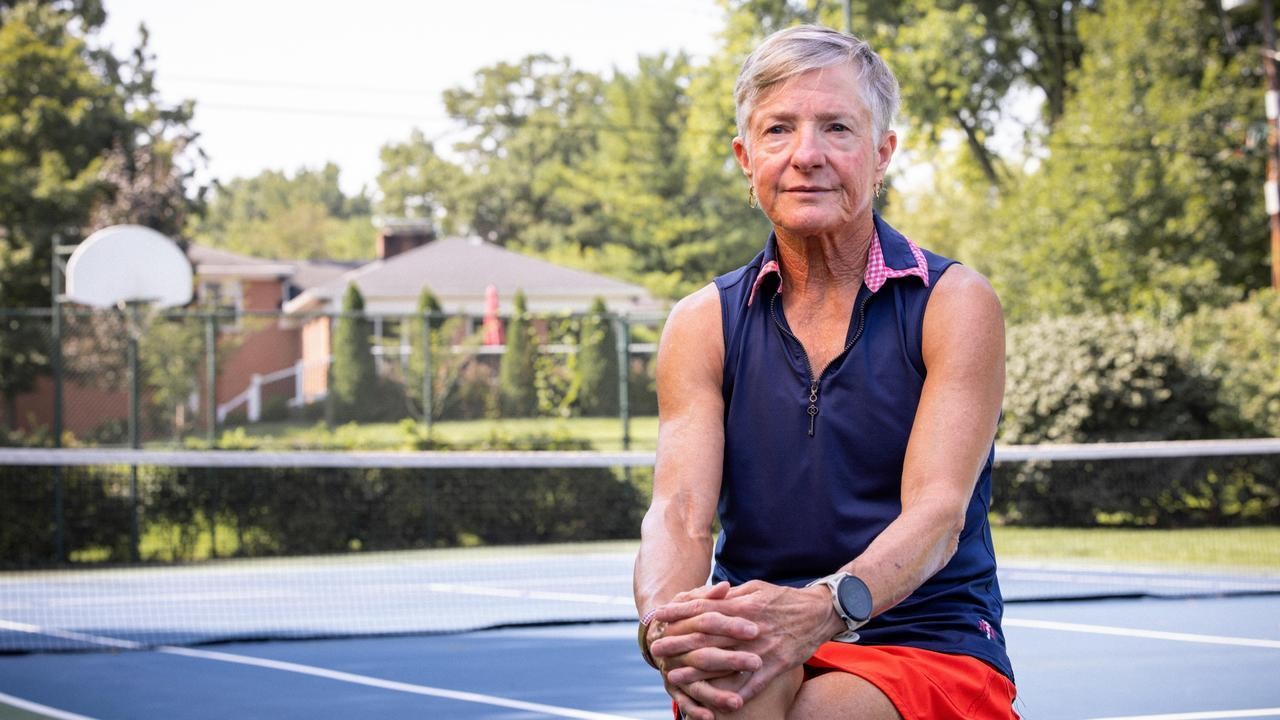
A tennis professional and competitive athlete, Nancy Janco-Budde is back even stronger after two back surgeries and a commitment to her recovery.
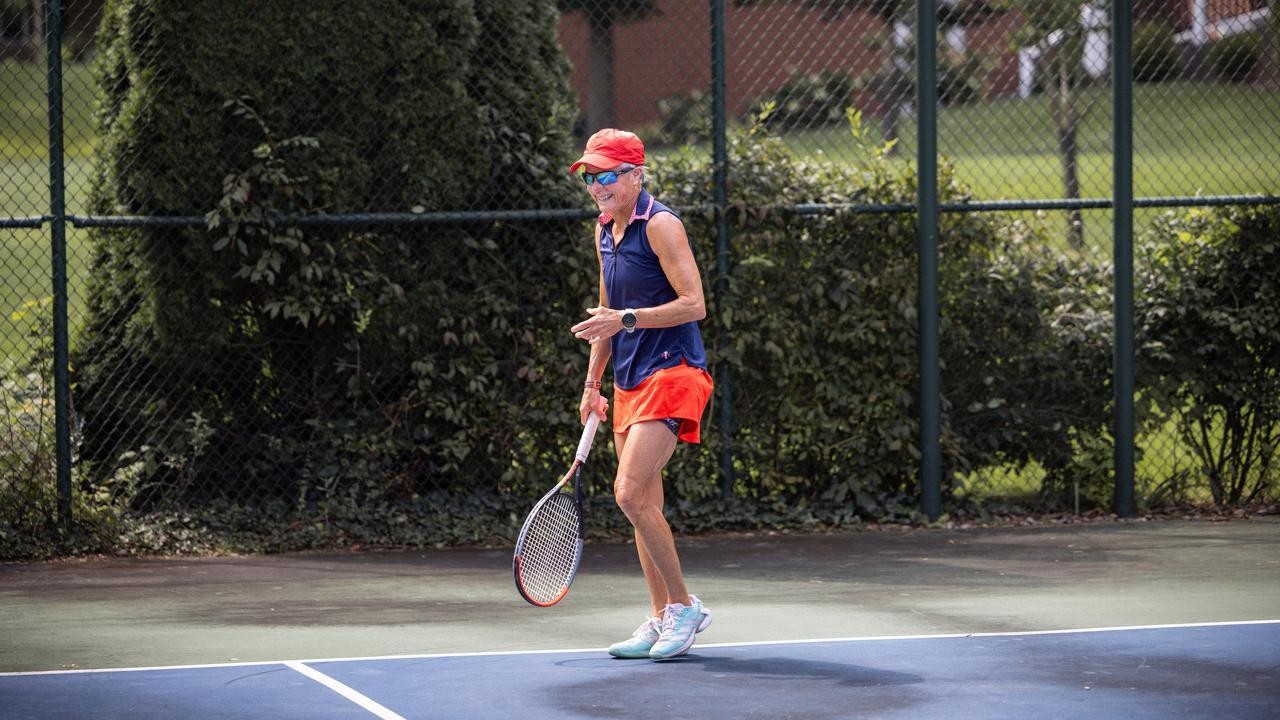
“I love movement, it’s inherent to me, it's who I am.” Nancy on the tennis court, where she plays tennis three or four times a week.
When movement is part of who you are
Nancy has spent much of her life moving. She played college tennis and taught the sport for 40 years. Later came marathons, cycling and triathlons.
“I love movement, it’s inherent to me, it's who I am,” she said.
Her back problems first became serious in 2020, when pain and weakness led her to Rani Nasser, MD, a UC Health neurosurgeon. Nancy underwent a minimally invasive spinal decompression to address a disc that was compressing a nerve and causing weakness in her foot. She recovered and returned to the active life she loved.
Several years later, however, her symptoms returned, as Dr. Nasser predicted. This time, the decline was dramatic.
“The truth is, unfortunately, you don’t stop aging after surgery. That area was prone to re-herniation,” said Dr. Nasser.
Nancy had radiculopathy and a recurrent disc herniation, causing severe pain, tingling, and trouble bearing weight on her right side. Treatments, including injections and steroids, failed to provide the relief she needed. Eventually, even basic activities became nearly impossible.
For someone whose life revolved around being active, the physical and emotional toll was profound.
“You know, pain's very personal. Everyone feels pain a little differently,” Dr. Nasser said. “And for someone like Nancy, who is so high functioning, you know, it really affects your mental health. And this was a big part of her identity.”
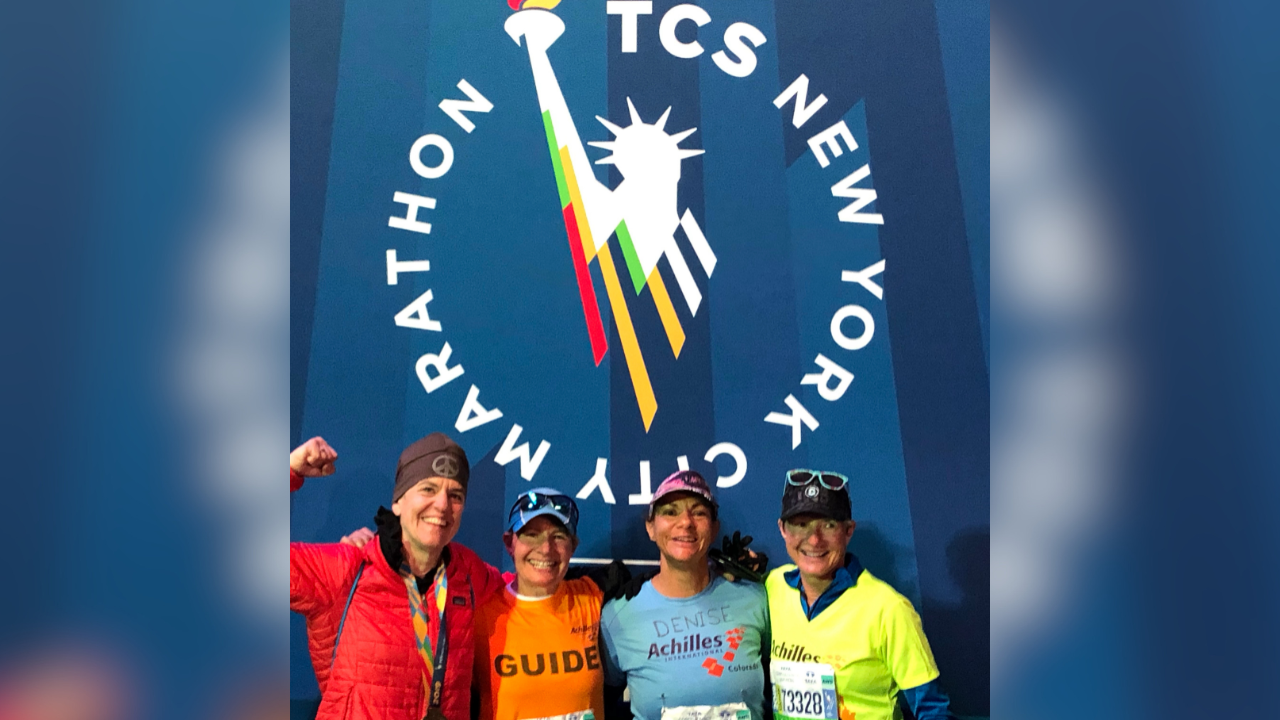
Nancy and friends at the NYC Marathon. | Photo provided by patient.
A plan built around Nancy
At the UC Health Back, Neck and Spine Center, the goal wasn’t simply to treat Nancy’s spine. It was to understand what she wanted her life to look like after treatment.
“The most important thing in determining what to do for a patient is to understand where they are and where they want to be,” Dr. Nasser said. “And I take a very customized approach to designing the perfect operation for each individual patient.”
For Nancy, surgery was ultimately necessary after other treatment approaches did not resolve her symptoms and she developed a lot of weakness. During one of the most difficult periods of her journey, Dr. Nasser gave her a message she held on to.
“He looks at me with these laser eyes and goes, ‘This is temporary,’” Nancy recalled. “And that was what I needed to hear.”
Dr. Nasser and the team focused on restoring Nancy’s function by performing a minimally invasive fusion surgery designed to relieve pressure on the affected nerve.
“She was super active, and we wanted to restore her function with the highest benefit. Minimal risk and minimally invasive surgery were a good fit for her,” Dr. Nasser said.
Getting stronger little by little
Recovery didn’t happen all at once. It happened little by little. After surgery, Nancy remembers taking 45 minutes to walk half a mile with her daughter, using a cane and slowly shuffling along.
Physical therapy became an important part of that progress. Her UC Health physical therapy team gave her exercises, gradually expanded what she could do and set boundaries designed to protect her back as she became more active.
Nancy—who admits she has never been much of a rule follower—followed those instructions.
“I did exactly what they said just because it was like, I can't go back,” she said.
Walking led to a recumbent bike. Then came swimming, which Nancy calls “magical and miraculous for my recovery.” Eventually, she started hitting tennis balls with friends and returned to cycling.
Dr. Nasser credits Nancy’s commitment to her recovery—and the partnership between surgery and physical therapy—with helping her return safely to the activities she loves.
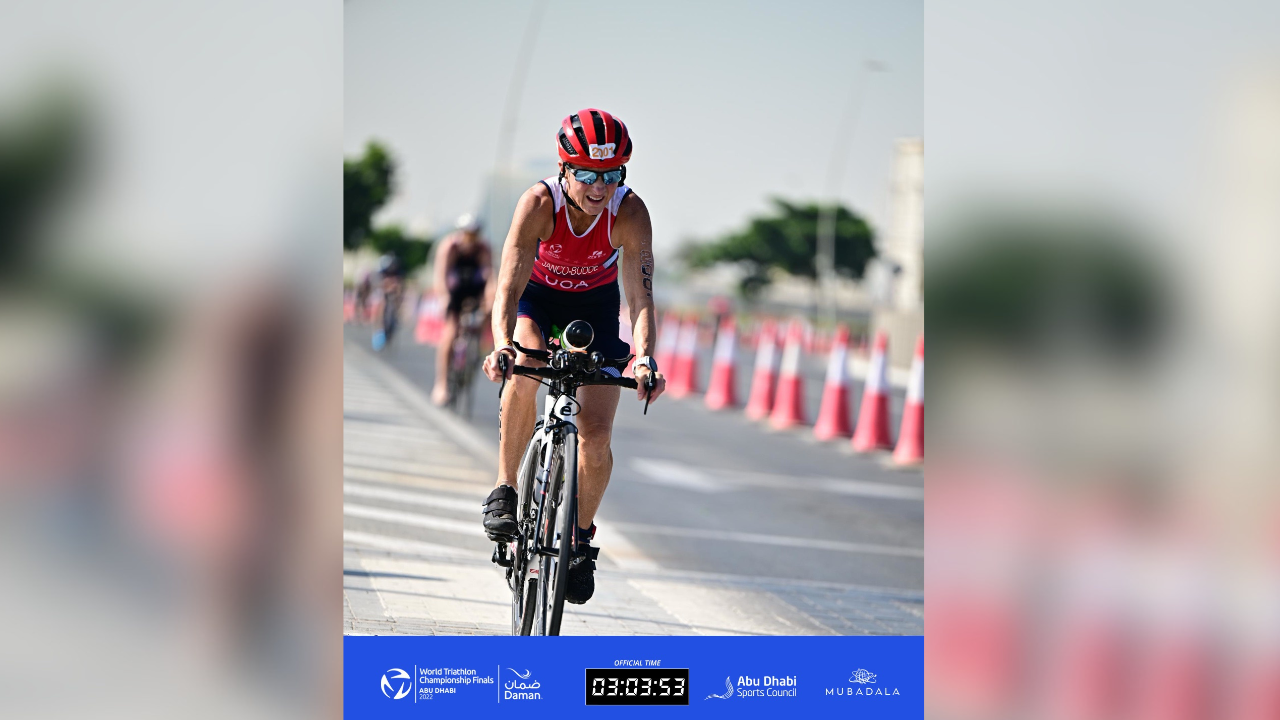
Nancy returned to cycling, qualifying for the World Triathlon Championships. | Photo provided by patient.
Getting Nancy back to being Nancy
Today, Nancy’s life looks remarkably different from those days when pain dominated nearly every moment.
She recently completed an Olympic-distance triathlon in Wisconsin and qualified for the World Triathlon Championships. She’s playing tennis three or four times a week, biking, swimming and hiking. She’s even training in hiking boots for a planned trip to Tanzania to climb Mount Kilimanjaro.
But some of the milestones that mean the most are much smaller—like being able to get on the ground and play with her young grandson again.
“The little things are the big things,” Nancy said.
For Dr. Nasser, seeing Nancy return to her life is the point of spine care.
“It was why I became a neurosurgeon, to see Nancy become Nancy,” he said.
Nancy sees it much the same way.
“You gave me my life back,” she said. “And I'm so happy to be living it.”
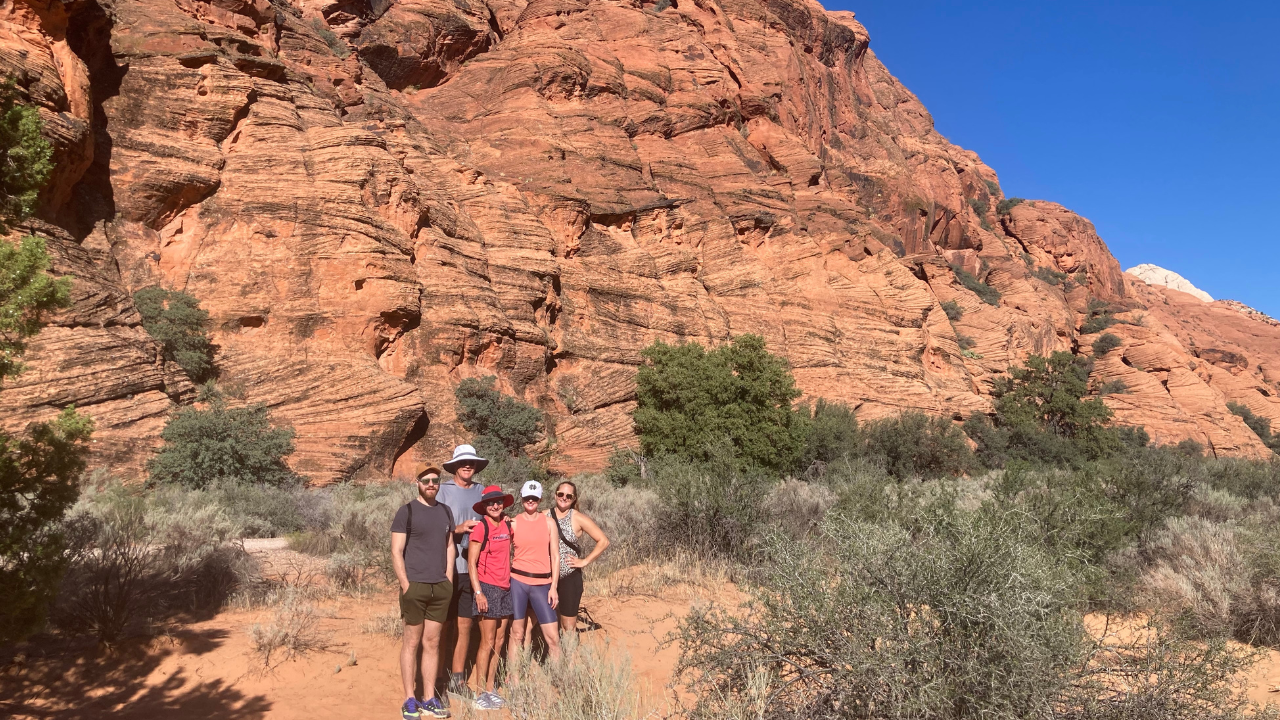
“You gave me my life back,” she said. “And I'm so happy to be living it.” Hiking with friends and family, training for a trip to Tanzania to climb Mount Kilimanjaro. | Photo provided by patient.
Back pain doesn’t have to define your life. The UC Health Back, Neck and Spine Center is a powerhouse of specialists from the UC Gardner Neuroscience Institute and UC Health Orthopaedics & Sports Medicine.
Together, they build treatment plans for each person’s needs, from nonsurgical therapies and rehabilitation to surgeries for even the most complicated cases.
With locations in Clifton, Midtown, West Chester and Florence, patients have access to care across the Greater Cincinnati area. To schedule an appointment or seek a second opinion, call 513-418-2225.
