Patient Stories

Living with pulmonary hypertension: Mary’s journey to a new normal

Nov. 3, 2026

After several years, Mary Hale found trusted care with a team that saw her as more than her pulmonary hypertension diagnosis.


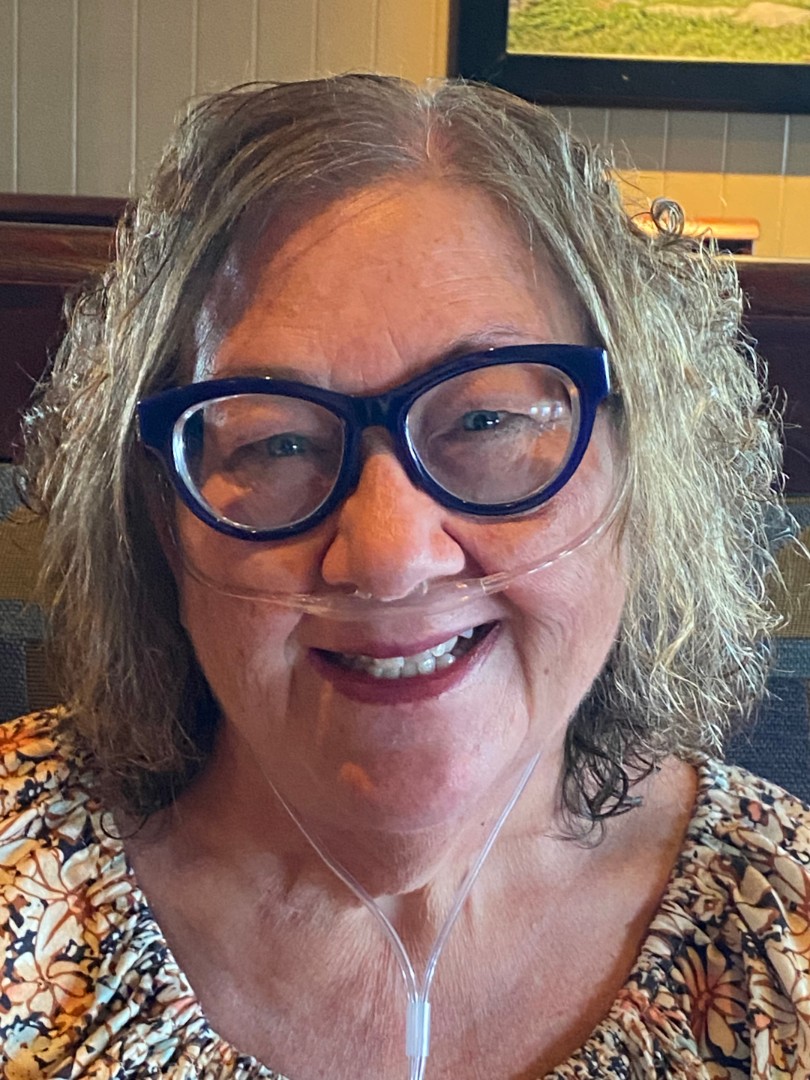
Mary Hale's headshot

Mary Hale, PH and PHA Advocate | Photo provided by patient.

  • Unexplained shortness of breath and dizziness in 2009 led to Mary’s pulmonary hypertension (PH) diagnosis in 2010.
  • As her condition progressed, Mary adjusted to oxygen, new medications and a pump-based treatment.
  • Specialized care at UC Health helped Mary navigate complex treatment and recover from a life-threatening illness.
  • Today, she leads a support group and encourages others with PH to keep doing what matters to them.


The first signs

In 2009, Mary Hale was working full-time and attending graduate school when she began noticing changes in her health. She was short of breath climbing stairs. Sometimes she felt dizzy and her vision went dark.

She eventually went to her doctor, who ordered an electrocardiogram (EKG) and referred her to a cardiologist. After further testing and a cardiac catheterization, Mary underwent emergency open-heart surgery on Jan. 25, 2010.

“I remember it plain as day,” Mary said. “They couldn’t believe I was still alive.”

During surgery, a pulmonary specialist discovered that Mary might have pulmonary arterial hypertension (PAH), a condition affecting the blood vessels between the heart and lungs. Additional testing confirmed the diagnosis in February 2010. Mary had never heard of PAH, and the news was overwhelming.

“Pulmonary arterial hypertension is a serious condition in which the blood vessels in the lungs become narrowed, increasing pressure in the pulmonary circulation and making the right side of the heart work harder” Jean Elwing, MD Director, University of Cincinnati Pulmonary Hypertension

“Early symptoms, including shortness of breath, fatigue, dizziness and difficulty keeping up with everyday activities, can be subtle and mistaken for other conditions. Recognizing these warning signs and making an accurate diagnosis are essential because earlier treatment can make a meaningful difference in a patient’s health and quality of life," said Jean Elwing, MD, FACP, FCCP.

“I cried a lot,” Mary said. “What is a chronic illness? Why did I have this? How did I get this?”

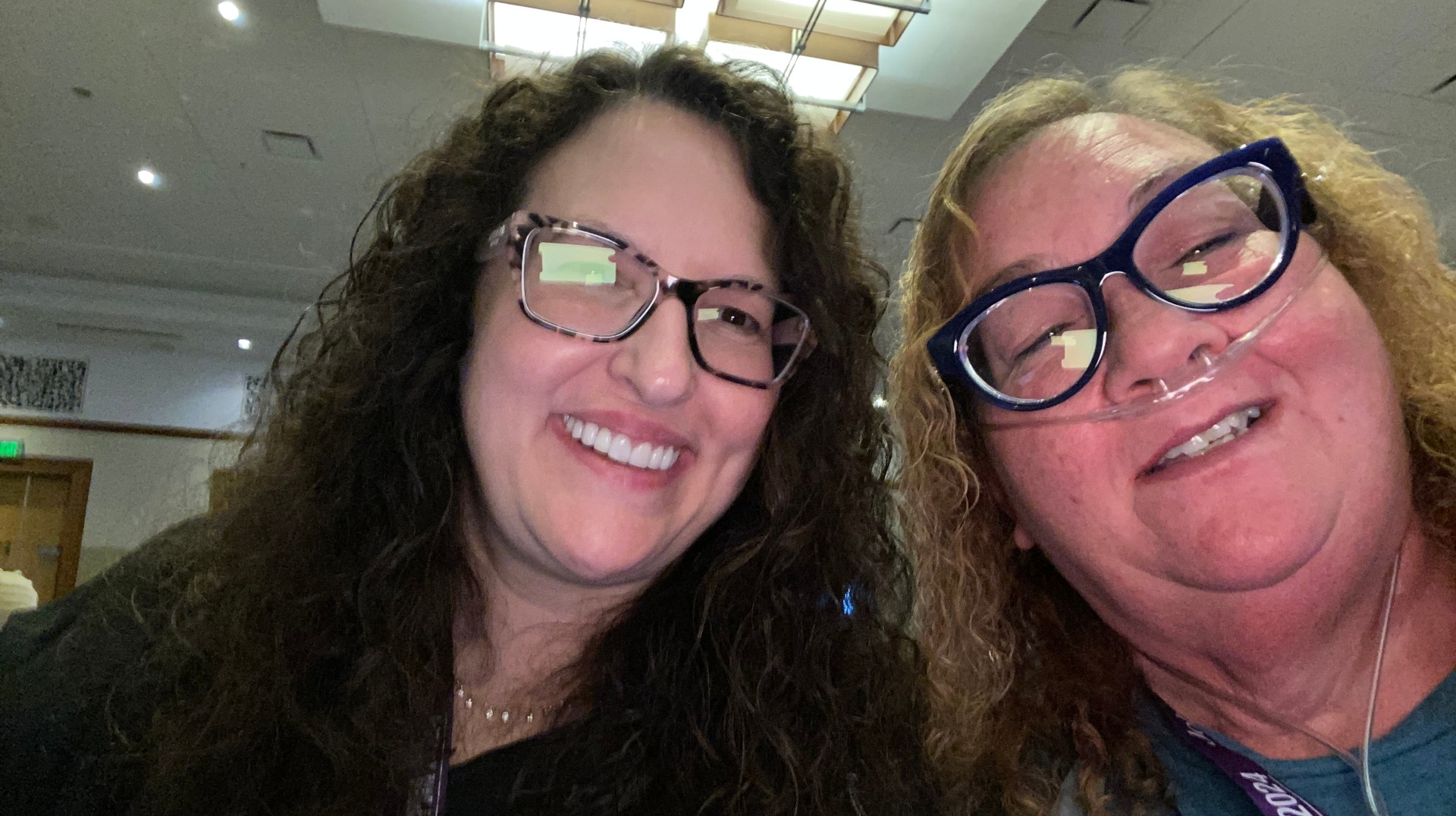
Mary Hale and Dr. Elwing supporting PAH advocacy together.

Mary Hale and Dr. Elwing together supporting PAH advocacy. | Photo provided by patient.

Adjusting to a different future

Mary had spent 17 years teaching preschool in underserved communities. She earned a master’s degree in nonprofit management and family studies, hoping to continue supporting families. But worsening fatigue and high pressures forced her to stop working in 2013 and go on disability. She also began using oxygen and adapting to changing medications.

“It was a roller coaster,” Mary said. “Everything changes. Year after year, new medicine, new doctors.” Even so, she continued spending time with family, going out with friends and finding ways to stay active.

“You’ve still got to live,” she said. “You cannot let this win over you.”


Finding specialized care at UC Health

In 2017, Mary was referred to UC Health pulmonary hypertension specialist Jean Elwing, MD. She first met Dr. Elwing when the physician spoke at a support group during Pulmonary Hypertension Awareness Month.

“I felt like I had known her forever,” Mary said. “She is genuine and down to earth.”

For Dr. Elwing, Mary’s determination to keep living life on her own terms and support others with pulmonary arterial hypertension (PAH) stands out.

“Mary is a remarkable example of resilience and determination. Despite the challenges she has faced living with pulmonary arterial hypertension, she has remained focused on living her life and helping others,” Dr. Elwing said. “What stands out most is her commitment to supporting other patients, sharing her experiences and making sure no one feels alone in their journey with this disease.”

Mary appreciates that Dr. Elwing gets to know her as a person and helps coordinate care with other specialists, including cardiology and nephrology. They also communicate through MyChart when concerns arise.

“She likes to truly get to know her patients and see where they are at, to treat the full person,” Mary said.

As Mary’s condition changed, her treatment needed to change, too. When one medication was no longer controlling her condition as her care team hoped, Dr. Elwing recommended a pump-based treatment. Mary spent a week in the hospital learning to manage it. The line required extra precautions, even while showering, but the treatment eventually helped her become more active.

“It’s scary,” Mary said. “You have to build a completely new normal.”

Advances in treatment and research

Treatment for PAH has evolved significantly since Mary’s diagnosis, with newer therapies giving specialists more options to manage the disease and tailor treatment to each patient.

“The treatment of pulmonary arterial hypertension has changed dramatically over the past two decades,” Dr. Elwing said. “We now have multiple therapies that target different pathways involved in the disease, allowing us to individualize treatment and adjust therapy as patients’ needs change.”

For some patients with more advanced symptoms or higher-risk disease, continuous intravenous medication delivered through a pump can be an important treatment option.
“Our goal is not simply to lower the pressures in the lungs, but to improve heart function, reduce the risk of disease progression and help patients continue doing the things that matter most to them.” Jean Elwing, MD Director, University of Cincinnati Pulmonary Hypertension

Mary has recently started sotatercept (Winrevair), a newer treatment for PAH that has contributed to her clinical improvement.

UC Health has also contributed to research into this treatment, participating in five clinical studies evaluating sotatercept. This work has helped advance understanding of the therapy and its role in treating PAH.

Ongoing research continues to expand treatment options for people living with pulmonary hypertension, offering new approaches that specialists can consider as patients’ needs change.

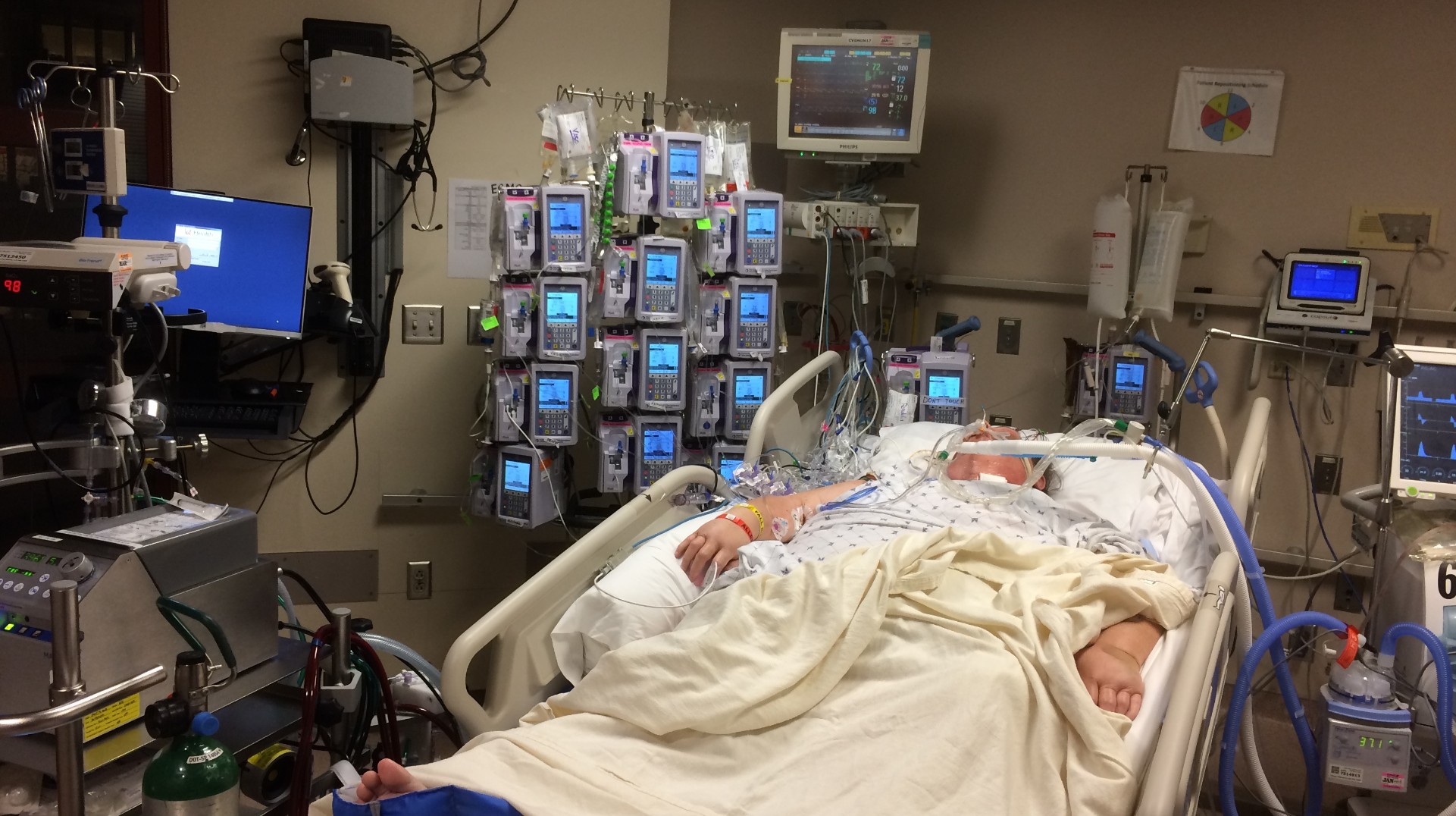
Mary Hale in the MICU

Mary Hale in UCMC's Medical Intensive Care Unit (MICU) | Photo provided by patient.

A life-threatening setback

Mary's journey took another dramatic turn in November 2018. She accidentally cut the Hickman line used for her IV medication while cleaning it. Before she could reach UC Health, she passed out and fell, injuring her left hip.

At UC Medical Center, doctors repaired the line and treated a serious infection that developed into pneumonia. Her condition deteriorated in the medical intensive care unit, and she was placed on ECMO, a form of life support that temporarily performs the work of the heart and lungs.

Her husband was told she might not survive the night. Mary remembers arriving at the hospital, then waking days later surrounded by tubes. Afterward, she needed rehabilitation to regain strength and learn to walk again. The fall left lasting numbness and weakness in her left leg, but she regained her ability to walk.

“I still walk. I still do things. I still live life,” she said.

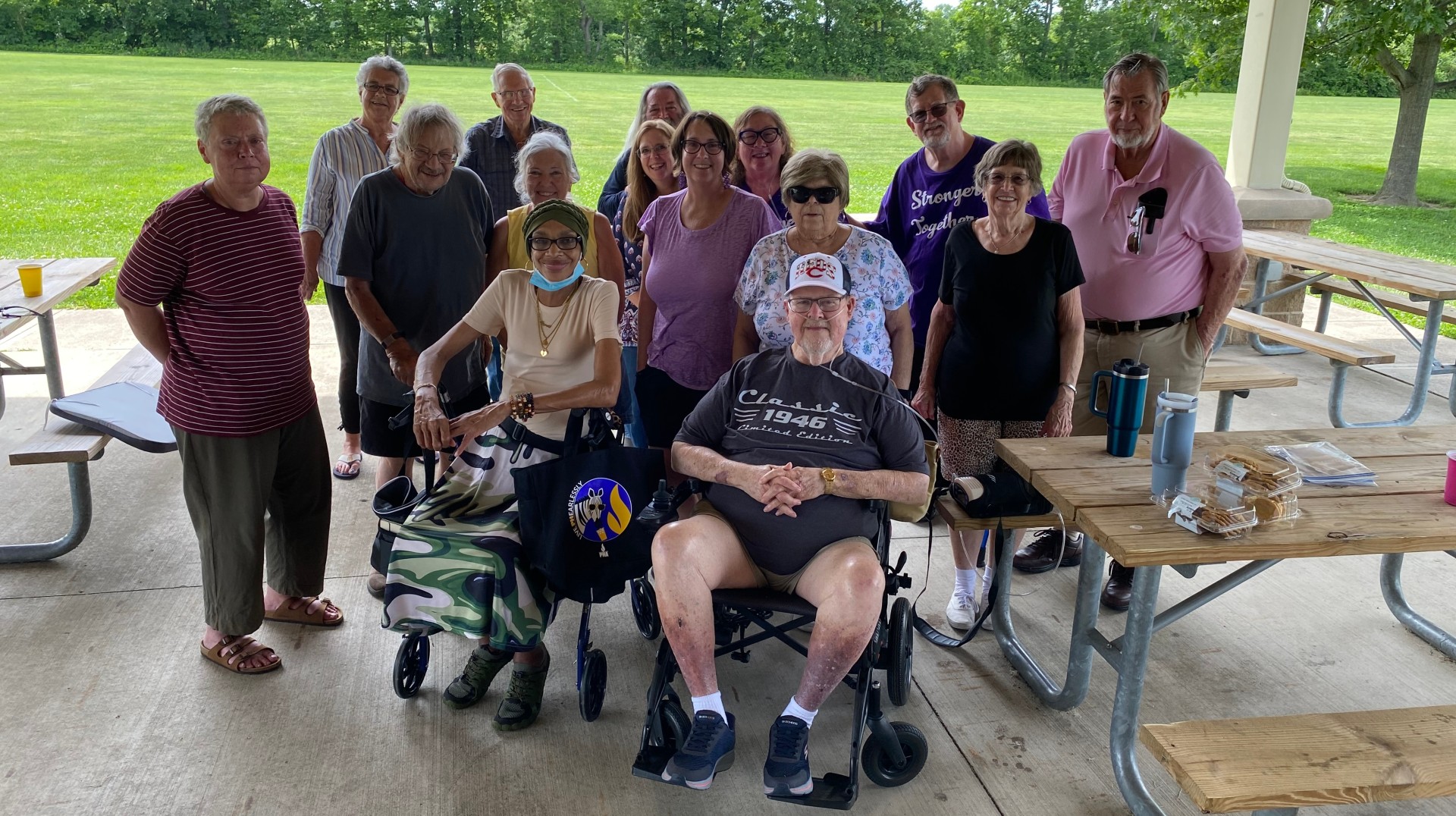
Mary Hale's support group smiling for a group photo at the Cincinnati O2breathe Walk

Mary Hale's support group at the Cincinnati O2breathe Walk | Photo provided by patient.

Helping others live with PAH

Today, Mary continues pulmonary rehabilitation twice a week. She also leads a pulmonary hypertension support group she has been involved with for nine years, sharing what she has learned and helping others feel less alone.

Her advocacy extends to the Cincinnati O2 Breath Walk, where members of her support group are joining her for her second year participating as captain of the PHWarriors.

“Mary is truly an inspiration and a role model for others living with pulmonary arterial hypertension,” Dr. Elwing said. “Despite the challenges she has faced, she has remained an incredibly positive force within the PAH community. Through her leadership, advocacy and willingness to share her experiences, she has helped others find hope, support and encouragement. She is a wonderful example of how one person can make a meaningful difference in the lives of so many others.”

“I love the PH community,” Mary said. “We all are in this together, which makes us stronger together.” She hopes the walk will raise awareness of a condition many people know little about.

At home, Mary enjoys time with her husband and family, her dog Daisy, volunteering, crafting and church activities. She acknowledges that some days are difficult, but she encourages others with PH and PAH to focus on what they can do today.

“I’m not happy every day. I have down days, absolutely. But I can’t let this overtake me,” she said.

“I hope that my story helps someone through their own story,” Mary said. “Do not let PH or PAH hold you back. There is so much life to live.”


““I have PAH, but it does not have me.”” Mary Hale PAH Advocate
Mary Hale and the pulmonary hypertension support group she leads.

Mary Hale and the PHWarriors | Photo provided by patient.

UC Health’s Pulmonary Hypertension program brings together specialists who provide comprehensive, coordinated care for adults with complex needs.

As the region’s only adult Pulmonary Hypertension Care Center accredited by the Pulmonary Hypertension Association, UC Health offers access to advanced treatments, clinical trials and expertise across specialties. The program also helps advance the future of PAH care through research and innovation.

To learn more about pulmonary hypertension care at UC Health, visit the UC Health Pulmonary Hypertension Program.


x