Health and Wellness

Preventing Football Injuries at Every Level in Cincinnati

Aug. 28, 2025

Whether tackling across the turf or chasing flags, players of all ages deserve safe play. Here’s expert advice on how smart preparation, trusted support and the right care help keep them in the game.


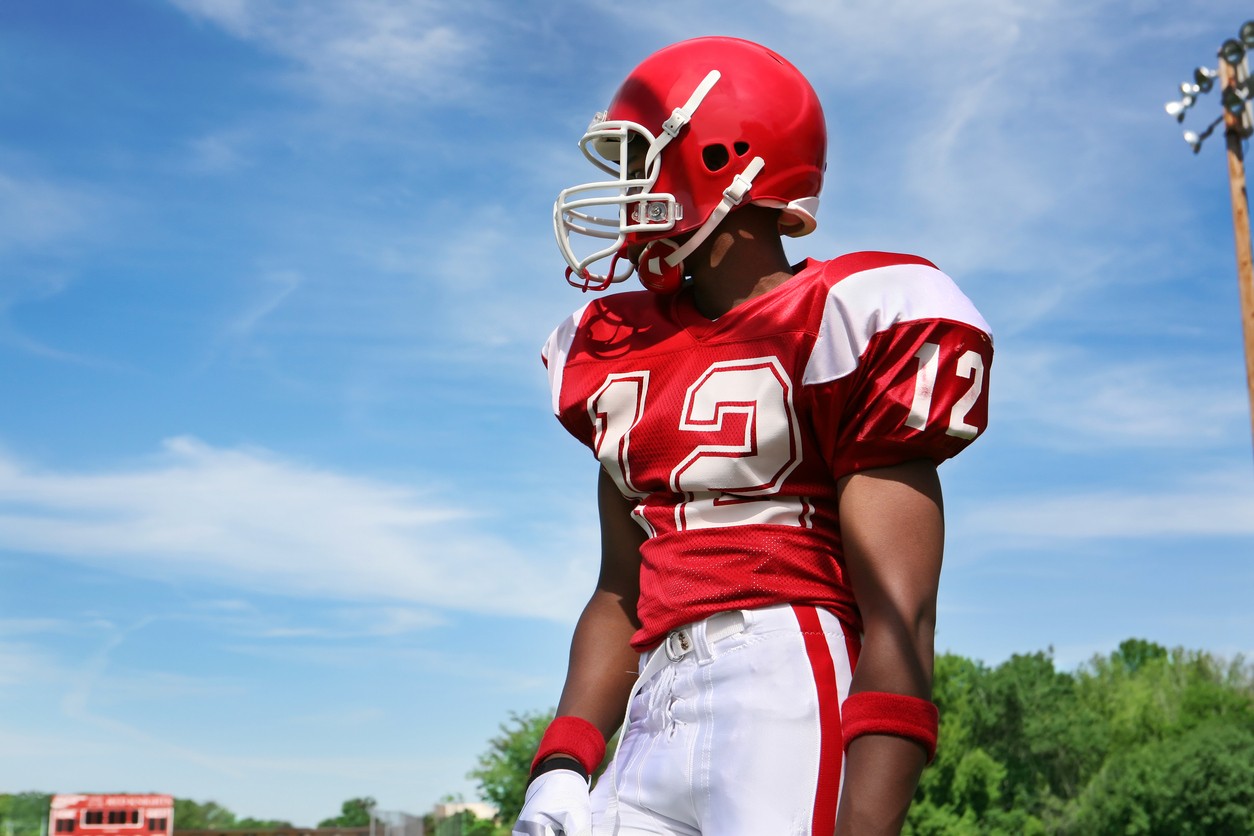
Football player in red uniform with helmet and other protective equipment

Why Football Safety Matters in Cincinnati

Cincinnati feels football in its bones—from the Bearcats roaring at Nippert Stadium to local high schools lighting up Friday nights. UC Health is committed to this passion: we proudly serve as the official healthcare provider for the University of Cincinnati Bearcats and the Cincinnati Cougars women’s tackle football team.

Today, kids are hitting the gridiron earlier than ever—some as young as age four are learning basic skills. At the same time, girls’ high school flag football teams are sprouting across the region. In 2024, Greater Cincinnati saw just 6 such teams; by 2025, that number surged to twenty, with 350 student‑athletes—who played in a Bengals‑sponsored championship at Paycor Stadium.

And it’s not just for youth—adult rec leagues are booming too. Whether you’re completing a comeback or picking up the sport for the first time, UC Health stands ready to support your safe play.
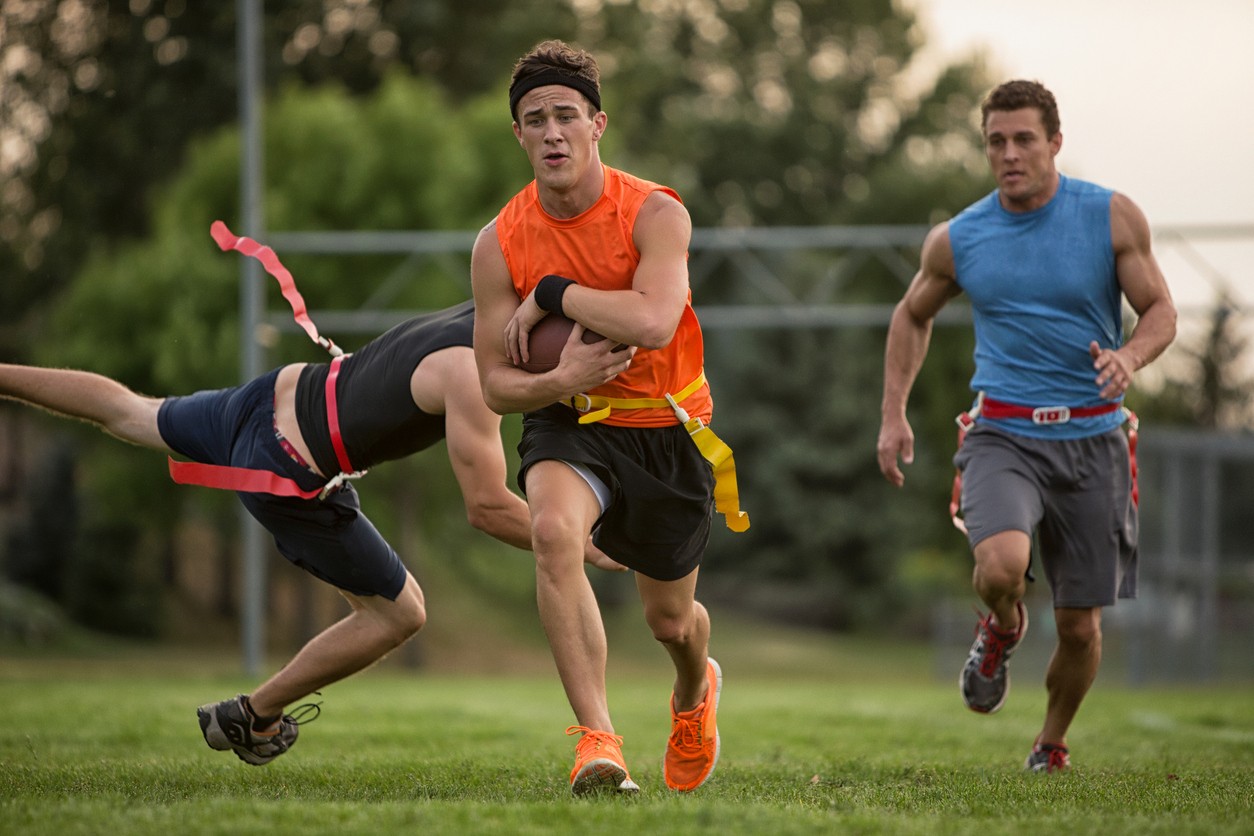
Three men play flag football

Understanding Football Injuries

Acute Injuries

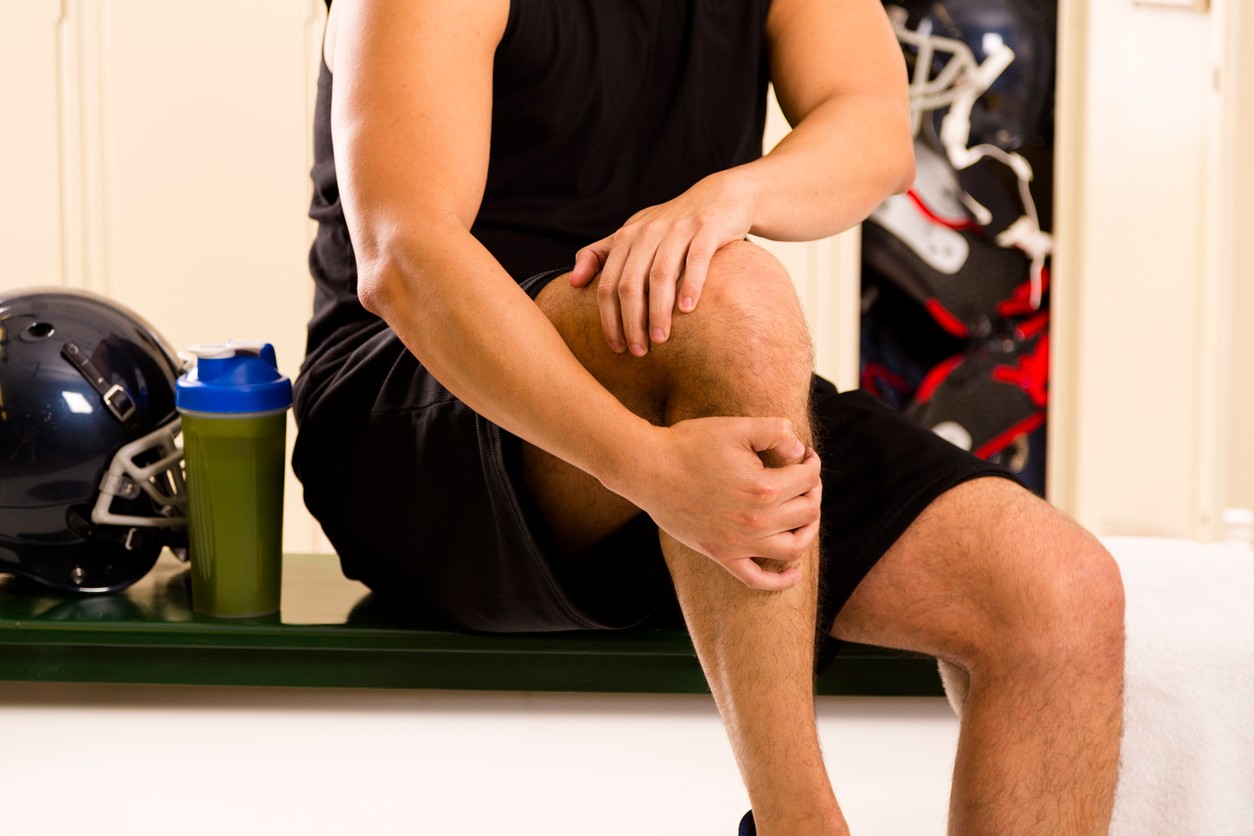
Acute injuries happen suddenly—often from a fall, collision, or awkward movement. These sports injuries typically cause immediate pain, swelling, or loss of function and require quick attention to prevent further damage. Some acute injuries include:

  • Sprains and strains – ligaments or muscles stressed during sudden moves.
  • Fractures and dislocations – often from high-impact contact.
  • Concussions – head injuries demanding careful evaluation.

Overuse Injuries

Overuse injuries build up over time from repeated stress on muscles, joints, or bones. They often start with mild soreness that worsens if ignored. These injuries are especially common during intense training periods or when proper technique and rest are overlooked.

  • Tendonitis – from repetitive knee or ankle stress.
  • Stress fractures – tiny bone breaks due to overtraining.
  • Growth plate injuries – especially concerning in younger kids.

Role-Specific Risks

Each position on the football field places stress on different parts of the body. Understanding how movement patterns affect injury risk can help guide training and prevention. Examples include:

Linemen – frequent collisions increase the risk of knee and shoulder injuries.

Quarterbacks – repeated throwing can lead to shoulder and elbow overuse.

Running backs and receivers – quick direction changes often cause ankle sprains, hamstring pulls, or Achilles tendon tears.

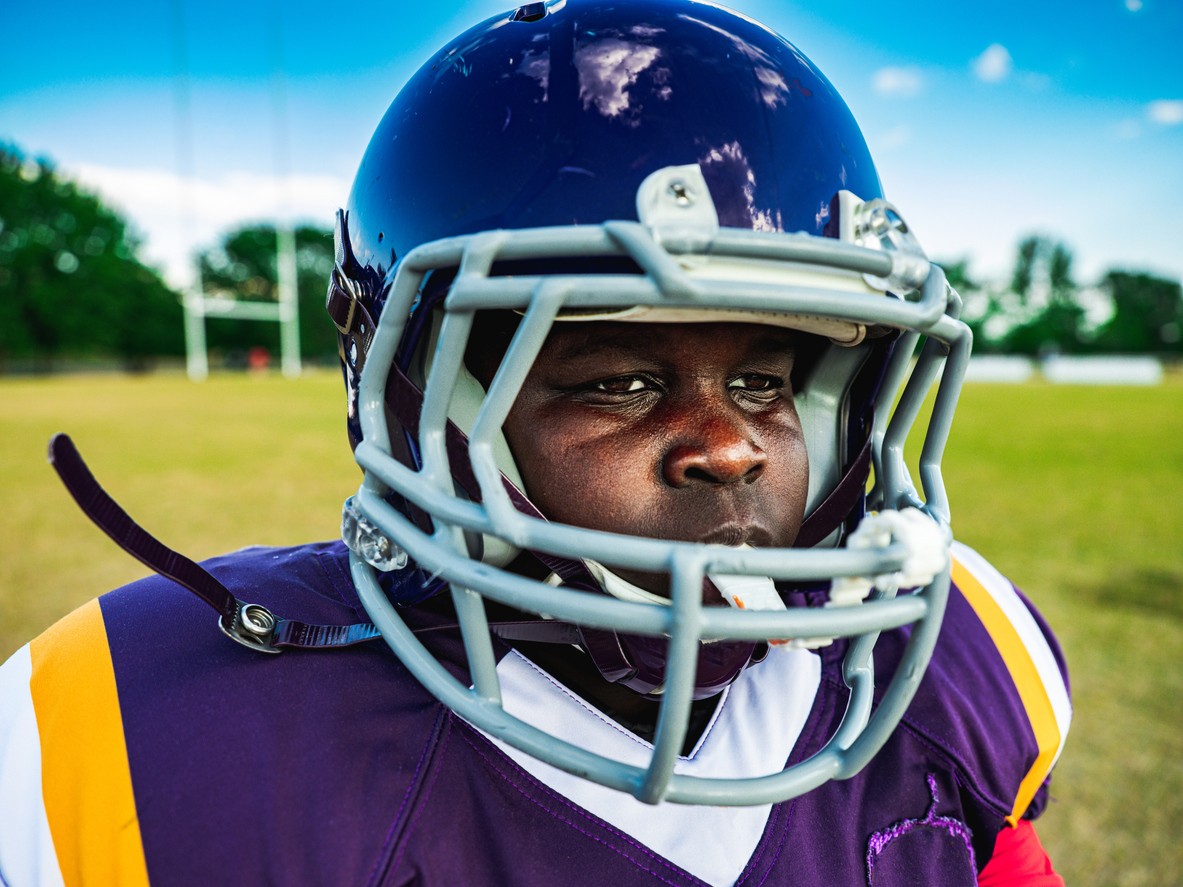
Young man wearing a purple football helmet and protective equipment on a football field

Prevention Starts Before Kickoff

Strength and Conditioning

Having a strong core and stable joints can make the difference between staying upright and hitting the sidelines.

Safe Practice Habits

Encourage smart tackling, deliberate blocking, and mobility drills that build balance and control.

Equipment That Works

Gear matters more than many players realize. Helmets should be certified and reconditioned regularly. Shoulder pads must offer enough coverage without restricting movement. Mouthguards can reduce the risk of concussions and dental injuries. And for players with a history of joint issues, or those in high-risk positions like linemen, knee braces can offer added stability and help prevent re-injury.

But none of this matters if the equipment doesn’t fit. Loose or outdated gear can create a false sense of security. Athletes, families, and coaches should check all equipment each season—and replace anything that no longer offers full protection.

Rest and Recovery

Pushing too hard can lead to breakdown. Scheduled rest days, off‑season downtime, and mindful practice limits help athletes stay at their best.

From Treatment to Returning to Play

Immediate Response

When injury strikes—signs like stumbling, swelling, confusion, or dizziness—stop play right away and assess.

Expert Diagnosis

UC Health Orthopaedics and Sports Medicine providers offer precise evaluations using imaging and personalized care plans.

Rehab and Return-to-Play

Recovery is both physical and mental. With injury-specific rehab and confidence-building support, athletes can return safely and smarter.

The Team Behind the Team

Athletes

Speak up if something hurts. Trust the process—even when the field calls.

Families

Watch closely, support recovery, ask questions, and lean on FC health care professionals.

Coaches and Trainers

Set a culture of safe technique, adapt practice to athlete needs, and communicate with medical staff.

UC Health Providers

From high school players to Bearcats and Cougars, our team of Orthopaedic and Sports Medicine providers offer training, recovery, and education across Cincinnati, backed by top research and care. 

Woman throws a football on a football field

Your Safety, Our Mission

Football unites us—across ages, backgrounds, and fields. UC Health is here to support every athlete with smart injury prevention, expert care, and a passion for keeping Cincinnati’s football spirit thriving.

Take Action Today:

  • Talk with your coach or athletic trainer about safe gear and proper technique.
  • Schedule an appointment with UC Health Sports Medicine at one of our regional locations.
  • If you’re new to the game—whether it’s your first season or a return—let us help you get on the field safely.

Schedule an appointment online with a UC Health Orthopaedics & Sports Medicine provider or call 513-475-8690. 

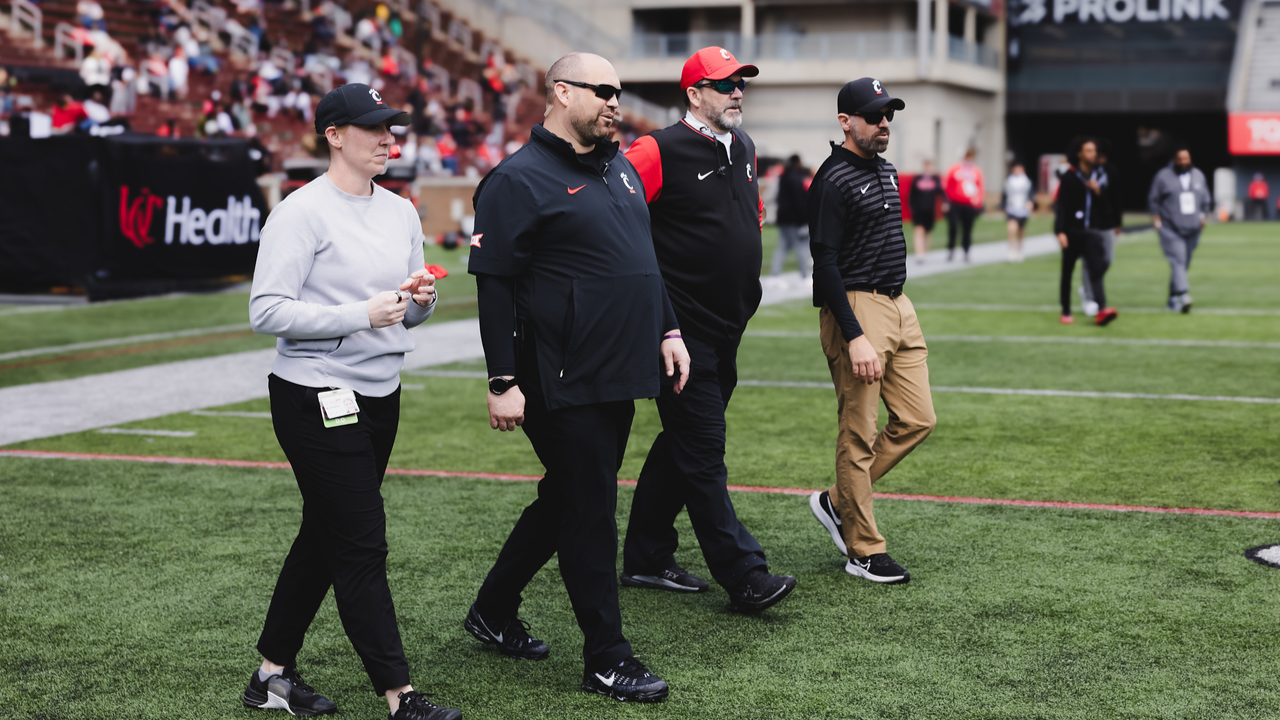
UC Health Ortopaedics & Sports Medicine team on the sidelines at a UC Bearcats football game

UC Health providers are here to assist with your ortho and sports medicine needs.

Medical Review By:

Orthopaedics & Sports Medicine
Practices: Neurotrauma, Orthopaedic Surgery , Family Medicine , Sports Medicine
x