Wellness

Why you need a primary care provider even if you feel perfectly healthy

Oct. 30, 2026

A primary care provider gives your health a home base, helping you prevent problems, connect your care and know where to turn


A primary care provider talks with a patient in a medical setting.

Because your primary care provider knows you, you don’t have to start over each time you need care. That context helps them spot changes, understand risks and create a plan that fits your needs.
  • Primary care providers (PCP) protect your health through routine visits and preventative care before problems come up
  • Your primary care provider sees the full picture, from medications and conditions to what specialists you see and when
  • Establishing care with a PCP gives you a place to start when questions and concerns come up

When you feel healthy, finding a primary care provider may not be at the top of your to-do list. You might rely on urgent care when you start to feel sick and figure that is enough.

But primary care goes beyond treating illness. It creates an ongoing relationship with a team that understands your health and helps you make informed decisions over time.

What does a primary care provider do?

Your PCP supports your health through every stage of life. They can help you:

  • Stay current on screenings, preventive care and medications
  • Manage ongoing conditions and address new symptoms or health concerns
  • Connect with other UC Health specialists and services 

Because your provider knows you, you don’t have to start over each time you need care. That context helps them spot changes, understand risks and create a plan that fits your needs.
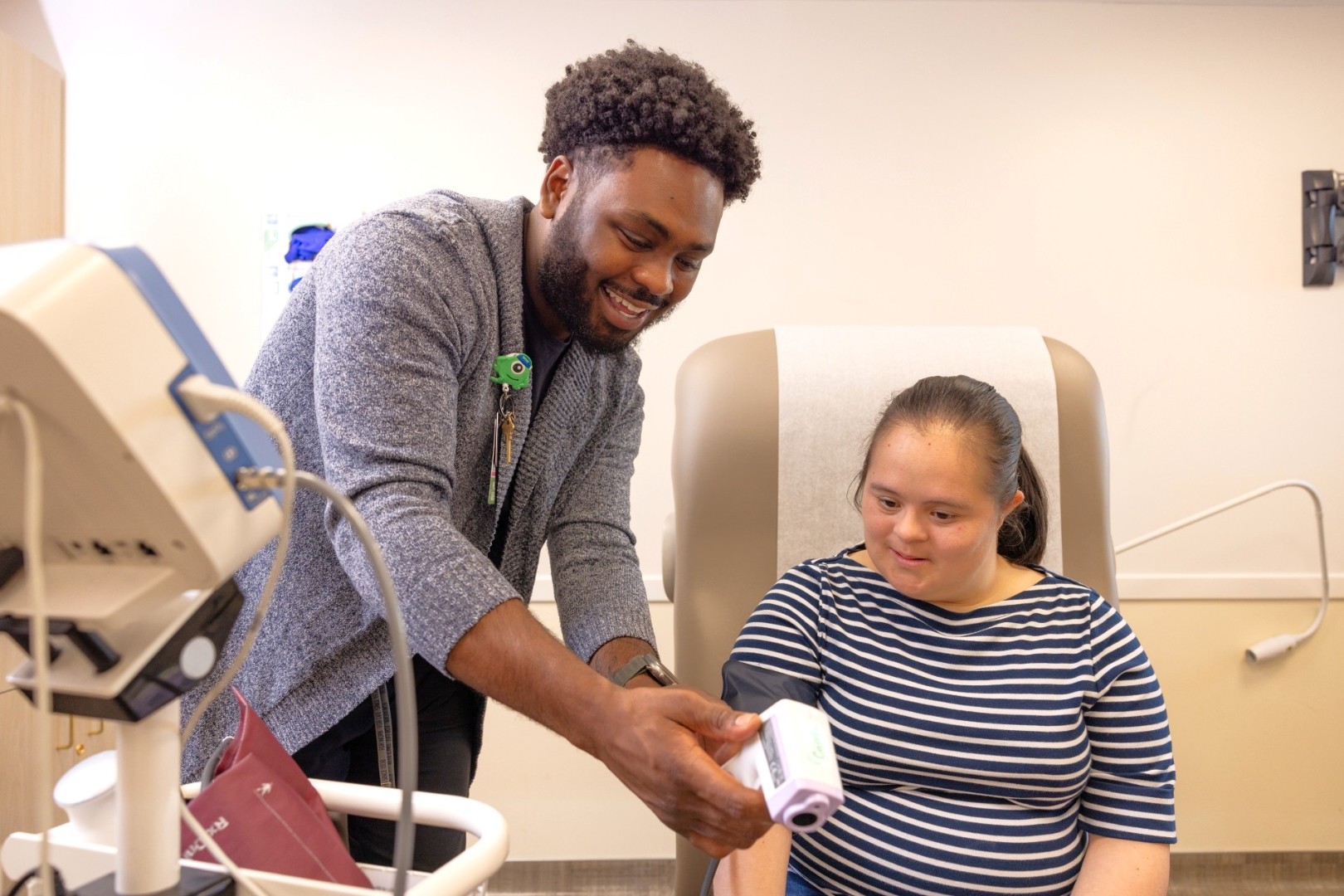
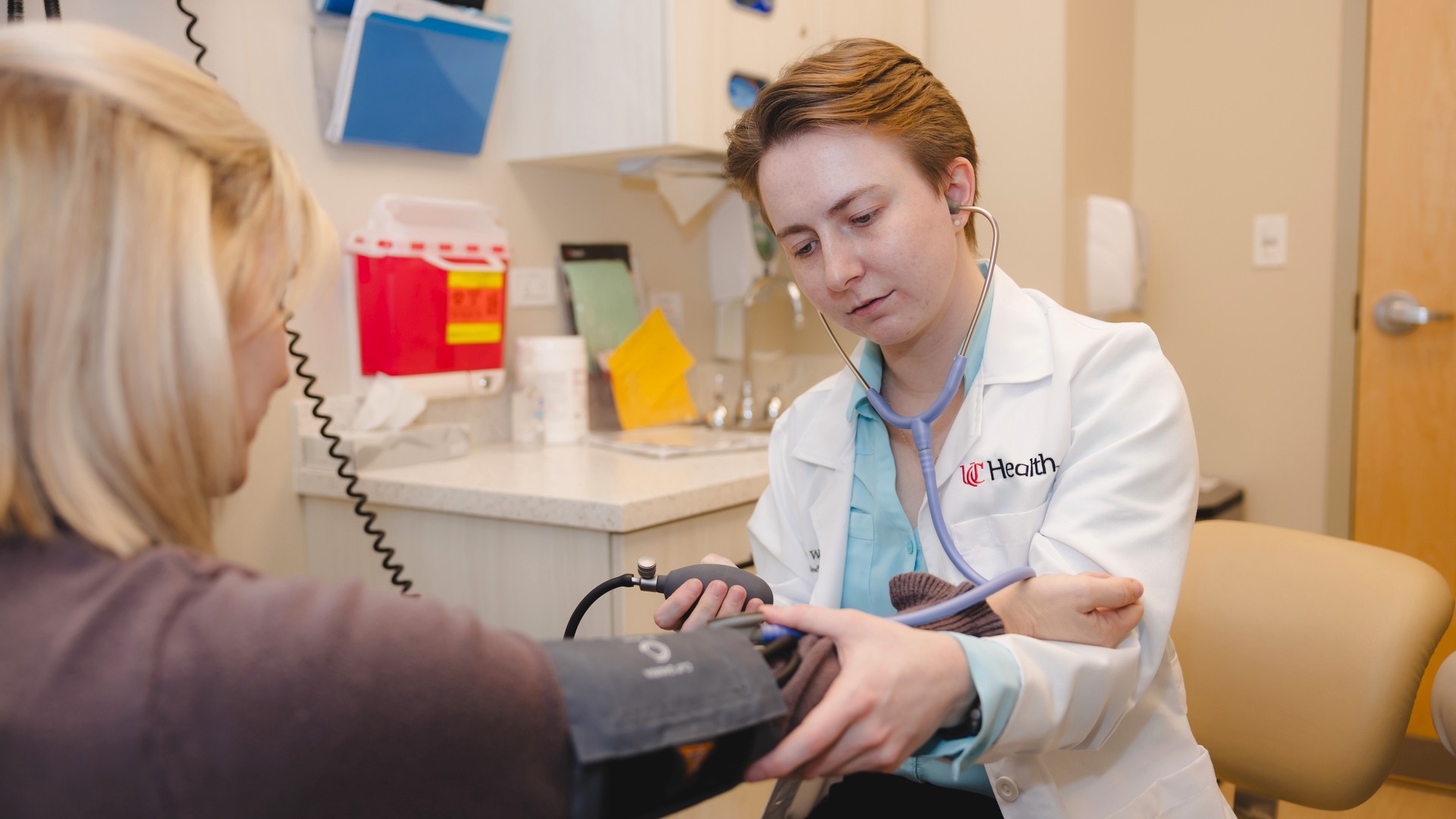
A primary care provider measures the blood pressure of a patient in a medical setting.

Many UC Health Primary Care practices reserve same-day appointments and can guide you to an office visit, virtual visit or emergency care based on your symptoms.

Do I need a PCP if I feel healthy?

Primary care can find problems before you feel them.

Some health concerns develop quietly. High blood pressure, for example, may not cause noticeable symptoms, but it can contribute to heart disease, stroke and kidney disease.

Routine visits can uncover concerns early and help you take preventive steps. Based on your age, health and family history, your provider may recommend screenings for high cholesterol, diabetes or certain cancers.

“Primary care providers are trained to help you understand which preventive health measures are right for you. We can review your history, including your family history, and help you decide what is important for you to detect problems early or prevent other issues,” says Christine O’Dea, MD, a family medicine physician at UC Health.

Dr. O’Dea has seen firsthand how routine care can make a meaningful difference. 

During an annual physical, she referred a patient in her 50s for her first mammogram. The screening found early-stage breast cancer, which was treated with surgery. In another recent checkup, she discovered a patient had undiagnosed diabetes, allowing treatment to begin before long-term complications developed.

The goal isn’t to look for something wrong. It’s to protect your health before a concern becomes too hard to manage.

Why not just go to urgent care when I’m sick?

Urgent care can address an immediate need. Primary care looks at the bigger picture.

Urgent care is helpful when you need immediate treatment and your provider is unavailable. Primary care offers something different: an ongoing relationship that supports your health over time.

“By establishing with a primary care doctor, you create a relationship with a provider who can answer your questions about your health over the course of a lifetime,” Dr. O’Dea says. “They get to know you and your health history, so you don’t have to explain everything every time.”

Once established with a PCP, you can get care easily for concerns like colds, flu symptoms or even back pain. Many UC Health Primary Care practices reserve same-day appointments and can guide you to an office visit, virtual visit or emergency care based on your symptoms.

Your PCP already knows your history, medications and risks. They’re ready to evaluate new symptoms and recommend next steps.

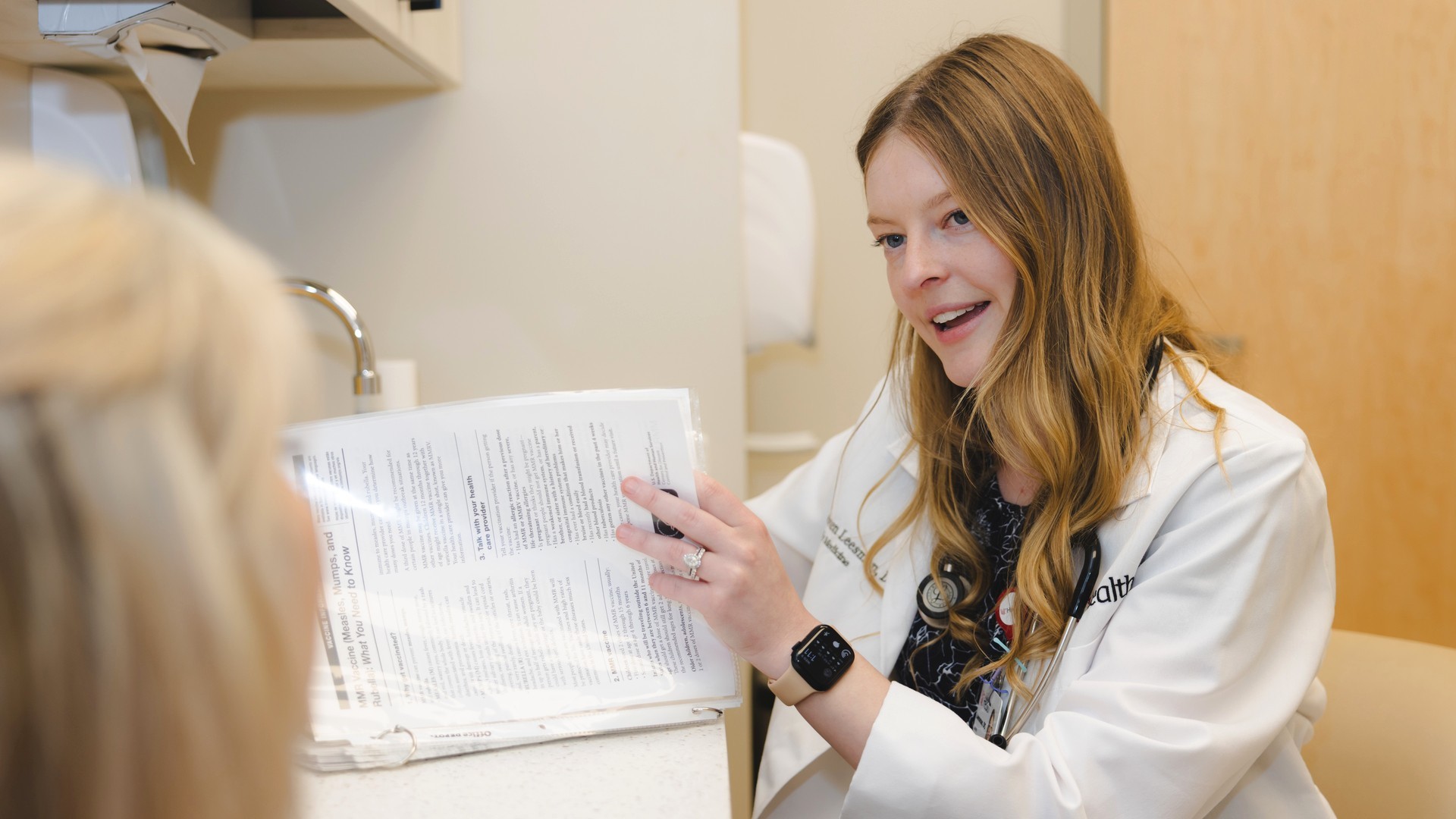
A medical provider talks with a patient as they look at paperwork.

Primary care providers manage preventive care, monitor your ongoing conditions, review medications and support communication with specialists. They can also coordinate care services and identify concerns outside one specialist’s focus.

Do I still need a PCP if I see several specialists?

Your PCP helps connect the dots in your care.

Specialists focus on specific conditions or areas of the body. Your PCP keeps an eye on your overall health.

They manage preventive care, monitor your ongoing conditions, review medications and support communication with specialists. They can also coordinate care services and identify concerns outside one specialist’s focus.

Think of your PCP as an advocate and navigator who helps you understand your options and move forward.

What makes a strong primary care relationship?

Open, honest communication helps your provider give you better care.

The relationship works best when you take an active role in your health. 

Share your questions, concerns and habits openly. If you want to become more active or stop using tobacco, your provider can connect you with helpful resources.

It is also OK to raise uncomfortable concerns. PCPs routinely support many physical and mental health needs.

What if I have several concerns to discuss?

We encourage you to write down your concerns and bring your list to share at the beginning of your appointment.

Your provider can prioritize what is most urgent, what can be covered during the visit and what might need follow-up. They can also identify preventive care needs to discuss.

Complex concerns, ongoing conditions or overdue screenings may take more than one appointment. Establishing care begins a long-term relationship; not everything needs to be resolved in one visit.

To make the most of your appointment, you can:

  • List your questions, symptoms and when they began
  • Bring a current medication list
  • Identify your top concerns and invite a trusted support person if helpful

You should feel heard and comfortable asking questions. If you do not, it is reasonable to look for a better fit.

I haven’t seen a doctor in years. Will I be judged?

Absolutely not.

“There is no time like the present. We love it when patients make the decision to care for themselves and come to see us,” Dr. O’Dea says. “It may take a few visits to catch up on issues that may have been brewing or health maintenance that is due.”

If several issues have built up, the first visit can help your provider understand the full picture and decide what to address first.

You do not need everything figured out before making an appointment. Getting established is the first step.

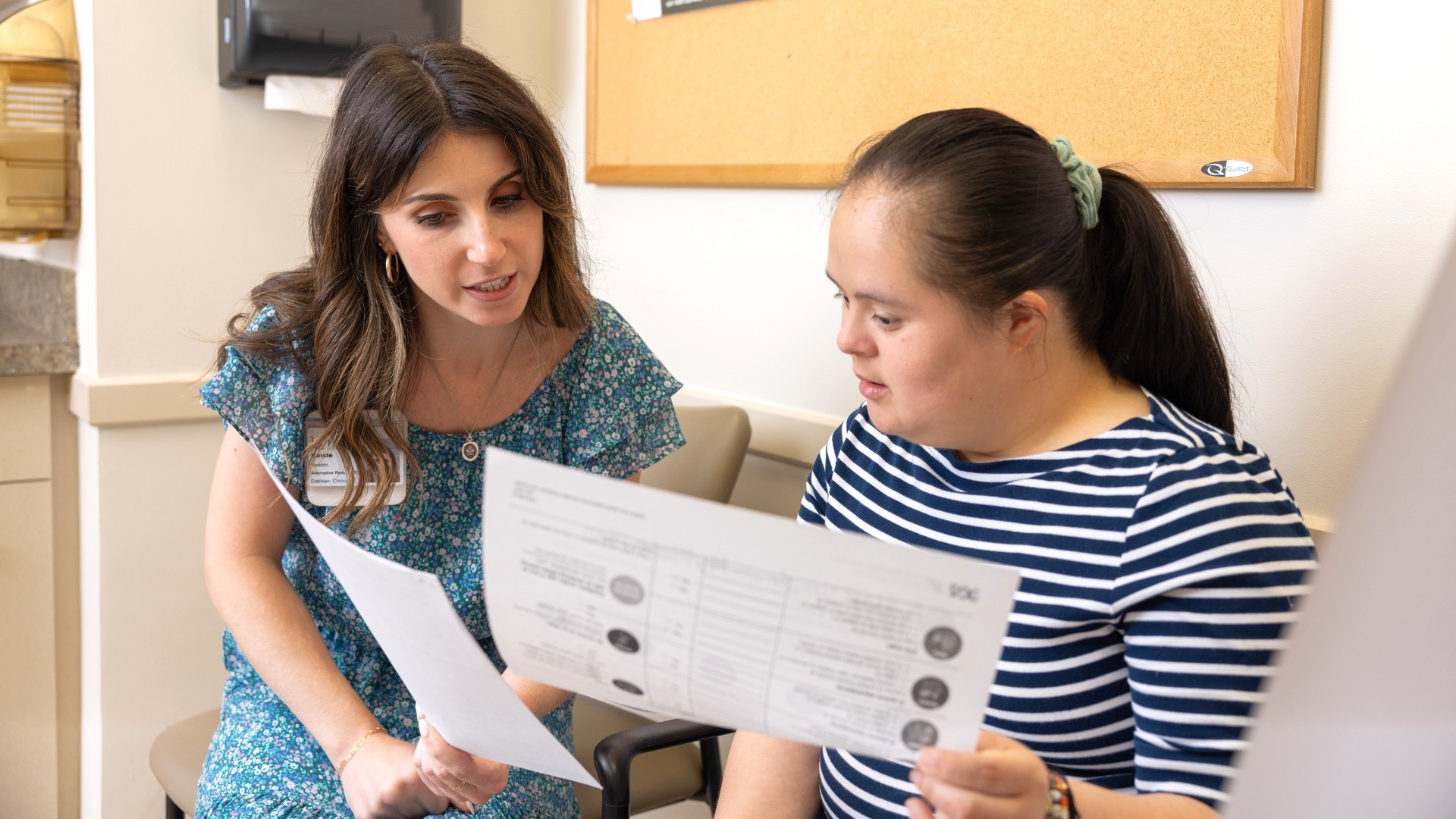
A medical provider shows a patient a medical device.

Once you are established, your primary care office becomes a reliable place to start when you have a health question.

How do I choose the right primary care provider?

The right provider is someone who can meet your health needs and help you feel comfortable having honest conversations.

When scheduling with UC Health Primary Care, you can share preferences related to:

  • Location and appointment availability
  • Provider gender and language
  • Clinical interests or experience with a specific condition

Age, health needs, insurance and practice requirements may also matter. If you have no preference, scheduling can match you with an available provider who meets your needs and accepts your insurance.

If your preferred provider is not accepting patients, ask about a waitlist. Establishing care with another available provider is a better option than delaying care, and you may be able to switch later.

How soon can a new patient be seen?

Availability varies by location, provider and area of focus, but many UC Health Primary Care practices can typically schedule new patients within seven to 14 days.

For the earliest appointment, consider another provider in the same practice or a nearby location. Some offices also offer waitlists for cancellations.

What can I expect after I become a patient?

Once you are established, your primary care office becomes a reliable place to start when you have a health question.

Use My UC Health for non-urgent questions, prescription refills and follow-up needs; responses generally take 48 to 72 business hours. For urgent concerns, call the office or seek immediate care.

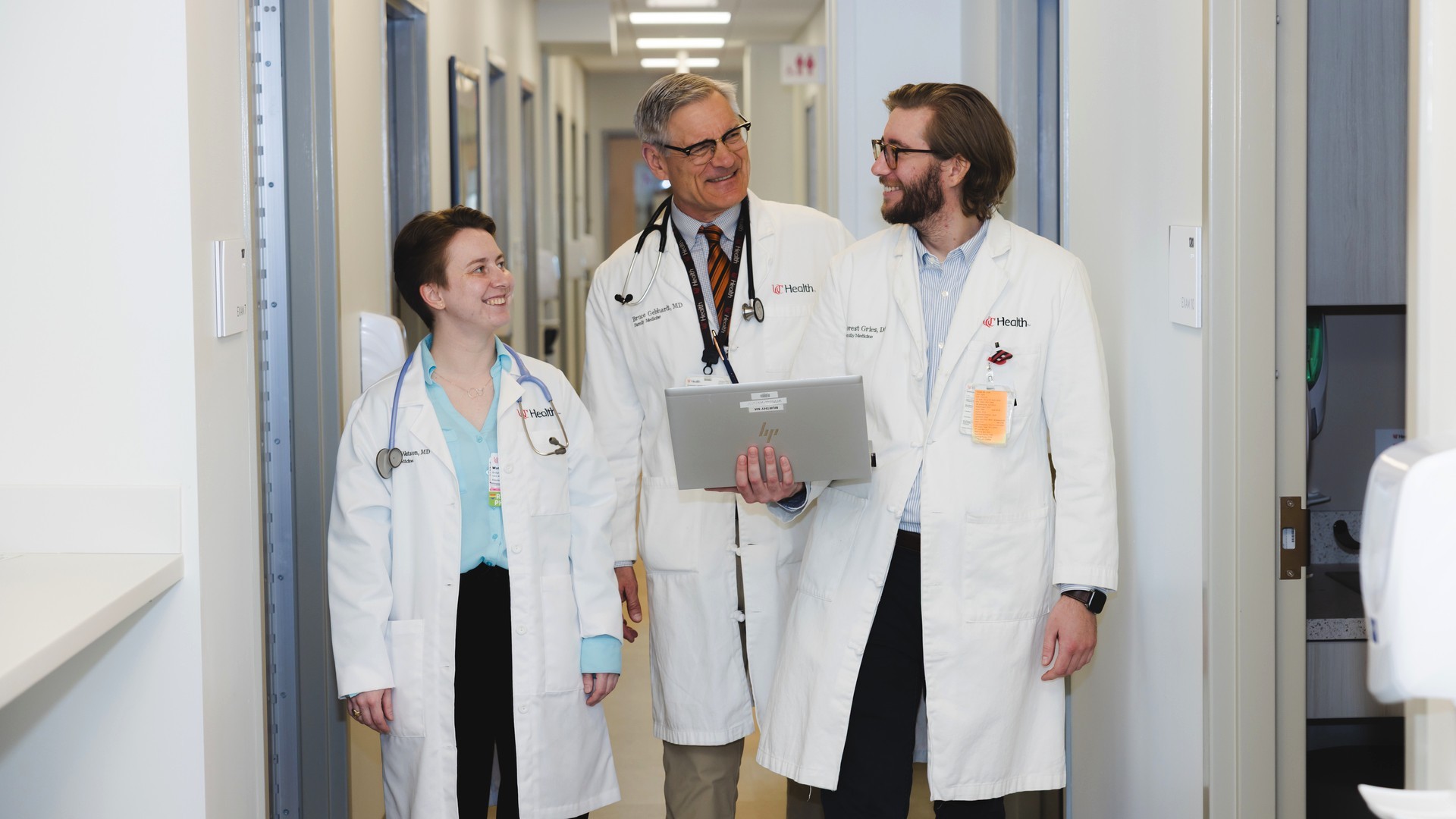
Three medical providers walk through a hallway in a medical setting.

Whether you feel healthy, manage an ongoing condition or see several specialists, your PCP can help you move forward with confidence.

Your health needs a home base

You don’t have to wait for something to go wrong to find a primary care provider.

Establishing care gives you a trusted partner who can help you stay ahead of health concerns and make sense of what comes next. Whether you feel healthy, manage an ongoing condition or see several specialists, your PCP can help you move forward with confidence.

Ready to find a primary care provider?

Call UC Health Primary Care Central Scheduling at 513-475-8001 to find a provider accepting new patients and explore the earliest appointments by location and preference.

Featured Provider

Primary Care
Practices: Family Medicine
Back to top
x