Hybrid AF Convergent Procedure (Hybrid AF Therapy)

The hybrid (atrial fibrillation) AF convergent procedure, or hybrid (atrial fibrillation) AF therapy, is a minimally invasive, two-step treatment for persistent AFib. It’s designed to reach areas other procedures can’t—and help restore a steady, more natural heart rhythm.

Images courtesy of AtriCure.

Hybrid AF Convergent Procedure

What Is the Hybrid AF Convergent Procedure?

Atrial fibrillation (AFib) can be stubborn—especially in its persistent or long-standing forms. That’s where the hybrid AF convergent procedure offers new hope.

At UC Health in Cincinnati, this innovative treatment brings together two specialized cardiovascular teams, cardiac surgeons and electrophysiologists, to address AFib from both the outside and inside of the heart. By combining a minimally invasive surgical technique with a catheter-based ablation treatment, the procedure reaches more of the heart tissue responsible for irregular rhythms.

The goal is to restore and maintain a healthy, steady heartbeat while reducing stroke risk and improving long-term outcomes. This dual approach combines precision, teamwork, and personalized care that adapts to the complexity of your condition.
Who This Procedure Helps Most

The hybrid AF convergent procedure is designed for patients with persistent or long-standing atrial fibrillation who may need a more advanced option beyond medications or catheter ablation alone. By combining surgical and catheter-based techniques, this approach offers the potential for longer-lasting rhythm control.

You may be a candidate if:

  • You have persistent or long-standing persistent AFib
  • Prior catheter ablations haven’t fully resolved your symptoms
  • You face increased stroke risk related to the left atrial appendage
  • You want a minimally invasive treatment with a collaborative, team-based approach

This procedure is especially effective for patients whose irregular rhythms originate from areas deep in the heart—such as the back wall of the left atrium—that can be difficult to reach with catheter ablation alone.

How the Treatment Works

he hybrid AF convergent procedure happens in two carefully timed steps—each designed to complement the other for maximum effectiveness.

Step One: Epicardial: Minimally Invasive Surgery

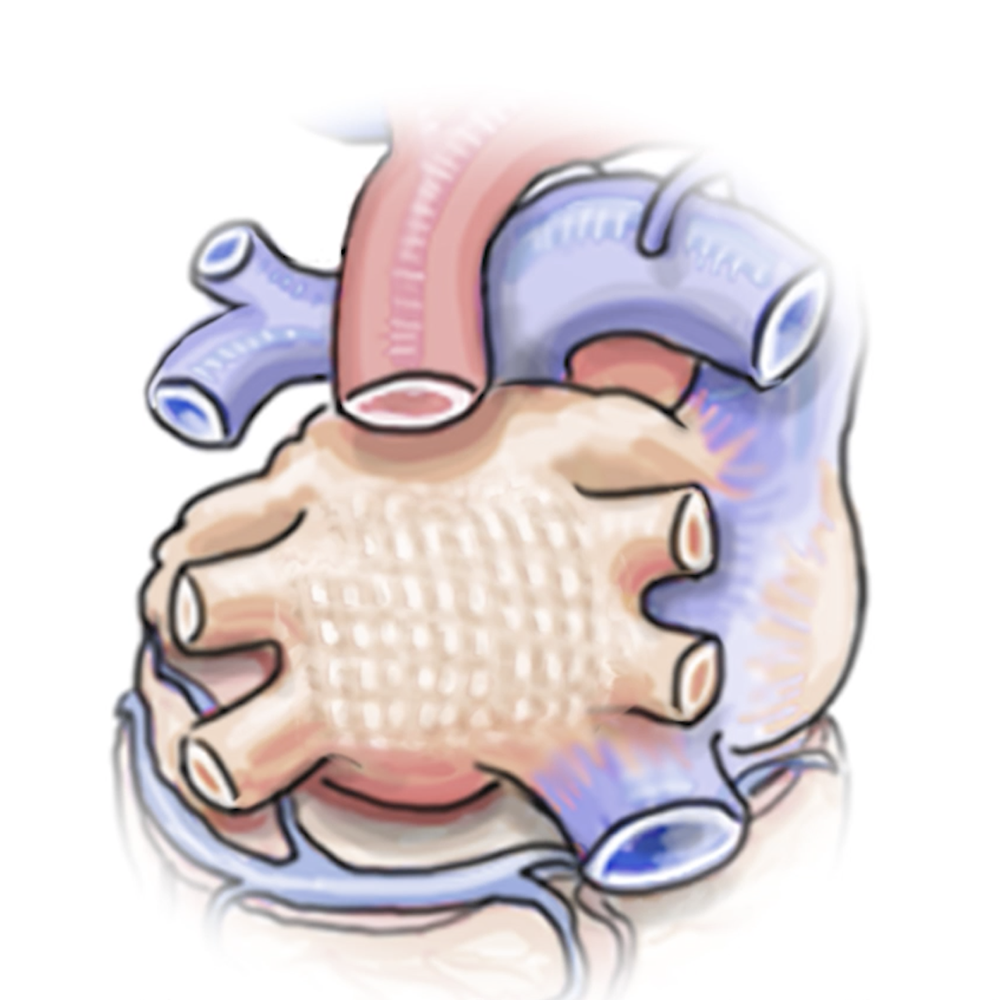
A cardiac surgeon uses a small 2-3 cm incision just below the breastbone (called (sub-xiphoid access) and robotic-assistance to reach the back wall of the left atrium, where many hard-to-treat AFib signals originate. Using the EPi‑Sense device, the surgeon delivers radiofrequency (RF) energy to create an overlapping epicardial lesions, forming a barrier against erratic electrical activity.  

During this step:

  • RF energy is applied to block abnormal signals from spreading across the back wall of the heart.
  • The left atrial appendage (LAA) can sometimes be closed to help lower stroke risk. At UC Health, we typically include LAA closure as part of this procedure when it’s right for you, while some centers may not routinely offer it.

Because the heart is accessed through a small incision—without opening the chest—patients typically experience less pain, shorter hospital stays, and faster recovery compared to traditional open-heart surgery.

Step One:

Epicardial (Outside the Heart)

Watch this video to understand the first step of the Hybrid AF Procedure

Illustration of human heart showing Epicardial: Outside the Heart

Hybrid AF Convergent Procedure (Continued)

Step Two: Endocardial: Catheter-Based Ablation

After the surgical portion has healed, an electrophysiologist completes the treatment with a catheter-based ablation. This step is most often scheduled about six weeks later, though in some cases it may be performed on the same day as the surgical procedure.

During this procedure, thin catheters are inserted through a vein in the leg and guided into the heart. Using advanced mapping tools and radiofrequency (RF) energy, the electrophysiologist:

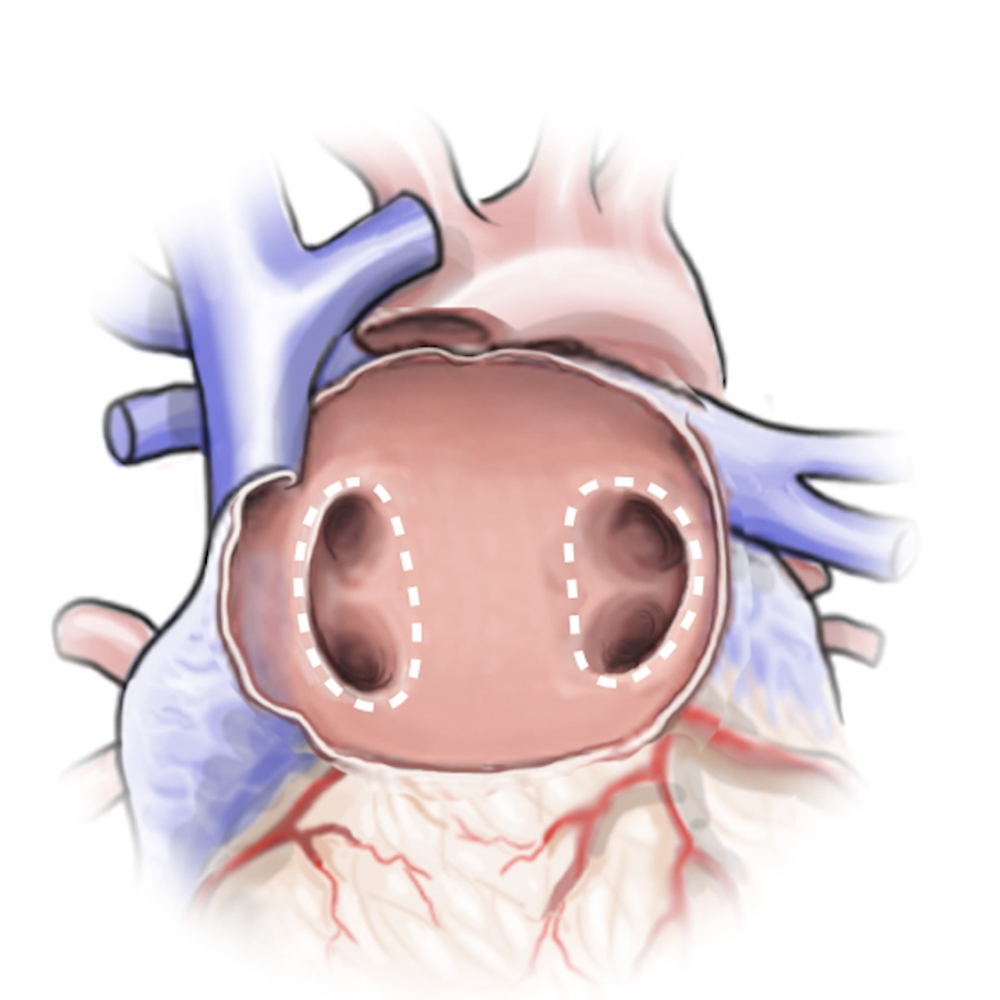
  • Performs pulmonary vein isolation (PVI) to complete the lesion set.
  • Targets and eliminates any remaining abnormal pathways inside the heart.
  • Confirms electrical isolation of AFib triggers for durable rhythm control.

By combining the surgical lesions created in Step One with this targeted catheter ablation, the hybrid approach both reduces overall ablation time in the lab and lowers inflammation risk. Staging the procedures allows for better healing and has been shown to improve long-term outcomes for patients with persistent or long-standing AFib.

Step Two:

Endocardial (Inside the Heart)

Watch this video to understand the second step of the Hybrid AF Procedure

Illustration of human heart showing edocardial view (inside the heart)

Hybrid AF Convergent Procedure (Continued)

Benefits of the Hybrid Approach

For patients with persistent AFib, standard treatments such as medication or catheter ablation may not fully control symptoms on their own. The Hybrid AF Convergent procedure builds on these therapies, offering a more comprehensive approach that combines minimally invasive surgery with catheter ablation. This dual strategy is designed to provide more complete treatment and help patients return more quickly to life without constant AFib symptoms.

Key advantages:

  • Higher success rates for patients with difficult-to-treat AFib
  • Minimally invasive robotic techniques reduce pain and hospital stay
  • Two-team approach improves precision and personalization
  • Stroke risk reduction via left atrial appendage closure
  • Durable relief from fatigue, palpitations, and shortness of breath

Why Choose UC Health

At UC Health, we’ve built our Hybrid AF Convergent program around the highest standards of safety, collaboration, and expertise. Each patient benefits from a dedicated core team that includes a cardiac surgeon, an electrophysiologist, and a specialized Hybrid AF procedure coordinator, working together with nurses, imaging specialists, and support staff to guide care from start to finish.

Our physicians are formally trained in sub-xiphoid access and advanced use of the EPi-Sense device, ensuring every procedure follows best practices outlined by leading clinical trials and professional training standards. This combination of specialized training and seamless teamwork means patients receive a truly integrated treatment plan—one that prioritizes precision, safety, and long-term results.

At UC Health, we deliver a coordinated program of care, designed to give patients the best chance at lasting relief from atrial fibrillation.

FAQs About Hybrid AF Convergent Procedure

How is this different from traditional ablation?

Traditional catheter ablation treats AFib from inside the heart using thin wires. The hybrid convergent procedure adds a surgical component that targets the outside back wall of the heart, where many AFib signals begin. These areas are sometimes not adequately addressed by catheter ablation only. The hybrid surgical ablation allows for a more complete and lasting treatment—especially for complex or persistent cases.

What is the recovery time?

Most patients stay in the hospital for 2–3 days after the first procedure. Recovery typically includes mild activity for 1–2 weeks, followed by normal routines. After the second (catheter-based) procedure, downtime is usually minimal—often just a day or two.

Will I still need medication afterward?

Some patients may continue using blood thinners or rhythm medications for a short period. Long-term use depends on your results, risk factors, and cardiologist’s guidance. The goal is to reduce or eliminate the need for daily AFib management over time.

Next Steps

If you’re living with persistent atrial fibrillation and previous treatments haven’t provided enough relief, you may benefit from a collaborative approach that brings together both surgical and catheter-based expertise.

Here’s how to begin:

  • Talk with your cardiologist about whether you’re a candidate
  • Request a consultation with a UC Health heart rhythm specialist
  • Ask about the hybrid AF convergent procedure during your next visit

Our team will review your medical history, imaging, and previous treatments to see if this innovative two-step approach could help you achieve lasting relief. From pre-op consults through post-procedure follow-up, our heart rhythm team is with you every step—bringing innovation, compassion, and a shared mission to restore your quality of life.

Contact the UC Health Cardiovascular team by calling 513- 475-8521

About This Page

About this page:

Content is written in plain language in collaboration with UC Health clinicians to reflect current evidence‑based care. If your plan differs from what’s described here, follow your care team’s instructions.

Page Updated 9/2/2025


Medical Review by: Cristiano Spadaccio, MD, PhD

x