Living liver donation is a procedure in which a healthy individual donates a portion of their liver to a recipient suffering from liver disease or liver failure. Since the liver has the unique ability to regenerate, both the donor and liver transplant recipient can expect their livers to regain function over time.
Living Liver Donation
Donating a portion of your liver to someone is a significant gift, and the decision must be entered into with a full understanding of the living liver donation process.

The living liver donor experience
Process, support and what to expect
What to expect for a living liver donor
Learn more about living kidney donation and transplant options.
The living liver donor process
The liver donation process involves several key steps, ensuring that both the donor and recipient are well-prepared for surgery. This process is designed to prioritize safety and effectiveness.
Benefits and risks of liver donation
Living liver donation offers significant benefits for both donors and recipients. Learn about benefits and risks.
Support and resources for donors
Living kidney donors have access to various support systems and resources to help them throughout their donation journey. These resources provide essential information, emotional support and practical assistance.
What to expect for a liver donor
Understanding liver donation
Who can be a living liver donor?
To be a living liver donor, you must meet the following criteria:
- Be between 18 and 60 years old
- Be in good physical and mental health
- Have a compatible blood type with the recipient
- Have a liver size sufficient for donation
- Be free of significant medical conditions such a liver disease, diabetes, or heart disease
- Undergo psychological screening to ensure readiness for donation
The importance of living donation
Living donors play a crucial role in addressing the growing need for liver transplants, providing hope and improved health for many individuals facing liver failure or liver disease.The wait time for a patient who needs a new liver can virtually be eliminated by a living donor liver transplant.
Types of living liver donors
Living-related donors: Donors are healthy blood relatives of the patient requiring a transplant. The donor can be a:
- Family members such as a twin, sibling or parent
- Child over 18 years of age
- Other blood relatives (half-sisters, half-brothers, nieces, nephews, aunts, uncles, cousins)
Living unrelated or emotionally-related donors: Donors are not blood relatives and usually do not share tissue similarities with the recipient. The donor can be a:
- Spouse/significant other
- In-law
- Close friend
- Adoptive parent
- Adopted child (over the age of 18)
- Co-worker
Altruistic liver donors: Donors do not have any personal connection to the recipient. They are often influenced by personal experiences or motivated by a desire to help others through a selfless act of donating a portion of their liver to a person in need.
Paired Exchange: When a potential donor is not a match for the intended recipient, the donor will donate a portion of their liver to another recipient in exchange for a compatible liver for their intended recipient. This is an option for living donors who want to donate, but may not be a good match due to non-compatible blood type, antibody levels, or other medical reasons. The transplant center may arrange an exchange with another pair within the same center or another transplant center. The living donor team can discuss all options available if you are not able to donate to your intended recipient.
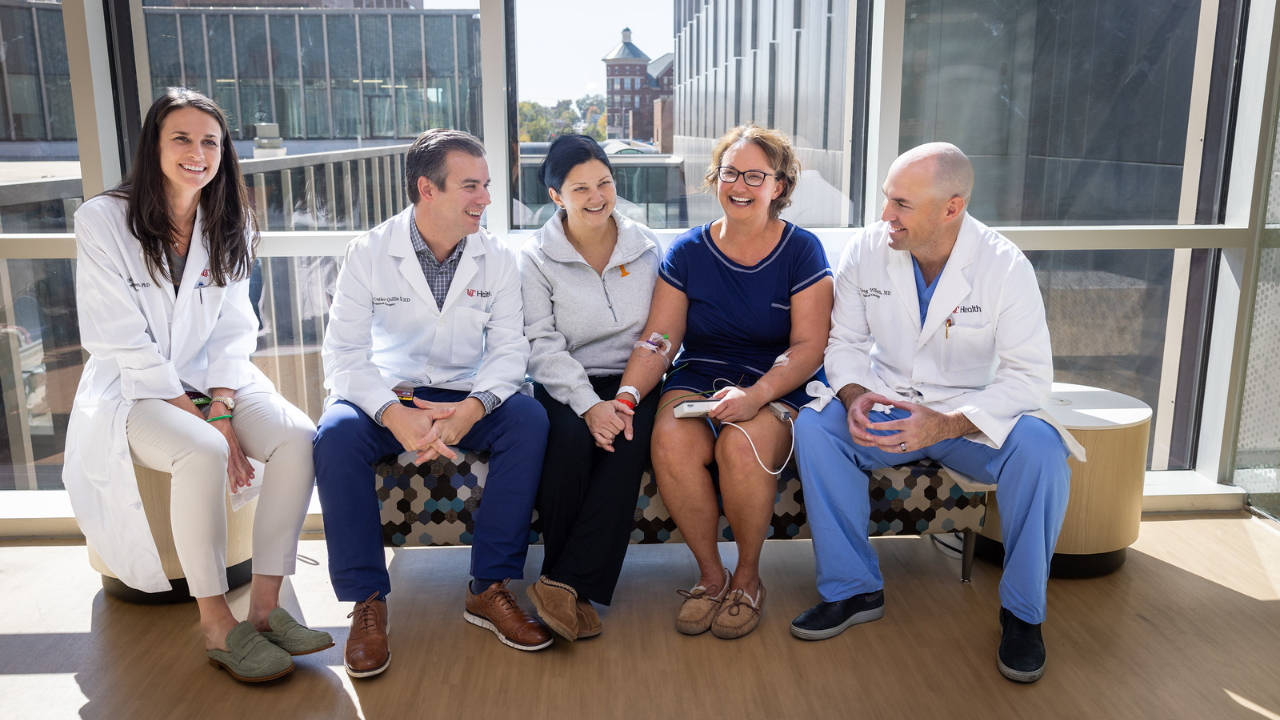
The living liver donation process
Registration
Contact the UC Health Liver Transplant team to explore becoming a living liver donor: Call 513-584-9999, or register at https://omnilife.health/uc-living-donor/ to start the process.
Testing and evaluation
The evaluation process begins with an initial screening to determine if you are a suitable donor and ensures the donor’s safety. This process includes:
- Medical tests: Blood tests, imaging (CT scan or MRI) and physical exams to assess liver function and evaluate overall health.
- Psychological evaluation: A consultation with a psychologist or social worker to discuss motivations and ensure emotional readiness.
- Multidisciplinary review: A team of specialists, including transplant surgeons, hepatologists and nurses, will assess the donor’s eligibility.
Meeting the transplant team
After evaluation, if you are a suitable donor, you will meet with the transplant team, which includes:
- Transplant surgeons: They will explain the surgical procedure and answer any questions.
- Transplant hepatologists: Liver specialists will review your medical history and evaluation results.
- Nurses and coordinators: They provide support and information throughout the process.If you would like to talk to someone who has been a living donor, the transplant nurse will be happy to provide you with the name of a contact person with whom you can discuss the donation process.
- Living donor advocate: They will guide the donor through the evaluation process, ensuring informed consent and the potential donor's rights and best interests are protected.
Pre-operative preparation
Before surgery, you will receive instructions on how to prepare, including:
- Dietary guidelines: Recommendations on what to eat and drink leading up to the surgery.
- Medication adjustments: Guidance on any medications you may need to stop or adjust.
The surgery
On the day of the surgery, you will be admitted to the hospital. The procedure involves these key steps:
- Preparation: The donor is placed under general anesthesia.
- Liver removal: A portion of the donor’s liver (usually 60-70%) is surgically removed.
- Closure: The donor’s incision is closed with sutures or staples.
- Transplantation: The donated liver segment is transported to be transplanted into the recipient, who has been prepped and ready to receive the transplant.
Post-surgery recovery
Recovery typically involves:
- Hospital stay: Donors remain in the hospital for 3-5 days post-surgery.
- Pain management: Medications are provided to manage any discomfort.
- Follow-up care: Regular check-ups will monitor liver regeneration and overall health.
- Activity levels: Most donors return to normal activities within 6-8 weeks, but complete healing may take several months.

Benefits and risks of living liver donation
Benefits for living liver recipients
- Life-saving impact: Living liver donation offers recipients a chance for survival when deceased donor organs are scarce.
- Shorter wait times: Living liver donations reduce or eliminate the time patients spend on waiting lists for a transplant.
- Better outcomes: Studies indicate better long-term survival rates for recipients of living donor transplants.
Benefits for living donors
- Emotional fulfillment: Donors often report a sense of pride and satisfaction from helping someone in need.
- Health monitoring: Donors receive regular health check-ups, which can help maintain their overall well-being.
- Liver regeneration: The donor’s liver typically grows back to its original size within months.
Risks of donation surgery
While living liver donation is generally safe, potential risks include:
- Surgical complications: As with any surgery, there are risks such as bleeding, infection, or adverse reactions to anesthesia.
- Temporary liver function issues:The remaining liver may take time to adjust to its new workload.
- Recovery challenges: Donors may experience pain and require time off work for recovery, typically ranging from several weeks to months.
Understanding these benefits and risks can help potential donors make informed decisions about kidney donation.
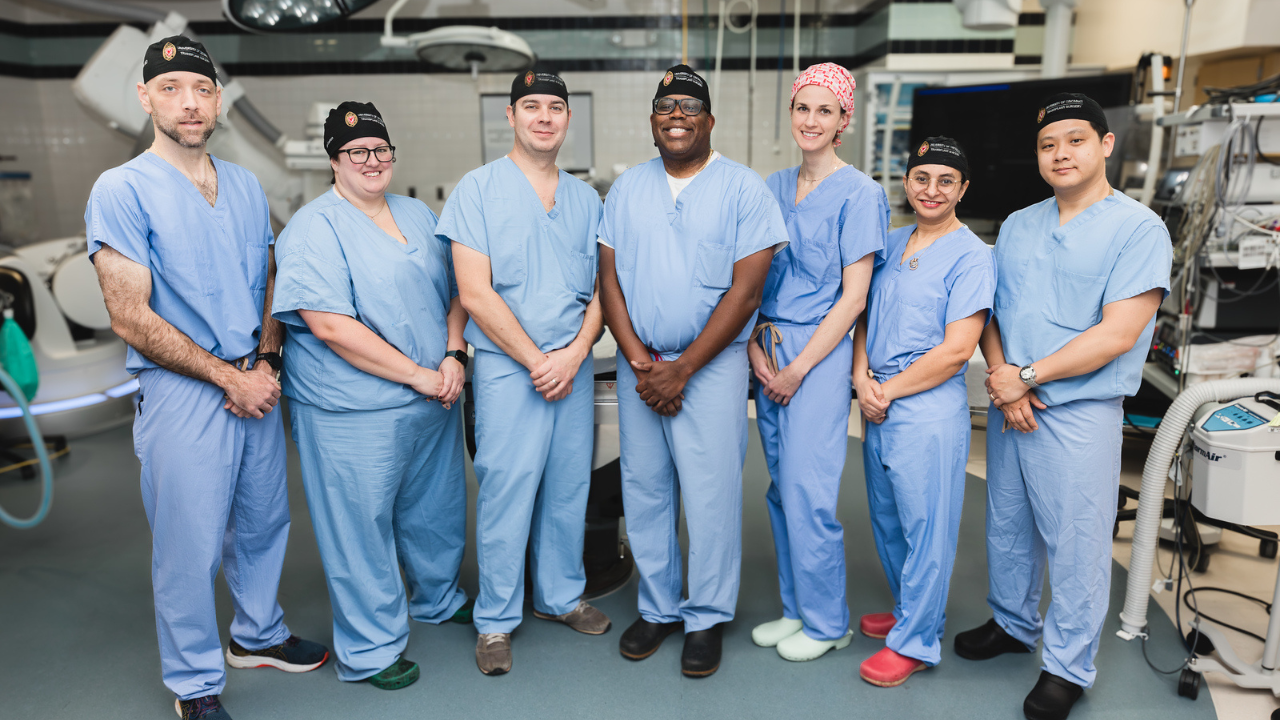
Support and resources for Donors
Living Liver Foundation
The Living Liver Foundation offers comprehensive resources for liver donors, including educational materials, support groups, and advocacy programs.
Living donor program
UC Health has a dedicated living donor program that offers personalized support to guide potential donors through the evaluation process, surgery, and recovery. We also provide access to counseling services, ensuring donors feel supported at every step.
Financial information
Most costs for the living donor are covered by the recipient’s insurance coverage. However, this may vary with individual insurance payors. If you have questions about payment, one of our financial counselors will be happy to assist you. The donor advocate will discuss your eligibility to receive funding from the National Living Donor Assistance Center (NLDAC).
How You Can Help
Saving a life starts with organ donation.
Living organ donors are responsible for giving new life to thousands of patients every year, and people who direct their organs to donation after death are responsible for thousands more. Are you ready to give the gift of life?
Stories from Patients
How UC Health is creating more opportunities for lifesaving liver transplants

Bob's search for a liver transplant led him 1,100 miles to UC Health

The DRIVE yard sign scholarship program: helping patients raise awareness for living kidney donation

A light in the darkness: Cincinnati man takes small steps toward saving lives through living organ donation

Your Top Questions About Living Organ Donation: Answers From An Expert

Still on the Strip: A Fencer’s Kidney Donation Story

Judy’s Liver Transplant Story: “I Packed My Bag—and 15 Days Later, I Had a New Liver”

Transplant Dual Listing: How to Dual List at UC Health
A Second Chance at Life: How Dual-Listing and UC Health Changed Seth’s Future

New Hope for Patients with Colon Cancer: Precision Chemotherapy

Contact Us
Interested in Becoming a Living Liver Donor? Call us directly or register at https://omnilife.health/uc-living-donor/ to start the process.