Innovations

How UC Health is creating more opportunities for lifesaving liver transplants

Oct. 14, 2026

We’re turning innovation into more opportunities for donated livers to save the patients who need them most. 


  • VitaSmart technology helps donated livers stay healthy longer, giving our teams more time to match the right organ to the right patient

  • We’re one of the first and most experienced teams in the country using this technology, helping more patients get the transplants they need

  • For patients waiting on a transplant match, this means more chances to get the call that there’s more life ahead

For patients waiting on a liver transplant, the phone call that a donor organ is  available brings a sigh of relief, and a lot of uncertainty. Every donated liver has to be carefully evaluated to determine if it’s the right organ for the right patient. 

At UC Health, we're finding new ways to help more donated organs reach the patients who need them, with the experience and care families count on from our experts.
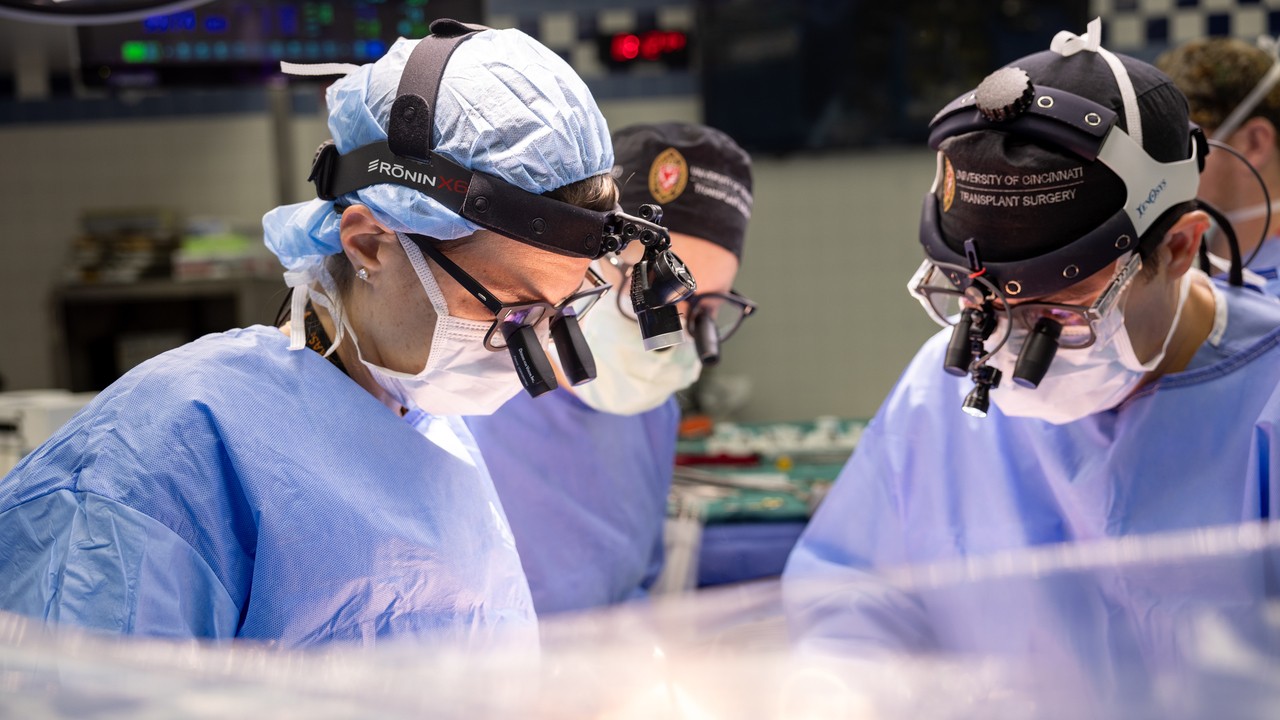
Turning innovation into more chances for patients

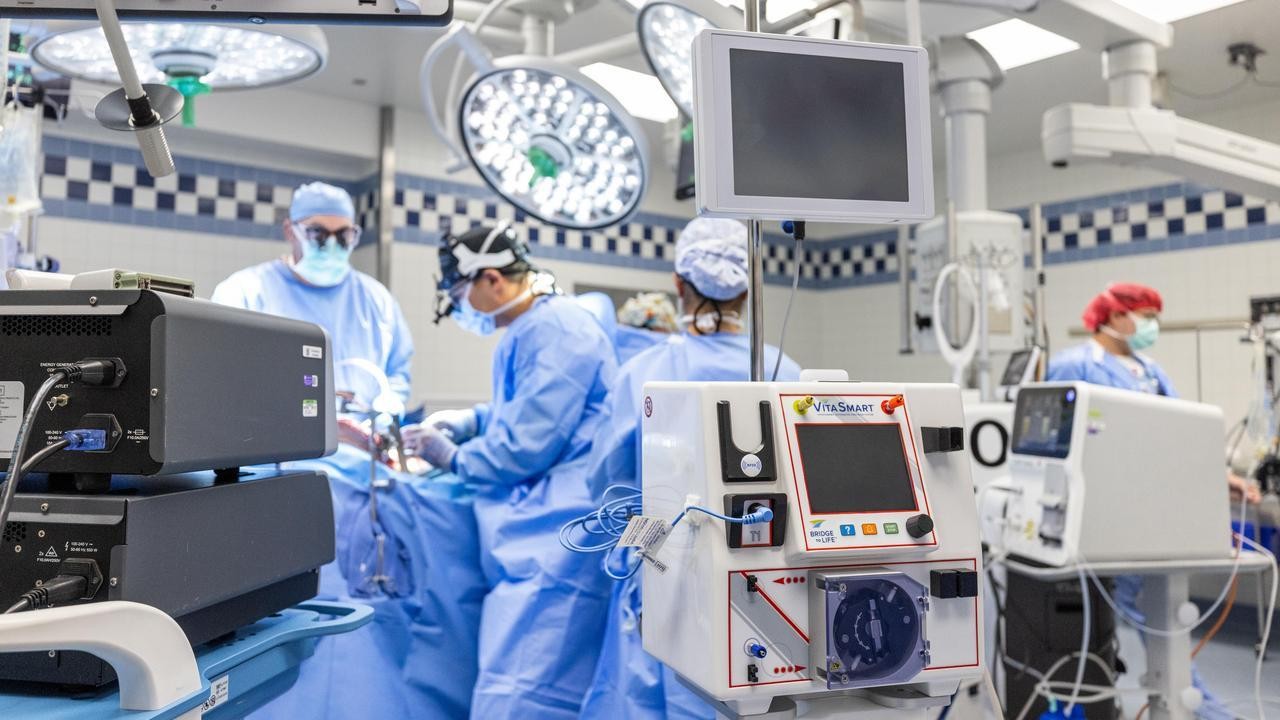
UC Medical Center has completed more than 60 liver transplants using VitaSmart perfusion technology, a device that helps preserve and support donated livers before surgery. That’s the most any U.S. institution has used this device since it received FDA approval earlier this year.

Why UC Health? The liver transplant team here is never satisfied with “good enough” when it comes to their patients. That’s why we have one of the shortest liver transplant wait times in the country.

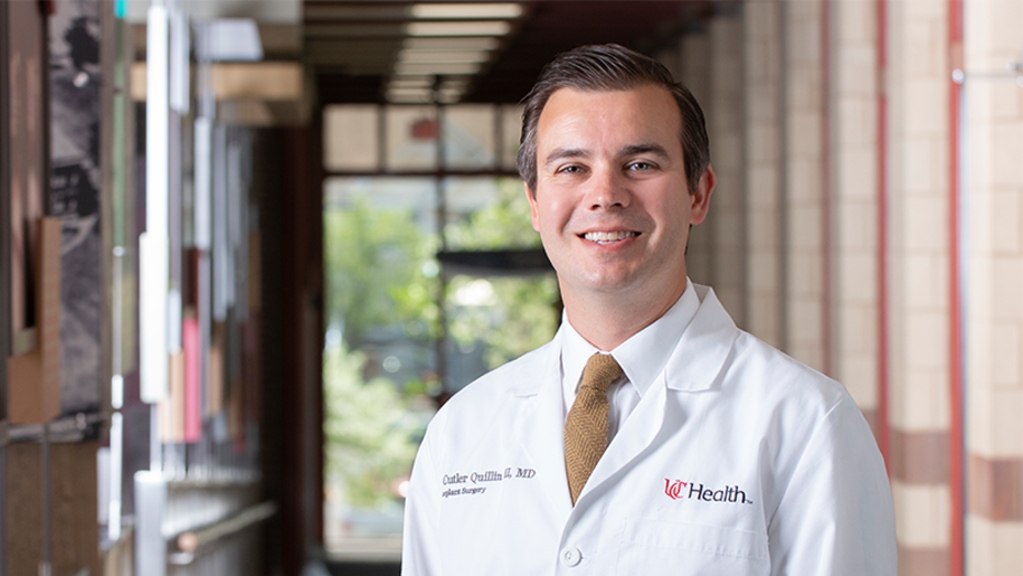
"This milestone highlights the innovative nature of our transplant program and our willingness to adopt new technologies that can create more opportunities and improve outcomes for our patients," said Cutler Quillin, MD, transplant surgeon at UC Health. "It also reflects the tremendous expertise and commitment of our entire transplant team." 

How perfusion technology preserves donated livers

Traditionally, donor livers are preserved on ice while they are transported and prepared for transplant. But preserving a donor organ is a race against time.

With liver perfusion technology, a donated liver is connected to a device that circulates a cold, oxygen-rich solution through the organ until it’s time for surgery.  This essentially keeps it “alive.” The newer the liver, the better the chances of success.  

"The transplant team uses its experience and expertise to make every decision about whether a donor liver is appropriate for a specific patient," said Dr. Quillin. "The technology provides valuable preservation support, but clinical judgment remains at the center of transplantation." 

More options for liver transplant patients

For patients and families that need a transplant, the biggest benefit is simple: more opportunities to get the organ they need.

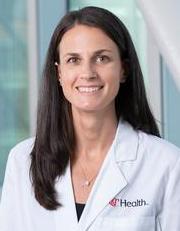
"Machine perfusion allows us to safely use donor livers that might otherwise be considered too high-risk for transplantation, increasing access to lifesaving organs for our patients," said Christine Haugen, MD, liver transplant surgeon at UC Health.

Machine perfusion gives our team more flexibility by extending preservation time. That added time helps us understand if the organ is right for the patient and prepare for surgery, making the process easier on patients and families. 

"We can bring the donor liver back to Cincinnati, place it on the pump, and better coordinate the timing of the transplant," said Dr. Haugen. "This allows patients and families to come to the hospital in a more controlled fashion once we know the organ is appropriate and everything is ready to proceed." 

The people who make every transplant possible

Technology creates more options, but successful transplants depend on the people behind the surgery.

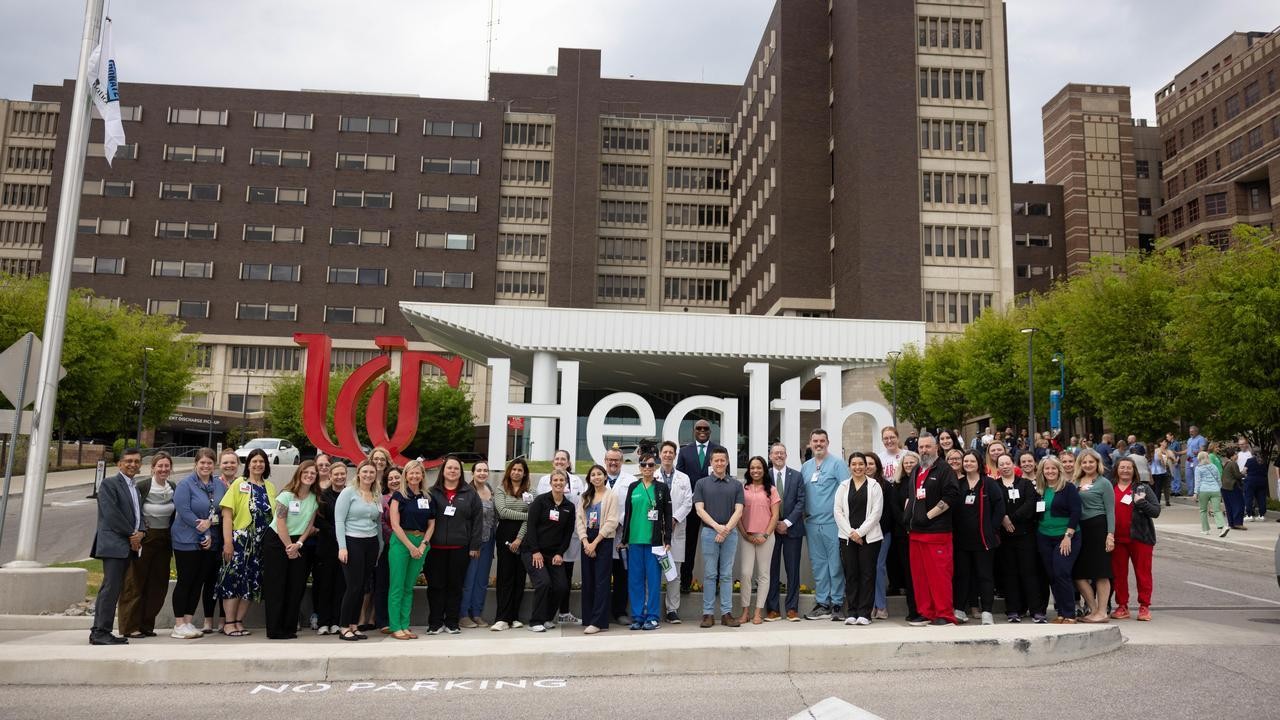
Each transplant brings together organ allocation specialists, transplant surgeons, perfusion specialists and countless others working toward one goal: getting the patient the organ they need.

"Successfully completing more than 60 of these cases requires an extraordinary level of coordination, expertise and commitment from the entire team," said Dr. Quillin. 

Our team is always looking ahead, not just to use the latest technology — but to give our patients more time, more options and better care when it matters most.  

A team that moves transplant care forward

As an academic health system, UC Health shapes how new technologies, like the VitaSmart, are used to improve patient care. We help study, shape and bring them to patients sooner. 

"In many ways, we are helping write the flight plan for how this technology will be used by other transplant centers," said Dr. Cutler Quillin.

And we're not keeping what we learn to ourselves. Through research and clinical trials, we're helping other transplant programs around the United States use new technologies like the VitaSmart to create more opportunities for patients waiting for a liver transplant. 

A new path forward for patients with liver disease

For patients with advanced liver disease, every opportunity to learn about transplant could make a difference. 

Whether someone is exploring transplant options for the first time, has been told they may need a transplant or is seeking a second opinion, understanding their options helps them decide on a path forward.

We're creating more opportunities for lifesaving transplants that get our patients back to the people, routines and moments that make life feel like theirs againmatter most.

"Our goal is not simply to use new technology. It is to understand how to use it effectively, efficiently and safely and then help move the entire field forward," said Dr. Quillin. 

Take the next step with UC Health

If you or a loved one may need a liver transplant, or if you're a physician seeking additional options for a patient, the UC Health Liver Transplant Program is here to help.

To request a liver transplant evaluation or refer a patient today to learn whether transplantation may be an option, visit the patient referral form or call 513-584-9999.

x