Innovations

From Innovation to Better Outcomes: The Waddell Center Reimagines MS Care

Jul. 30, 2025

For those living with multiple sclerosis, or MS, every day brings a range of challenges, from muscle weakness, gait and balance impairment, sensory symptoms including pain and visual disturbances, to profound fatigue and cognitive impairment. But at UC Health’s Waddell Center for Multiple Sclerosis, hope is not only alive—it’s advancing. We treat the whole person, not just the disease.


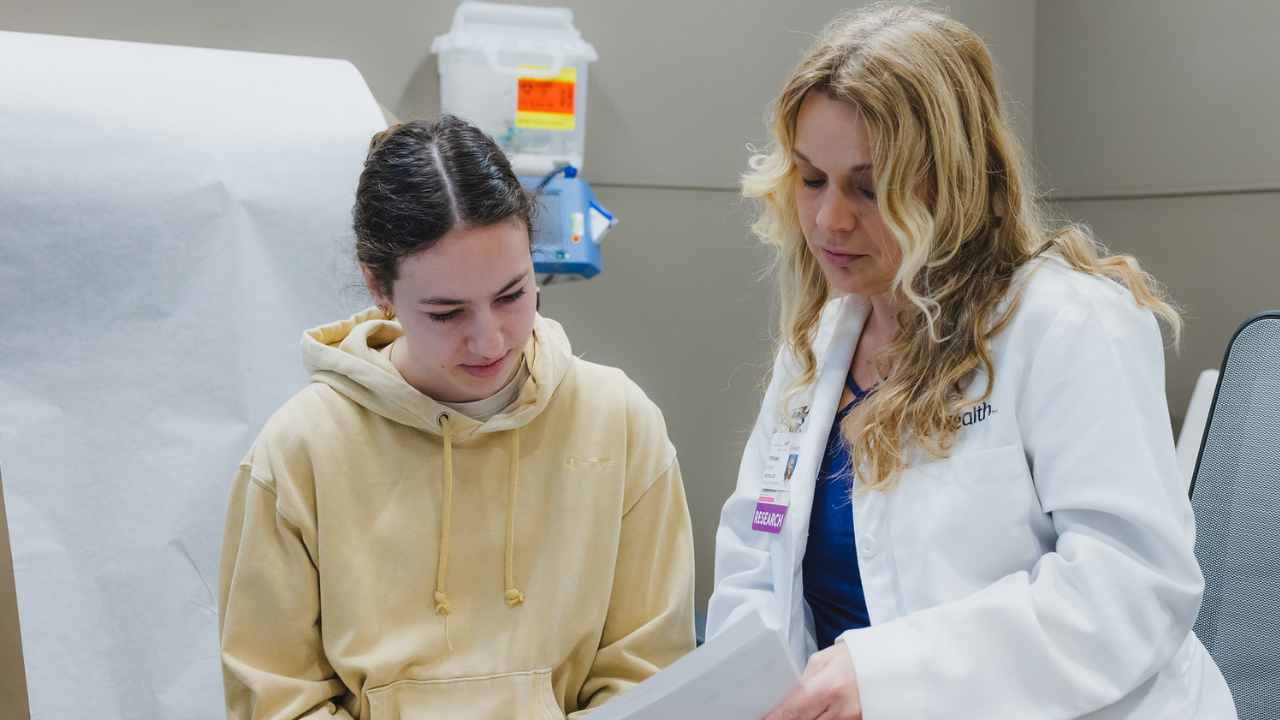
Patient and Researcher

What is MS? Why is Early, Accurate Diagnosis So Critical?

Multiple sclerosis (MS) is a chronic condition in which the immune system mistakenly attacks the myelin sheath that insulates nerve fibers in the central nervous system. This leads to impaired communication between the brain and the rest of the body. While the exact cause remains elusive, experts believe that a mix of genetic, autoimmune, and environmental factors contributes to the disease. MS remains one of the most unpredictable and life-altering neurological conditions today, striking predominantly young adults between 20 and 40 years of age, often without warning.

Because MS attacks are unpredictable and often result in permanent neurological deficit, timely diagnosis and monitoring are essential for effective treatment. This is where the Waddell Center for Multiple Sclerosis stands out. As an elite center housed at the University of Cincinnati Gardner Neuroscience Institute, the Waddell Center offers advanced diagnostics such as high-resolution MRI empowered by AI, lumbar puncture, visual evoked potentials (VEP), optical coherence tomography (OCT), and MS serum biomarkers.  These advanced technologies enhance our ability to identify subtle but important indicators.

Early Detection of MS Disease Activity and Progression

One of the most significant recent breakthroughs in MS research is the use of new biomarkers—such as MRI biomarkers enhanced by artificial intelligence, OCT, and serum biomarkers—to detect MS and its early progression stages as early as possible.

AI models developed in partnership with leading neuroscientists have demonstrated impressive accuracy in identifying early MS and detecting the transition from RRMS to SPMS. This approach empowers clinicians to adjust treatment plans before irreversible damage occurs.

This technology is already being integrated into diagnostic workflows at the Waddell Center, exemplifying UC Health’s commitment to harnessing innovation for better patient outcomes.
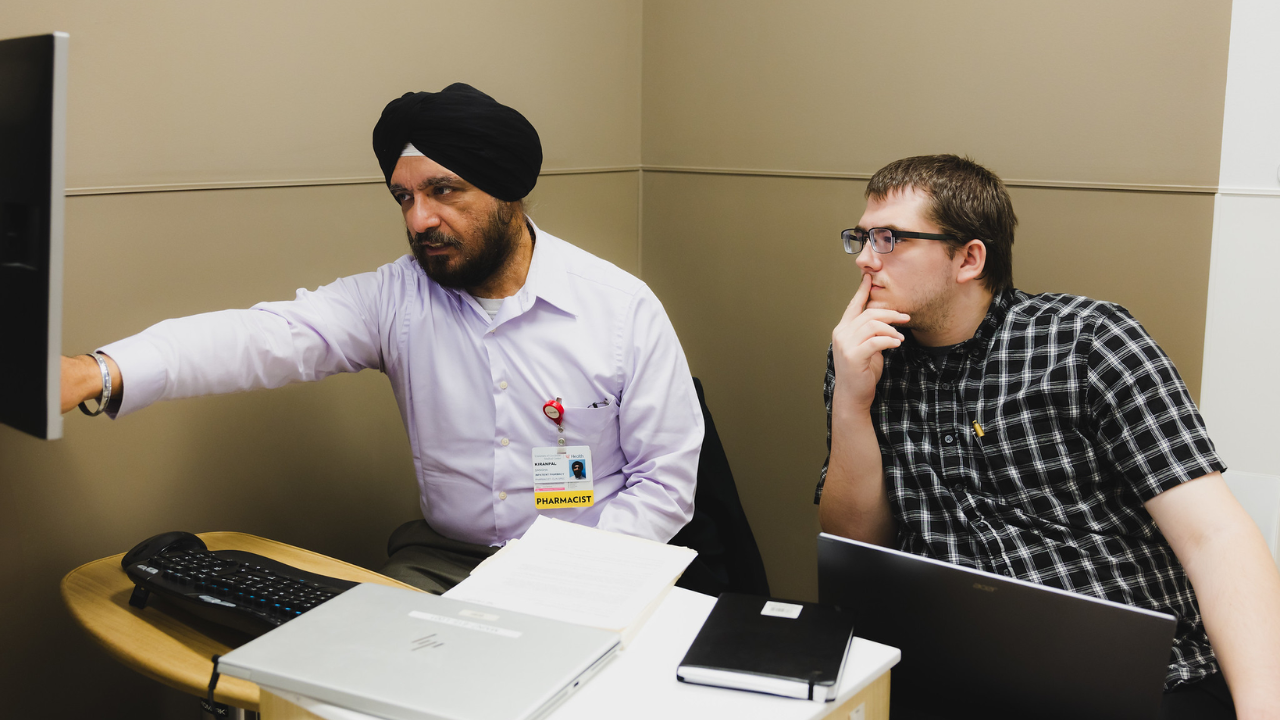
Pharmacist works closely with team to advance treatment

Trailblazing Therapies: CAR T-Cell and Stem Cell Therapies Advances

The Waddell Center is among a select group of institutions nationwide offering hematopoietic stem cell transplantation (aHSCT) and CAR T-cell therapy for multiple sclerosis. These cutting-edge treatments are available through carefully monitored clinical trials for patients who have not responded to standard therapies.

BEAT-MS, a Phase 3 trial sponsored by the NIH, is designed for patients with relapsing forms of MS and compares aHSCT to highly effective disease-modifying therapies.

CAR T-cell therapy, which involves engineering a patient’s own immune cells to target harmful cells selectively, is being studied across all forms of MS. This Phase 1 trial aims to evaluate the safety of this novel approach.

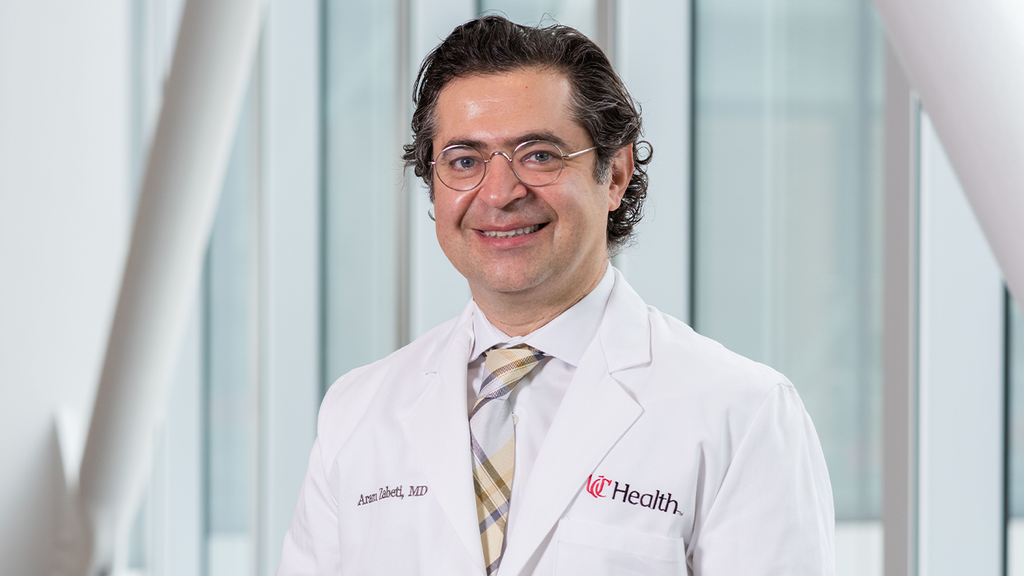
“This treatment has the potential to help patients with all forms of MS, whether relapsing or progressive,” Dr. Aram Zabeti, Division Director and Endowed Chair at Waddell Center for Multiple Sclerosis, said. “We’ve already successfully screened our first patient in the progressive MS group and still have a few openings in both trial cohorts.”

Comprehensive, Compassionate Care—All Under One Roof

Multidisciplinary collaboration is key. With specialists in neurology, neuropsychology, neuro-ophthalmology, and physical medicine, every patient receives a treatment plan tailored to their unique needs. Dedicated nurses, pharmacists, a social worker, and a dietitian ensure seamless care coordination and ongoing support.

We have a close and longstanding collaboration with Integrative Medicine to provide a holistic approach to MS care. “We recognize the limitations of current pharmacological treatments and value the power of a healthy lifestyle and self-care,” Dr. Zabeti emphasizes. That’s why whole-person treatment is prioritized, with additional support including wellness-focused classes through UC Health’s Integrative Medicine programs.

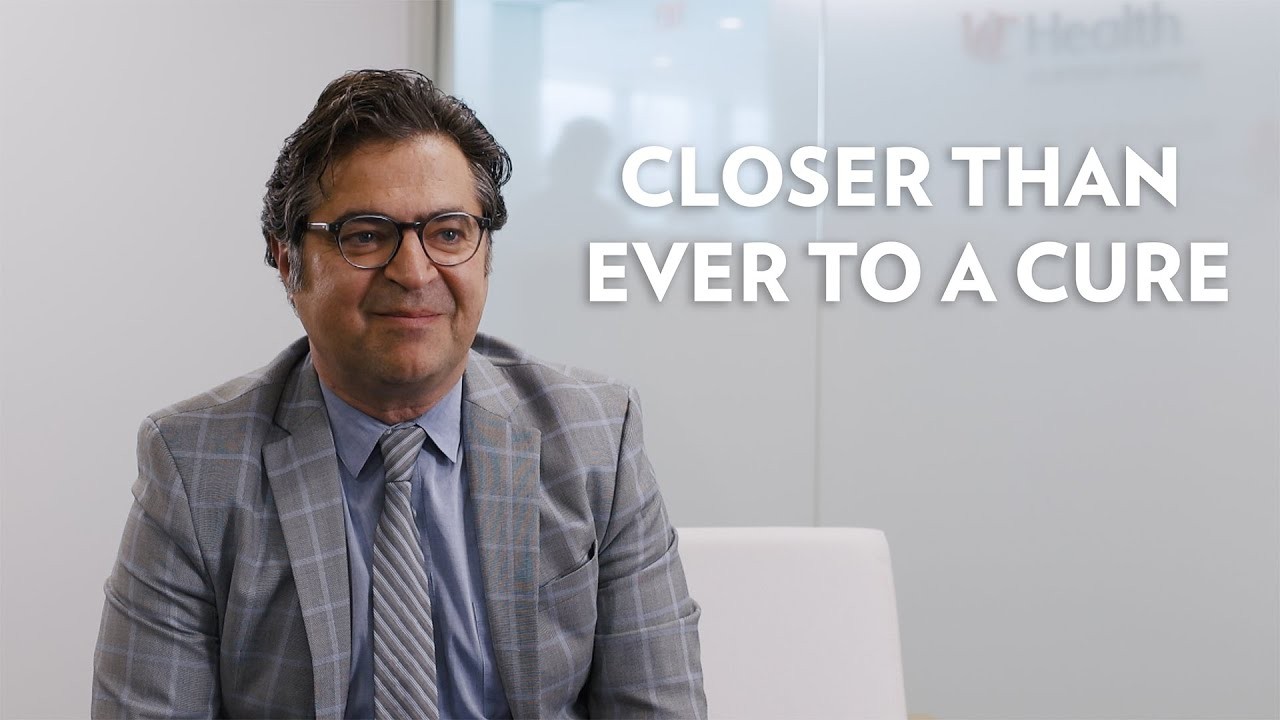
Dr. Zabeti

A Future Without Multiple Sclerosis: How UC Health's Approach is Advancing Care Today and Tomorrow

Clinical Trials: Innovation with a Personal Touch

For many patients, clinical trials offer not only access to novel therapies but also an unmatched level of attention and follow-up. UC Health is actively enrolling patients in studies for MS, such as FEXALT and FREVIVA, as well as rare neuroinflammatory diseases, like Neuromyelitis Optica Spectrum Disorder (NMOSD), Myelin Oligodendrocyte Glycoprotein Antibody-associated Disease (MOGAD), and NMDAR encephalitis.

Convenient Access Across the Greater Cincinnati Region

With care available at Clifton, Florence, West Chester, and Dayton, UC Health ensures that world-class MS treatment is accessible throughout our region. The National Multiple Sclerosis Society proudly recognizes the Waddell Center as the region’s only comprehensive MS care center and is a certified member of the Consortium of Multiple Sclerosis Centers.

Why Choose UC Health for MS Care

In an era of rapidly evolving healthcare, UC Health’s Waddell Center remains at the forefront, adapting to change and driving it. From AI-powered diagnostics to groundbreaking CAR T-cell therapies, the Waddell Center is where innovation meets empathy. And for those living with MS, that can make all the difference.

To learn more about the Waddell Center for Multiple Sclerosis, or to schedule an appointment at our Clifton, Florence, or West Chester locations, call (513) 475-8730. 

x