- Epilepsy causes more than just seizures. It can make people feel dependent on others and impact their well-being.
- Patient navigators like Scott help people with epilepsy improve their lives by offering guidance and resources that support their treatment.
- Through the Learning Health System approach, the UC Gardner Neuroscience Institute is helping people with epilepsy have fewer seizures and lead better lives.
Innovation
Leading the Way Toward Better Days in Epilepsy Care
Jun. 10, 2026
Seizures can make life unpredictable. Our team helps patients take back control.
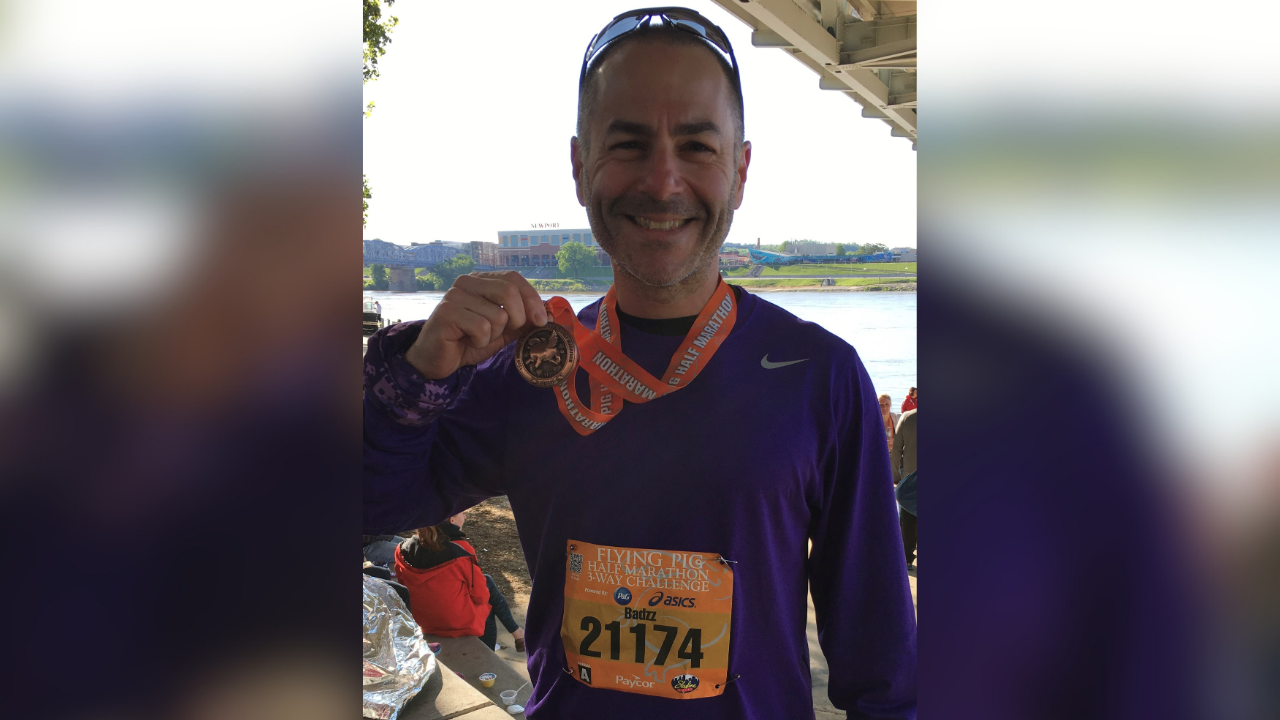
Scott Badzik, a patient navigator and community engagement specialist, uses his real-world experience to help patients at the UC Gardner Neuroscience Institute’s Epilepsy Center navigate their epilepsy diagnosis. | Photo provided by Scott
A patient sits quietly in a hospital room after an epilepsy diagnosis. They’re filled with questions they don’t yet know how to ask. Will life ever feel normal again? Will work change? Will I still be able to drive?
Then Scott walks into the room.
He doesn’t begin with medical terms or treatment plans. Instead, he starts with something just as important: understanding.
More than 20 years ago, Scott Badzik was sitting on the other side of conversations like this one. Before he was diagnosed with epilepsy, he was a pilot who loved the freedom of flying. After his epilepsy diagnosis, he lost his driver’s license — and with it, a part of the future he had imagined for himself.
“The hardest part wasn’t just the seizures,” Scott said. “It was the isolation. The loss of identity.”
Today, Scott brings his experiences to families at the UC Gardner Neuroscience Institute’s Epilepsy Center as a patient navigator and community engagement specialist. He helps patients work through difficult emotions, connect with resources and answer the questions that come after diagnosis — the questions that often matter most in everyday life.
At UC Health, epilepsy care is more than just treating seizures. It’s about helping patients and families move toward better days. We do this through expert care, long-term support and a team that understands the life behind the diagnosis.
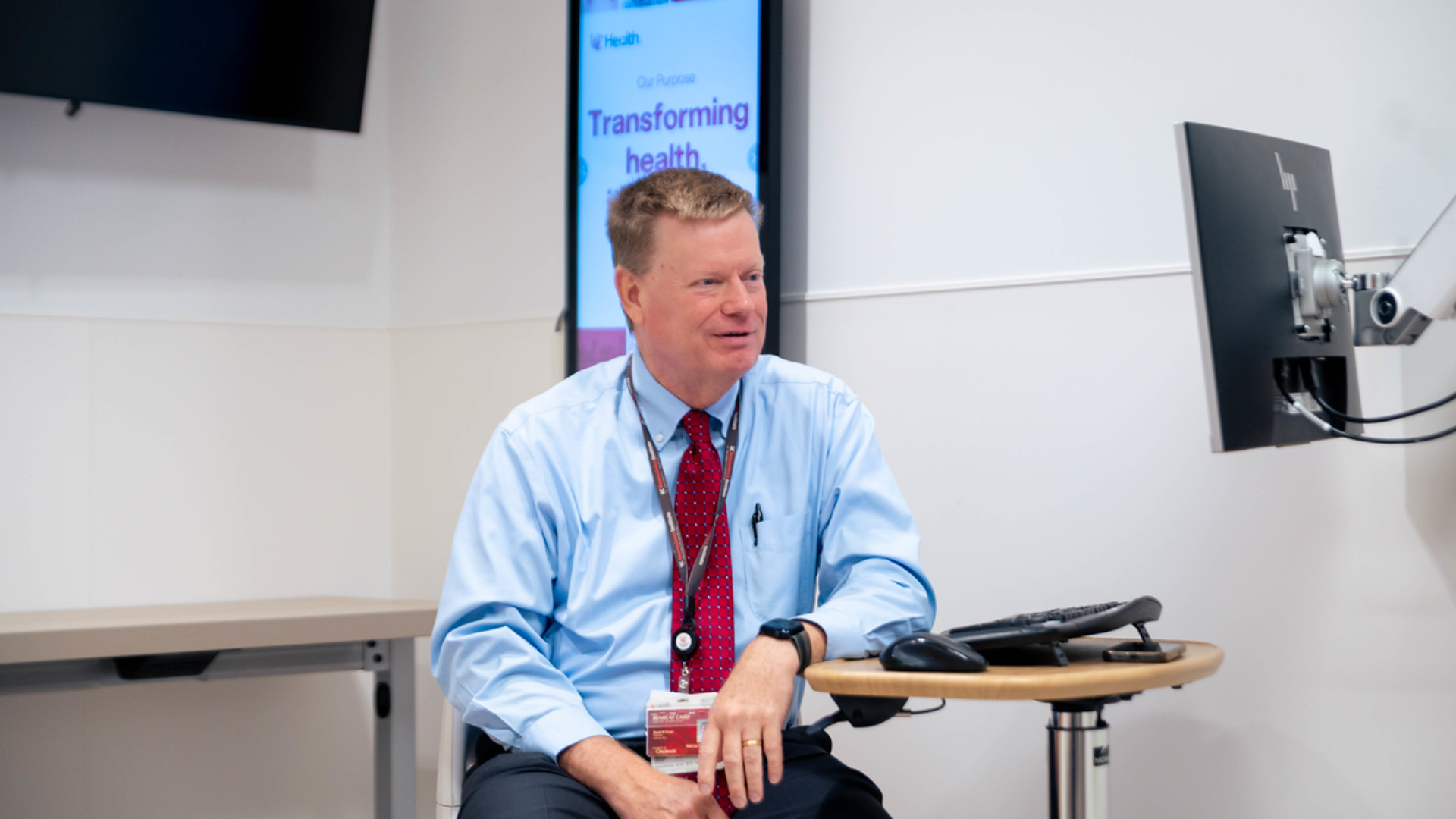
Dr. David Ficker and the Epilepsy Center team offer coordinated support and personalized care tailored to each patient’s needs.
Epilepsy Changes More Than Health
Living with epilepsy can mean planning your life around your seizures, even when you don’t know when the next one will happen.
“Patients aren’t just managing seizures,” Scott said. “They’re trying to figure out how to live their lives again.”
For Scott, those emotions were deeply personal. Before epilepsy, flying gave him freedom and purpose. Losing his pilot’s license forced him to rethink not only his career, but his identity.
“I wasn’t just losing a career,” he said. “I was losing a part of myself.”
But the team at the Epilepsy Center knows that patients can lead happy lives, and they’re determined to make that a reality for everyone.
For some patients, that may mean getting back behind the wheel. For others, it could mean feeling comfortable returning to work, participating in school activities or simply making plans without fear of disruption.
That kind of progress often starts with having the right support system in place from the beginning.
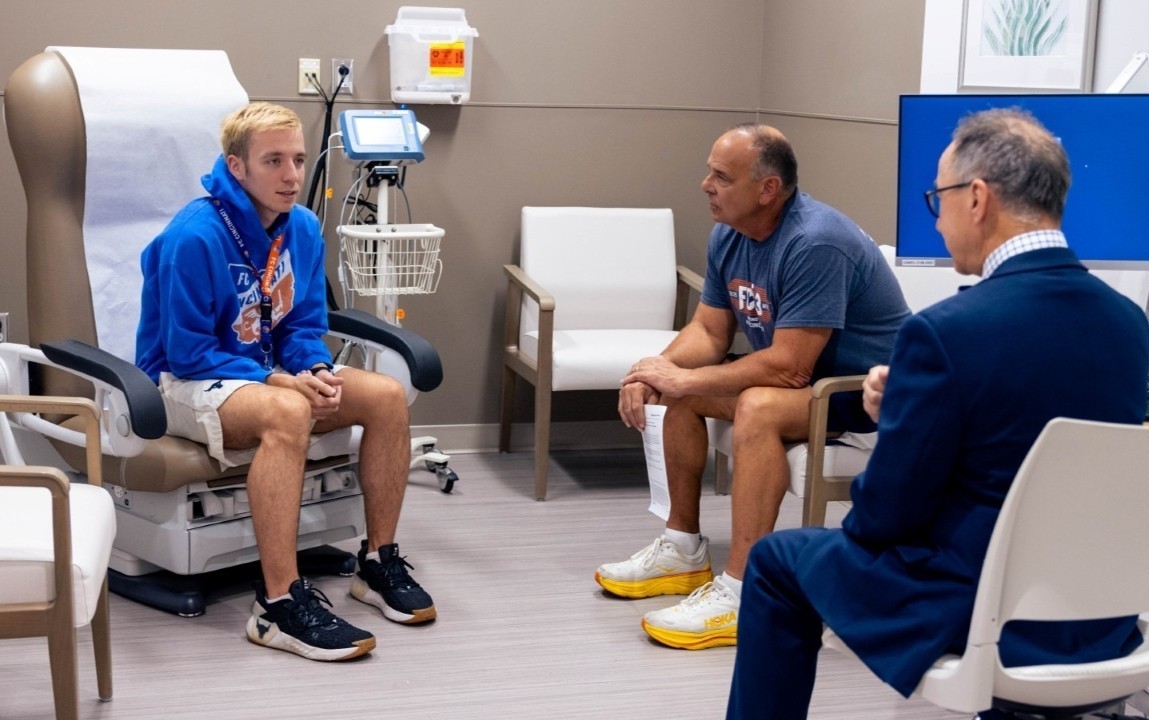
At the Epilepsy Center, support is provided by a network that includes providers, patient navigators like Scott, and patient families.
A Different Kind of Support System
After an epilepsy diagnosis, many families leave the hospital with questions about what daily life will look like moving forward.
- Will managing medications be hard?
- What happens if I have another seizure at school or work?
- How can I help friends, teachers or employers understand my diagnosis?
At the UC Gardner Neuroscience Institute’s Epilepsy Center, patient navigators help families work through those questions one step at a time.
For Scott, that support often begins with simply listening.
“I’m not a doctor,” Scott said. “I don’t carry a stethoscope or write prescriptions. I show up as someone who’s lived this.”
Scott helps connect patients and families to resources, answer practical questions and offer reassurance during some of the most uncertain moments after diagnosis.
Sometimes that means talking through lifestyle changes. Other times, it means helping patients realize they can still pursue goals, relationships and independence despite epilepsy.
“I give them honesty, encouragement and the reassurance that life is still theirs to live,” Scott said.
Over the years, Scott has worked with more than 400 families at UC Health and Cincinnati Children’s — and many say the conversations helped them feel less alone.
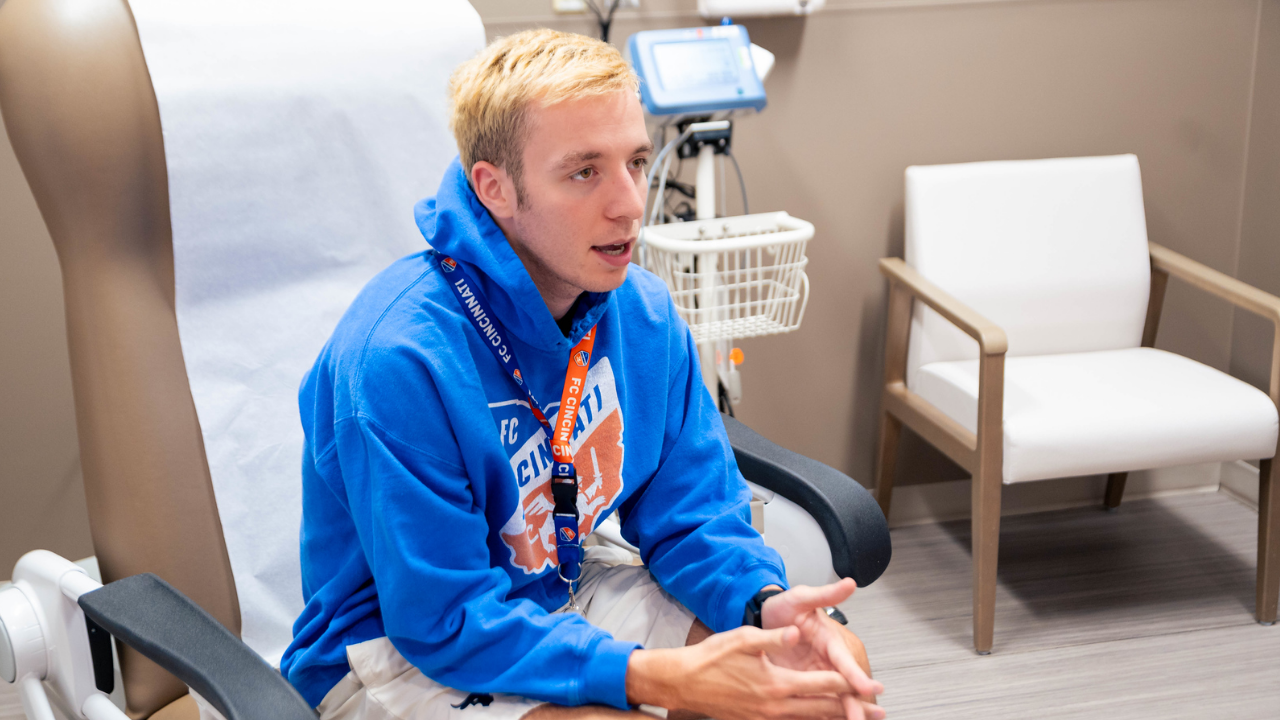
Care is tailored to each patient and may include ongoing monitoring, medication management, additional testing, mental health support, or surgery to better understand seizure patterns and meet individual needs.
A Team Built Around the Patient
Epilepsy care often requires more than one specialist. At the UC Gardner Neuroscience Institute’s Epilepsy Center, patients get a team of experts who work together on a treatment plan made just for them.
The care team includes nurse navigators, more than 22 EEG technologists, highly trained inpatient and outpatient nurses, neurosurgeons, neuropsychologists, neuroradiologists, pharmacists, fellows and specialized medical assistants.
That collaboration matters because epilepsy can affect every patient differently. Some patients may need more testing or help managing medications. Others may need surgery, mental health support or ongoing monitoring to better understand seizure patterns.
This team approach helps make care easier for patients and families, so they understand the next steps and who to call with questions.
That’s part of our commitment at UC Health. We build our healthcare around our patients—instead of asking patients to build their lives around their healthcare.

Dr. David Ficker leads a conversation with Scott and fellow members of the UC Gardner Neuroscience Epilepsy team during a collaborative brainstorming and knowledge-sharing session.
Turning Data into Better Days
At UC Health, care is also shaped by research and lifelong learning.
At the UC Gardner Neuroscience Institute, epilepsy care is shaped through a Learning Health System approach in which patients, families, clinicians and researchers work together to define meaningful outcomes and co-create the care process. By integrating continuous feedback from this partnership, the Epilepsy Center develops practical, personalized solutions that improve quality of life and care for all patients.
“The Learning Health System is a unique approach to changing the usual medical care for epilepsy. We can learn from the data we collect from our overall epilepsy population that then can translate to a personalized approach for the individual patient,” said David Ficker, MD, Director, Epilepsy Monitoring Unit and EEG Lab, UC Medical Center.
For the epilepsy team, this means studying seizure treatment effectiveness, how consistently patients take their medications, and mood concerns. The goal is to identify barriers early and keep small challenges from becoming larger problems.
One of the most common barriers is difficulty remembering to take medications consistently. An initiative in the Learning Health System looked at this. At first, more than 15% of patients said they had obstacles affecting their care, with medication reminders ad one of the top concerns.
The epilepsy team created interventions in care to reduce this issue. Since January 2025, the number of patients who had reported difficulties remembering to take medications dropped from 12% to just 3.5%.
Our Epilepsy Center is the first in the country with data to show improvements through this type of Learning Health System.
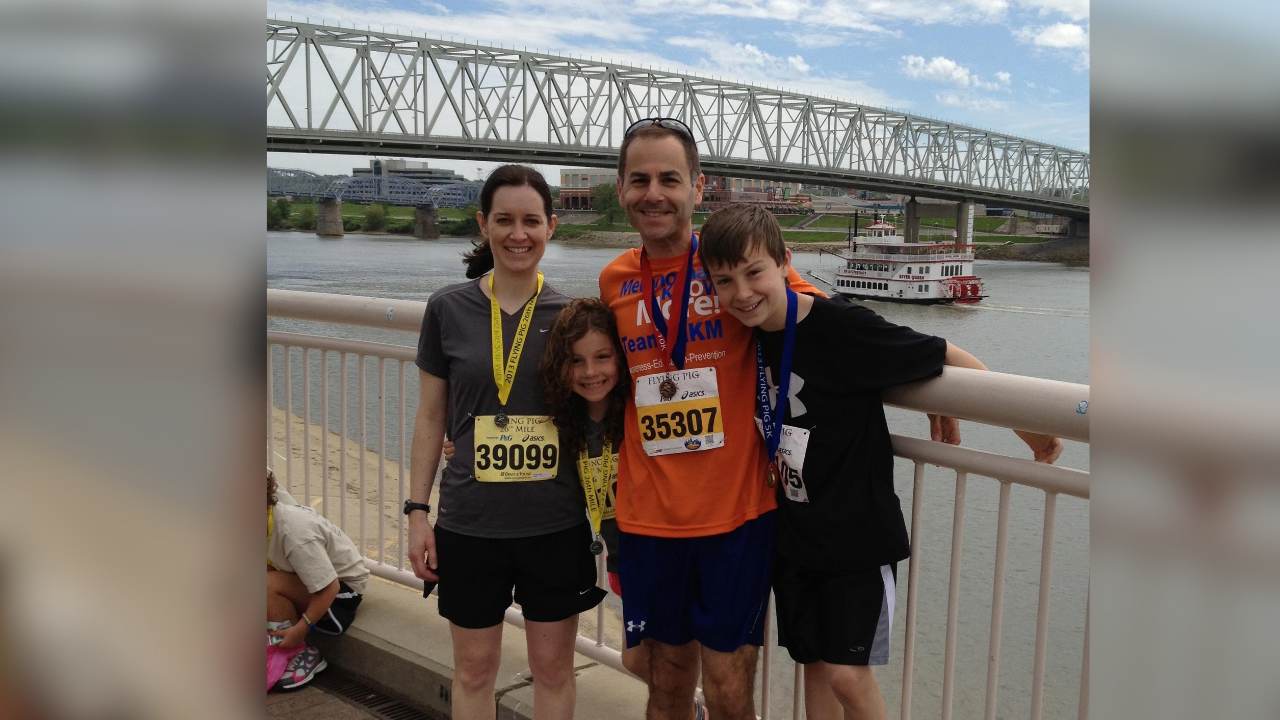
Scott and his family after the Flying Pig Marathon. Scott brings a spirit of encouragement to patients, offering understanding, reassurance, and steady support rooted in his own lived experience. | Photo provided by Scott.
Why Seizure Freedom Changes Lives
The Learning Health System also improved seizure freedom, or a patient living seizure-free, by more than 10%. It’s an important goal for many that can help them become more independent.
“When seizures become more controlled, patients can begin focusing on life again instead of constantly preparing for the next disruption,” Scott said.
For some patients, that progress may happen gradually. But having a team that uses advanced treatments, works together and understands life with epilepsy can make the future brighter.
And for many families, that sense of predictability becomes just as meaningful as the treatment wins.
“Sometimes, just sitting in a room with a patient going through their first hospital stay, I realize I’m giving what I once needed,” said Scott.
At UC Gardner Neuroscience Institute’s Epilepsy Center, we are experts in epilepsy care. Expect more. Call 513-475-8730.