Innovation

Stroke Care and Research at UC Health: Changing Outcomes in Cincinnati—and Around the World

Sep. 16, 2025

At UC Health, research turns into care—fast. That means safer treatments, more options, and better recovery for people facing stroke in Greater Cincinnati and beyond.


Why Stroke Research Matters

When a stroke happens, blood flow to the brain is blocked or a vessel bleeds. Brain cells start to die within minutes. That’s why you’ll hear, “time is brain.” Research helps us act faster and smarter—spotting stroke sooner, choosing the right treatment, and guiding recovery that lasts.

At UC Health and the UC Gardner Neuroscience Institute, research isn’t separate from care. It’s built into every step: pre-hospital, emergency treatment, imaging, ICU care, rehab, and prevention. That commitment comes to life in our clinical trials, which provide patients with additional options today while improving care for everyone tomorrow.

Dr. Joseph Broderick speaking in a conference room

Learn more about the Comprehensive Stroke Center at UC Health and the work to shape the future of stroke prevention, treatment and rehabilitation.

What Sets UC Health Apart

  • Proven team, ready 24/7. The Comprehensive Stroke Center—the first multidisciplinary stroke team in the U.S. (mid-1980s)—provides around-the-clock care with access to board-certified vascular neurologists available every day of the year.
  • Reach across the region. We deliver acute stroke care and consultations at hospitals across the region, so expert care is close to home.
  • Telestroke for faster treatment. Since 2012, secure video has allowed our specialists to examine patients, read scans, and guide care in real time.
  • Research that changed practice. University of Cincinnati researchers helped develop and test tPA, the first FDA-approved clot-busting medicine for ischemic stroke.
  • National research leadership. University of Cincinnati and UC Health serve as the National Coordinating Center for NIH StrokeNet, the main network for NIH-funded stroke trials.
  • Recognized quality. UC Medical Center is a Certified Comprehensive Advanced Stroke Center (The Joint Commission). West Chester Hospital is a Primary Stroke Center (since 2017), now with the capability to perform clot-removing procedures.
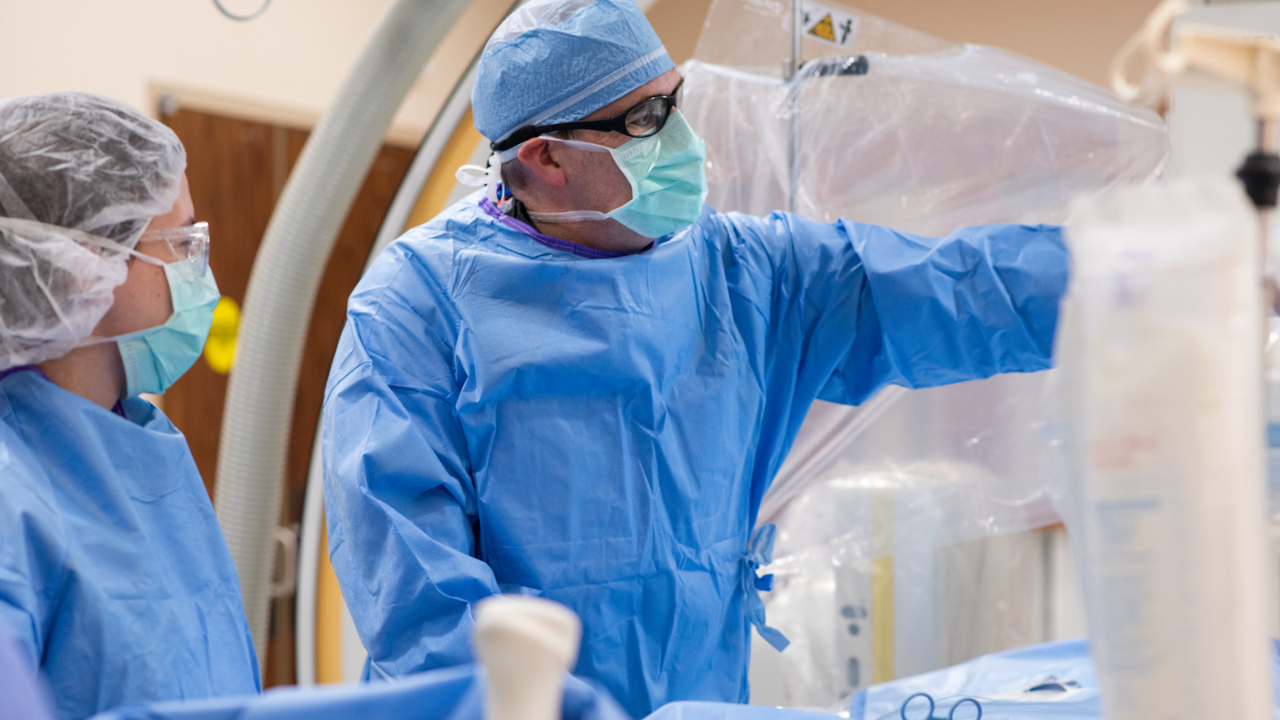
Doctors in operating room

From Discovery to Bedside: Real-World Impact

Thanks to sustained stroke research and collaboration between researchers, clinicians, and families, patients today receive quicker treatment and stronger support for recovery.

Clot-busting medicine (tPA). What started as a research question—“Can we safely dissolve a clot in a vessel that feeds the brain?”—is now a treatment that restores blood flow for many patients. That work began here, and now Tissue Plasminogen Activator (tPA) helps people worldwide.

Who needs thrombectomy? Advanced imaging and decision tools guide us to mechanical thrombectomy when a large artery is blocked. The goal is simple: the right therapy, the first time, with no wasted minutes.

Care without borders. With telestroke, UC Health experts can join bedside teams at partner hospitals across Cincinnati, review scans live, and help start treatment quickly. If you need advanced procedures, we arrange a seamless transfer.

Recovery that lasts. Our teams study neurorecovery and neuroimaging to improve speech, movement, memory, and independence. What we learn in Cincinnati informs care worldwide.

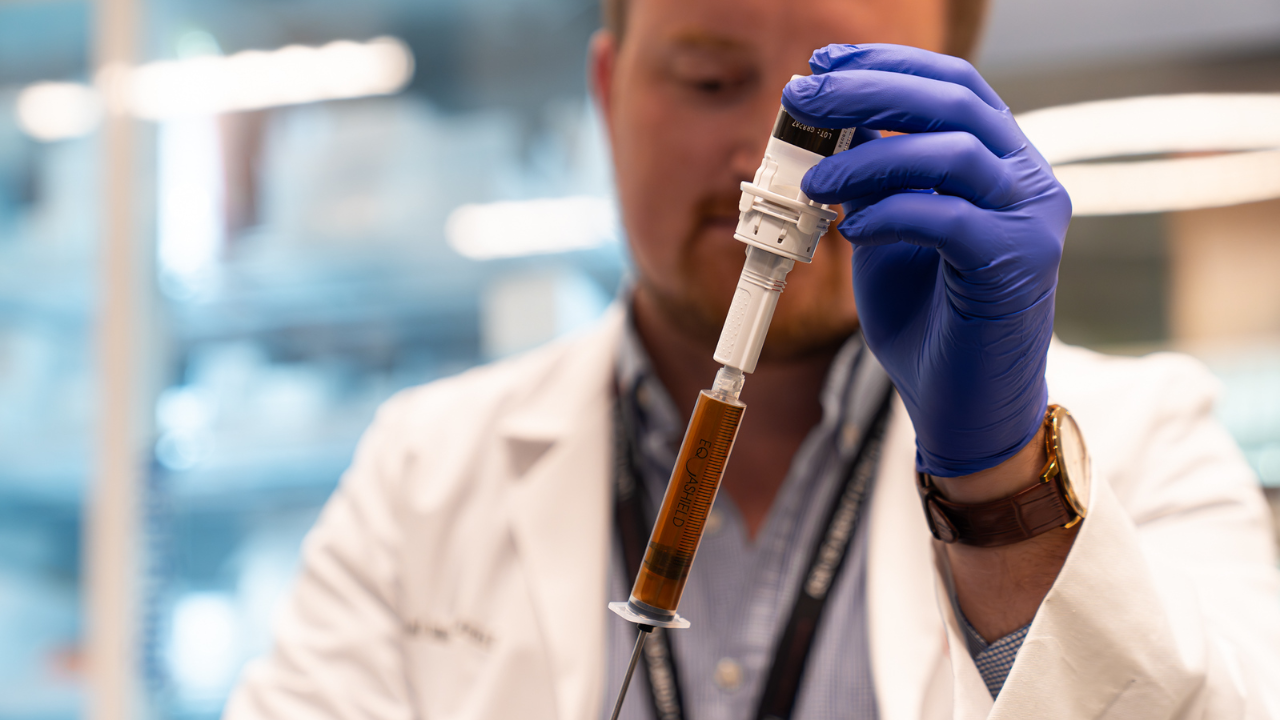
StrokeNet research in a lab setting

Clinical Trials for Stroke Patients

Research moves care forward, but your choice comes first. When you consider a clinical trial at UC Health, we’ll explain the study in plain language and answer every question. Participation is always optional—never required.

What is a clinical trial?

A carefully designed study that tests a new medicine, device, or care plan to see what works best.

Is it safe?

Safety is the top priority. Trials follow strict rules, are reviewed by ethics boards, and are closely monitored. Participation is always voluntary.

Will I still get standard care?

Yes. You receive the best proven treatment for your stroke. A trial may only add a study option when appropriate, safe, and with your consent.

Who qualifies?

Each study has criteria—stroke type, timing, scans, age, and health history. Your team checks quickly and explains options in plain language.

Why consider a trial?

Some patients gain early access to promising therapies. Many join to help future patients—turning a hard moment into hope.

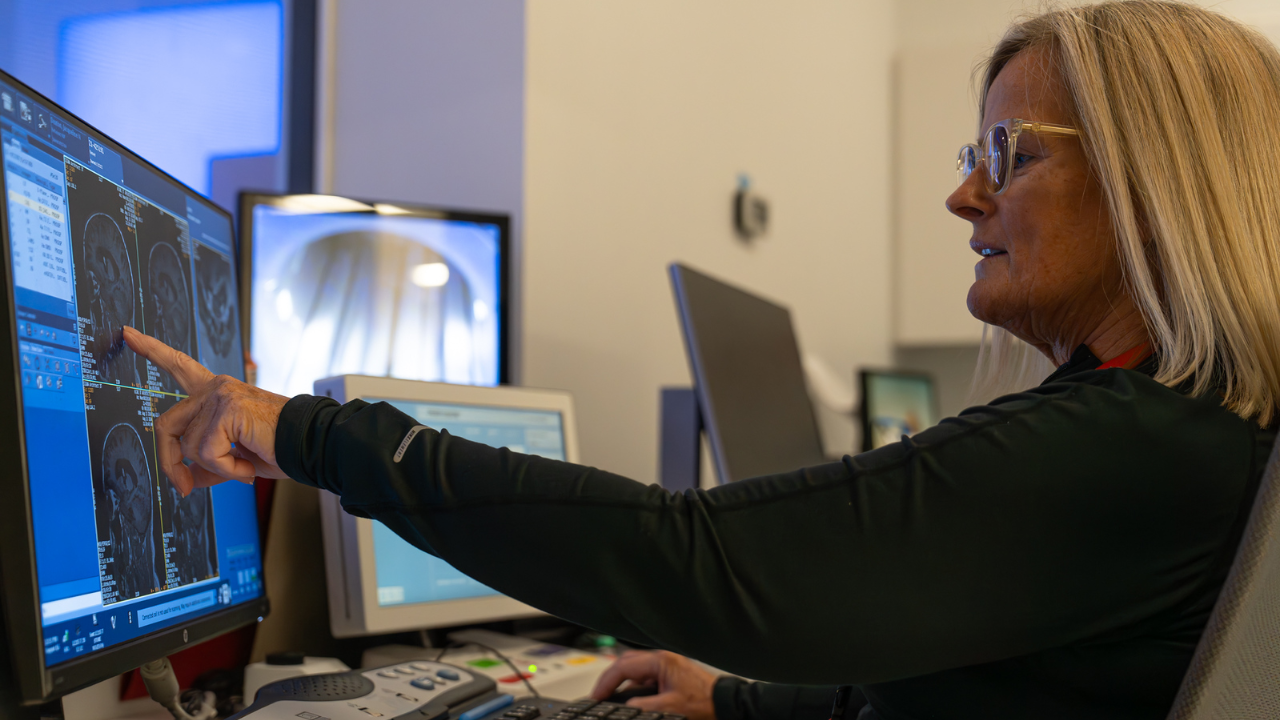
Researcher reviewing a brain MRI on a computer monitor.

Supporting Patients in Cincinnati and Across the Country

Cincinnati patients and their families feel the impact first. Our network spreads expert stroke care in Cincinnati through telestroke and coordinated transfers. As the NIH StrokeNet coordinating center, UC Health helps design studies that shape care worldwide—from prevention to acute treatment to recovery.

Research moves quickly from lab to bedside. The Comprehensive Stroke Center ensures that stroke victims in Greater Cincinnati get timely treatment, safer care, and stronger recovery.

To schedule an appointment or explore open clinical trials, contact the UC Gardner Neuroscience Institute team by calling 513-475-8730.

If stroke symptoms start, call 911 immediately.

x