Innovation

Why Mental Health Clinical Trials Matter

May. 28, 2026

When mental health treatments don’t bring the relief someone hoped for, it can feel like every door is closing. Clinical trials help open new ones—offering access to innovative care, expert support and the possibility of better outcomes close to home.


Man smiles as he hikes through a wooded area.

At UC Health, psychiatry specialists and researchers are working to turn uncertainty into possibility through innovative treatments and a relentless commitment to better mental health care.

Mental Health Care Is Still Out of Reach for Too Many People

Many people spend months—or even years—trying to understand what they’re feeling before they ever ask for help. They search symptoms online, wonder if treatment will work or worry about how others might respond if they speak up.

For some, cost or access to care becomes another barrier. Others feel discouraged after trying medications or therapies that didn’t help the way they hoped.

Mental health clinical trials can offer another path forward.

Clinical trials help researchers study new medications, therapies and care approaches for conditions like depression, anxiety, bipolar disorder, PTSD and more. They also help patients gain access to emerging treatments and highly specialized care that may not yet be widely available.

At UC Health, psychiatry specialists and researchers are working to turn uncertainty into possibility through innovative treatments and a relentless commitment to better mental health care.

Mental Health Clinical Trials Are More Than Medication

When people hear the words “clinical trial,” they often think only about experimental drugs. But mental health research today is much broader than that.

Researchers are studying:

  • New medications for depression, anxiety and bipolar disorder
  • Psychotherapeutic approaches and behavioral interventions
  • Brain imaging and long-term cognitive studies
  • Lifestyle interventions, including nutrition-based care
  • Digital tools and technologies that support mental health treatment

Melissa DelBello, MD, MS an internationally recognized UC Health psychiatrist and researcher specializing in mood disorders and bipolar disorder, says many patients are surprised by how comprehensive modern clinical trials are. “We're looking at a variety of novel treatments, and it gives people the opportunity to have access to state-of-the-art and innovative care early in its development.”

At UC Health, some studies focus on how the brain changes over time. Others explore how therapies or lifestyle changes may improve symptoms and quality of life.

Dr. DelBello shares, “Many people think clinical trials are only for medications which isn’t true. For example,  we are currently enrolling patients with bipolar depression in a ketogenic diet trial or and have many studies examining psychotherapeutic interventions.”

Clinical trials also help researchers better understand why treatments work differently for different people—and how care can become more personalized in the future.

Why Access to Clinical Trials in Cincinnati Matters

For many families, traveling across the country for specialized mental health care simply is not realistic. That is why access to local research opportunities matters.

As the Tri-State’s only academic medical center, UC Health offers hundreds of active clinical trials and research studies across multiple specialties, including psychiatry.

Jeffrey Strawn, MD, a UC Health psychiatrist and researcher focused on anxiety disorders, depression and PTSD, says keeping access to clinical trials close to home can make a meaningful difference for patients and families.

“It’s so important that people in our community can access clinical trials here at UC Health because psychiatric illness already creates enough barriers. Families should not have to travel across the country to access innovation or expertise.”

Dr. Strawn says local access also allows patients to stay connected to the support systems they rely on while receiving advanced care.

“When trials are available locally, patients can remain connected to their schools, jobs, families, therapists, and support systems while still accessing cutting-edge treatments.”

For many patients, he says, simply knowing there are still options available can help restore a sense of hope.

“Instead of hearing, ‘There’s nothing left to try,’ they hear, ‘There are still options. There are still investigators, right here at UC Health, working on this.’”


Two men sit at a table and talk.

Dr. Adler encourages patients and families to ask questions and carefully consider their options. “They should closely consider all the potential risks, as well as the benefits, and exercise caution in deciding whether to enroll in a trial.”

Clinical Trials Can Offer Support, Structure and Hope

Participating in a clinical trial is not only about research. For many patients, it is also about feeling heard, supported and closely cared for during a difficult time.

“Psychiatric illnesses can make people feel stuck. A clinical trial can represent something very different: access, attention, structure, expertise, and the feeling that someone is still fighting alongside them,” says Dr. Strawn.

Patients in clinical trials are monitored closely and have regular communication with their care teams.

According to Dr. DelBello, that level of support can be especially meaningful for people who have struggled to find relief through standard treatment approaches.

“It gives people easy access to their clinicians. They have access 24 hours a day to people if they need help or have problems.”

Dr. DelBello says clinical trials may allow patient’s access to the newest options for mental health treatment that some insurances will not cover.

“A lot of medications are incredibly pricy and are not covered by insurance. Clinical trials can be very helpful in alleviating some of the financial strain on patients.”

How Research Today Shapes Future Mental Health Care

Many of the mental health treatments available today only exist because patients participated in clinical research years earlier.

At UC Health, clinical trials also allow care teams to safely introduce promising new therapies even before they become more widely available.

Caleb Adler, MD, a UC Health psychiatrist and researcher specializing in bipolar disorder and brain imaging research, says clinical trials have led to providers getting early experience with  emerging therapies.

That early involvement helped lead to UC Health establishing one of the region’s earliest esketamine treatment programs, expanding access to this newer option for patients with difficult-to-treat depression.

Researchers also note that today’s studies will help create more personalized mental health care in the future.

“The future is understanding which treatment is most likely to help which patient, at which point in illness, with the fewest burdens and side effects possible,” says Dr. Strawn.

“That’s where I hope the field is headed and I think clinical trials are one of the main ways we get there.”

What Patients Should Know Before Joining a Trial

Joining a clinical trial is always voluntary. Before participating, patients review the potential benefits, risks and study requirements with the research team.

Dr. Adler encourages patients and families to ask questions and carefully consider their options. “They should closely consider all the potential risks, as well as the benefits, and exercise caution in deciding whether to enroll in a trial.”

For many people, learning more about the process helps ease concerns and misconceptions.

According to Dr. DelBello, one common misunderstanding is that clinical trials are time-consuming or complicated for patients. In reality, many trials are designed to streamline care and provide patients with more structured support throughout treatment.

Clinical trials are carefully monitored and designed around patient safety. Some studies involve medications, while others focus on psychotherapy approaches, imaging, lifestyle interventions or long-term observation.

“When you have tried everything else, and nothing has worked, a clinical trial can give you hope,” says Dr. DelBello.

Woman checks her watch as she walks outside on a sunny day.

As the Tri-State’s only academic medical center, UC Health offers hundreds of active clinical trials and research studies across multiple specialties, including psychiatry.

Current Psychiatry Clinical Trials at UC Health

UC Health currently offers psychiatry clinical trials studying conditions including:

  • Anxiety and PTSD
  • Bipolar disorder
  • Major depressive disorder
  • Cognitive aging and memory disorders

Studies may involve medications, behavioral therapies, brain imaging or long-term research focused on improving future care.

Why Choose Psychiatry Clinical Trials at UC Health?

As the Tri-State’s only academic medical center, UC Health Psychiatry combines leading-edge psychiatric research with patient-centered care throughout Cincinnati. Psychiatry clinical trials not only help researchers better understand mental illness and shape future treatments—they also give patients and families access to new options that may improve quality of life.

According to Dr. Adler, one of the most meaningful parts of clinical trial work is seeing the commitment of patients to contributing to the future of mental health care.

“I have gained a real appreciation for the altruism of many of our subjects. Again and again, I’ve been impressed at the level of commitment to helping us find new therapeutics and learn about psychiatric disorders.”

For some people, participating in a clinical trial is about finding another path forward. For others, it is about helping future patients someday receive better care.

Either way, hope remains at the center of the work.

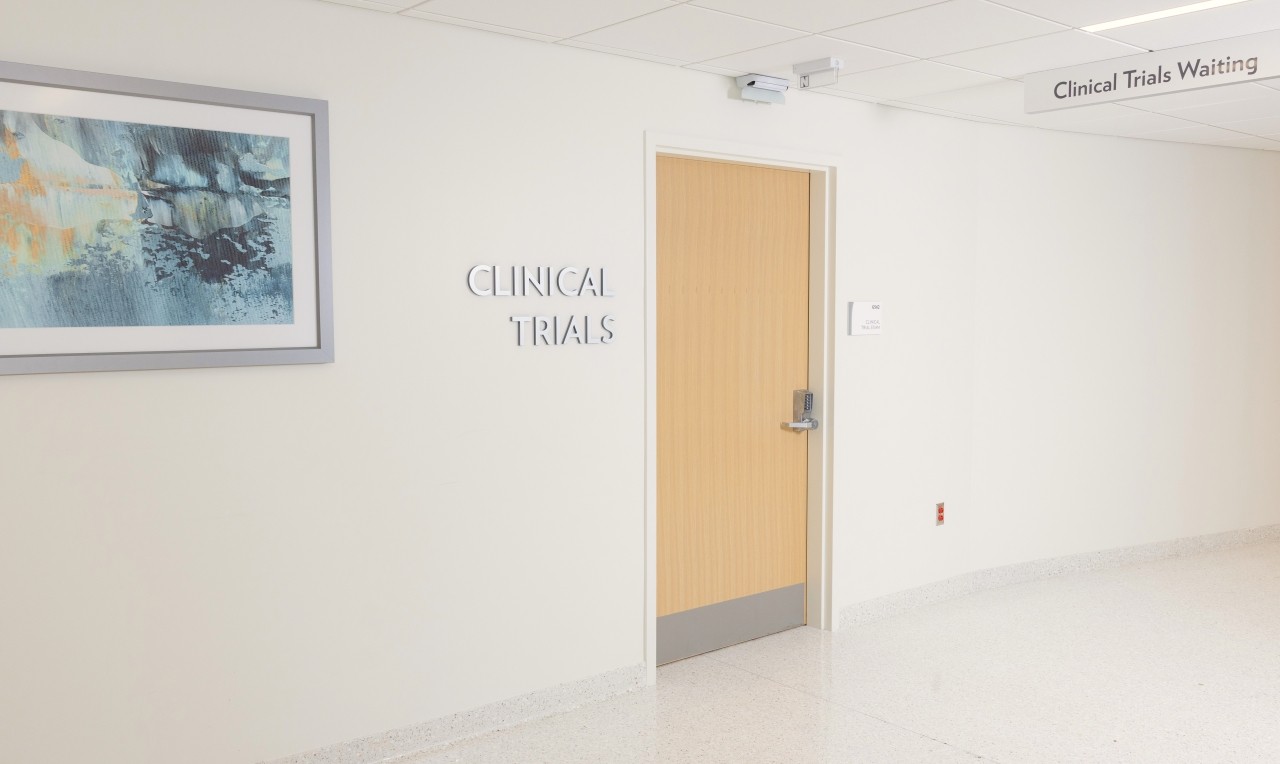
Hallway with an art print and a sign next to a door that says Clinical Trials.
Explore Our Clinical Trials

To explore active psychiatry clinical trials at UC Health:

  1. Visit the clinical trials page
  2. Open the specialty dropdown menu
  3. Select “Psychiatry” 
x