A Recovery Measured in Small Wins
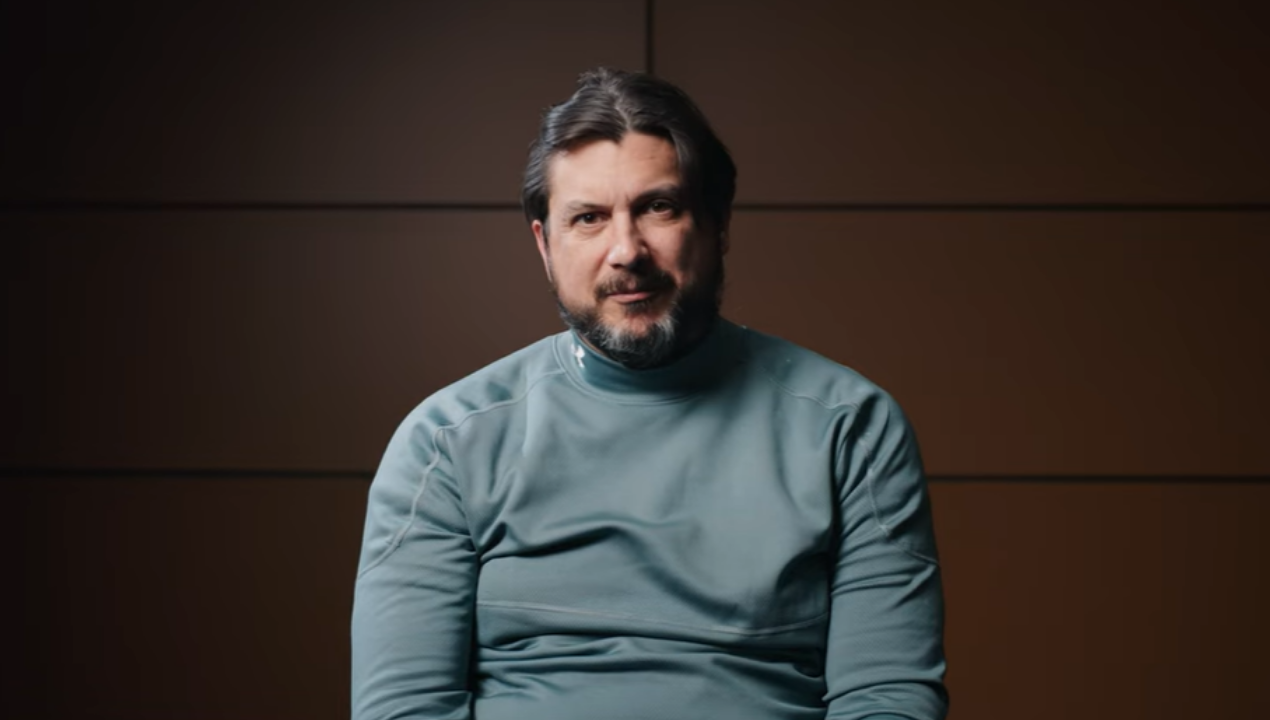
Living donation is often described as a series of small yeses, and for Ken, recovery was a series of small milestones.
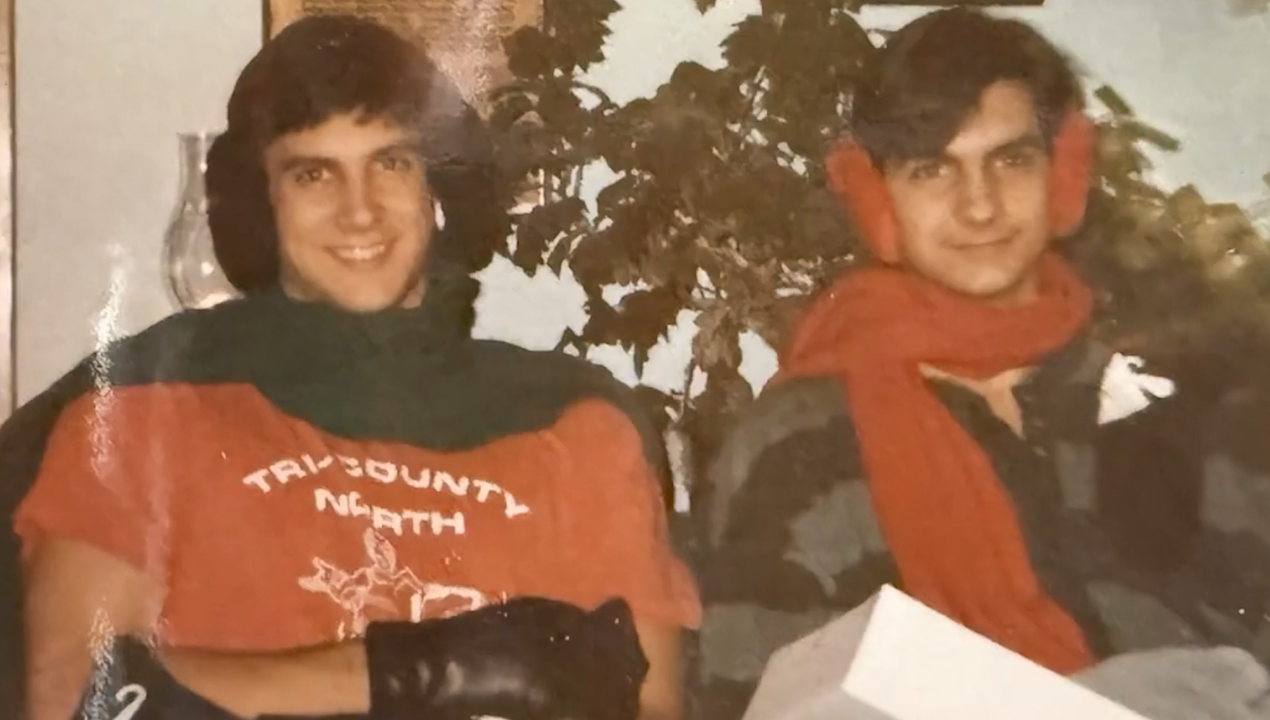
After surgery, he stayed with Matt while he recovered. What struck him most wasn’t his own discomfort — it was how quickly he saw a difference in his brother.
“Within that two-week period, I stayed at his house, still recovering. The difference for him was amazing,” Ken said. “It was a very small imposition on me, but it had an immediate, incredible effect on him.”
Matt felt that difference almost immediately.
“I woke up feeling better than I went down,” Matt said. “It was amazing for me… I had more energy. It was awesome.”
For Ken, recovery was a little more gradual.
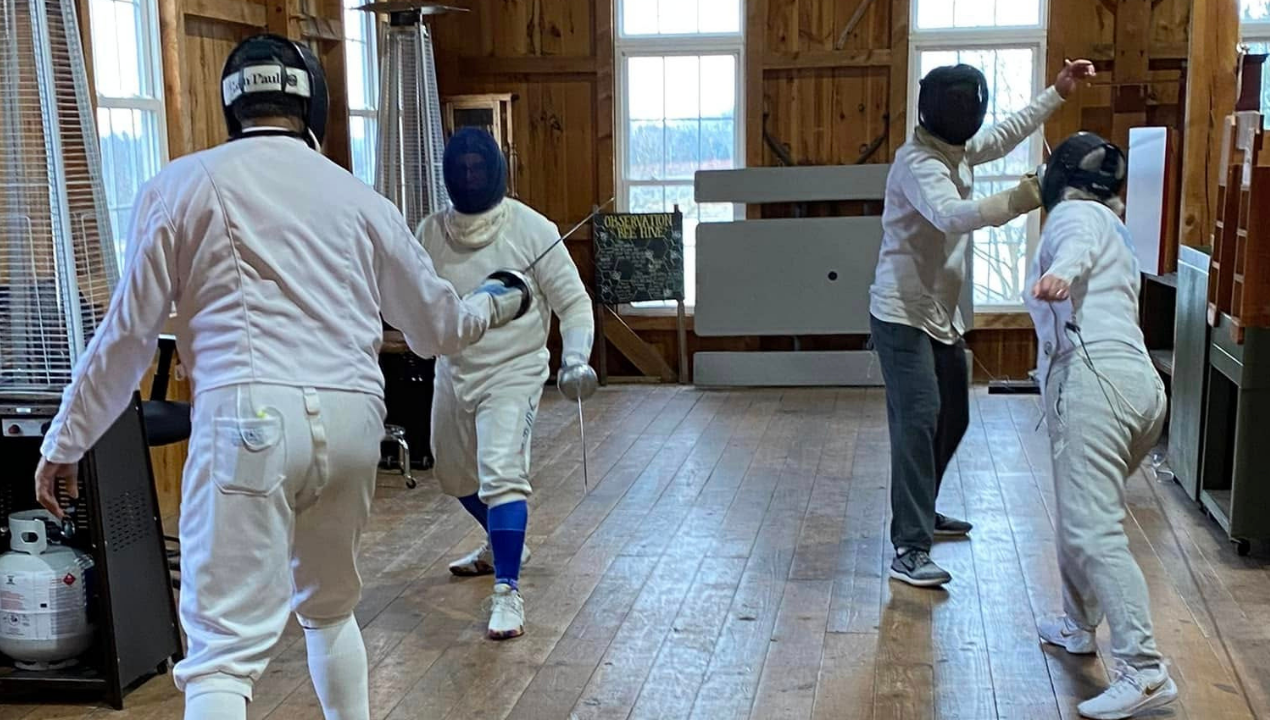
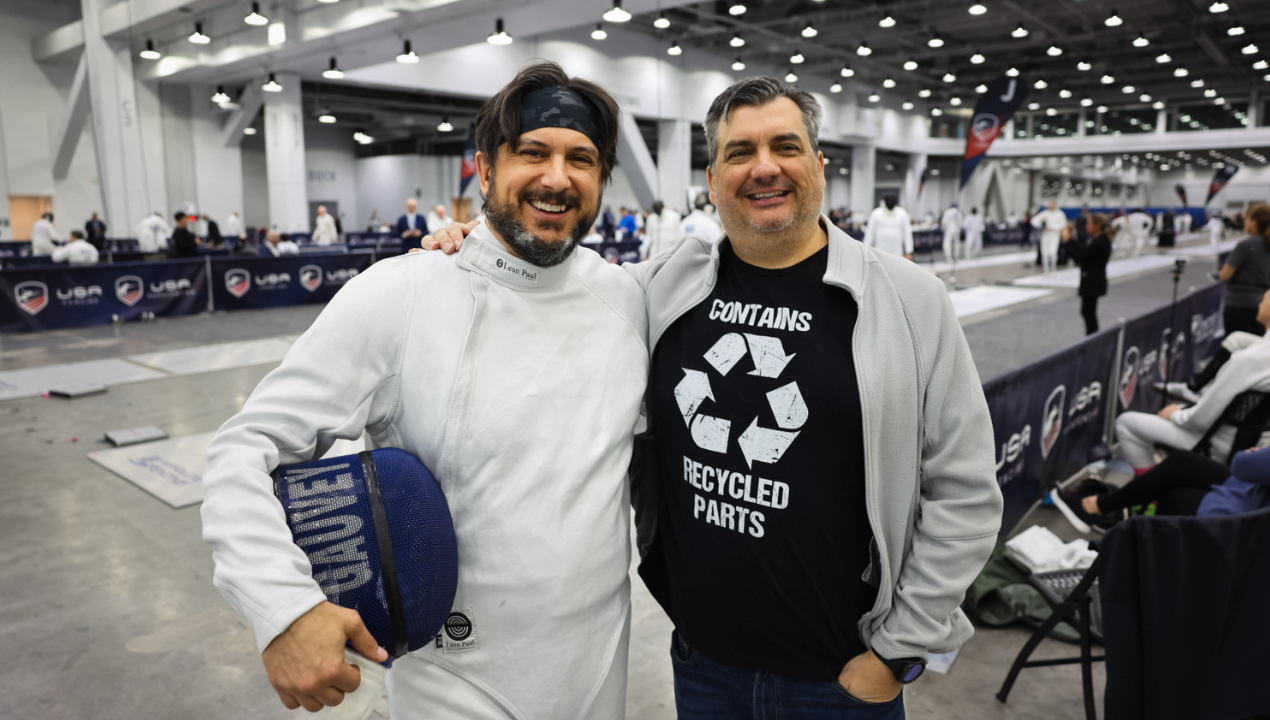
He began trying to ease back into fencing by April 2025, but quickly learned something many living donors discover: recovery is personal, and timelines aren’t one-size-fits-all. By October 2025, he was back to full training. By February 2026, he was competing in his first national fencing event since surgery — fittingly, in Cincinnati, the same city where he had donated his kidney.
Back on the Strip
Today, Ken’s training schedule looks a lot like it did before surgery, and in some ways, even more intentional.
He now trains about 12 to 14 hours a week, balancing gym work, running, and time at his fencing club. He also works with a nutritionist with a background in kidney research to ensure his training, recovery, and long-term health stay aligned.
Getting back didn’t happen all at once. But when it finally clicked, he knew it.
“By the time October came around, I was actually fully able to participate in practice,” Ken said. “I couldn’t sleep at all that night. My adrenaline was through the roof… I was really pumped.”
That moment mattered not just because he was fencing again, but because it confirmed something he had hoped all along: living kidney donation did not take away the life he loved.
In fact, it may have sharpened it.
“The only effect it’s had on my fencing so far is it kind of temporarily delayed my ability to train,” he said. “It was almost a non-existent bump in the whole process for me.”