Patient Stories

You deserve to be heard: Connie's lung cancer story

Jul. 28, 2026

Lung cancer can happen to anyone. For Connie, a retired nurse, wife, mother and educator, a routine MRI for an unrelated health concern revealed something she never expected: lung cancer.


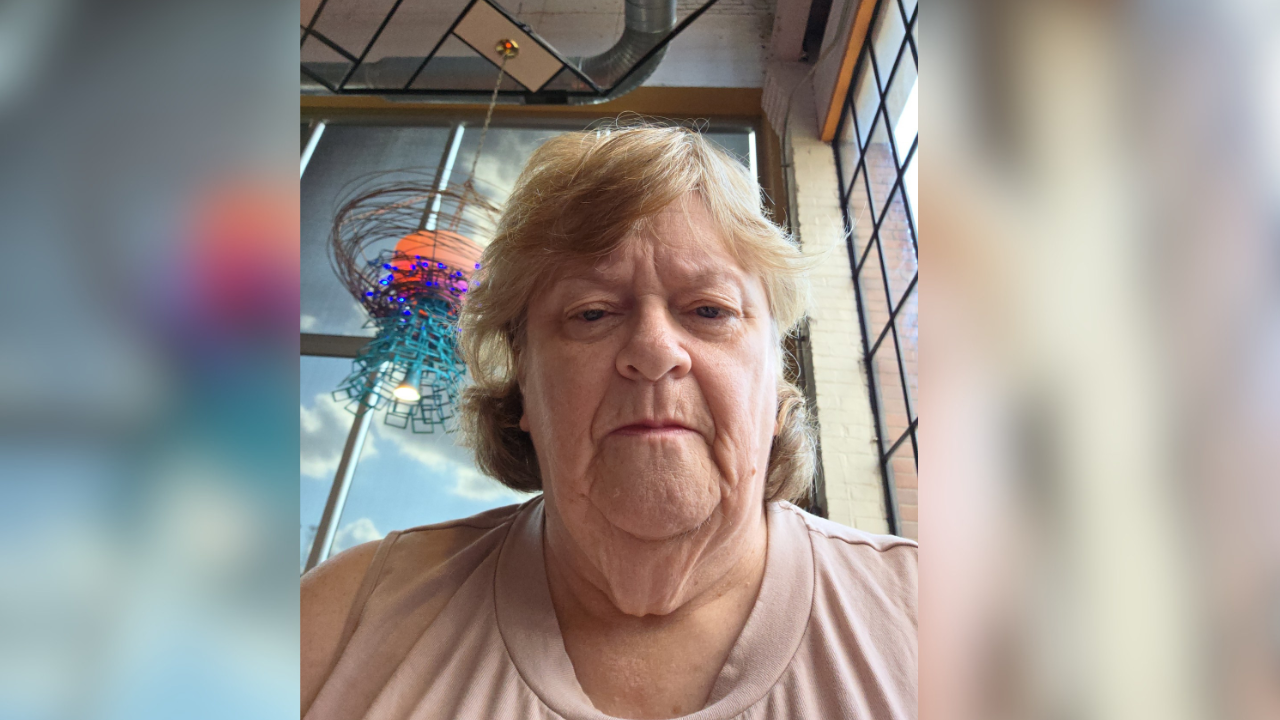
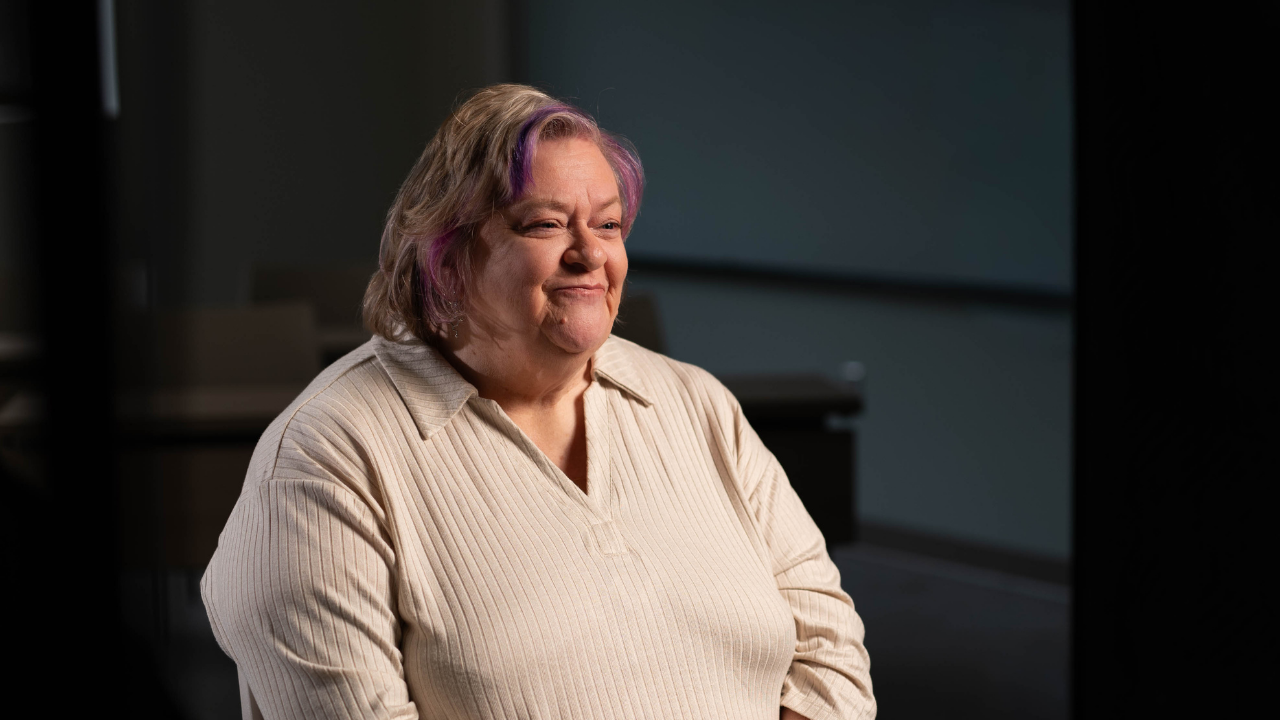
Connie smiles while speaking with an interview team

Meet Connie, a nurse, wife, and mother who knows the value of compassionate care. When back pain brought her to UC Health, it led to discovery of a lung nodule and a care team that saw her as a person first. "To have people see me not as a disease, but as a person... that means the world."

  • Connie Kenkel had no symptoms of lung cancer and no warning signs that would have made her suspect something was wrong.

  • She never expected a back MRI to uncover lung cancer. But because her cancer was found before symptoms developed, Connie had options. Her treatment included surgery to remove the cancer, allowing her to return to the people and activities she loves most.

  • Today, Connie is sharing her story to challenge assumptions about lung cancer and encourage others to speak up to break the stigma around this common disease.

The University of Cincinnati Cancer Center is imagining a better future for the quarter-million Americans diagnosed with lung cancer each year. Because no one deserves lung cancer, but everyone deserves the best possible chance against it. 

Explore why we're different by calling 513-585-UCCC (8222).
An unexpected diagnosis

In 2024, retired nurse Connie Kenkel was dealing with weakness in her legs and underwent an MRI of her back as part of a diagnostic workup.

The scan wasn't looking for cancer, but it found a lung nodule. Connie didn’t have any lung-related symptoms, such as coughing, so while she had a feeling that doctors may find something—it certainly wasn’t this.

Rather than panic, she focused on the next step.

"What kind of cancer is it? Can it be treated? What do we do next?"

Those questions mattered. But so did getting answers quickly.

Connie and her husband didn't want to wait months wondering what the nodule might be. They wanted certainty. They wanted a plan. Most of all, they wanted to move forward.

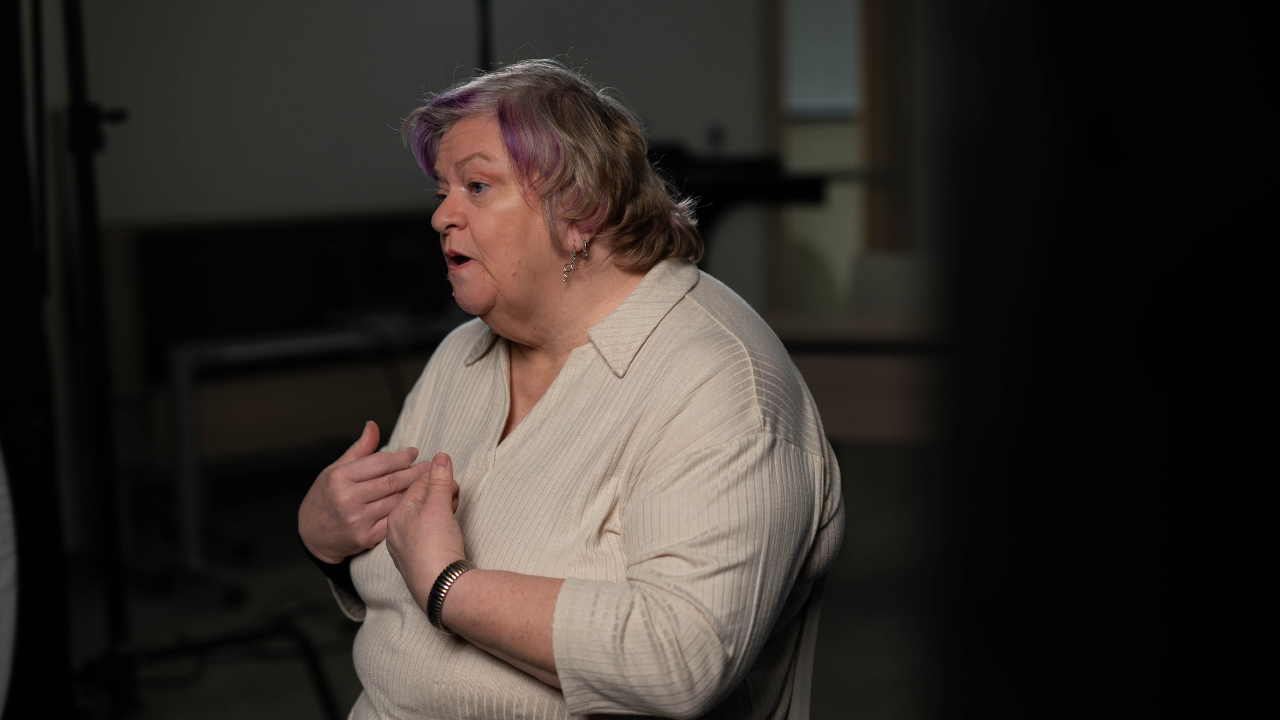
Connie gestures toward her chest while speaking with the interviewer

Connie describes her surgery and treatment for lung cancer at the University of Cincinnati Cancer Center.

Being heard makes a difference

A cancer diagnosis can leave patients feeling powerless.

For Connie, one thing made all the difference: feeling heard.

In previous medical experiences, she had sometimes felt dismissed. That history made meeting new physicians difficult. 

But from the beginning, her experience at the University of Cincinnati Cancer Center felt different. 

"The staff listened," she said. "They answered our questions. They didn't ignore me."

Her physicians explained every option clearly. Questions were welcomed. Decisions were made together.

Connie carried a notebook to appointments, a habit she developed years earlier while helping her daughter through leukemia treatment. 

Every concern was addressed. Every question mattered. And that gave her confidence.

"I felt like everybody cared," she said.

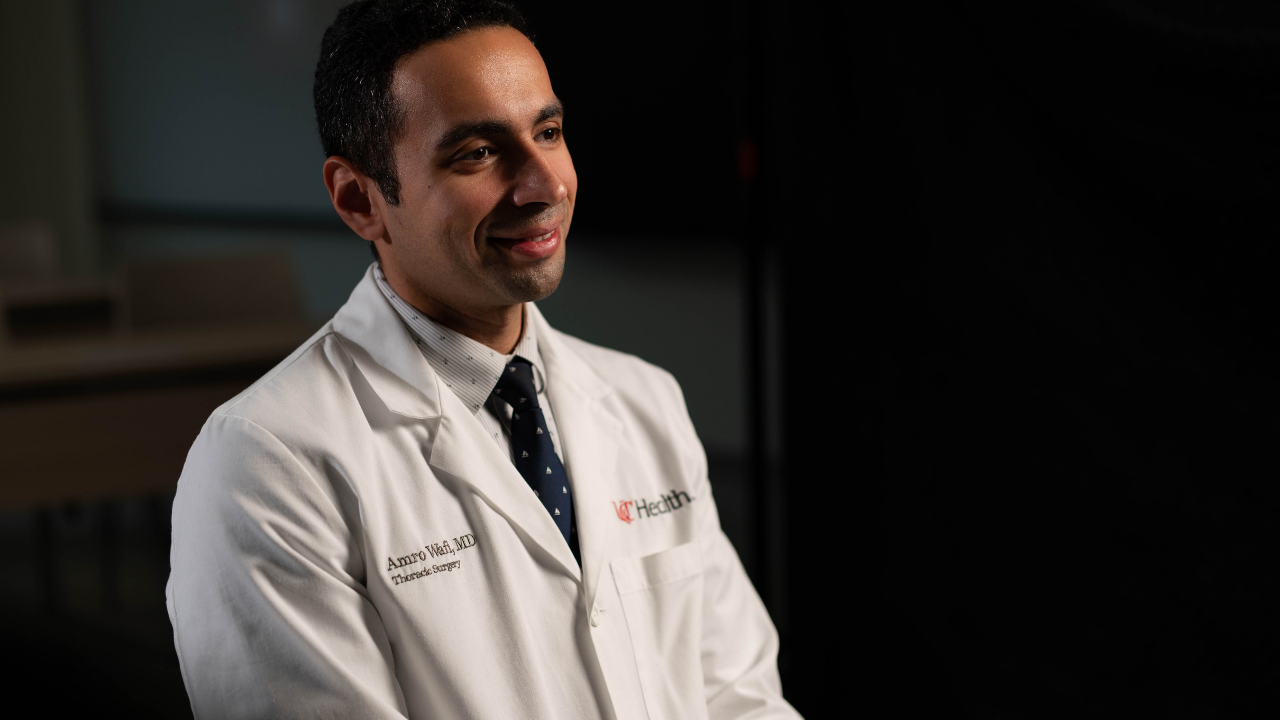
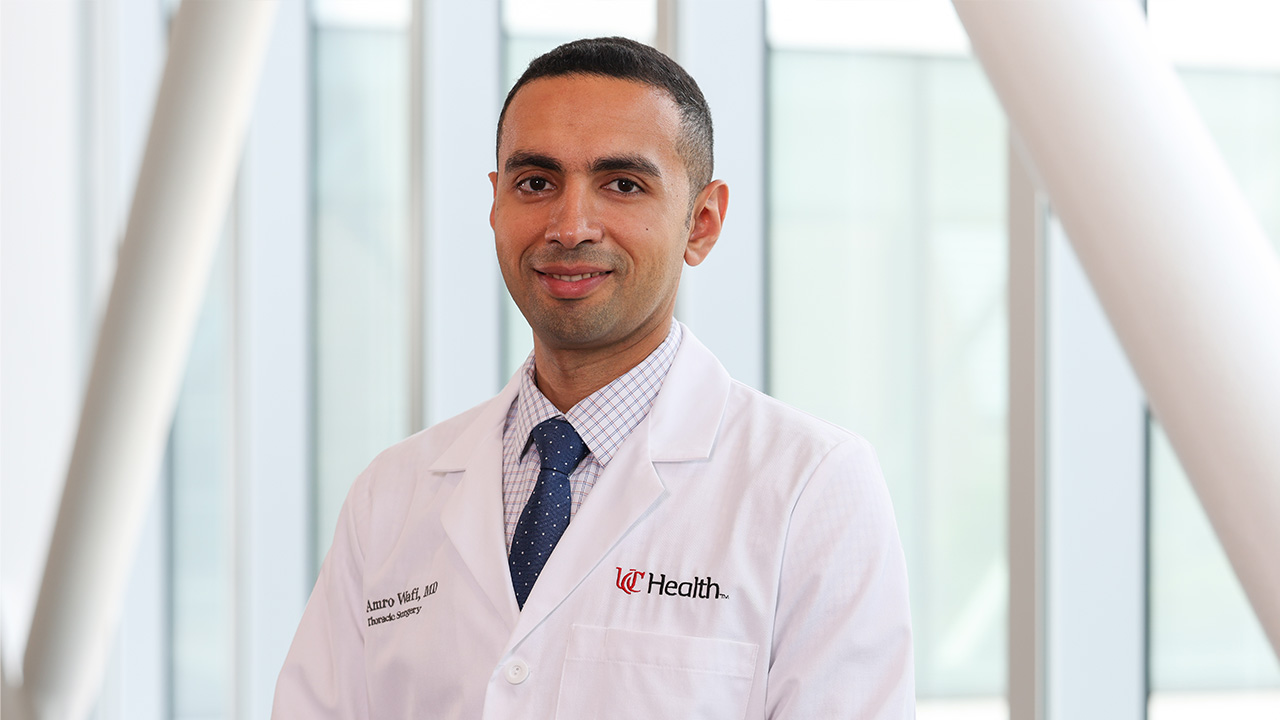
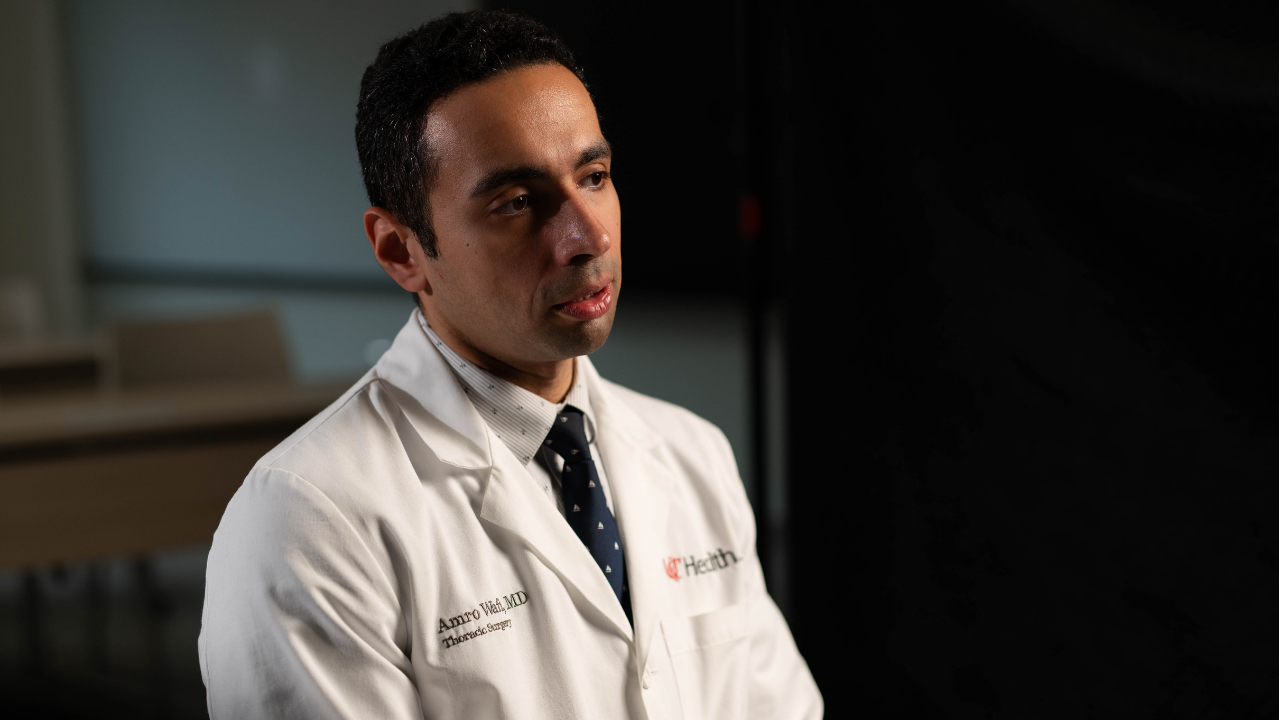
Dr. Amro Wafi at the University of Cincinnati Cancer Center speaks to an interview team

Dr. Wafi shares how Connie faced her lung cancer diagnosis with courage, focus and an active role in her care.

Early detection meant more options

To see whether Connie had cancer, she needed a biopsy. Patrick Kosciuk, MD, interventional pulmonologist, took a tiny sample of her lung nodule using robotic bronchoscopy. This minimally invasive tool uses an ultra-thin catheter to get to hard-to-reach parts of the lung, which leads to a more accurate diagnosis. That means follow-up tests aren’t usually needed. The biopsy confirmed the diagnosis: lung cancer. Fortunately, the cancer had been discovered in an early stage.

UC Health thoracic surgeon Amro Wafi, MD, recommended surgery to remove the tumor. He performed a lobectomy, removing one lobe of the lung, using the Da Vinci 5 robot. Robotic-assisted surgery is a way to make surgeries less invasive. This cutting-edge technology enables surgeons to perform surgery with smaller incisions and more accuracy than the human hand alone, meaning patients have less pain, fewer risks, and a faster recovery."

Dr. Wafi said: "Connie was incredibly brave. She knew she had lung cancer, but she remained focused on treatment. She asked thoughtful questions and took an active role in her care. After surgery, she followed her recovery plan diligently and did well. I am privileged to still see Connie for her surveillance appointments and hear about all the amazing things she still does." 

Because the cancer was caught early, surgery alone was enough. Connie did not require chemotherapy or radiation.

Connie shares a photo of herself going to lunch after a treatment and a view of her family enjoying their new pool and time together. | Photos provided by patient.

Breaking the stigma around lung cancer

Connie believes one of the biggest challenges facing lung cancer patients isn't just the disease itself.

It's the silence.

For decades, lung cancer has carried stigma and assumptions that can leave patients feeling blamed for their diagnosis.  

Connie understands those assumptions. She smoked briefly decades ago. She also grew up around secondhand smoke and environmental exposures. Yet she never imagined she would one day develop lung cancer.

Most importantly, she had no symptoms.

"Lung cancer needs to be talked about," she said.

She remembers watching relatives die from lung cancer years ago, when treatment options were far more limited. Today, the reality is different. Patients have more treatment options. More research. More hope. 

But first, they have to be willing to talk about it.

"If you won't say the word or talk about it, you're giving it power," Connie said.

For her, cancer does not define who she is.

"It's gone," she says simply. 

Living fully after cancer

Today, Connie is focused on the future. She looks forward to gardening, teaching, reading by the pool and spending time with her family.

Most importantly, she isn't letting cancer take up more space in her life than it deserves.

"I don't have any hesitancy in saying I had cancer," she said. 

That honesty is exactly why she chose to share her story. If speaking openly encourages even one person to seek care sooner, ask more questions or advocate for themselves, then her experience can help someone else.

And that's a future worth investing in.

View of a lovely back yard with flowers and green trees

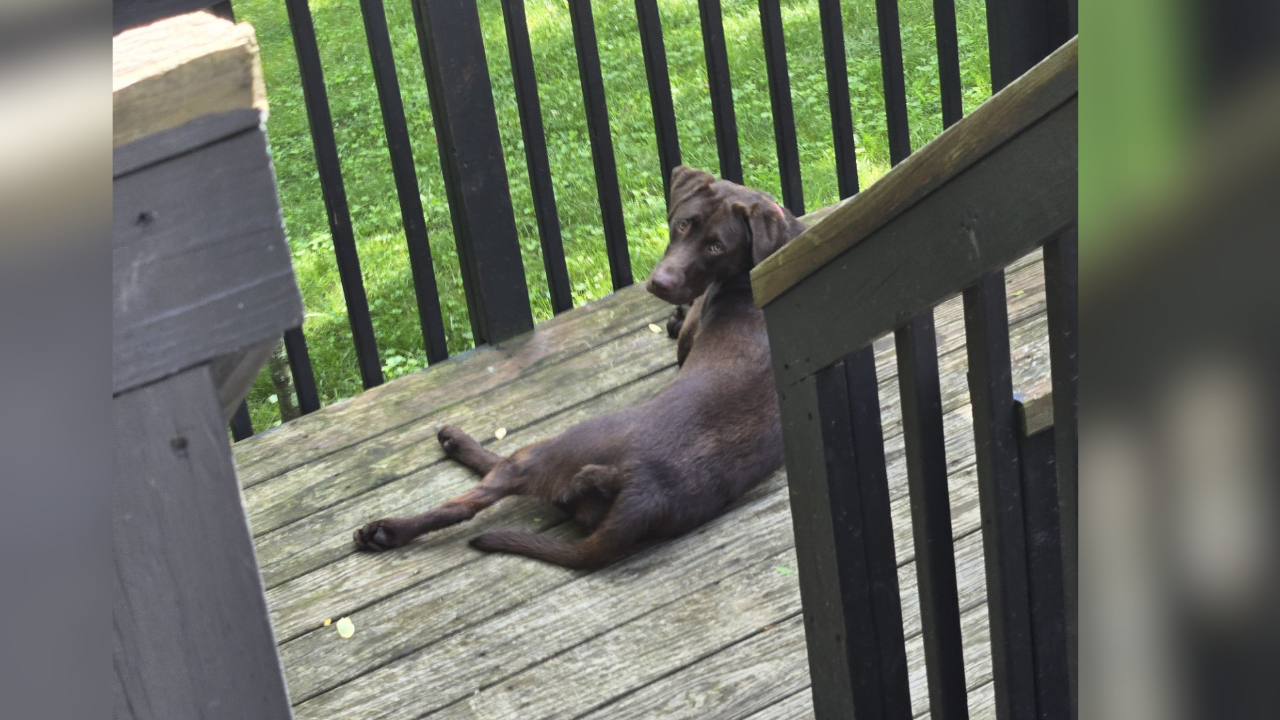
During her recovery, Connie enjoyed time with her dog, Diva and the view from her back deck. | Photos provided by patient.

Our mission: a better future is what you deserve

For too long, the nation's leading cause of cancer death has carried stigma and silence. We believe it's time to change that.

No one deserves lung cancer. Not the quarter-million Americans diagnosed each year. Not their families. Not Connie.

But lung cancer patients deserve to be seen. They deserve early detection. They deserve research that improves the status quo. They deserve a team that won't back down. 

At the University of Cincinnati Cancer Center, we believe you deserve better. We are advancing lung cancer care through research, innovation and compassion because no one should face this disease alone.

Why choose University of Cincinnati Cancer Center for lung cancer care

At the University of Cincinnati Cancer Center, lung cancer care is built around earlier detection, more precise treatment and a team that treats every patient like a person first.

  • Care Teams Who See a Person, Not a Disease: Our  team is designed to give you the confidence, peace of mind and support you need. You’ll receive the dignity and empathy you deserve.

  • More Accurate Screening Technology: Cutting-edge technology and 3D imaging help find cancer at its earliest and most treatable stages.

  • Groundbreaking Treatments, More Options: Ranked as a U.S. News & World Report High Performing program in lung cancer surgery for six consecutive years, and offering more than 15 active clinical trials, we offer  treatment options not widely available elsewhere. Our outcomes exceed national averages, reflecting a commitment to better results and better hope.

Explore why we're different by calling 513-585-UCCC (8222).
x