Patient Story

Steve’s Story: Finding Hope and Healing from HPV-Related Tonsil Cancer

Dec. 17, 2025

With the support of a collaborative care team and advanced robotic surgical technology, Steve found a treatment path for his head and neck cancer that prioritized healing, precision, and a quick return to life.


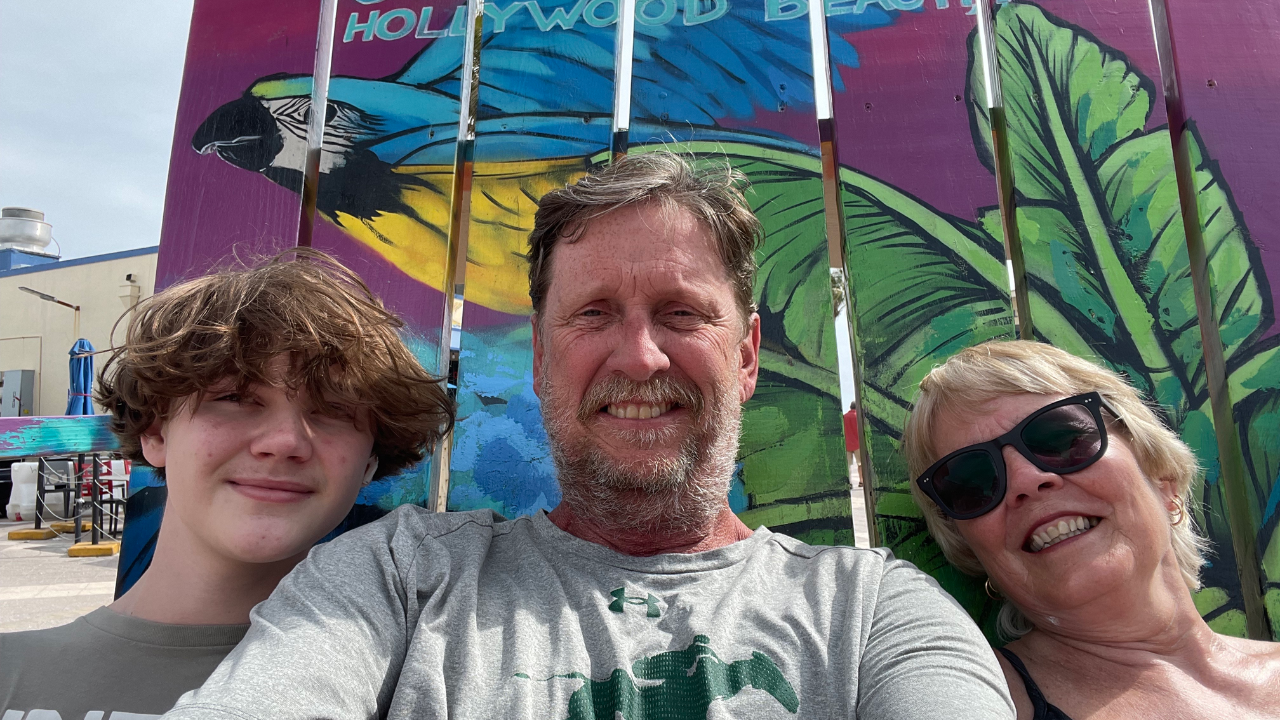
Steve smiles for a selfie with his family while on vacation
  • Steve discovered a painless lump on his neck during vacation and initially brushed it off, later learning it was HPV-related tonsil cancer.
  • After choosing the University of Cincinnati Cancer Center, Steve underwent minimally invasive robotic surgery, avoiding chemotherapy or radiation to treat his cancer.
  • Within weeks, Steve was back to golfing and traveling, cancer-free, and passionate about encouraging others not to delay care.

If you or a loved one notice a concerning symptom, the University of Cincinnati Cancer Center’s Head and Neck Cancer team is here to help you find a path forward. Our multidisciplinary experts offer advanced, coordinated care — call 513‑585‑UCCC (8222) to get started.

Recognizing a Symptom of Head and Neck Cancer

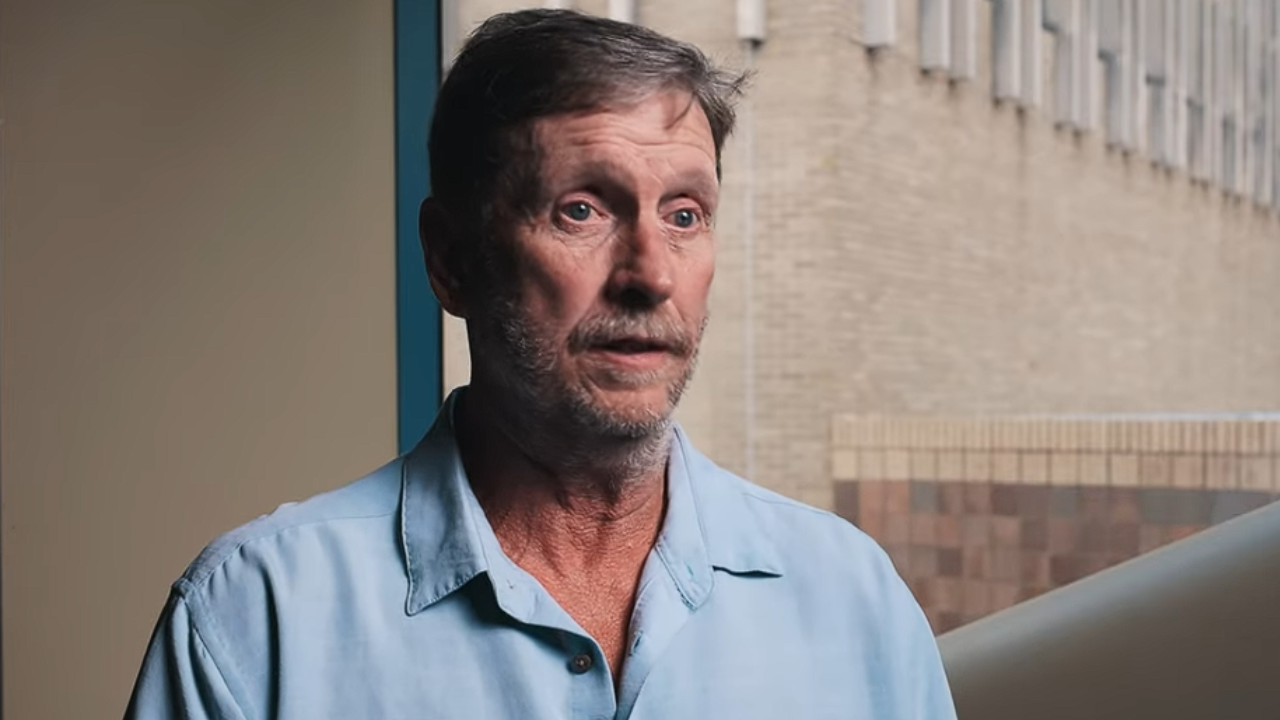
When 63-year-old Steve Uehlein first noticed a small, painless lump on his neck, he initially dismissed it. It was summer, and he was on vacation with his family; he didn’t want to worry anyone. But when his daughter pointed it out again, and concern flashed across her face, he knew something wasn’t right.

“I kept thinking, it’s nothing,” Steve said. “But deep down, I knew I needed to get it checked.”

That call triggered a whirlwind of appointments, scans, and ultimately, a biopsy. The result came back: HPV-related tonsil cancer. HPV-related tonsil cancer is a type of throat cancer linked to the human papillomavirus (HPV), a common virus that can cause cancer in the oropharynx, including the tonsils and base of tongue.

Steve felt the weight of his family’s long history with cancer settle on his shoulders. He immediately thought of his sister and his father, both of whom he had lost too soon.

“It hit me hard,” he said. “But honestly, I was more worried about my family than myself. I knew how much it would scare them.”

Choosing the University of Cincinnati Cancer Center: A Path Forward

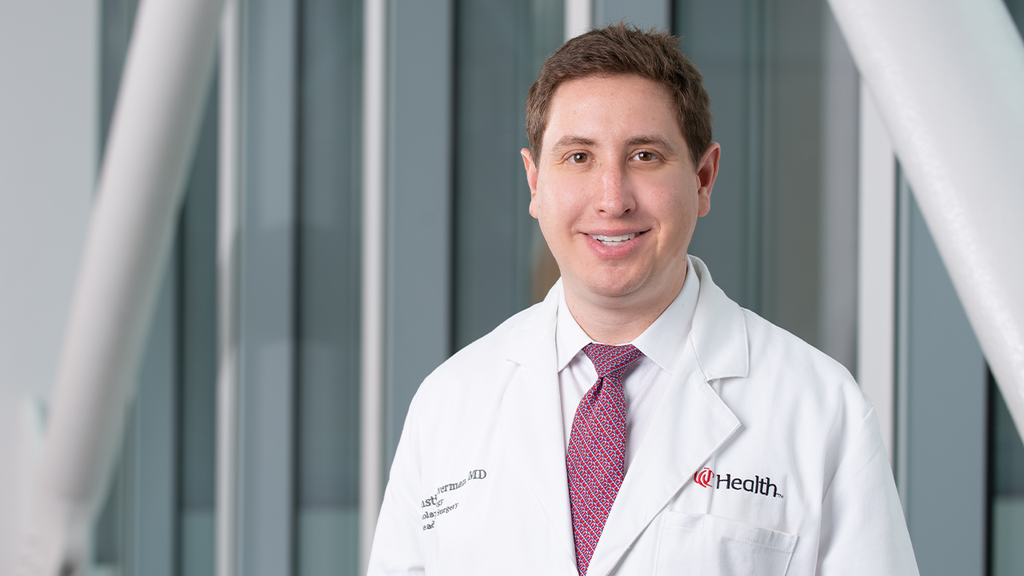
Steve’s family rallied instantly. His stepdaughter, who works in healthcare, started calling every expert she could find. All signs pointed to the University of Cincinnati Cancer Center and to head and neck surgical oncologist Dr. Dustin Silverman.

From the first appointment, Steve felt something shift.

Dr. Silverman quickly explained that HPV-related tonsil cancer is highly treatable, especially when diagnosed early, and that the University of Cincinnati Cancer Center could offer multiple pathways for care. As an academic health system, the Cancer Center brings together subspecialists who collaborate daily through multidisciplinary tumor boards, share expertise, and participate in advanced clinical trials.

“We truly work as one team,” Dr. Silverman said. “Surgical oncology, radiation oncology, medical oncology, speech therapy, we come together to find the best path for each patient. That is what limitless, boundless care means.”

For Steve, the best path was a minimally invasive robotic surgery using the da Vinci surgical robot, an advanced approach uniquely available at academic centers like the University of Cincinnati Cancer Center. This technology allows surgeons to reach tumors deep in the throat through the mouth, avoiding more invasive open surgeries and significantly reducing recovery time.

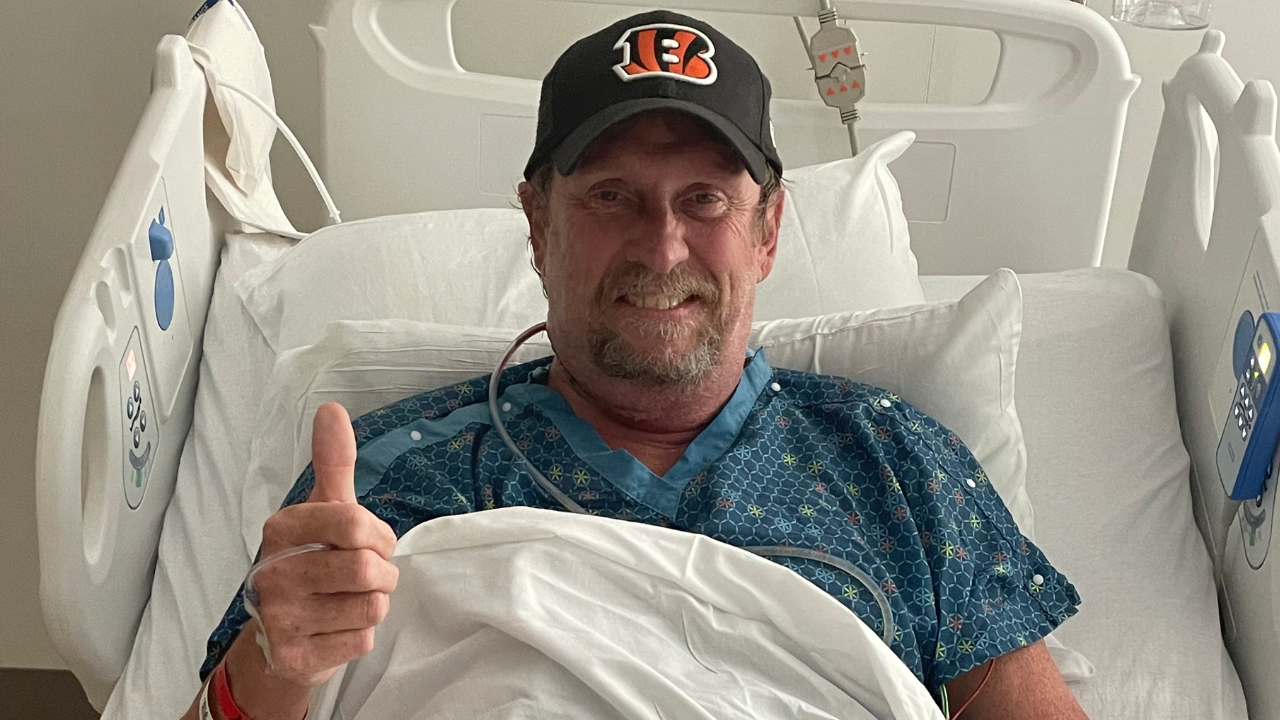
Steve recovers in the hospital one day after his robotic tonsil surgery

The Future of Care, Delivered Today

Steve’s surgery took about four hours. He stayed in the ICU for two days and then spent three more days recovering on the surgical floor. Every step of the way, he remembers feeling surrounded not only by expertise but by kindness.

“The nurses, the people who checked my blood pressure, the staff who helped me find my way, everyone cared,” he recalled. “You can’t teach that kind of compassion.”

Because the cancer was fully removed with surgery, Steve did not need radiation or chemotherapy. Instead, he went home with a sore throat, a healing incision, and something he wasn’t sure he would feel again so quickly: hope.

Dr. Silverman was not surprised.

“These minimally invasive techniques are changing what is possible,” he said. “They allow patients like Steve to get back to their lives quickly, golfing, exercising, spending time with family. It is the future of healthcare, and it is available right here in Cincinnati.”

Back to What Matters Most

Just weeks after surgery, Steve was back on the golf course. Back at the gym. Back to traveling with his wife. Back to being the father, husband, and grandfather he had always been.

“Other than a little numbness now and then, I am 100 percent,” Steve said. “I can do anything I want to do.”

Today, he has been cancer-free for more than two years.

And in that time, his outlook on life has changed. He pays closer attention to his health. He encourages his adult kids not to ignore symptoms. He starts each day with gratitude and prayer.

“I feel blessed,” he said. “The care I got at the University of Cincinnati Cancer Center, I don’t think I could have gotten better care anywhere.”

Steve with his family for his daughter's wedding

A Message of Hope for Others

To anyone ignoring a lump or putting off a doctor’s visit, Steve has simple advice: “Don’t wait. Go get it checked. Cancer doesn’t fix itself, and catching it early saved my life.”

His story is one of possibility, connection, and the power of advanced, compassionate care. It reflects everything the University of Cincinnati Cancer Center strives to deliver every day.

Boundless expertise. Connected care. Breakthroughs that put the future of healthcare within reach. For Steve, that future is bright. And it is his to live fully again.

Head and Neck Cancer Specialists in Cincinnati

Experience coordinated, patient-focused care from head and neck cancer specialists who work together to support better outcomes. Our team brings surgical, medical, and supportive care into one connected plan — designed around your needs. Call 513‑585‑UCCC (8222) to take the first step toward healing and getting back to the life you love.

x