Patient Stories

How Advanced Epilepsy Care and Determination Helped Kurtis Reimagine His Future

Jul. 1, 2026

At UC Gardner Neuroscience Institute’s Epilepsy Center, advanced epilepsy care helped Kurtis gain seizure control, reclaim his independence and build a future he once thought was out of reach.


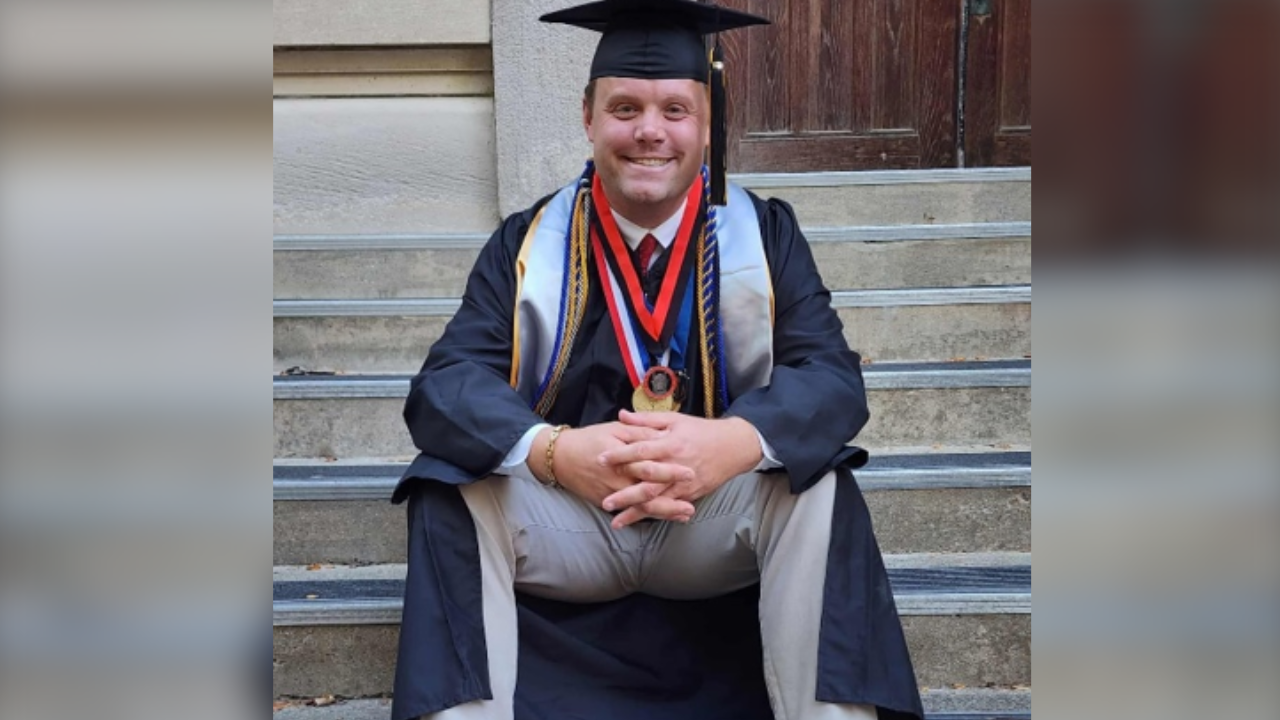
Kurtis sitting on stairs in graduation regalia

With support from his family and UC Health's epilepsy team, Kurtis is pursuing his goals with confidence. | Photo provided by patient.

 
  • Diagnosed with epilepsy as an infant, Kurtis spent years struggling with uncontrolled seizures despite multiple medications and treatments. 
  • After comprehensive evaluation and epilepsy surgery at UC Gardner Neuroscience Institute's Epilepsy Center, Kurtis’s seizures are under control, and he has reclaimed the future he thought was out of reach.
  • Today, he has built a successful career, earned multiple degrees and certifications, and started a family.

At UC Gardner Neuroscience Institute’s Epilepsy Center, we are experts in epilepsy care. Expect more. Call 513-475-8730.

A Lifelong Battle with Epilepsy Begins Early

Kurtis Ashton’s journey with epilepsy began before he could even remember it. At just 10 months old, he experienced multiple tonic-clonic seizures, leading to an emergency transfer to Cincinnati Children’s.

“They finally figured it out… I had epilepsy,” Kurtis shared. “At that age, I didn’t understand a whole lot, but I know my family was very concerned.”

Growing up, seizures remained a constant in his life. Despite trying to live like other kids, attending school, and pursuing independence, his epilepsy remained uncontrolled. Kurtis even shared his story of what happened when he tried to get his license for the first time. 

“I was right there at the DMV… and then blacked out. I woke up in the back of an ambulance; I was so mad,” he said. “After that, I kind of lost hope.”
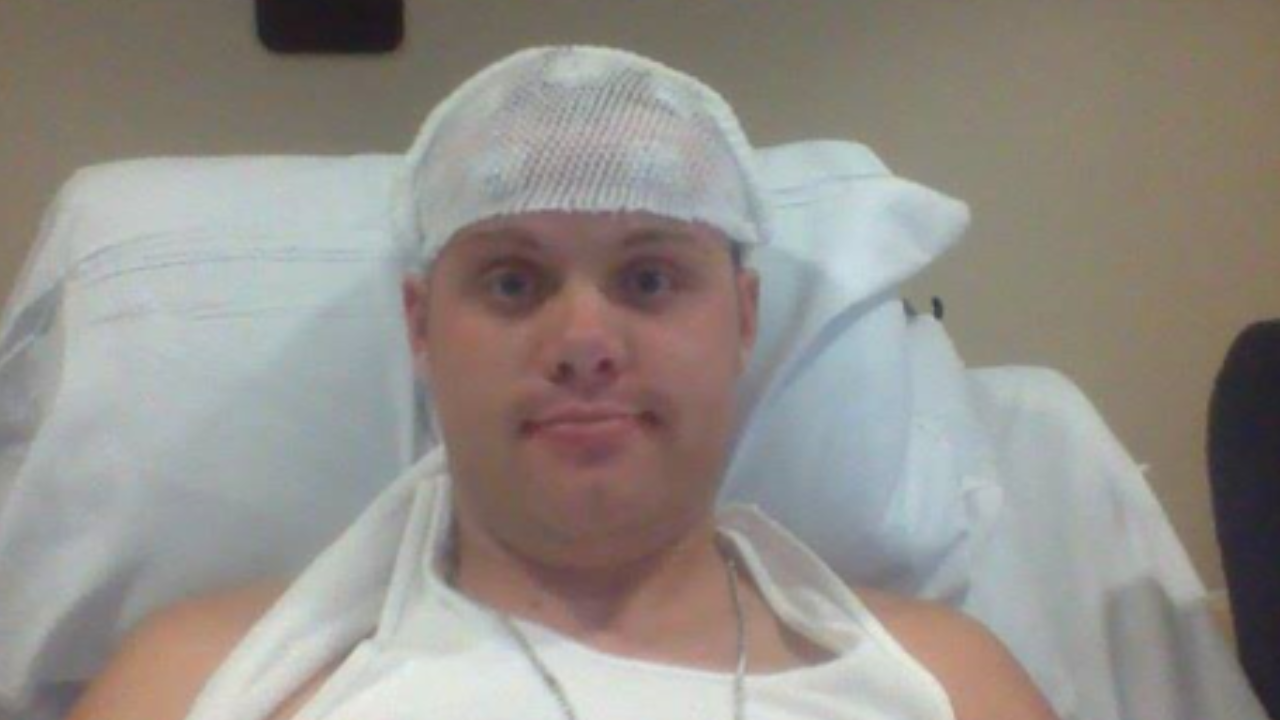
 

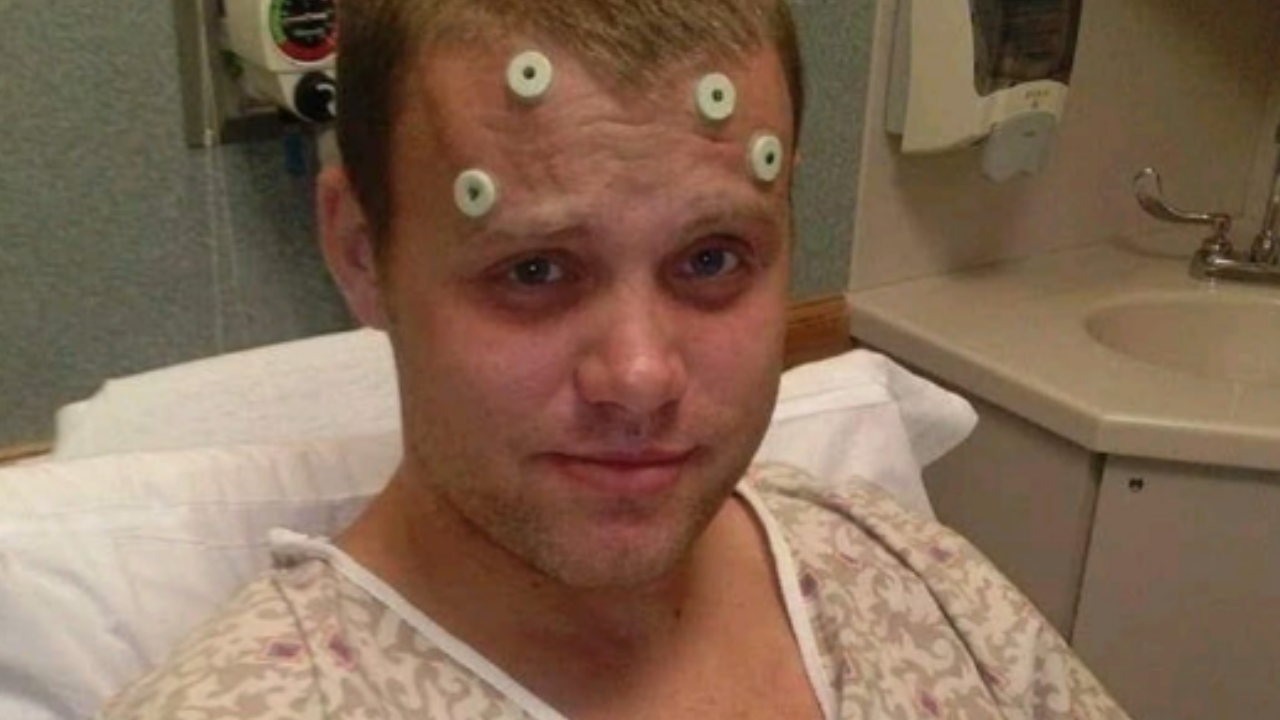
Kurtis laying on a hospital bed

Kurtis in the hospital when he was younger during an EEG. | Photo provided by patient.


Searching for Answers: Years of Uncontrolled Seizures

Through his adolescence and early adulthood in Northern Kentucky, Kurtis tried numerous medications with little to no success.

“If I had a handful of all the medications I took, it’d be like holding a handful of Skittles,” he said. “I went on eight different prescriptions, only one of which really worked,” leaving his seizures uncontrolled.

In September 2012, Kurtis underwent surgery for his first vagus nerve stimulator implant in Lexington, Kentucky. Despite challenges, Kurtis remained determined, aiming for education and job training while continuing to seek better answers for his condition.


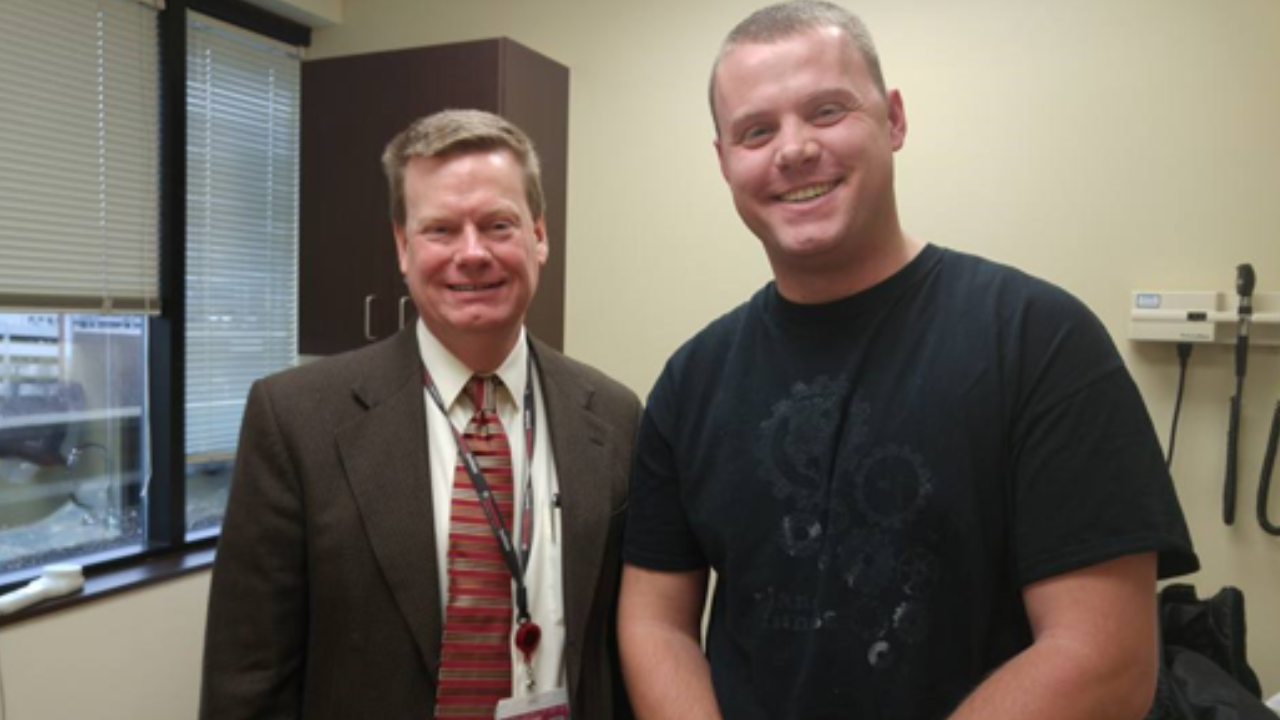
Kurtis and Dr. Ficker smile together during an appointment

Kurtis and Dr. Ficker smile together during an appointment. | Photo provided by patient.


Expert Epilepsy Care and a Turning Point at UC Health

Kurtis realized he needed a team who could take on tougher cases, but he also didn’t want to travel too far from home.

He found exactly that in the epilepsy specialists at the UC Gardner Neuroscience Institute’s Epilepsy Center. The team started with a comprehensive workup to guide the next chapter of his care. “I was going through MRIs, EEGs, CT scans… I went through a lot,” he said. “But they kept working to figure things out.”

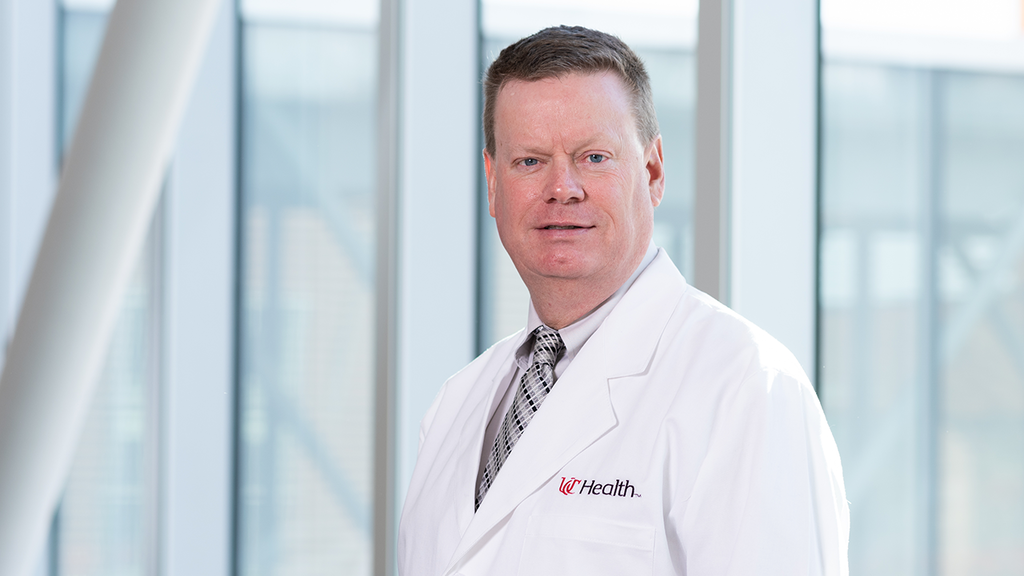
UC Gardner Neuroscience Institute epileptologists David Ficker, MD, and Michael Privitera, MD, as well as a neurosurgeon from a partner organization, led a whole team of experts on his case. On Aug. 12, 2014, Kurtis underwent brain surgery on his left temporal lobe, removing a mass that could have led to Sudden Unexpected Death from Epilepsy (SUDEP) if left untreated.

When I first met Kurtis back in 2013 and reviewed his case and prior treatment, I was confident we could develop a treatment plan that could improve his seizure control,” Dr. Ficker said. “Specifically, I thought he was a good candidate for epilepsy surgery, and after our comprehensive assessment, our team felt we could offer him surgery.”


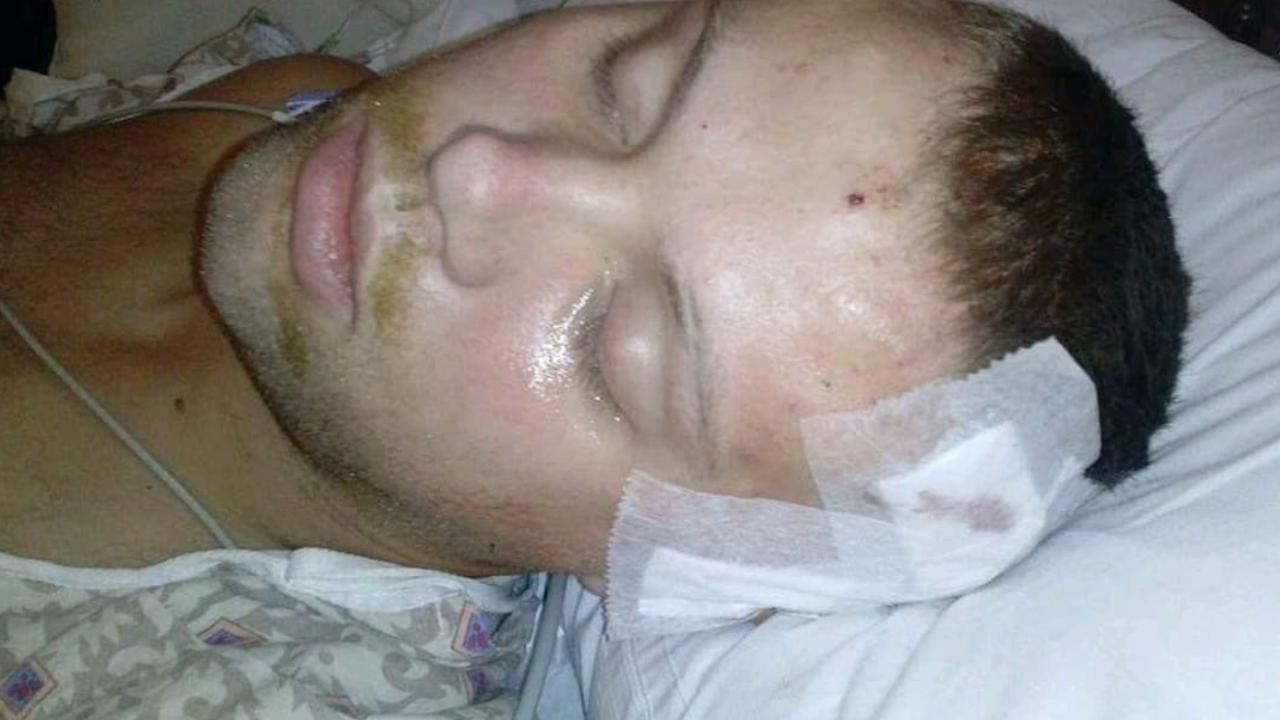
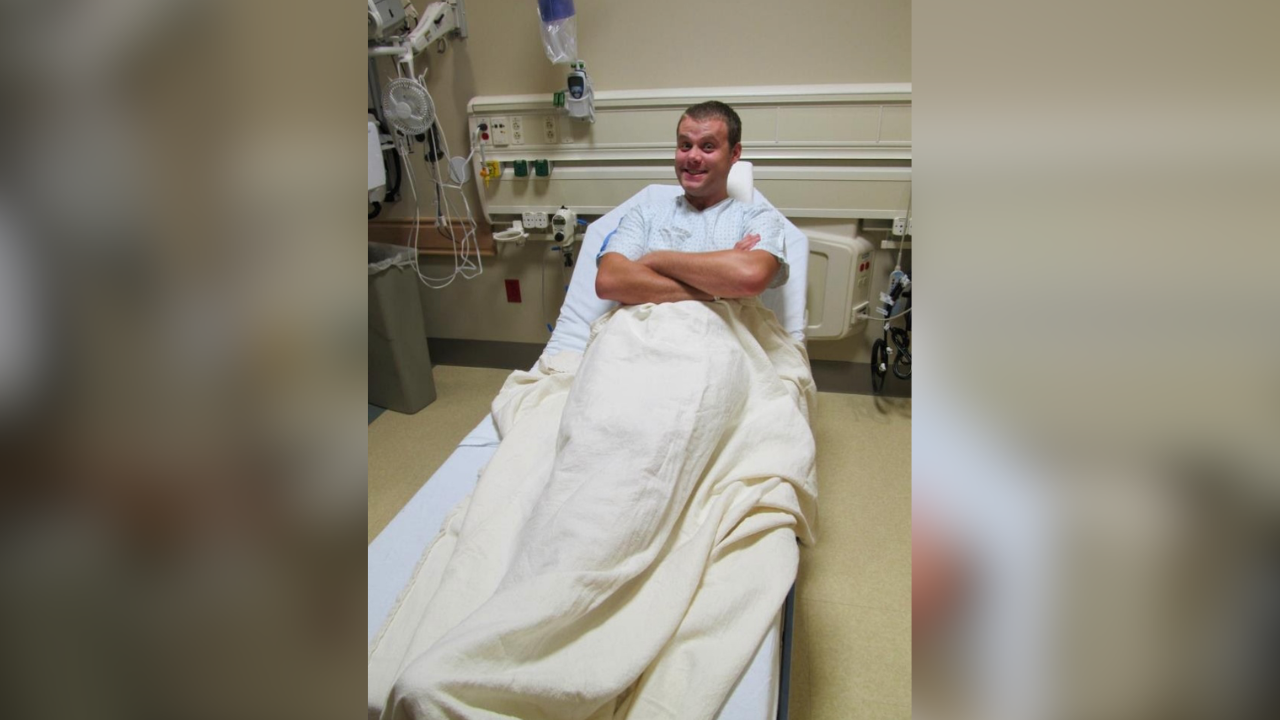
Kurtis recovering from surgery


Recovery and Rebuilding: “Like Putting a Puzzle Back Together”

The surgery was life-changing, but recovery came with challenges, leading Kurtis to memory loss, having to relearn his family, who he was and many of the key aspects of his life.

“I forgot who my mom was. I forgot my family,” he said. “It was like having a 1,000-piece puzzle… and three-fourths of it got knocked off the table. I had to put those pieces back together.”

Fortunately, with his strategic mindset, Kurtis used his computer before his surgery to generate a digital scrapbook that included pictures, videos and music to help him remember his life.

 “I thank God every single day that I did it,” he said.

With the help of family and friends, he gradually rebuilt his memory and sense of himself, starting fresh.


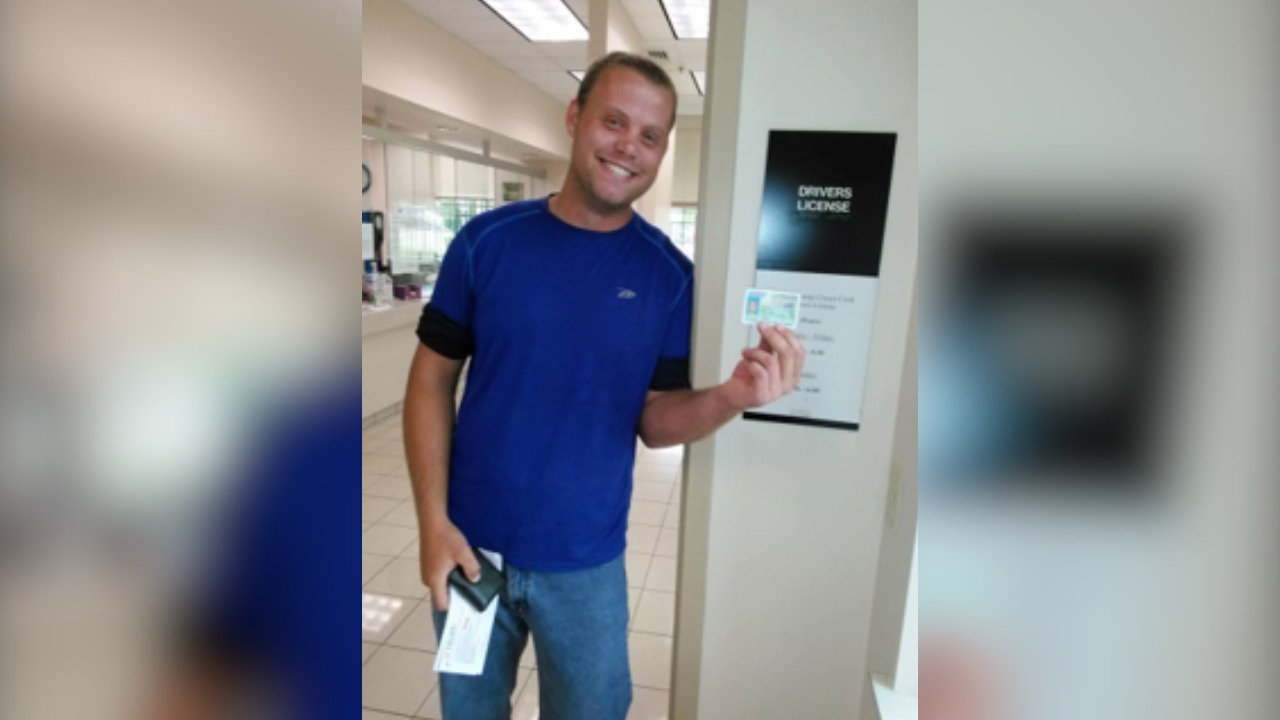
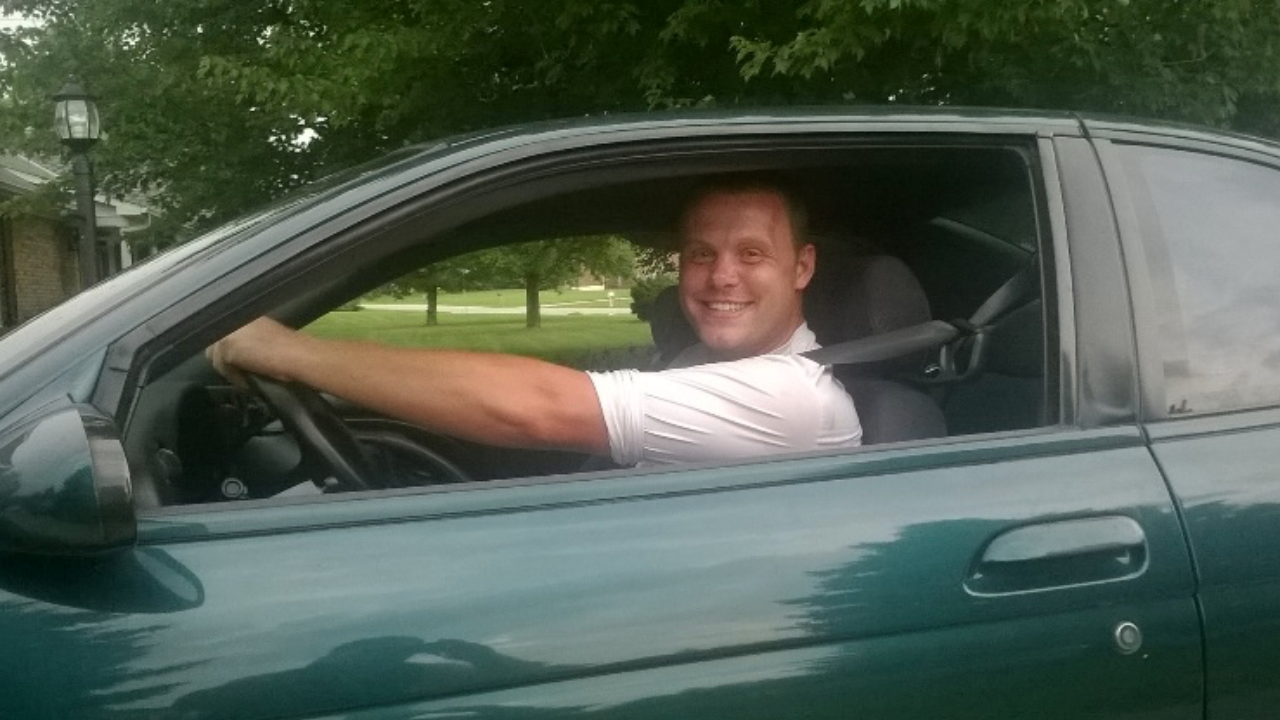
Kurtis in his new car

Kurtis smiles with his driver's license and first car after meeting an important milestone in seizure control. | Photos provided by patient.


Life Regained: Freedom, Family and Career Success

About a year after his surgery, Kurtis received life-changing news from Dr. Ficker that left him speechless and excited: the opportunity to earn his driver’s license.

“Dr. Ficker told me, ‘It’s time for you to get your license,’” he recalled. “I completely lost it. I was like a kid in a candy store. I was on top of the world…I saved $1,000 and bought my first car, a 1999 Monte Carlo LS.”

From there on out, Kurtis was determined to build a life that would inspire others.

“I got my first job not having seizures as a security guard with a company, United American Security,” he recalled. He worked his way up to being a mall cop at Florence Mall and then into corrections.

At that point, he asked himself: What did he really want in life? The answer came clearly: A career in IT and technology.

Kurtis enrolled in academic and vocational training with the CityLink Center and Per Scholas in Cincinnati and quickly began to stand out. “I really set a name for myself,” he said. Known for his countless hours of studying from the time the doors opened until the time they closed, Kurtis was dedicated to building a future that he always wanted.


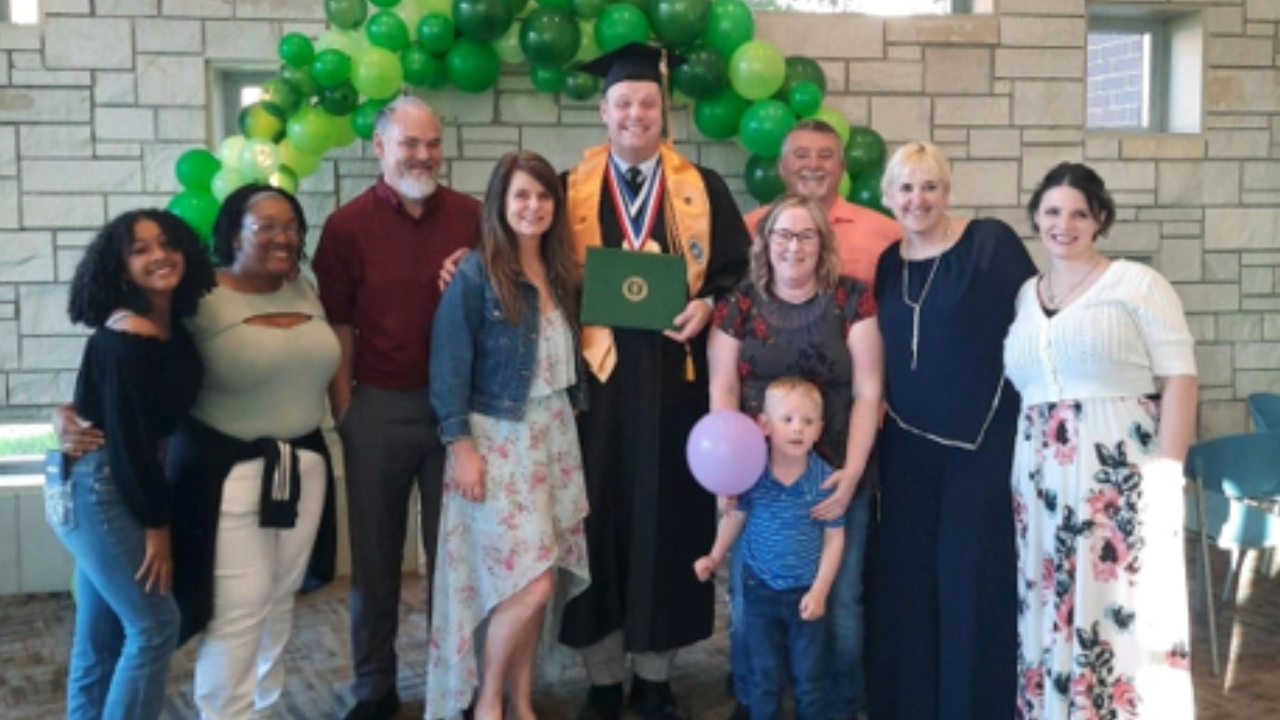
Kurtis celebrating graduation with his loved ones

Kurtis celebrating graduation with his loved ones. | Photo provided by patient.


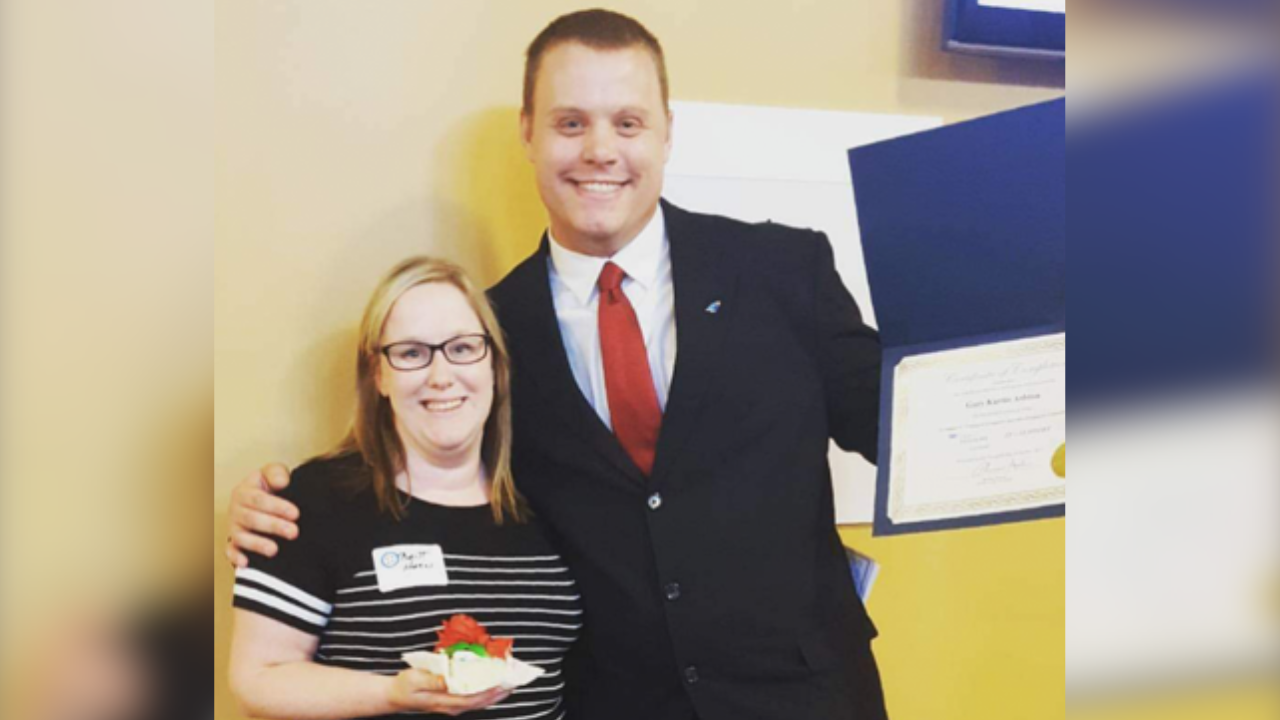
Three weeks after his graduation from the Per Scholas IT Program, Kurtis started as a Tier 3 IT Technician, then into a Technical Consultant position. But even as his career advanced, he found himself wanting more. While working full time, he attended school part-time to earn an associate’s degree at Ivy Tech Community College, where he excelled. By the time he graduated in 2023, Kurtis had achieved what he would never have thought was possible: earning a career in Information Security, multiple certifications and so much more.

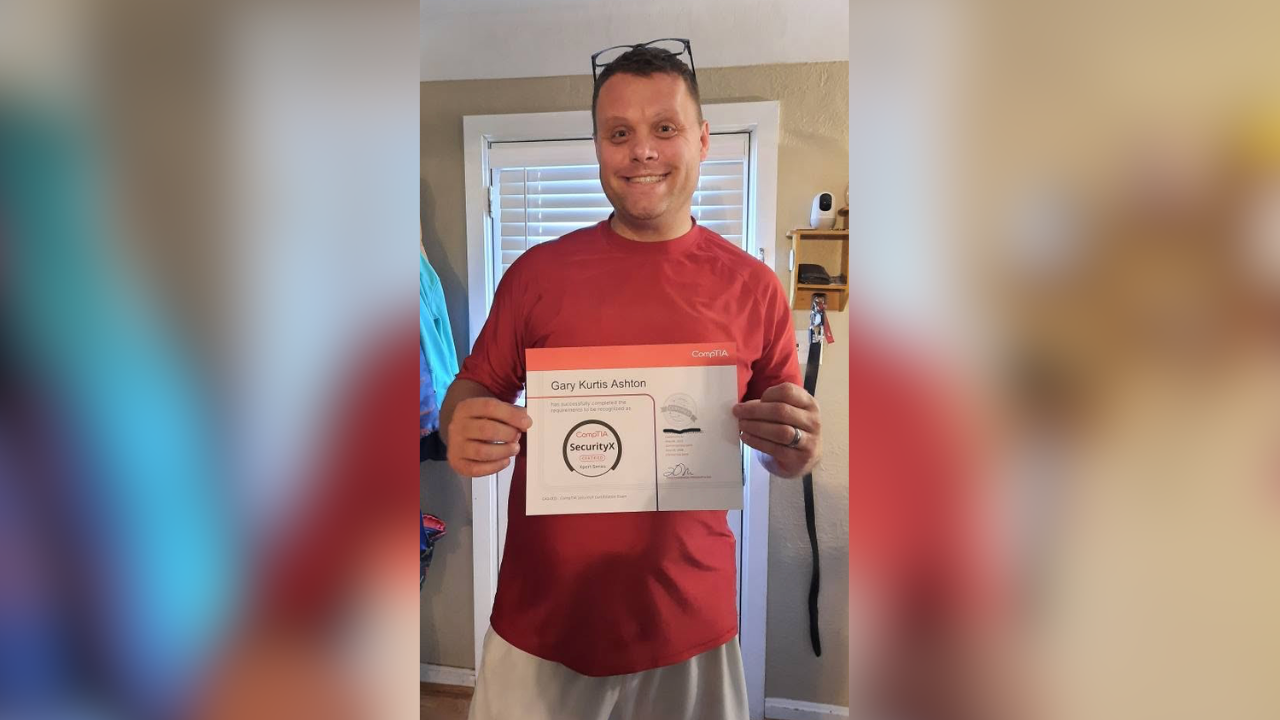
“I had a CISSP already in my hands well before I graduated,” he said. Between this gold standard accreditation and the accomplishment of his A+, Security+ and many others, Kurtis continued his career as an Information Security Analyst II with General Electric Credit Union.


Kurtis and his wife at graduation


But he wanted to take it one step further. The Epilepsy Wellness Advocates and the Charles L. Shor Foundation fully funded his bachelor’s degree in Cybersecurity through Purdue Global, which only took him 10 months to complete.

“I had the full-time job I wanted. I had my degree. I had zero college debt,” he said. “I couldn’t have envisioned this life.”  


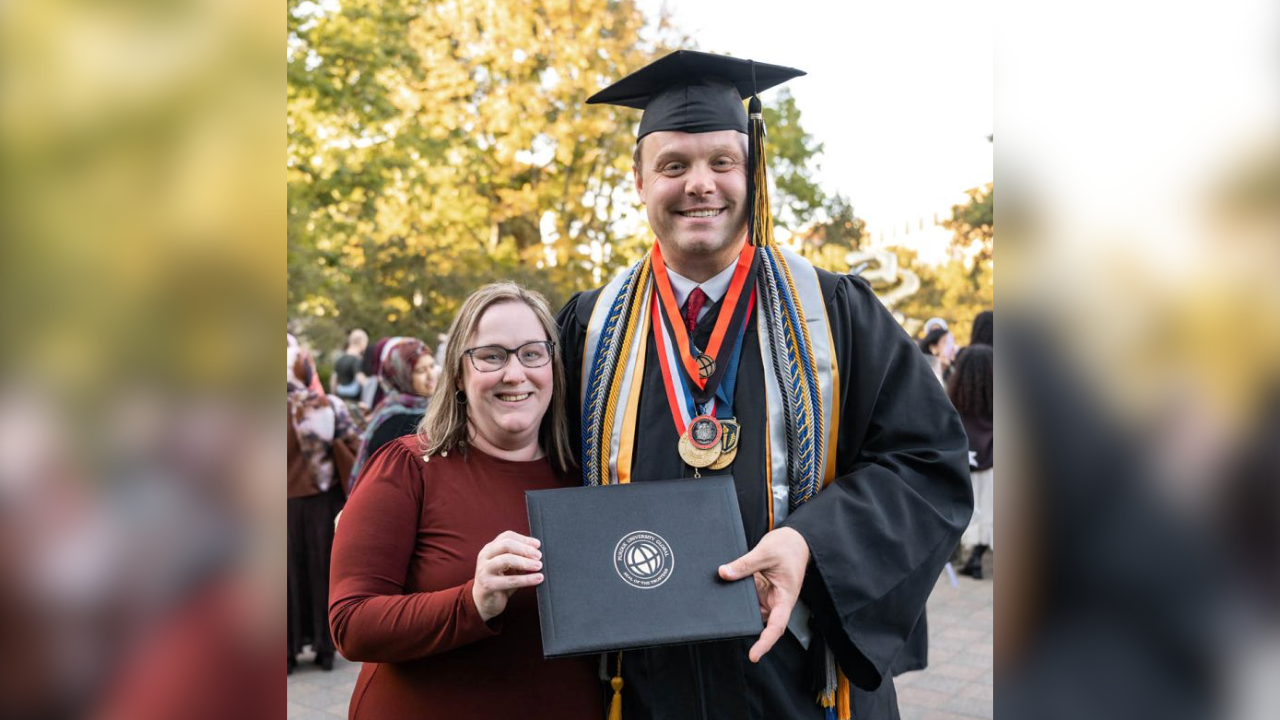
Kurtis shows off his diploma alongside his wife, Brittany

Kurtis shows off his diploma alongside his wife, Brittany. | Photo provided by patient.


But he wanted to take it one step further. The Epilepsy Wellness Advocates and the Charles L. Shor Foundation fully funded his bachelor’s degree in Cybersecurity through Purdue Global, which only took him 10 months to complete.

“I had the full-time job I wanted. I had my degree. I had zero college debt,” he said. “I couldn’t have envisioned this life.”  


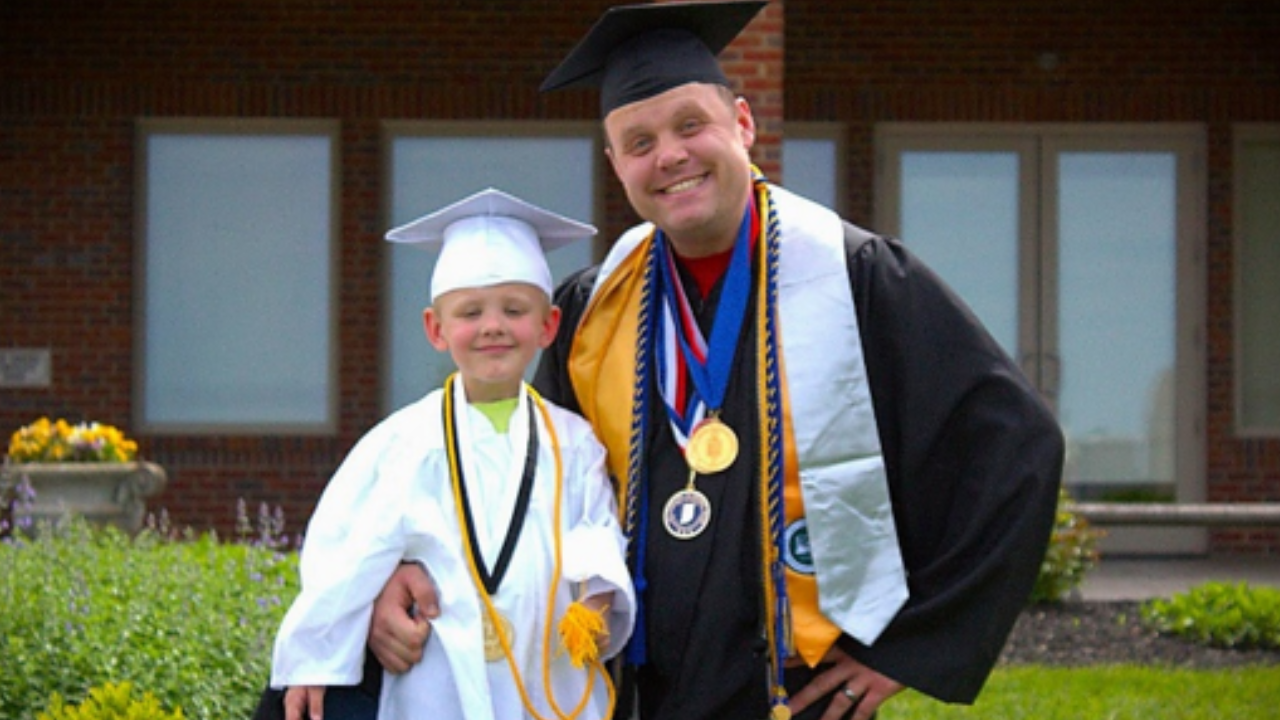
Kurtis and his son celebrate two graduations

Kurtis and his son celebrate two graduations. | Photo provided by patient.


What also makes his life full: A son, Maverick, and a loving wife, Brittany, in a home they own. Kurtis also founded his own company, Ethical Hackers, LLC. He volunteers as a motivational speaker, inspiring others to never give up hope. He credits much of his success to his mom, wife and family—and his UC Health team, too.

“They were the angels that I asked for,” he said. “They saved my life… and completely changed how I move through life and how I believe in myself now.”

Today, Kurtis continues his care with a vagus nerve stimulator implant and medication, alongside meditation, passion for learning IT and music. His progress has been remarkable; appointments that once happened every few months are now annual check-ins.

“Kurtis exemplifies what we love to see in our patients who undergo surgery for their epilepsy,” Dr. Ficker said. “In his case, epilepsy surgery was life-changing. He was able to use this new freedom in life to enhance his education and move forward in his career.”

Forever looking forward, Kurtis has a long-term goal of earning a position in Information Security Management.

But if you ask Kurtis what truly drives him, the answer comes quickly.

“I want to be the resource that gives people a light at the end of their tunnel,” he said. “That gives them a reason to maintain hope.”

“I want my son to look back and say my dad went through all this and did what others said he couldn’t.”


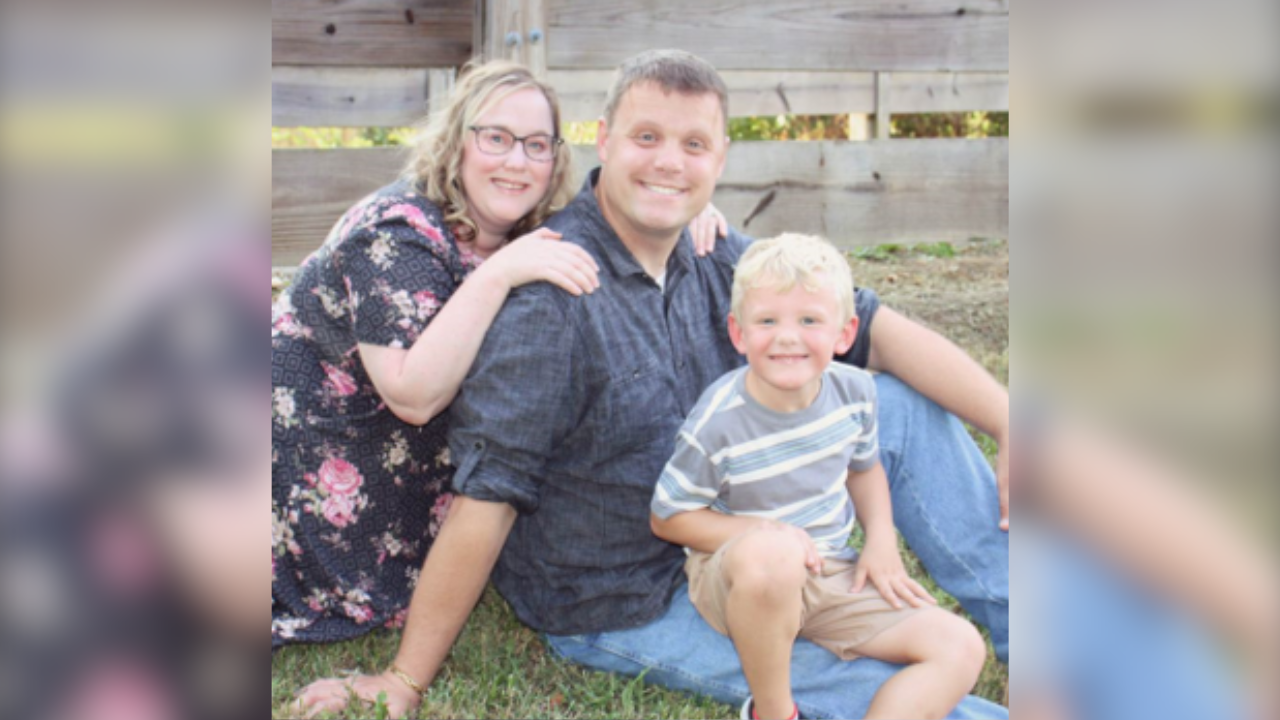
Kurtis smiles for a family photo with his wife, Brittany, and son, Maverick

Kurtis smiles for a family photo with his wife, Brittany, and son, Maverick. | Photo provided by patient.


Why UC Health for Epilepsy Care

We take on even the toughest cases like few others can. At the UC Gardner Neuroscience Institute, our experts work together to come up with a plan that’s right for each patient—often when others haven’t worked. Because we believe better days are possible.

  • Only Level IV Epilepsy Center for Adults in the Region: Advanced specialists delivering the highest level of comprehensive epilepsy care.
  • Seamless Transition from Pediatric to Adult Care: Our Epilepsy Transition Clinic helps patients maintain continuity of care through every stage of life.
  • Decades of Leadership in Epilepsy: Advancing innovative treatments and patient care like no one else.

Expect more. Call 513-475-8730.

x