Losing his voice and seeking another opinion
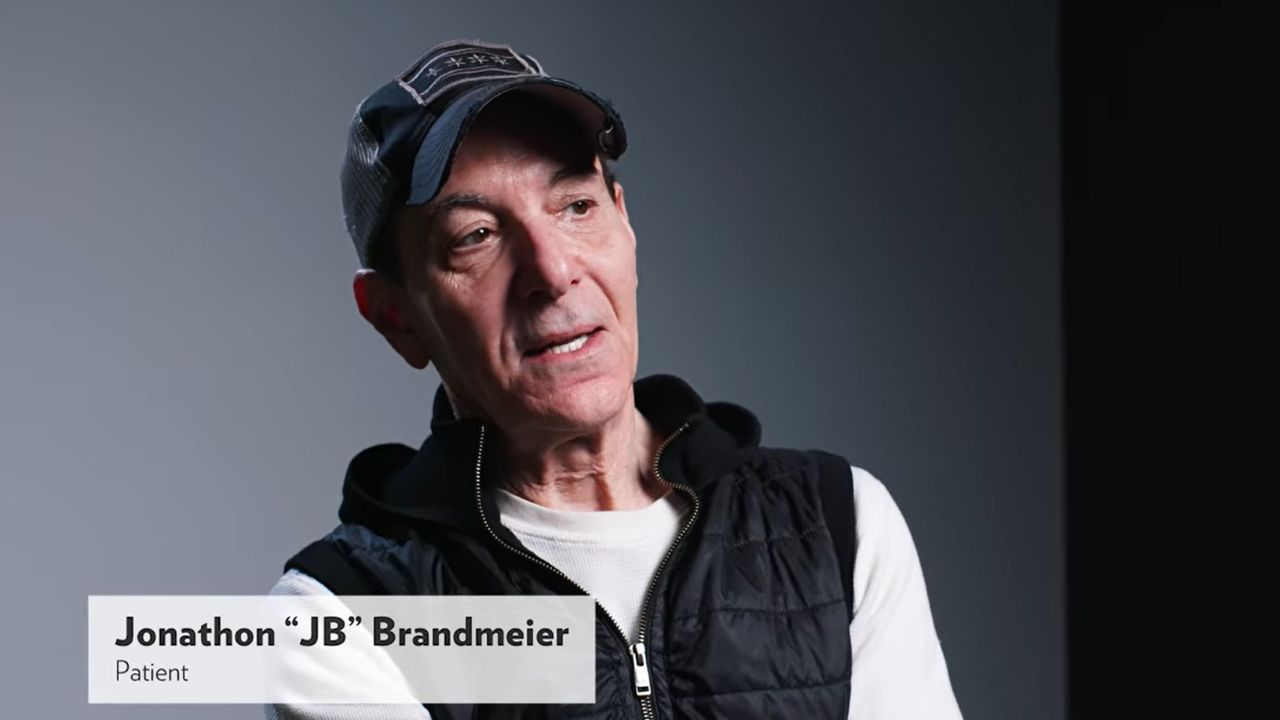
Johnny B had been using his voice professionally since he was a teenager. He started playing in bands and singing when he was 14 and began his radio career at 15. But during the COVID-19 pandemic, he began noticing something different.
“God, my throat is just kind of falling apart,” he remembers thinking. His voice would become tired, and the problem became more noticeable as his vocal demands increased.
After seeing doctors in Chicago, Johnny B was confronted with the possibility of vocal cord cancer and the prospect of losing his voice.
“I walked out, it was raining, and I just started to cry,” he says.
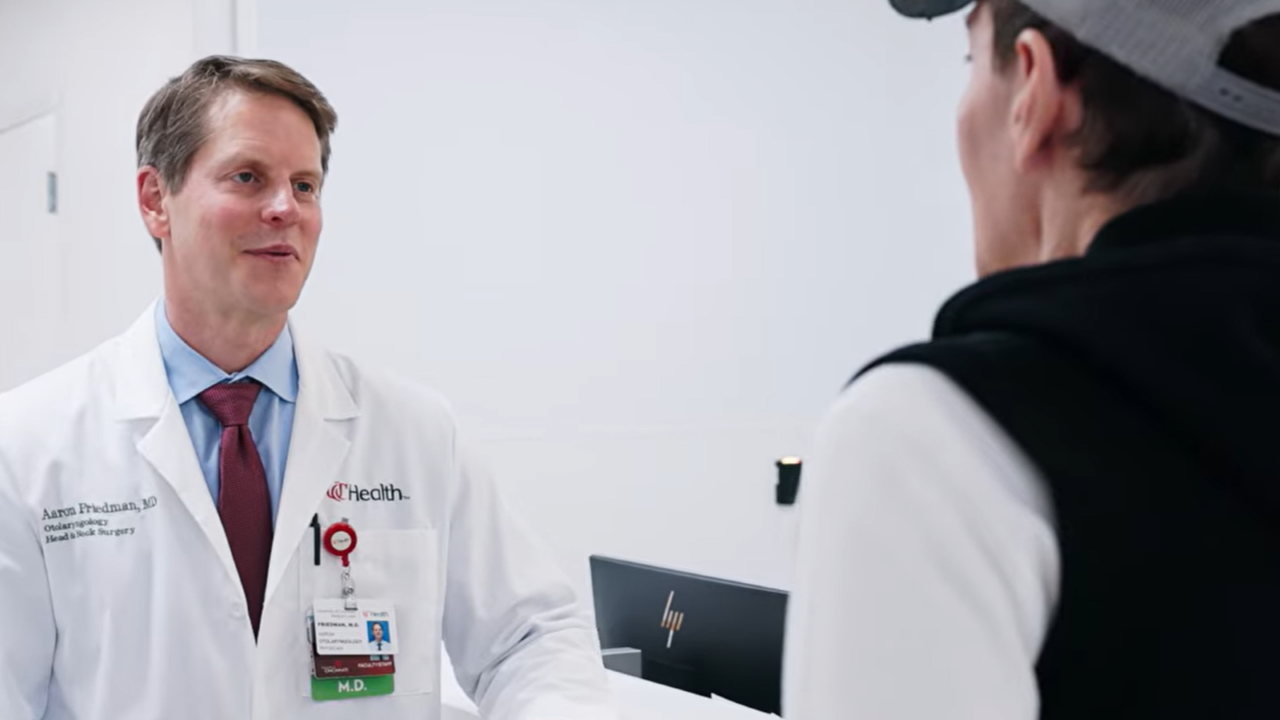
Then a friend pointed him toward Dr. Aaron Friedman.
A fellow broadcaster who had undergone treatment with Dr. Friedman, an otolaryngologist and laryngeal surgeon at UC Health, encouraged Johnny B to seek him out. After reading about Dr. Friedman, Johnny B made the trip to Cincinnati.
“I just told him that—he saved my life,” Johnny B says. “He saved it. He changed it.”
Getting to the bottom of Johnny B’s symptoms
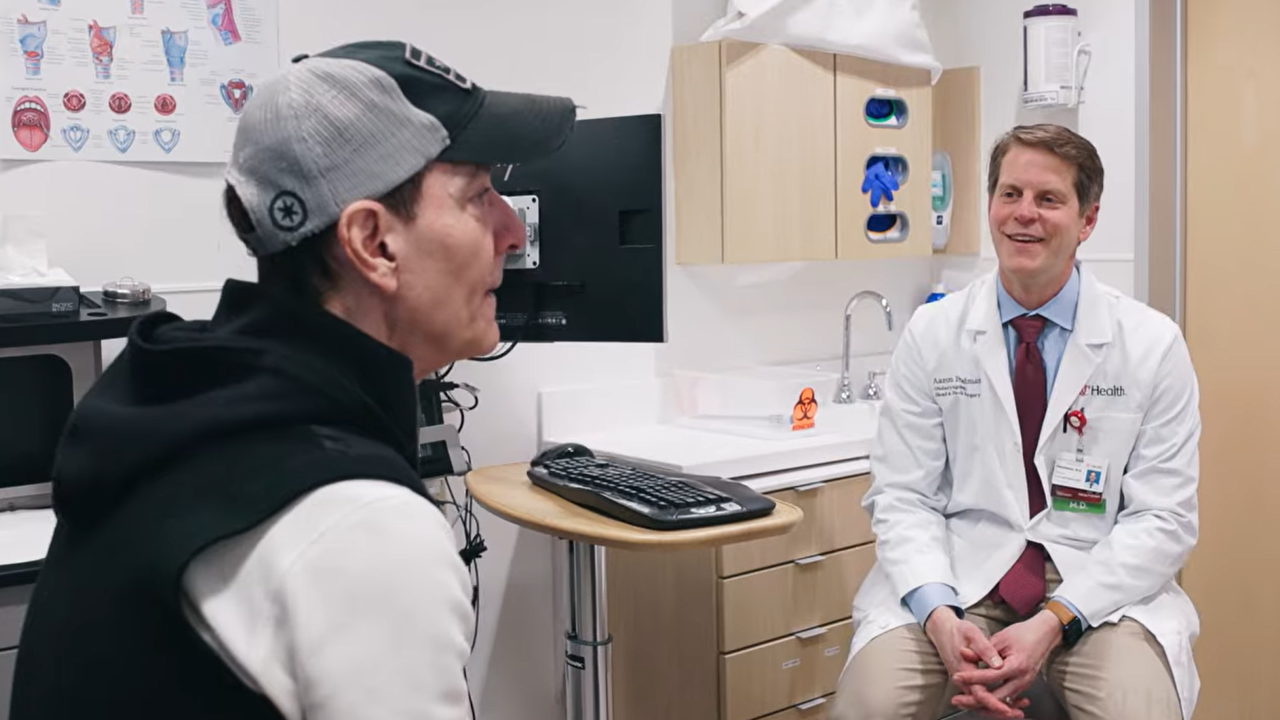
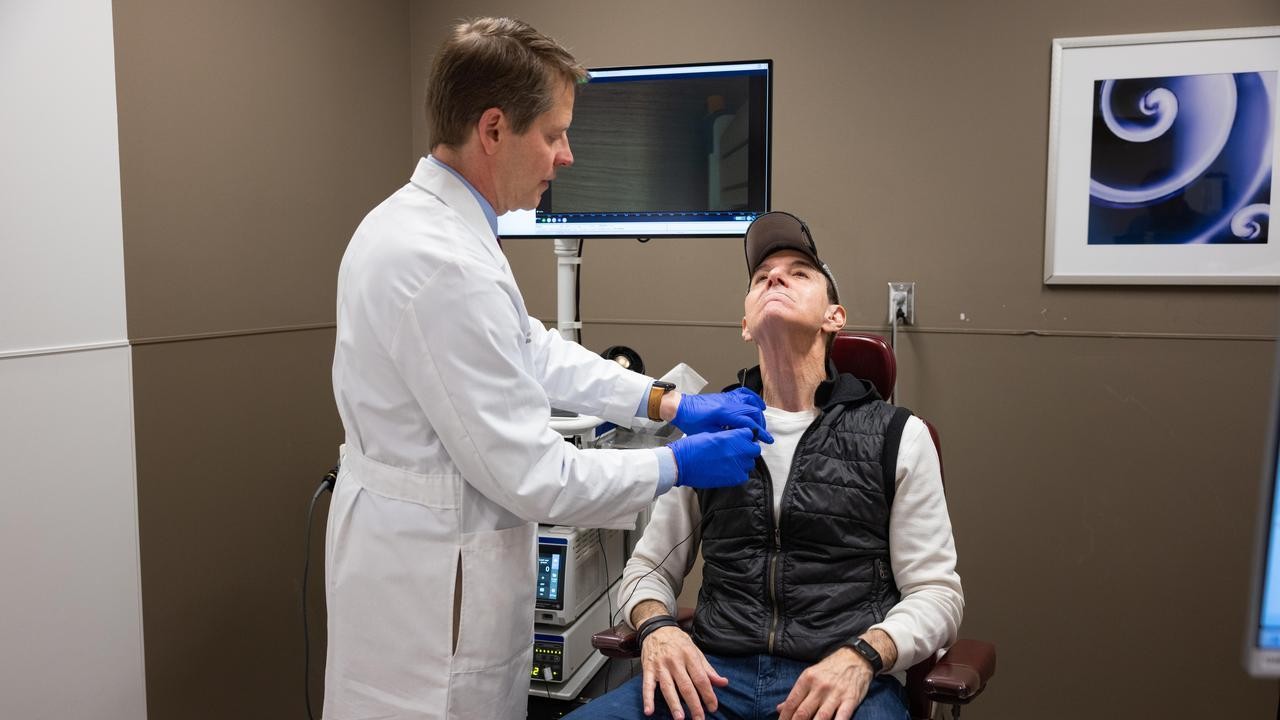
When Dr. Friedman examined Johnny B’s vocal cords, he found several problems—but the picture was more complicated than the diagnosis Johnny B had previously been given.
Years of heavy voice use had left Johnny B with significant scarring. Dr. Friedman also saw an abnormal area on one of his vocal cords that needed a closer look.
“We didn’t know necessarily just based on the exam in the office what that represented,” Dr. Friedman says. “But we did know that a surgery was going to be necessary for at least diagnosis and hopefully treatment.”
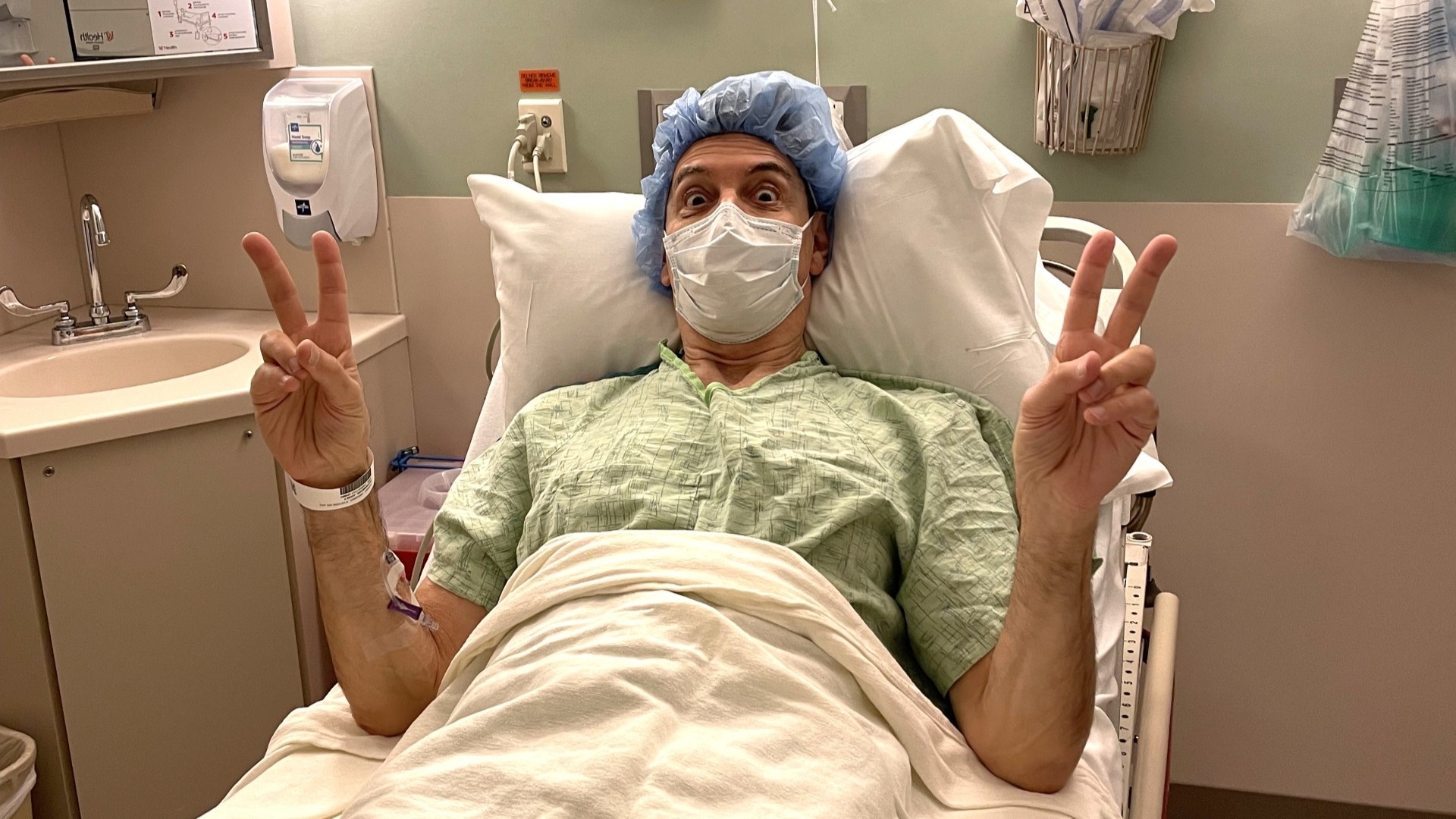
Within weeks, Johnny B was in the operating room. The moment before surgery is one he will never forget.
“Dr. Friedman just comes up to me, and he just puts his hand right there and goes, ‘We got you, John. We got this,” he recalls.
During surgery, Dr. Friedman discovered something no one had seen before: a cyst in Johnny B’s vocal cord. It was benign and could be removed. But there was also the abnormal area that had prompted concern in the first place.
Dr. Friedman removed the cyst and took a sample of the other area to better understand what was happening. The results showed that Johnny B did not have cancer. Instead, he had significant vocal cord scarring and an early abnormal change that would need to be watched closely.
Just as important, Dr. Friedman made a decision about what not to do. Rather than remove more tissue from Johnny B’s vocal cord, he stopped and allowed it to heal.
For Johnny B, that decision reflected something he quickly came to understand about his new doctor: Dr. Friedman wasn't just focused on treating what he saw. He was focused on protecting the voice Johnny B had spent his entire life building.