- The Critical Connection: Learn why high blood pressure is the single biggest risk factor for stroke, and how it directly impacts your long-term brain health.
- Small Lifestyle Shifts: Discover manageable, daily habits—like consistent movement and the DASH diet—that yield massive preventative dividends without requiring overnight perfection.
- Your Steps with UC Health: Use our quick guide to talk with your doctor, and see why UC Health’s multidisciplinary team is uniquely equipped to partner in your care.
Wellness
What a Stroke Specialist Wants You to Know About Blood Pressure and the Power of Small Changes
Jul. 6, 2026
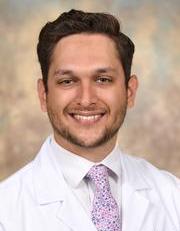
As a neurologist specializing in stroke, Dr. Ian Yahnke’s ultimate goal is to meet fewer patients in the emergency department. While he treats patients actively experiencing a stroke and guides their recovery every day, he would much rather help you prevent a stroke from ever happening.

The Vital Link Between Blood Pressure and Stroke Risk
The stakes truly couldn't be higher: stroke remains a leading cause of death and severe, long-term disability.
Fortunately, the power to change that trajectory is often within our control. High blood pressure is the single biggest risk factor for stroke, playing a definitive part in about half of all strokes. In fact, most people who have had a first stroke also had high blood pressure.
According to Dr. Yahnke, the most powerful tool to keep you out of his clinic isn't complex surgery, it's a candid conversation with your primary care team. He encourages every adult to, "talk with their Primary Care Provider (PCP) or neurologist to ensure the blood pressure is controlled and at goal."

The Invisible Strain on Your Body
High blood pressure is famously called a "silent" issue because you can't feel it happening. However, leaving it unmanaged forces your vascular system to bear an intense, quiet burden.
Essentially, a stroke occurs when the blood supply to part of your brain is interrupted or reduced, depriving brain tissue of oxygen and nutrients. Within minutes, brain cells begin to die. High blood pressure is the primary driver of this crisis because of the constant, physical force it exerts on your delicate arterial walls.
When asked how unmanaged high blood pressure damages the body over the years, Dr. Yahnke explains the structural toll: "Over time high blood pressure damages the blood vessels in the body and can cause plaque buildup or narrowing of the arteries. This can lead to stroke, heart disease such as heart failure or heart attacks, or kidney disease."
When arteries become narrowed by plaque, a blood clot can easily get trapped, completely blocking blood flow to the brain (an ischemic stroke). Alternatively, that relentless pressure can weaken a blood vessel until it ruptures and bleeds into the brain (a hemorrhagic stroke).
For anyone who has already had a stroke, managing blood pressure shifts from standard prevention to an immediate medical priority. Dr. Yahnke notes that while the core mechanics of managing your numbers remain the same after a stroke, the timeline becomes much tighter:
"The conversation itself doesn't change, but it does become more urgent. The goal blood pressure is the same, but we would want to get the blood pressure under control quickly to reduce the risk of recurrent stroke."
However, "quickly" in medicine requires a careful balance. While starting a treatment plan is an immediate priority, safely lowering your numbers is a process that requires patience. Dropping your blood pressure too fast can actually reduce blood flow to the brain and trigger another crisis. Reaching your target number is a steady, step-by-step journey managed closely with your doctor—not an overnight fix.

Embracing Patience in Your Care Plan
For many adults, the idea of managing a chronic condition for the rest of their lives feels incredibly daunting. But Dr. Yahnke wants to de-escalate that anxiety. Protection doesn't happen overnight, and it doesn't require perfection right out of the gate.
If you are struggling to find the right routine, Dr. Yahnke shares the exact piece of advice that seems to stick best with his patients:
"It can sometimes be trial and error to find the right medication or combination of medications to get blood pressure under control, so be patient while you work through that process with your primary care doctor."
Finding the right clinical balance is a normal process of adjustment, not a failure. He reassures anyone feeling overwhelmed by the long-term outlook:
"High blood pressure is very treatable with medication that is usually very well tolerated and small lifestyle changes besides medication can also make a big difference."

The Power of Small, Scaled Changes
You do not need to flip your entire life upside down tomorrow to protect your brain health. When looking at the real-world habits that yield the highest clinical dividends for his patients, Dr. Yahnke highlights three realistic adjustments:
- Consistent Movement: "We recommend at least 30 minutes of exercise per day, at least 5 days per week."
- Modest Weight Loss: "For patients that are overweight, losing as little as 5-10 pounds can significantly lower blood pressure."
- Dietary Adjustments: "There are dietary changes such as following a DASH diet that can also help."
What is the DASH Diet?
If you aren't familiar with it, DASH stands for Dietary Approaches to Stop Hypertension. Rather than a restrictive "fad diet," it is a flexible, balanced eating plan heavily backed by clinical research to lower numbers without sacrificing flavor.
The goal of the DASH diet is to naturally minimize sodium intake while loading up on foods rich in nutrients that help lower blood pressure, such as potassium, calcium, and magnesium. A standard DASH plate prioritizes:
- Abundant produce: 4 to 5 servings of vegetables and 4 to 5 servings of fruit per day.
- Heart-healthy grains: 6 to 8 daily servings of whole grains (like oatmeal, brown rice, or whole-wheat bread).
- Lean proteins and fats: Shifting toward poultry, fish, beans, and low-fat dairy while actively scaling back on red meat, saturated fats, and added sugars.

Your Next Appointment Checklist
The path forward is built on teamwork. The next time you sit down with your care team, don't let cardiovascular risk be a brief afterthought at the end of the visit.
Dr. Yahnke emphasizes that blood pressure shouldn't be evaluated in a vacuum—it needs to be looked at holistically alongside other key numbers. "I would make sure to discuss your blood pressure and other stroke risk factors such as blood sugar and cholesterol with your primary care doctor to ensure it is below goal."
To ensure your conversation is thorough, bring this exact checklist to your next primary care visit:
The Brain Health Check-In List
- Review Current Blood Pressure Goals: Ask your doctor, "What is my personal target blood pressure number, and how close am I to reaching it today?"
- Evaluate Metabolic Markers (Blood Sugar & Cholesterol): High cholesterol and blood sugar compound your risk of stroke. Ensure your latest blood panel results are reviewed and that these numbers are also well below their goal thresholds.
- Discuss the Medication Strategy: If you are starting or switching blood pressure medications, remember Dr. Yahnke’s reminder that finding the right match is often a process of "trial and error." Ask what side effects to watch for and how long to give a new dose before checking back in.
- Align on Your Lifestyle Roadmap: Share your specific plan for incorporating 150 minutes of weekly exercise or implementing the DASH diet, and ask your doctor for tips on safely pacing your progress.
Ultimately, a healthier brain isn't about fear—it's about awareness and consistent, manageable steps. If there is one core takeaway Dr. Yahnke wishes every single adult could keep in mind, it is this:
"High blood pressure is one of several risk factors for stroke that can be treated with a combination of lifestyle changes and medication."

Your First Choice for Stroke Care
Whether it’s stroke prevention, acute treatment, rehabilitation, or recovery, our multidisciplinary teams work together to support you every step of the way. Through preventive primary care, advanced cardiology, and the specialized stroke experts at the UC Gardner Neuroscience Institute, we connect you with recognized expertise focused on protecting your health and optimizing your quality of life.
- The Power to Choose is in Your Hands: You or your loved ones can request where EMS transports you. UC Medical Center is a Certified Comprehensive Advanced Stroke Center. West Chester Hospital is a Primary Stroke Center. The same experts will treat you, no matter where you go.
- Fuller Recovery Within Reach Here: Stroke recovery doesn’t end after standard treatment. Many survivors benefit from continued support to regain independence and quality of life.
- World-Renowned Experts On Your Case: Our doctors are the ones at the center of new stroke innovations.
For fast, effective treatment and the best chance for fuller recovery, UC Health is the easy answer. Call 513-475-7530 to connect with our neurology experts.