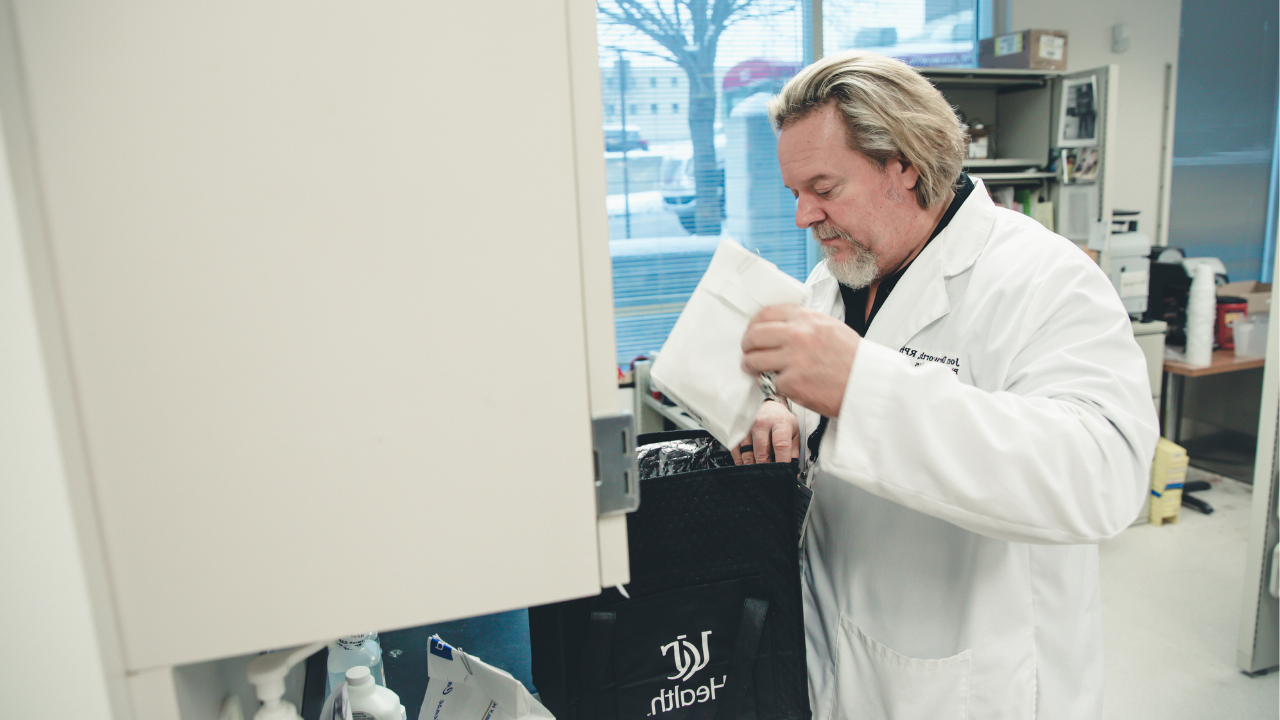

Flu, COVID-19 and RSV and many other vaccines are available Monday - Friday, 8:30 a.m. - 4:30 p.m., at select UC Health Pharmacy locations.
UC Health
Pharmacy Services
As part of your UC Health care team, we’re here to help you understand and manage your medications. We focus on safety, cost and finding what works best for you.
Pharmacy Services
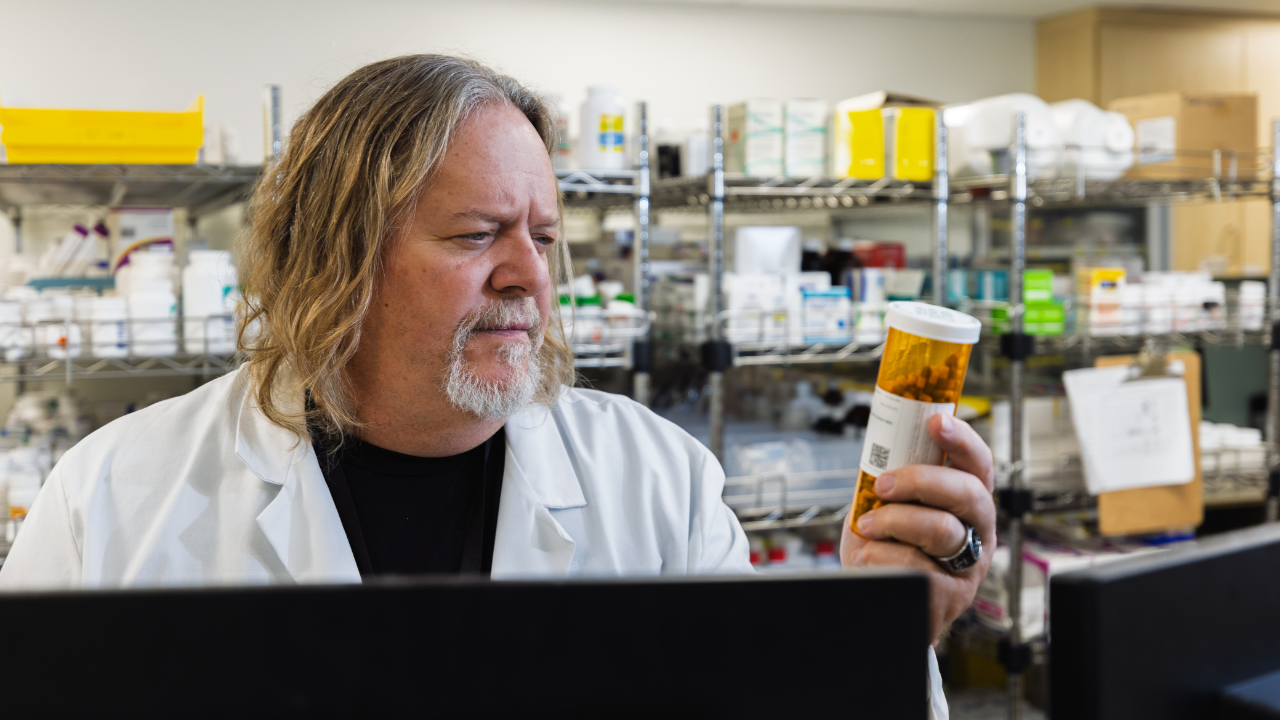
Personalized Support at Every Step
We work closely with your UC Health care team to help you manage your prescriptions, understand costs or insurance and get your medications on time. We’re here to support you—from your hospital stay to your care at home.
Pharmacy Services
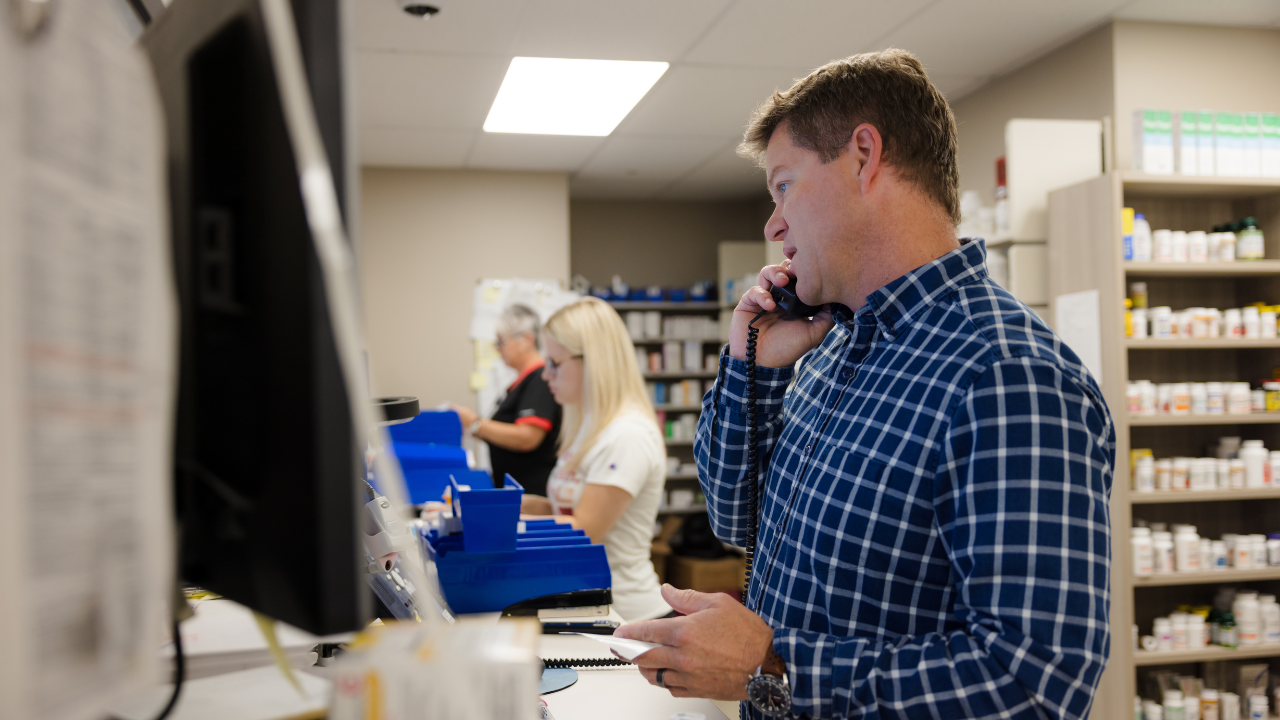
Convenient Locations Across UC Health
You can pick up your prescriptions at UC Health retail pharmacies when it’s most convenient for you, or have certain medications delivered to your home or bedside. A pharmacist is always available to help.
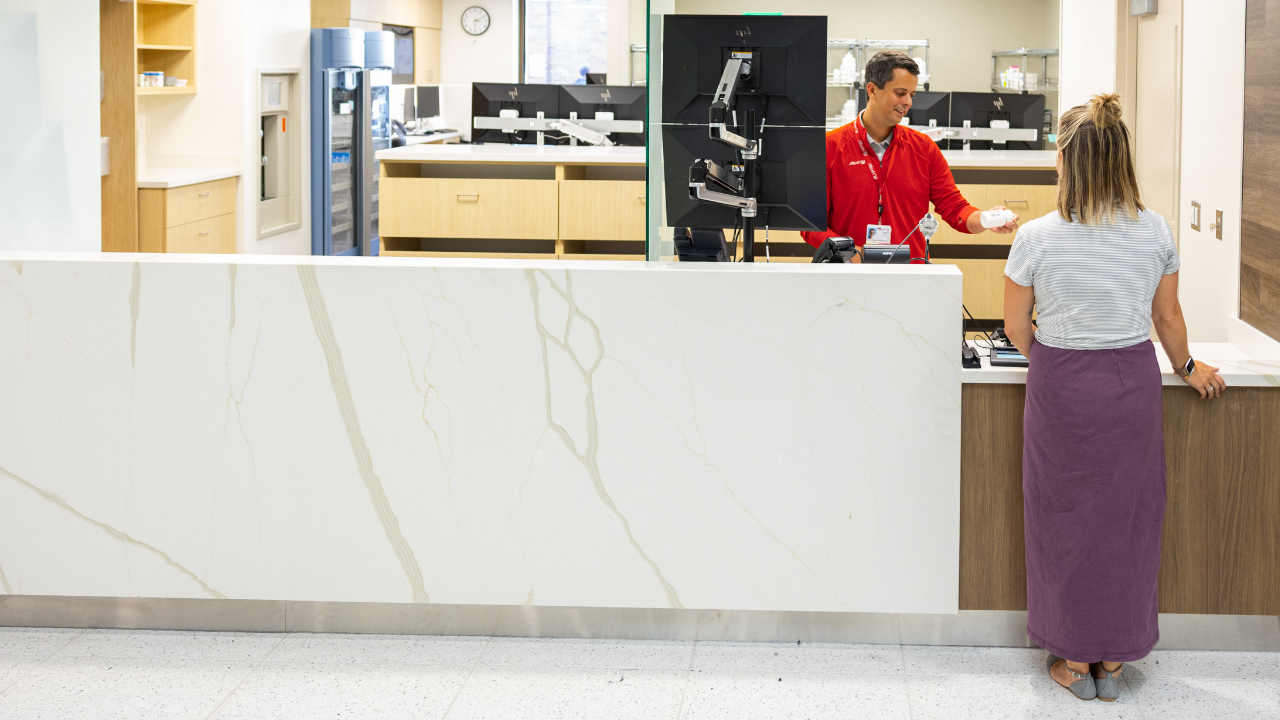
Schedule Vaccinations
Refill or Transfer Prescriptions
Prescription Delivery
Pharmacy Hours and Locations
Schedule Vaccinations
Protect Your Family and Friends This Season
Flu, COVID-19 and RSV vaccines are available Monday - Friday, 8:30 a.m. - 4:30 p.m., at select UC Health Pharmacy locations. Walk-ins are accepted.
Refill or Transfer Prescriptions
Refill Prescriptions
Use our outpatient or retail pharmacy tools to request prescription refills—online, by phone or in person.
Transfer Prescriptions
Transferring your prescriptions to UC Health is easy—let us handle the details so you can focus on your health.
Prescription Delivery
Secure Delivery of Prescriptions to Your Door
Our pharmacy team can deliver medications directly to your home or hospital room, prioritizing safety, convenience and timely access to treatment.
Pharmacy Hours and Locations
UC Health Pharmacy Locations
Safe, accessible, patient-centered medication services—integrated with your care team.
Schedule Vaccinations
Schedule Vaccinations
Refill or Transfer Prescriptions
Refill or Transfer Prescriptions
Prescription Delivery
Prescription Delivery
Pharmacy Hours and Locations
Pharmacy Hours and Locations
Our Services
Explore Our Pharmacy Services
Connected Retail and Specialty Pharmacy Care Supports Safe, Successful Treatment
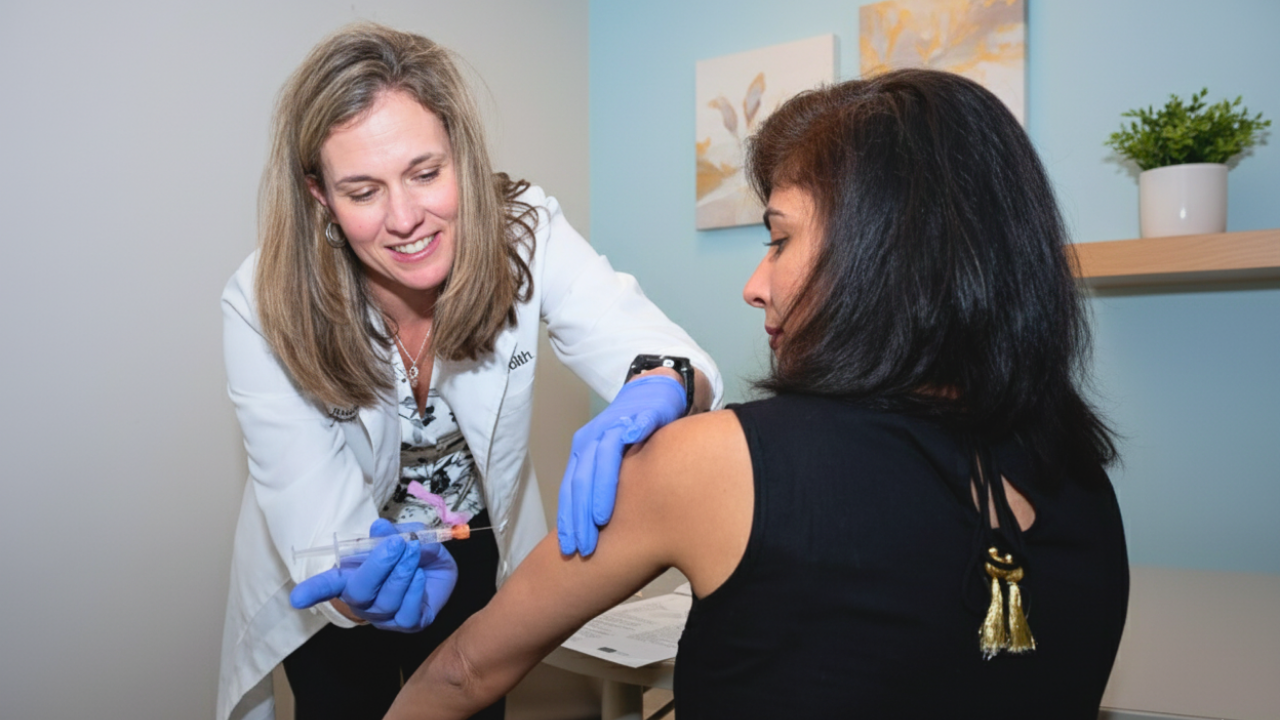
Vaccines are here
Protect Yourself This Season
Authoring Breakthroughs
Innovation, Safety and Access at the Heart of Every Pharmacy Service
Featured Benefit
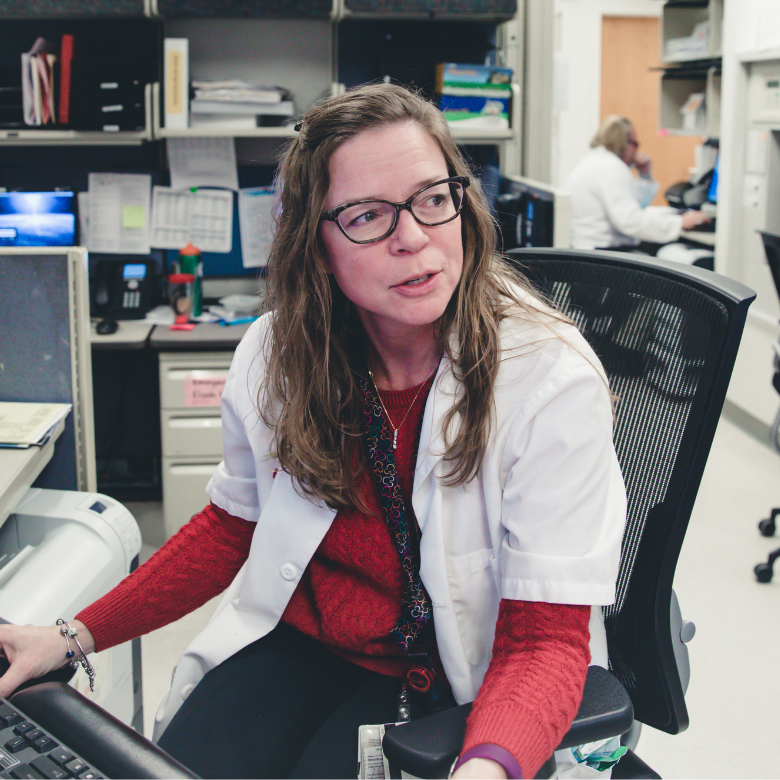
Academic Expertise in Every Prescription
As the region’s only academic health pharmacy, UC Health Pharmacy works closely with your care team. Our pharmacists partner with your providers to make sure every prescription is safe, accurate and right for you—using the latest research to improve care and access.
Our Unique Approach
Trusted Innovation. Measurable Impact.
From academic research to patient-centered pharmacy programs, UC Health delivers medication expertise rooted in data, compassion and outcomes to help patients access safe, affordable care tailored to their needs.
96%
Overall patient satisfaction rate
HIV
Research on long-acting injectable HIV therapy in pregnancy
GLP-1
GLP-1 impact studies in HIV & Type 2 diabetes
4 in focus
Growth in women’s health, infertility, autoimmune, and migraine care
Featured Specialty
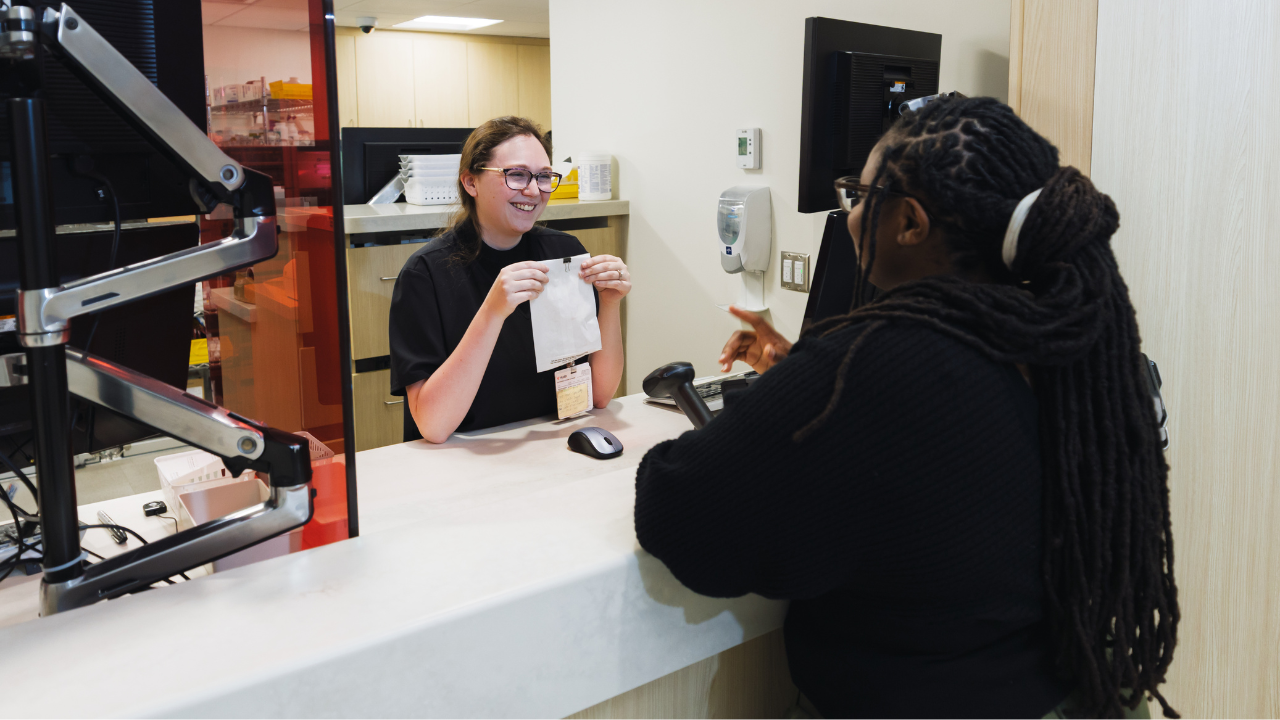
Medication Access and Affordability Programs
UC Health Pharmacy works directly with you and your insurance to help lower costs and remove delays. From copay help to insurance approvals, our pharmacists advocate for you so cost doesn’t stand in the way of your treatment.
Featured Specialty
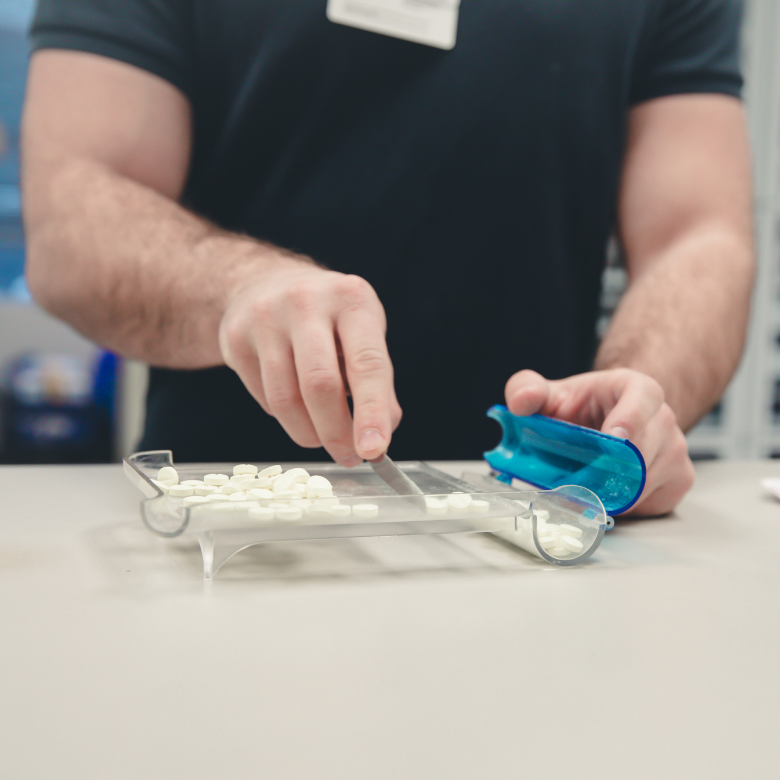
Support Services for Complex Prescriptions
From oncology and HIV to transplant and autoimmune therapy, our pharmacy team directly supports patients with complex, high-cost prescriptions. We evaluate coverage, coordinate with providers and ensure timely access through specialized programs designed for continuity of care.
Featured Specialty
Pharmacy-Guided Discharge and Transition of Care
For complex or high-cost medications—such as cancer, transplant, or autoimmune treatments—our pharmacy team is here to help. We review coverage, coordinate with your providers, and make sure you get your medication on time, with ongoing support you can count on.

Locations
Contact or Visit a UC Health Pharmacy
Click on a pharmacy location below for convenient, expert medication support.
Loading...
Error loading locations.
No results for search.
{{location.address.title}}
{{location.title}}
Back
{{selectedLocations[selectedLocations.length - 1].address.title}}
{{selectedLocations[selectedLocations.length - 1].title}}
{{selectedLocations[selectedLocations.length - 1].address.address}} {{selectedLocations[selectedLocations.length - 1].address.address2}}
{{selectedLocations[selectedLocations.length - 1].address.city}}, {{selectedLocations[selectedLocations.length - 1].address.state}} {{ selectedLocations[selectedLocations.length - 1].address.zip}}
{{selectedLocations[selectedLocations.length - 1].hop}}
Loading...
Error loading locations.
No results for search.
{{location.address.title}}
{{location.title}}
Schedule Vaccinations
Refill or Transfer Prescriptions
Prescription Delivery
Pharmacy Hours and Locations
Schedule Vaccinations
Protect Your Family and Friends This Season
Flu, COVID-19 and RSV vaccines are available Monday - Friday, 8:30 a.m. - 4:30 p.m., at select UC Health Pharmacy locations. Walk-ins are accepted.
Refill or Transfer Prescriptions
Refill Prescriptions
Use our outpatient or retail pharmacy tools to request prescription refills—online, by phone or in person.
Transfer Prescriptions
Transferring your prescriptions to UC Health is easy—let us handle the details so you can focus on your health.
Prescription Delivery
Secure Delivery of Prescriptions to Your Door
Our pharmacy team can deliver medications directly to your home or hospital room, prioritizing safety, convenience and timely access to treatment.
Pharmacy Hours and Locations
UC Health Pharmacy Locations
Safe, accessible, patient-centered medication services—integrated with your care team.
Schedule Vaccinations
Schedule Vaccinations
Refill or Transfer Prescriptions
Refill or Transfer Prescriptions
Prescription Delivery
Prescription Delivery
Pharmacy Hours and Locations
Pharmacy Hours and Locations