Health Insights

HPB Cancers: Understanding Liver, Bile Duct, Gallbladder and Pancreatic Diagnoses

Jan. 12, 2026

When you’re newly diagnosed, the terms can feel overwhelming. Understanding the basics of hepato-pancreato-biliary (HPB) cancers can help you feel more grounded and prepared for the decisions ahead.


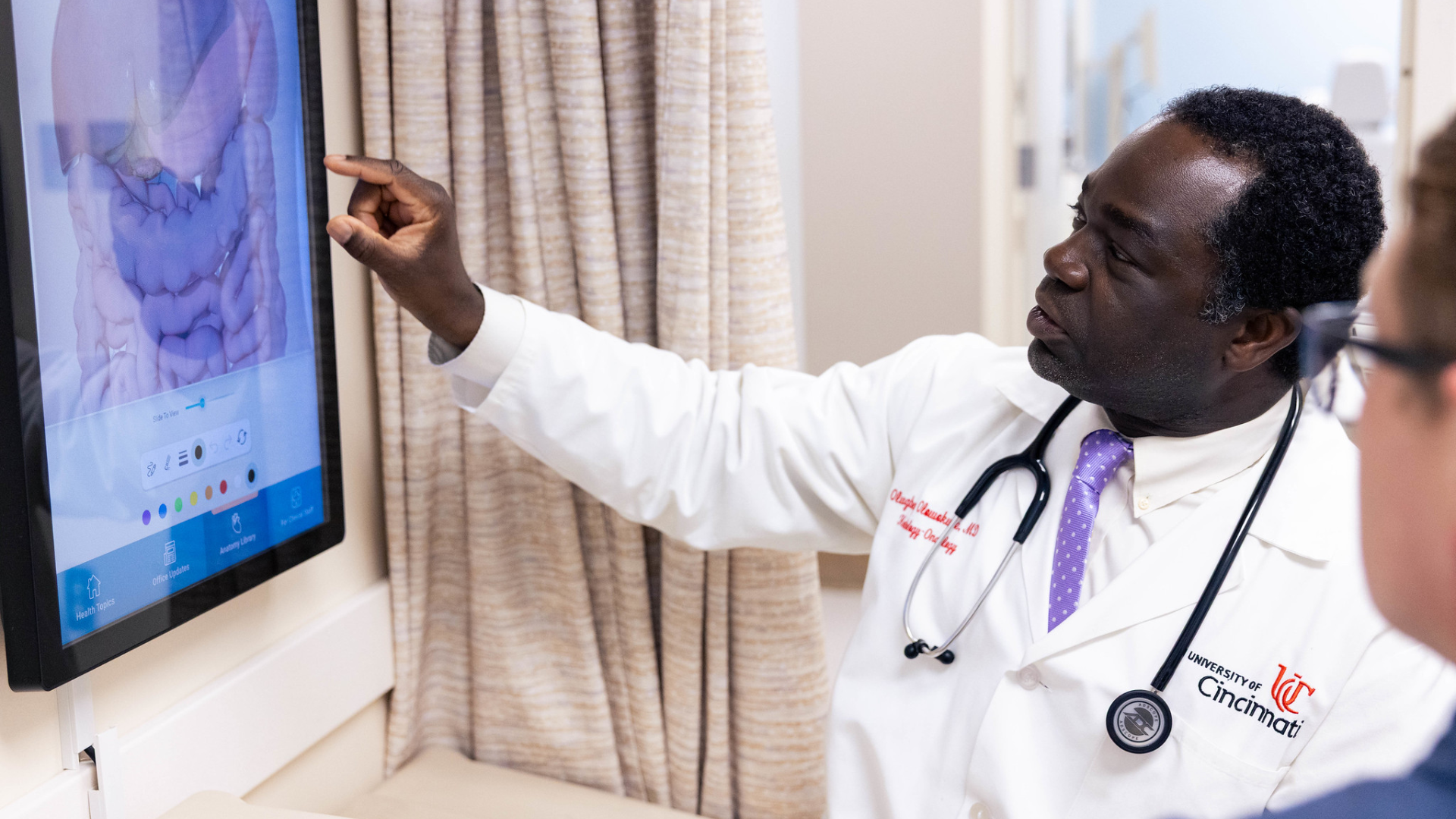
Dr. Benga Olowokure shows a patient the HPB system on a screen

Dr. Benga Olowokure at the University of Cincinnati Cancer Center shows a patient the HPB system on a screen during a visit.

What are HPB Cancers? 

Hepato-pancreato-biliary, shortened to HPB, refers to the liver, pancreas, gallbladder and bile ducts. These organs sit close together in the upper abdomen and share important roles in digestion, bile flow and metabolism. Because they’re so closely connected, cancers in these organs are often evaluated and treated by the same group of specialists.

Understanding what falls under this cancer group can make early conversations after diagnosis feel less overwhelming.

Common Diagnoses Within HPB Cancers

Hepatocellular carcinoma (HCC)

The most common form of primary liver cancer, often related to chronic liver disease such as cirrhosis or hepatitis.

Cholangiocarcinoma (bile duct cancer)

A cancer that begins in the bile ducts, either inside the liver (intrahepatic) or outside the liver (extrahepatic).

Gallbladder cancer

A rare cancer that may be found because of abdominal pain, jaundice or during surgery for another condition.

Benign and malignant pancreatic tumors

Duodenal cancers

Cancers that begin in the first part of the small intestine, located where the stomach, pancreas and bile ducts meet.

Grouping these diseases under “HPB” helps clinicians organize care around shared anatomy, pathways and treatment teams.

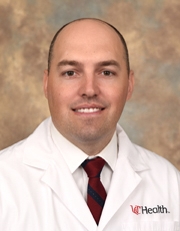
Dr. Syed Ahmad at the University of Cincinnati Cancer Center

Dr. Syed Ahmad, Interim Director of the University of Cincinnati Cancer Center

How Doctors May Describe Your Cancer

After diagnosis, your care team uses specific terms to describe what they see on imaging, pathology and—when appropriate—molecular testing. These terms guide decisions about your safest and most effective treatment options.

Cancer Stage

Staging explains how far the cancer has spread. Most HPB cancers fall into these broad categories:

  • Localized: The cancer is contained within the organ where it began.
  • Regional: It has spread to lymph nodes or nearby tissues
  • Metastatic: The cancer has spread to other organs.

Resectable, Borderline Resectable, or Unresectable

For many HPB cancers, one of the first questions is whether the tumor can be safely removed with surgery.

  • Resectable: Surgery is possible and may offer a chance of cure.
  • Borderline resectable: The tumor is close to major blood vessels; treatment may be needed first.
  • Unresectable: The tumor is in a place that make surgery unsafe or unlikely to be successful.

These categories can shift over time depending on how the tumor responds to treatment.

Cancers with Genetic or Molecular Changes

Some HPB cancers have  changes to their genes or molecules. We may have medications designed specifically to treat those types.  Examples include:

  • BRCA1/2
  • KRAS
  • FGFR2 fusions
  • IDH1 mutations
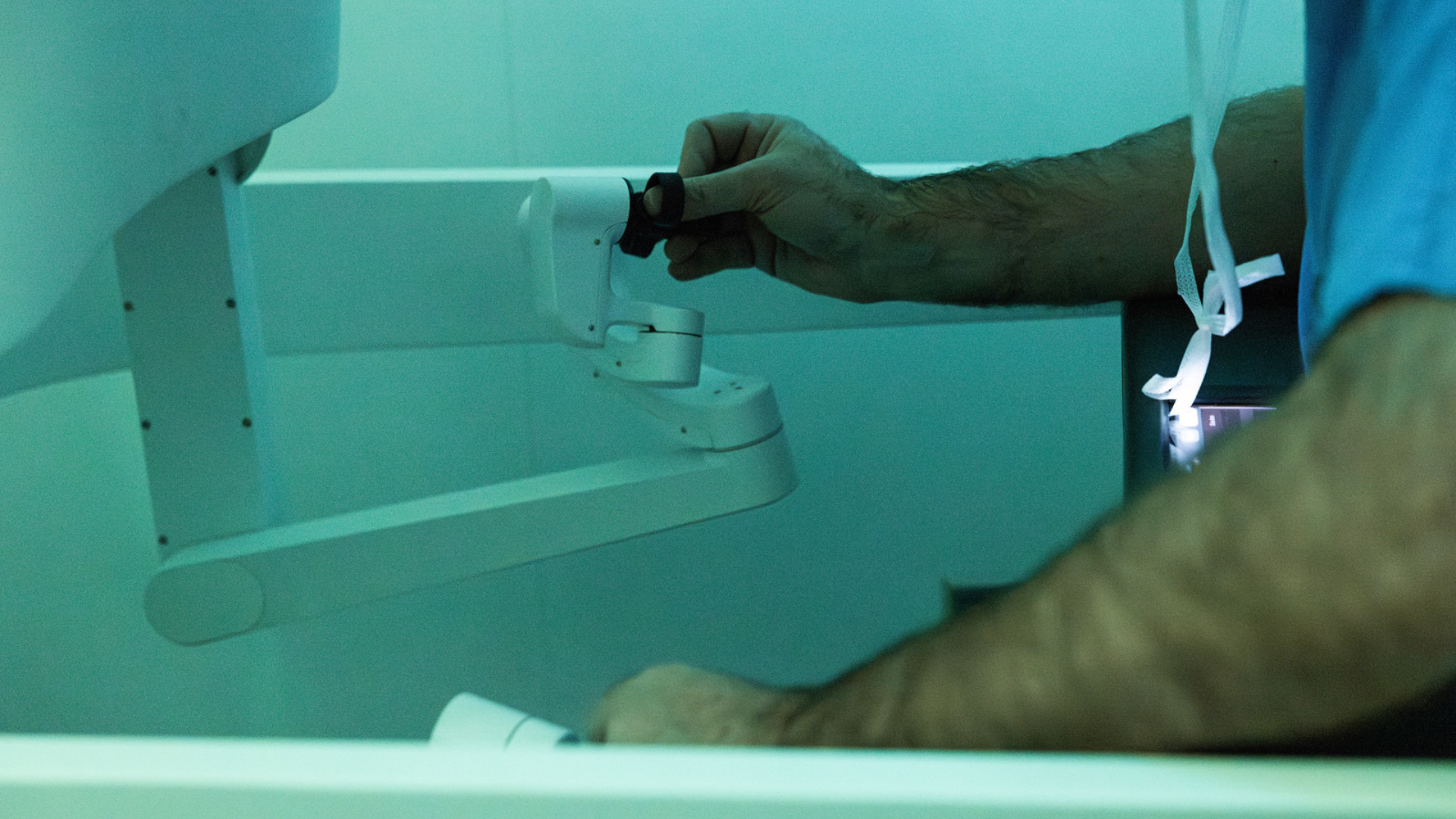
Dr. Greg Wilson performs a Whipple procedure robotically at the University of Cincinnati Cancer Center

Dr. Greg Wilson performs a Whipple procedure robotically at the University of Cincinnati Cancer Center

What Factors Shape Prognosis for HPB Cancers

It is natural to want clear answers about what to expect. For HPB cancers, several factors influence how successful treatment may be. Your care team looks at everything before discussing treatment goals or next steps.

Tumor Stage and Location

The extent of disease and proximity to major blood vessels or ducts significantly shape treatment planning. How advanced your cancer is and whether it’s close to major blood vessels or ducts is a big part of your treatment plan.

Possibility of Surgery

For many HPB cancers, surgery offers the best chance for long-term success. Whether a tumor is considered resectable, borderline, or unresectable often guides the initial treatment approach.

Robotic surgery may be an option for certain liver, pancreatic and bile duct procedures. In some people, robotics allow surgeons to see and reach the tumor better and with smaller incisions. . Not every patient is a candidate, but when appropriate, these techniques can support recovery and expand surgical possibilities.

Overall Health and Liver Function

Conditions such as cirrhosis, hepatitis and fatty liver disease affect both liver health and the safety of certain treatments. Nutrition, diabetes management and overall strength are important considerations in pancreatic disease as well.

Tumor Biology and Biomarkers

Molecular findings such as FGFR2 fusions, IDH1 mutations, BRCA variants, or KRAS status ma tell you which treatments may work or clinical trials you’re eligible for.

New technologies—such as histotripsy, a noninvasive ultrasound-based method that targets tissue without heat—are being studied as potential ways to treat certain liver tumors.

Why Every Case Is Different

Even with the same diagnosis, patients respond differently to treatment. Clinicians give their best guess on what you can expect, but every cancer is different. 

Dr. Sameer Patel at the University of Cincinnati Cancer Center meets with a patient

Dr. Sameer Patel at the University of Cincinnati Cancer Center meets with a patient.

Questions to Ask Your Doctor

A new diagnosis often comes with unfamiliar information. These questions can help you stay organized and understand your plan of care:

  • What type of HPB cancer do I have and where exactly did it start?
  • Is my cancer considered resectable, borderline resectable, or unresectable?
  • What is the main goal of treatment in my case—cure, control, or comfort?
  • Are there important biomarkers or genetic changes in my tumor that we should test for?
  • Should I be evaluated by a multidisciplinary HPB team?

Having this list during appointments can make discussions clearer and more productive.

Patient meets with care team at the University of Cincinnati Cancer Center

Patient meets with care team at the University of Cincinnati Cancer Center

About the University of Cincinnati Cancer Center HPB Program:

A cancer diagnosis involving the liver, pancreas, gallbladder, or bile ducts is complex. But at the University of Cincinnati Cancer Center, no cancer is too complicated for our team. No matter which specialist you see first—oncology, gastroenterology, hepatology (liver care), or surgery—you enter a system where everyone works together every day to treat the full spectrum of HPB cancers.

“HPB cancer are a select group of malignancies where studies have demonstrated the experience and expertise of the surgeon directly impacts short and long term outcomes. The HPB surgeons at the UC Cancer Center are some of the most experienced surgeons with the highest volumes of cases in the midwest.” Syed Ahmad, MD, Interim Director of the University of Cincinnati Cancer Center

One Connected System Working for You

Across UC Health—including the University of Cincinnati Cancer CenterPancreatic Disease CenterGI Cancer Center and the HPB Surgery Program—patients get the same level of care:

  • Multidisciplinary case reviews by surgeons, medical and radiation oncologists, hepatologists, radiologists and pathologists
  • Advanced surgical options, including minimally invasive and robotic procedures
  • Liver-directed therapies such as microwave ablation and hepatic artery infusion
  • Clinical trials and new technologies, including noninvasive approaches like histotripsy
  • Coordinated appointments and shared planning to reduce delays and eliminate guesswork

Every patient gets a full plan made just for them—from clinicians who see the most HPB cancers and do the most operations and liver-directed treatments in the region.

You are not going through this alone. At the University of Cincinnati Cancer Center, you receive the strength of an entire system built for the most complex diagnoses—one that is relentlessly focused on giving every patient the best path forward.

Get a second opinion now. Call 585-UCCC (8222)

x