Innovations

Advances in Liver Cancer Treatment: How HPB Surgeons are Changing What’s Possible

May. 8, 2026

A liver cancer diagnosis is overwhelming—but new treatments and highly specialized surgery are offering better options than before. At the University of Cincinnati Cancer Center, no cancer is too complicated for our surgeons. 


  • Liver cancer treatment has advanced: New surgical techniques, targeted therapies, immunotherapy and clinical trials are creating more options—even for complex or advanced cases. 
  • Experience matters for complex care: At the University of Cincinnati Cancer Center, specialized hepato-pancreato-biliary (HPB) surgeons and transplant experts treat some of the most complicated liver cancers. 
  • A second opinion can protect your options: Getting expert guidance early can open the door to surgery, transplant or clinical trials that may not be available elsewhere. 

We got you. Call 585-UCCC for a second opinion. 

Why Liver Cancer Treatment Has Changed So Much 

Hearing the words “you have liver cancer” can stop everything in its tracks. Many patients immediately wonder what comes next—and whether meaningful options truly exist. 

What’s changed is not just one breakthrough, but several happening at the same time. Over the past decade, liver cancer care has evolved because of: 

  • Earlier and more precise imaging, helping doctors better see tumors and plan treatment 
  • More advanced liver surgery, allowing surgeons to remove tumors that are harder to reach while keeping healthy liver tissue  
  • New drug therapies, including  treatments that tackle your specific cancer type and immunotherapy, that are improving outcomes for advanced disease 
  • Smarter combination approaches, where surgery, treatments given directly to the liver and treatments that travel throughout the body are used together rather than one at a time 

Together, these advances mean more patients are eligible for treatment—and more treatment paths are available than ever before. 

At the University of Cincinnati Cancer Center, our specialists bring these advances together through a coordinated, team-based approach. Whether surgery is possible right away or other therapies are needed first, we focus on finding the right order of treatment for each patient—because no liver cancer case is exactly the same. 

UC Cancer Center surgeons work closely with patients to evaluate even the most complex cases. Known for taking on challenging cancers, our team is committed to exploring every possible treatment option.

When Surgery Is Possible: The Best Chance for Long-Term Survival 

For many patients, surgery offers the strongest chance for long-term control, or even cure, of liver cancer. When a tumor can be safely removed, surgery can eliminate the cancer while keeping as much of healthy liver as possible. Many liver tumors are part of a broader group called hepato-pancreato-biliary (HPB) cancers, which involve the liver, bile ducts, gallbladder and pancreas and often require highly specialized surgical care. 

Our Hepato-Pancreato-Biliary (HPB) Surgery Program specializes in these complex surgeries. These operations require deep experience and careful planning, especially when tumors are large, located near major blood vessels or when patients have underlying liver disease. 

Surgical options may include: 

  • Liver resection, where part of the liver containing cancer is removed 

Our surgeons are known for taking on cases that others may consider too difficult—because no cancer is too complicated for our surgeons when patients deserve every possible option. 

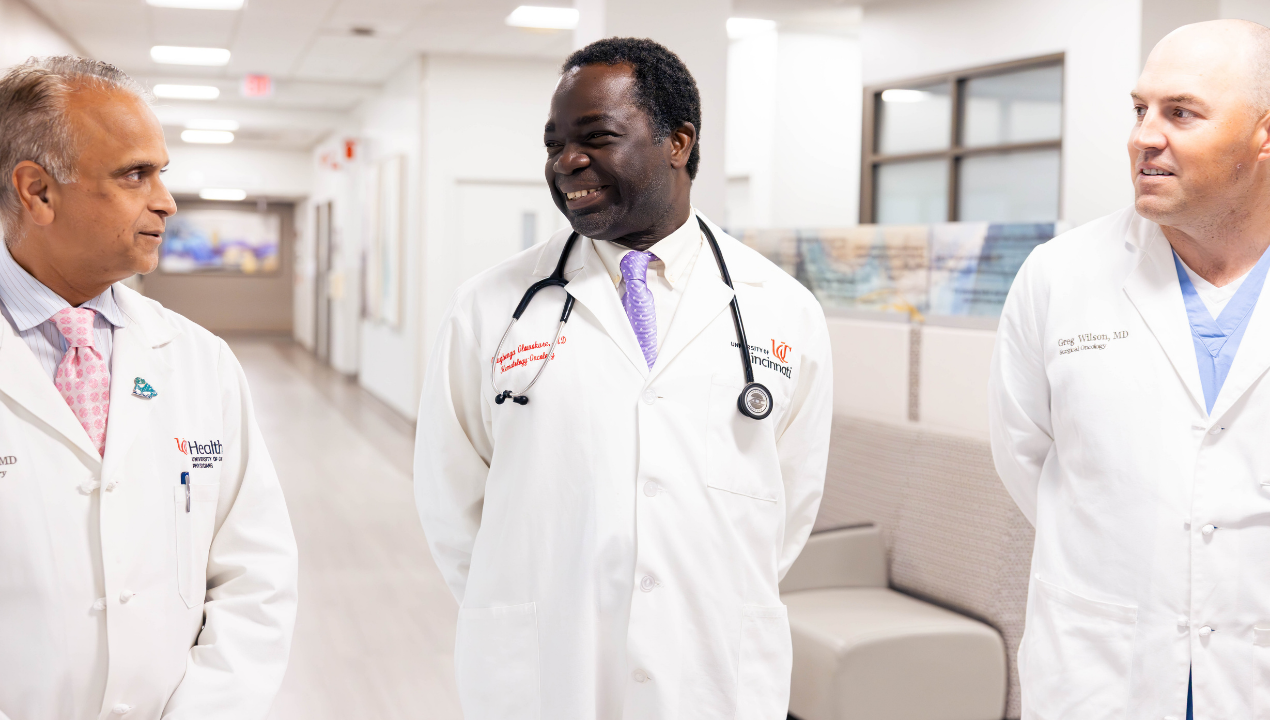
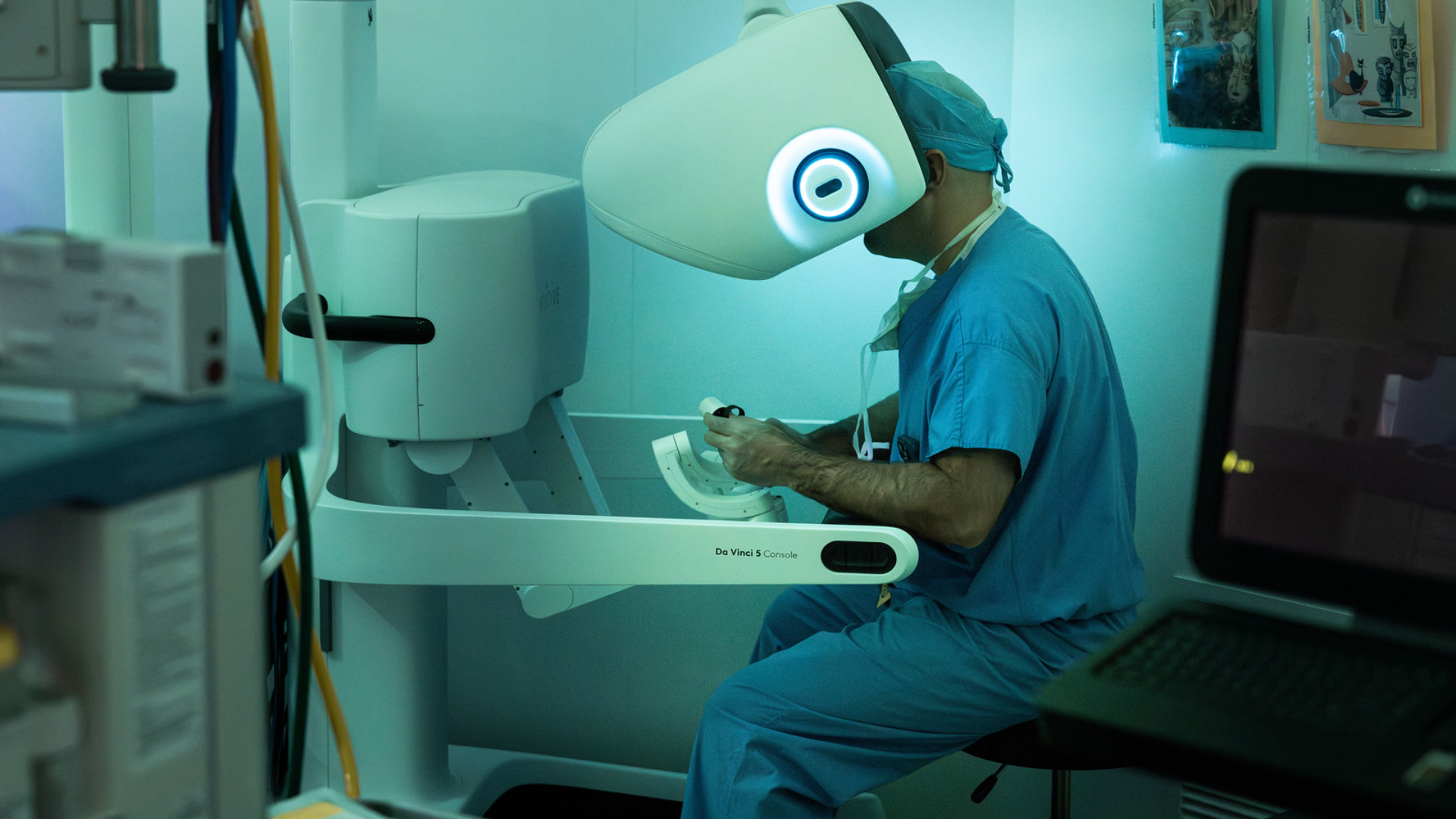
UC Cancer Center surgeon Dr. Greg Wilson performs robotic HPB surgery using the da Vinci 5 system. Our team provides advanced surgical options for liver cancer and other complex cancers.

Advanced Surgical Techniques That Improve Recovery 

Liver cancer surgery is never one-size-fits-all. Where the tumor is, how much of the liver is affected and the health of the remaining liver all shape the treatment plan. That’s why experience—and having advanced surgery options—matters so much. 

HPB surgeons use advanced techniques that remove cancer while supporting recovery and keeping the liver working. These may include: 

  • Minimally invasive liver surgery, which can reduce pain, shorten hospital stays and speed recovery 
  • Robotic-assisted liver surgery, able to pinpoint tumors in hard-to-reach or important areas 
  • Complex liver resections (removal of part of the liver) for large or challenging tumors 
  • Two-stage liver resections, allowing healthy liver tissue to regrow between surgeries 
  • Parenchymal-sparing approaches, which keep as much healthy liver as possible 

These techniques allow us to help patients who may have been told surgery isn’t an option elsewhere. 

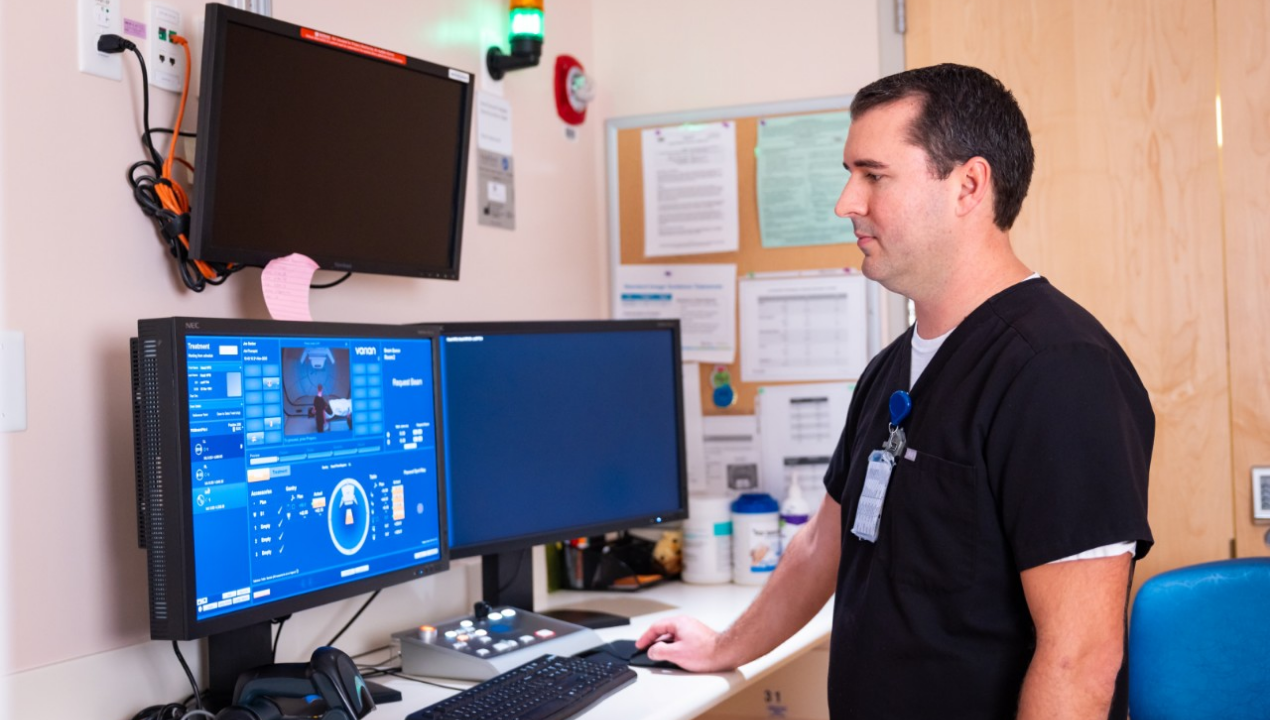
Technician at the Proton Therapy Center looks at a screen

At UC Cancer Center’s Proton Therapy Center, patients receive highly targeted radiation therapy designed to protect healthy tissue. As the region’s only proton therapy center, we provide advanced treatment options for a wide range of cancers.

Liver-Directed Therapies: Treatment Options When Surgery Isn’t the First Step 

Not every liver tumor can, or should, be removed right away. In these situations, liver-directed treatments can help control cancer, shrink tumors, relieve symptoms, or make surgery or transplant possible later. A liver-directed treatment is given right to the organ instead of through the whole body like an oral medication or IV medication in a port. 

Depending on a patient’s situation, treatment may include: 

  • Microwave ablation (burning with heat, cold, or chemicals on only the tumor) or other ablation techniques to destroy tumors 
  • Selective internal radiation therapy (SIRT / Y-90), a highly targeted internal radiation approach where radiation beads are injected through a catheter into an artery and clog up the vessels that supply blood to the tumor 
  • Precision radiation therapy, including advanced options such as proton therapy, may be used for some liver cancer patients to target tumors while helping protect nearby healthy tissue. 

These therapies are often combined with surgery or systemic treatments Your liver cancer team will talk through whether these treatments are right for you. 

New Systemic Therapies: Targeted Treatments and Immunotherapy 

For patients whose liver cancer cannot be fully treated with surgery alone, systemic therapies—medications that travel throughout the body—play an important role. 

Today’s options go beyond traditional chemotherapy and may include: 

  • Targeted therapies, which are specific to your cancer type 
  • Immunotherapy, which helps the immune system recognize and attack cancer 
  • Combination approaches, pairing drugs with liver-directed or surgical treatments 

These advances have given more options for patients with advanced or stage IV liver cancer, helping many live longer with a better quality of life. 

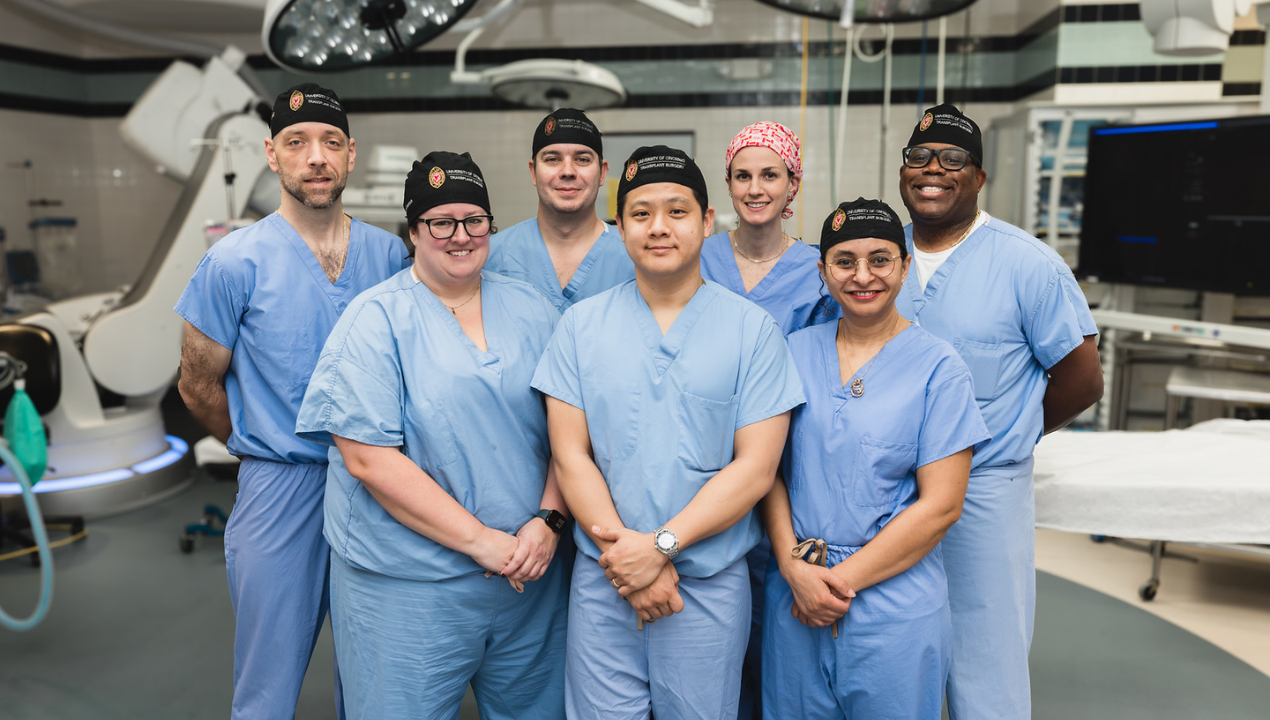
UC Health's transplant surgeons stand together for a group photo in the operating room

UC Health’s Transplant Program is the region’s only adult liver transplant center—offering faster access to transplant and shorter wait times than most programs nationwide.

Liver Transplant: A Powerful Option for Some Patients 

For some patients—especially those with liver cancer and underlying liver disease—a liver transplant may offer the best chance for long-term survival. By replacing the unhealthy liver, transplant can remove both the cancer and the condition that caused it. 

UC Health’s Liver Transplant and Hepatobiliary Surgery department is a regional leader in liver transplantation. Our transplant surgeons work closely with HPB surgeons, hepatologists (liver specialists), oncologists and interventional radiologists to see if you’re eligible and coordinate care. 

For patients awaiting transplant, bridging therapies such as ablation, embolization, or HAI pump therapy may prevent cancer from spreading while still keeping you on the transplant waitlist. 

Liver Cancer Clinical Trials: Research Expanding Treatment Options 

Clinical trials don’t just test new treatments—they shape the future of cancer care. At the University of Cincinnati Cancer Center, our physicians not only offer access to clinical trials, they lead research that defines what comes next in liver cancer treatment. 

As part of an academic cancer center, our specialists create, lead and collaborate on national and international studies focused on improving outcomes for patients with liver cancer. This means patients treated here may benefit from therapies that are being evaluated by experts who are deeply involved in advancing the science behind them. 

Current trials include: 

  • NCT06050252, studying an investigational treatment approach aimed at improving cancer control while maintaining quality of life 
  • NCT07225036, focused on advanced liver cancer and evaluating whether a newer therapy can improve outcomes compared to standard care 
  • NCT03186898, studies how well radiation therapy with protons works compared with photons in treating patients with liver cancer 

Participation is always your choice and our team helps patients understand whether a trial might be right for them. 

Why Timing Matters 

Some clinical trials require that patients have not received certain treatments beforehand. That’s why seeking a second opinion before starting treatment elsewhere can be so important—it helps ensure all options, including trials, remain open. 

A Team Approach for Even the Most Complex Liver Cancers 

Every liver cancer case at the University of Cincinnati Cancer Center is reviewed by a multidisciplinary tumor board that includes HPB surgeons, transplant surgeons, medical oncologists, interventional radiologists, hepatologists, radiation oncologists and specialized nurses. 

This collaborative approach allows us to make a care plan that’s right for you.

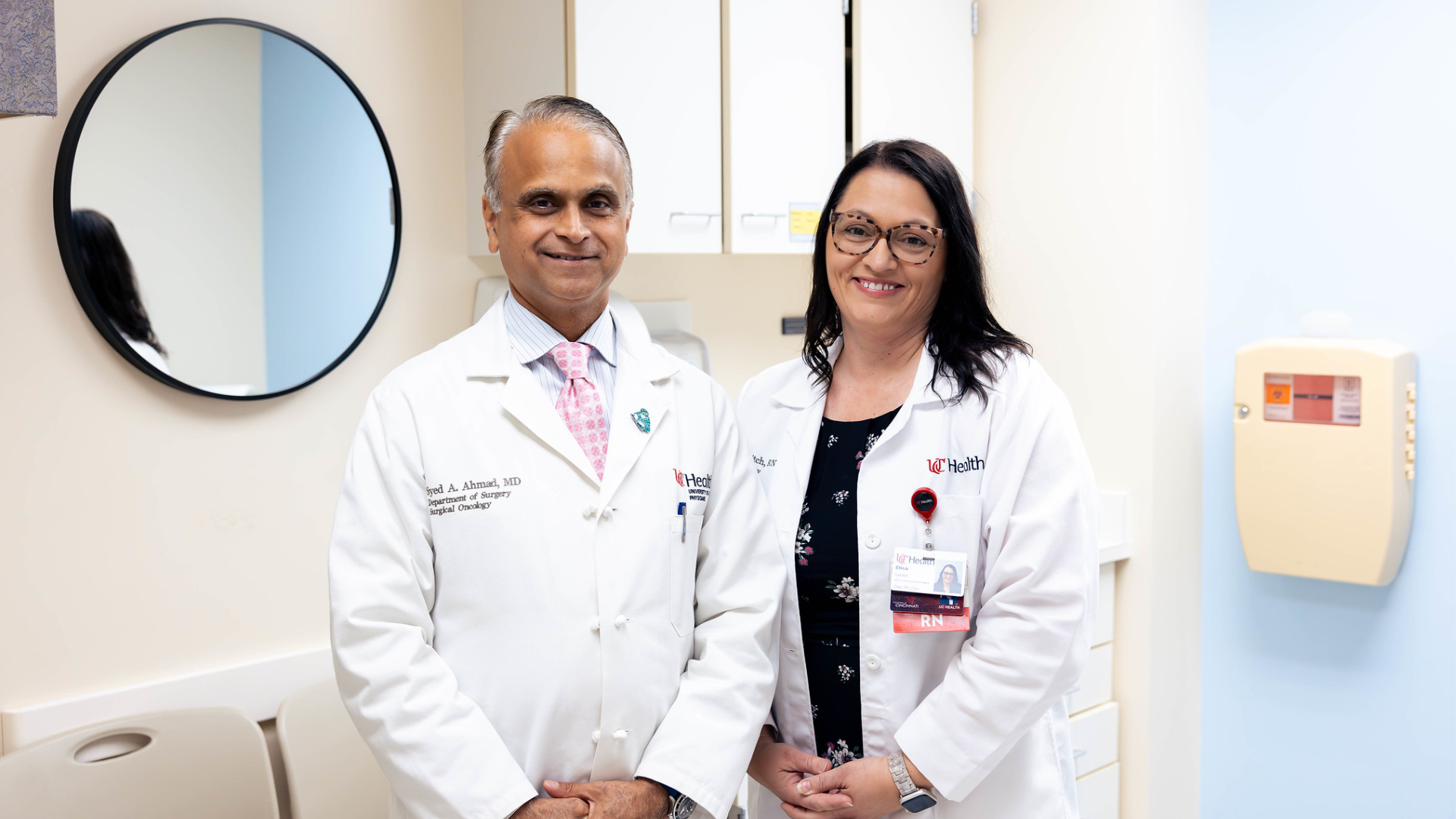
At UC Cancer Center, surgeons, nurses and specialists work as a team to care for each patient. This coordinated approach helps expand treatment options and improve outcomes—even for complex cancers.

What This Means for Survival—and for Hope 

Liver cancer is serious, but outcomes are improving. Early-stage cancers treated with surgery or transplant have a much higher chance of long-term survival. Even in late-stage cancer, today’s combination of therapies is helping patients live longer and better than ever before. 

What matters most is experience—and a team that knows how to handle complicated cases.  

Take the Next Step 

If you or a loved one has been diagnosed with liver cancer, you don’t have to navigate these decisions alone. 

At the University of Cincinnati Cancer Center, we bring together advanced surgery, transplant expertise, innovative therapies and clinical research—because no cancer is too complicated for our surgeons. 

We got you. Call 585-UCCC for a second opinion.
x