Lung Cancer Treatment: More Options
At the time of his diagnosis, David was not a candidate for surgery. Instead, his treatment plan included chemotherapy and radiation: 30 radiation treatments and six rounds of chemotherapy. Today, he continues with immunotherapy, one of the major breakthroughs in modern cancer care.
Immunotherapy works differently from chemotherapy. Instead of directly attacking cancer cells, it helps the body’s immune system recognize and fight cancer more effectively. For many lung cancer patients, it has changed what long-term treatment and survivorship can look like.
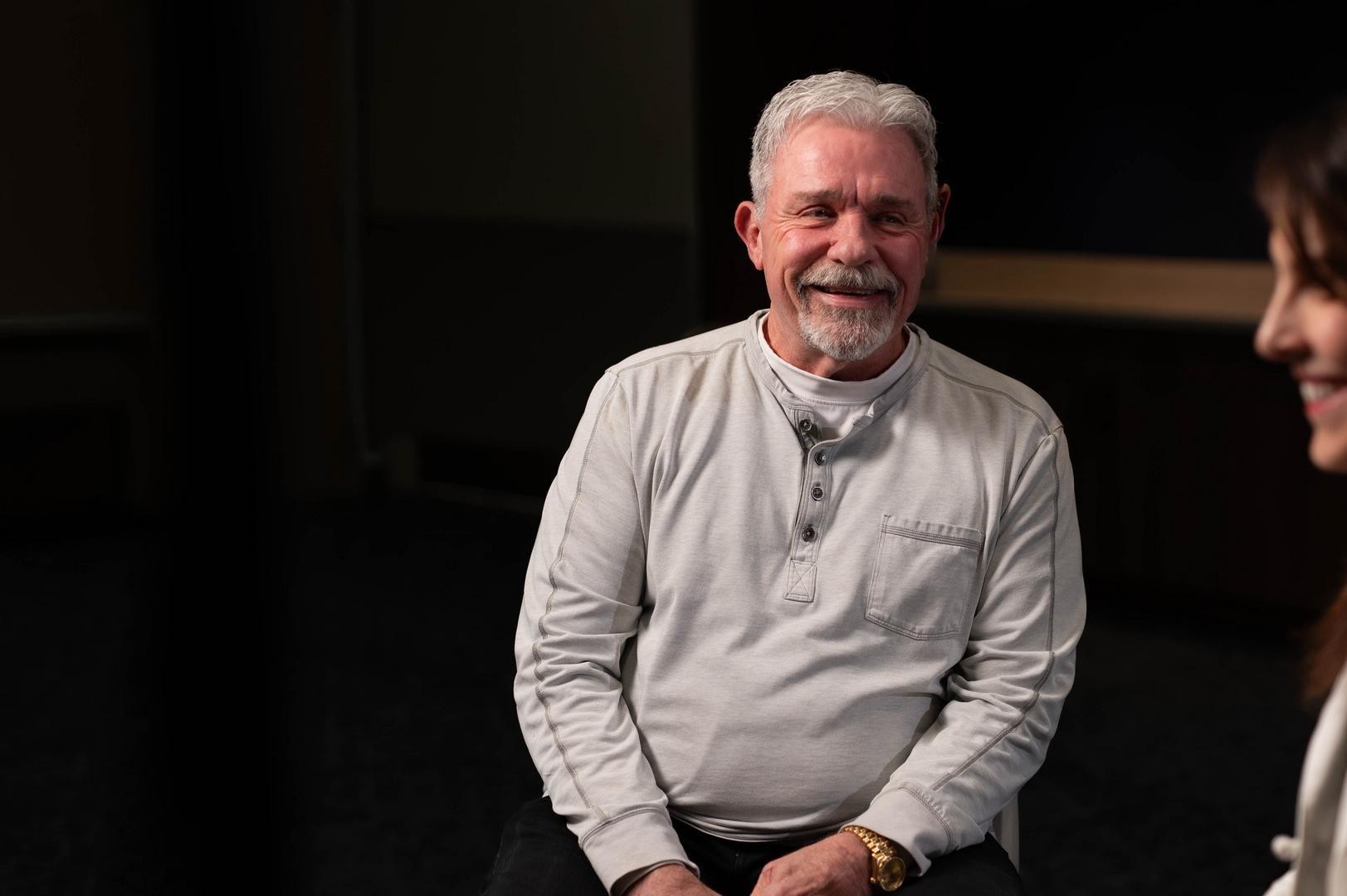
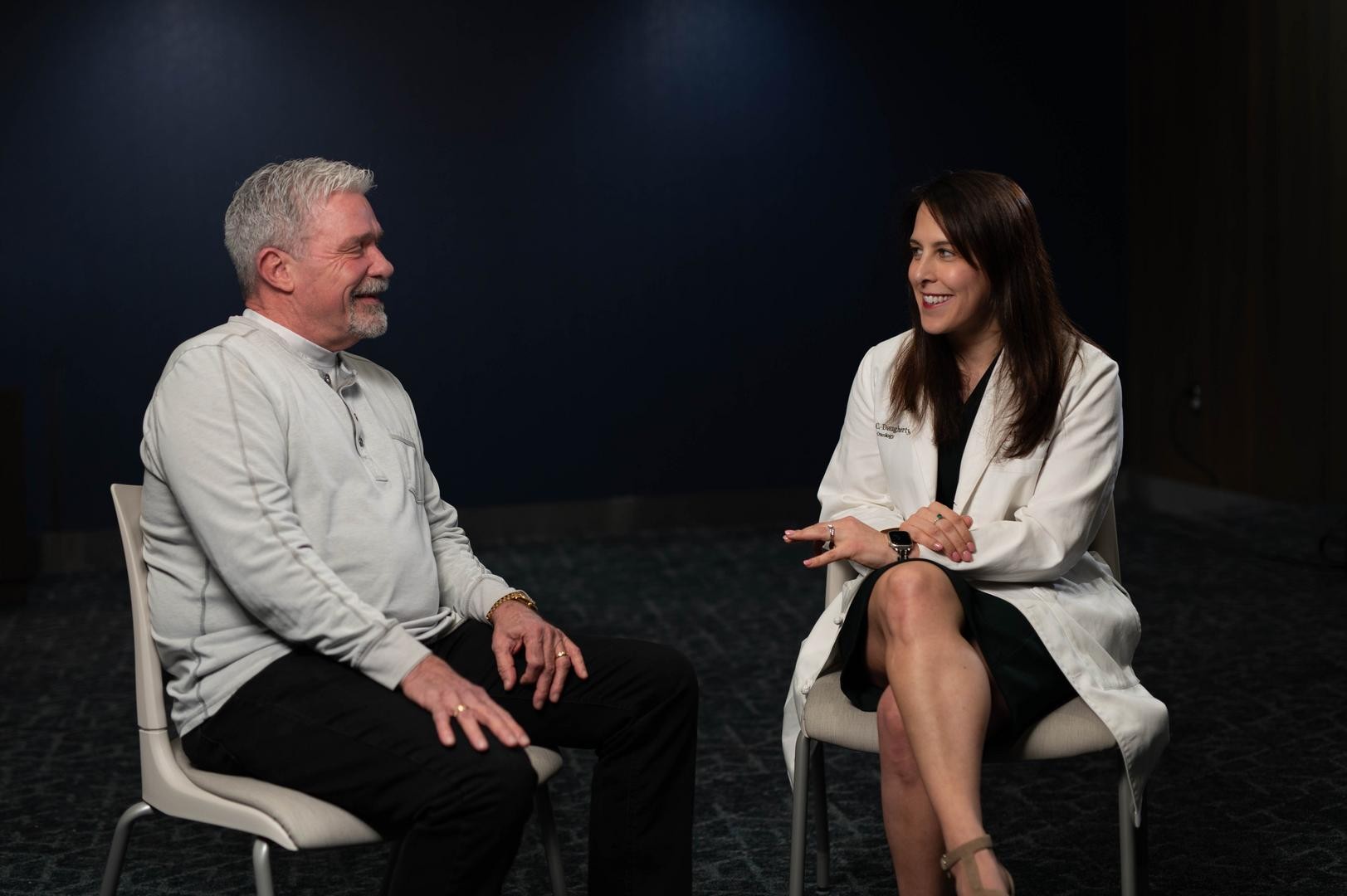
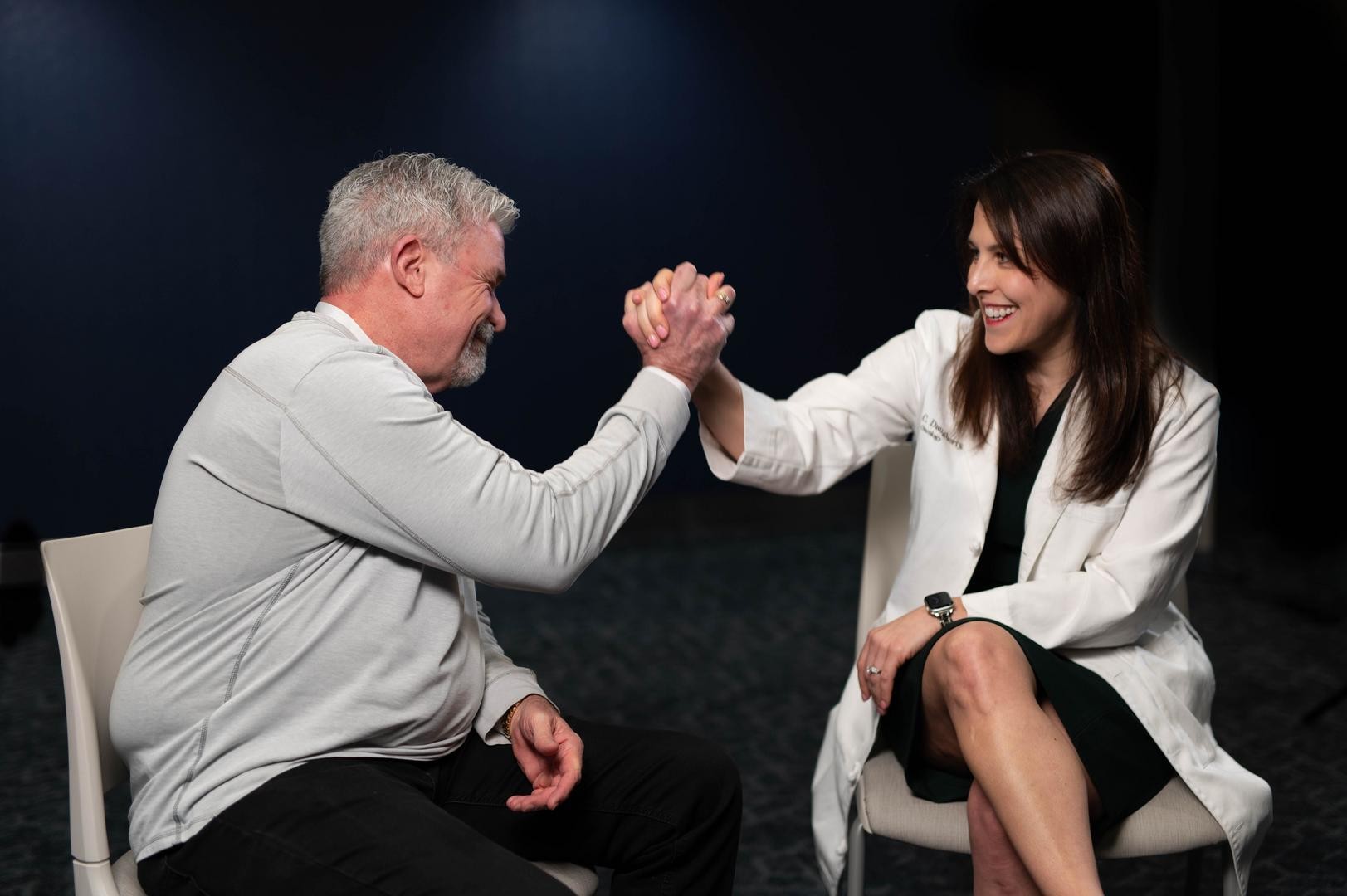
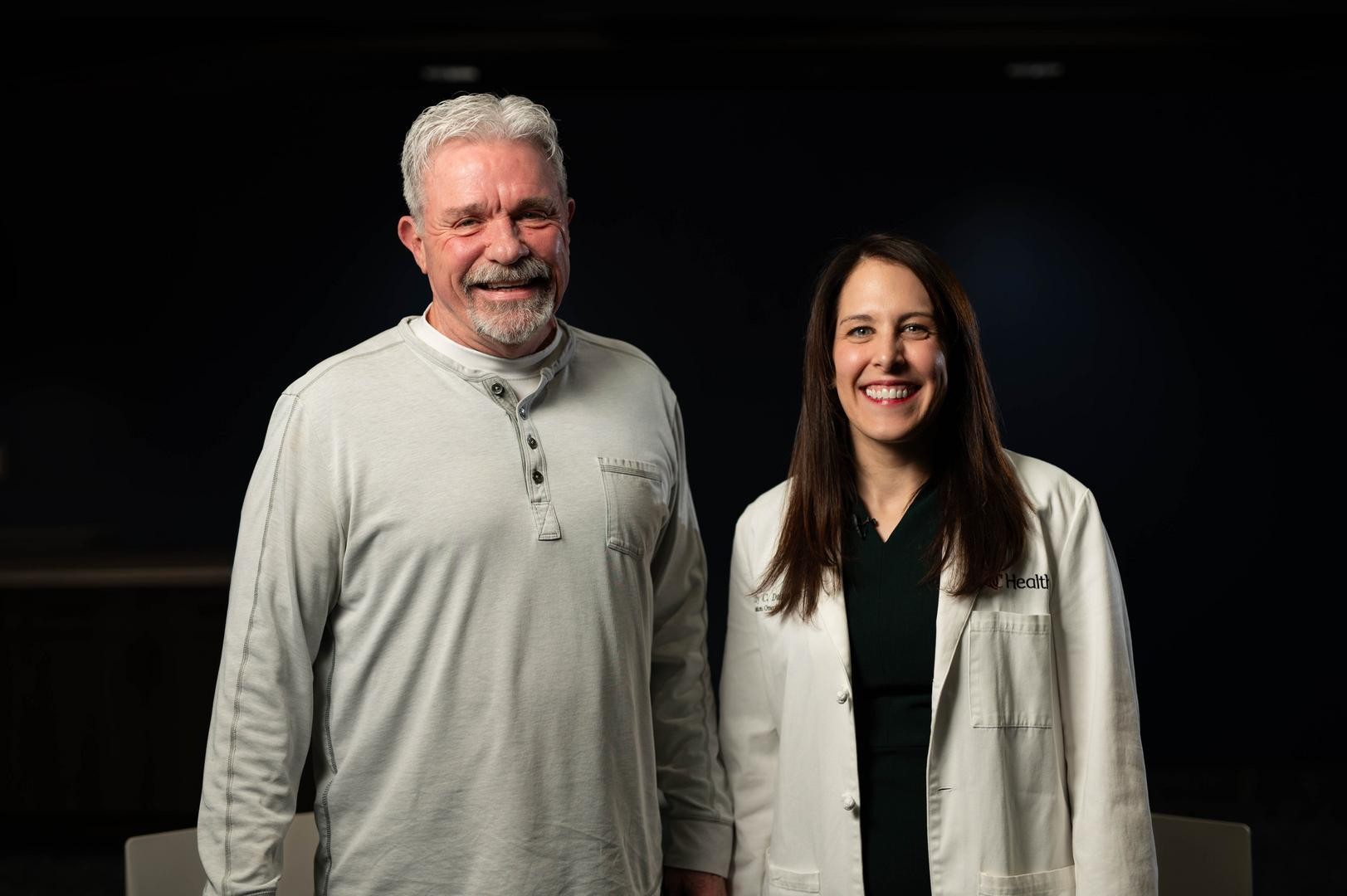
Radiation oncologist Emily Daugherty, MD, remembers those early days well. David was anxious, as anyone would be. But they built a relationship quickly—Dr. Daugherty saw David as a person, not a disease—a person who deserved the best.
“We just took it one step at a time,” she said.
Dr. Daugherty specializes in advanced lung radiation techniques that accurately target the tumor while protecting surrounding healthy tissue. She is also leading groundbreaking research on ultra-high-dose-rate, proton “FLASH” radiotherapy—a new treatment option that could reduce long-term side effects. It is just one more way our team is pushing for a better future for people with lung cancer.
But what stands out most in David’s story isn’t just the technology. It’s the human connection.
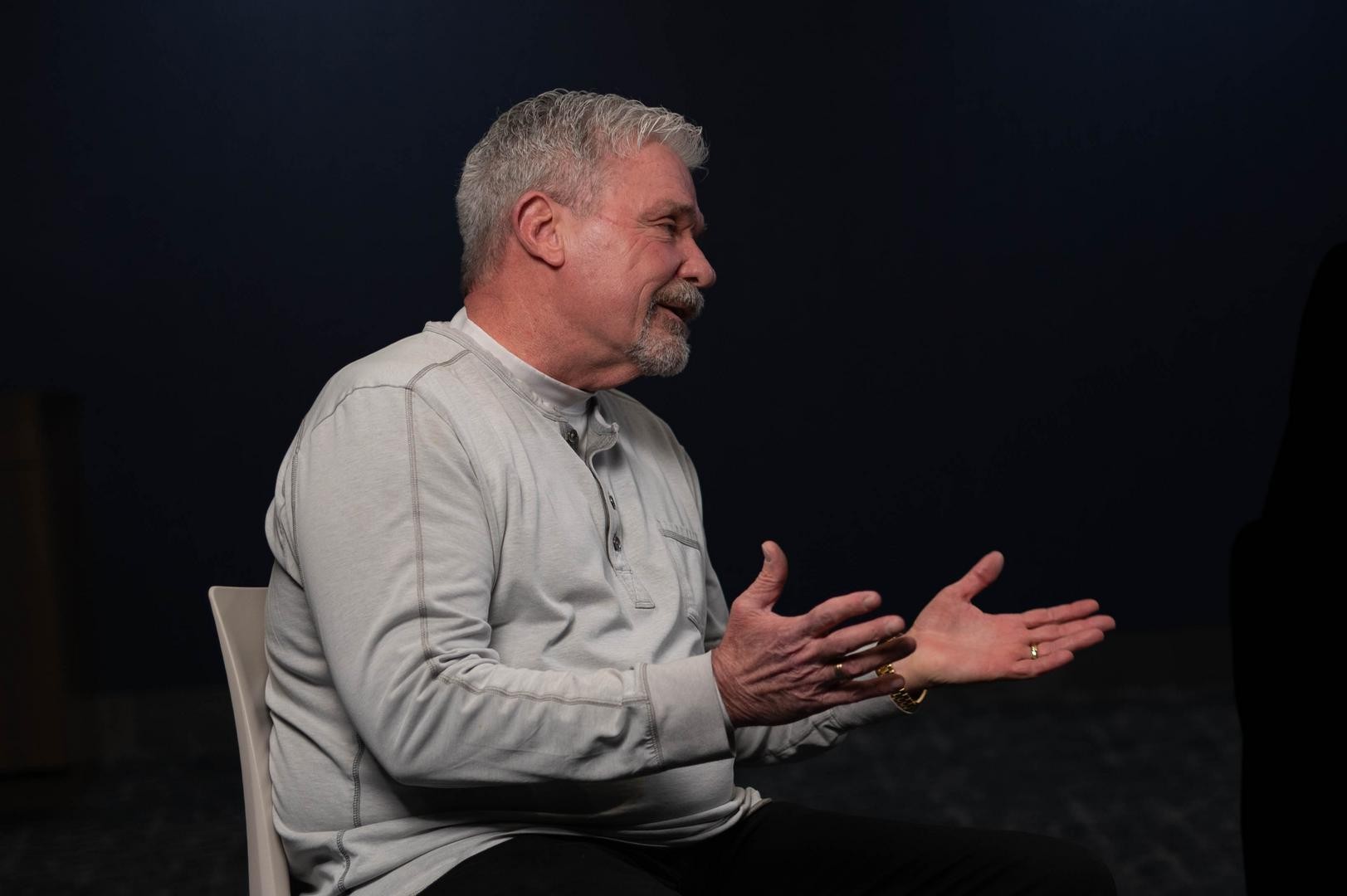
“I just felt cared for through the whole process,” David said. “I felt a bond with all of the physicians and their staff.”
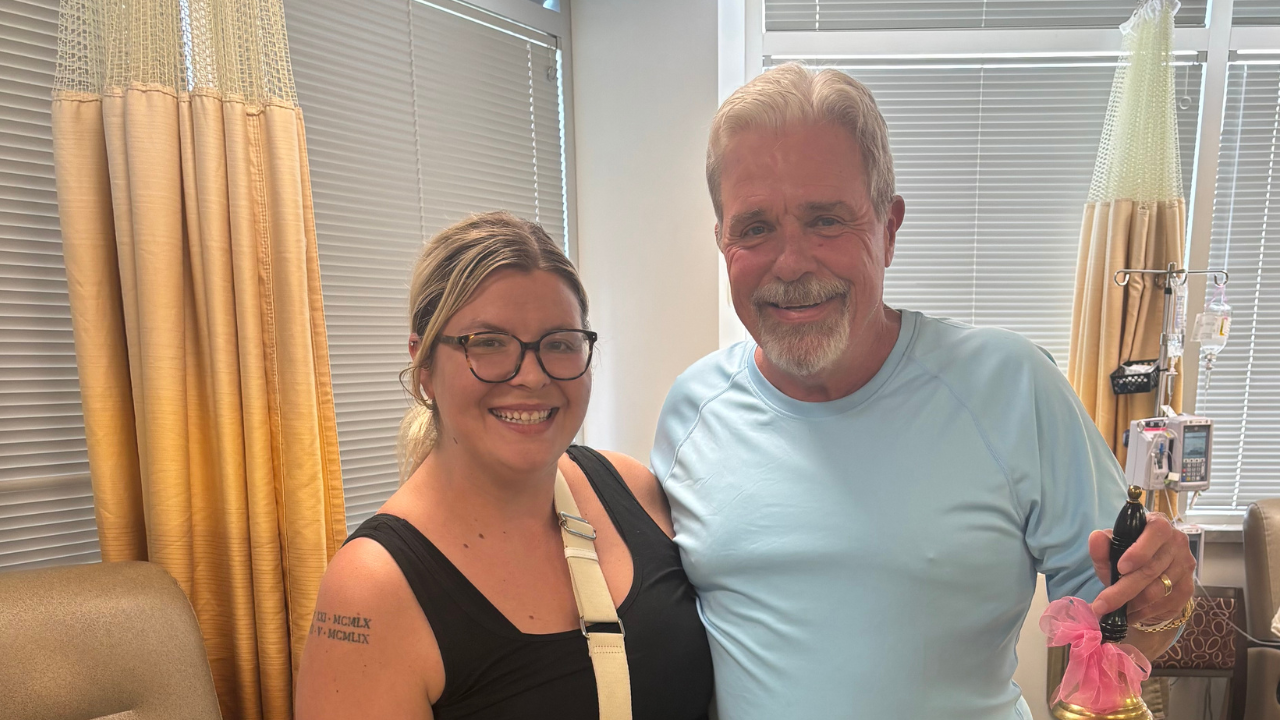
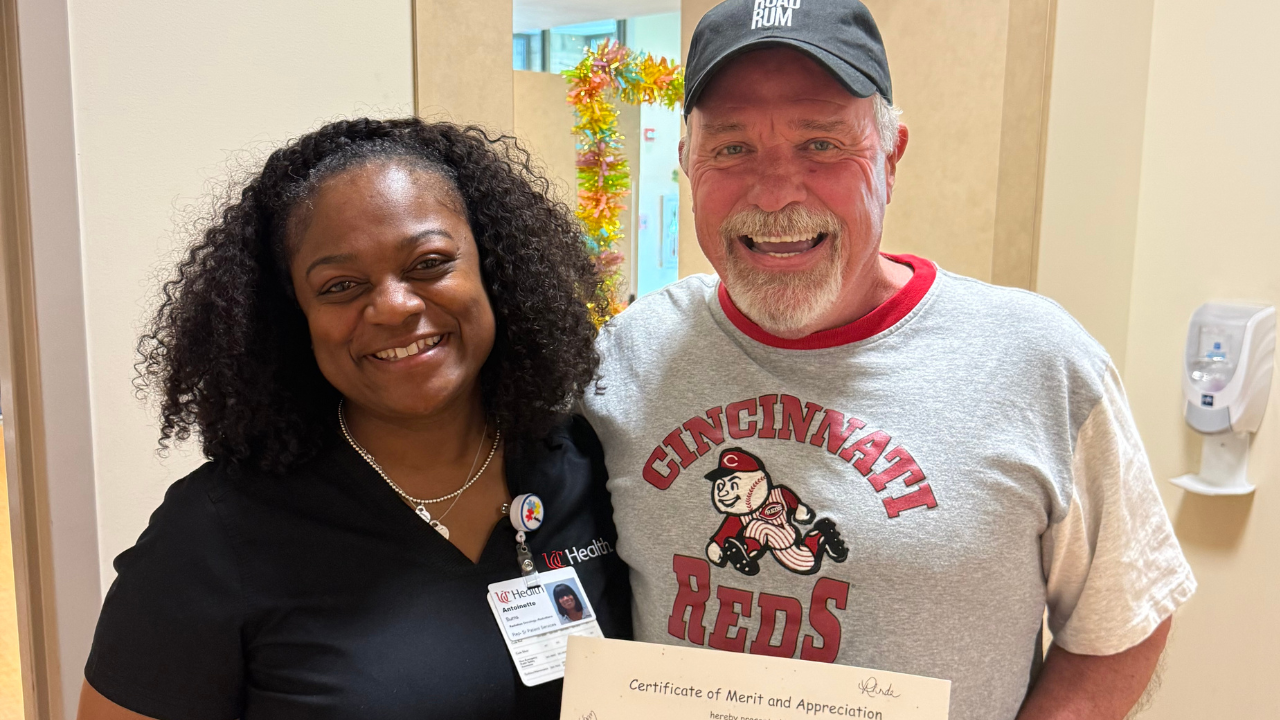
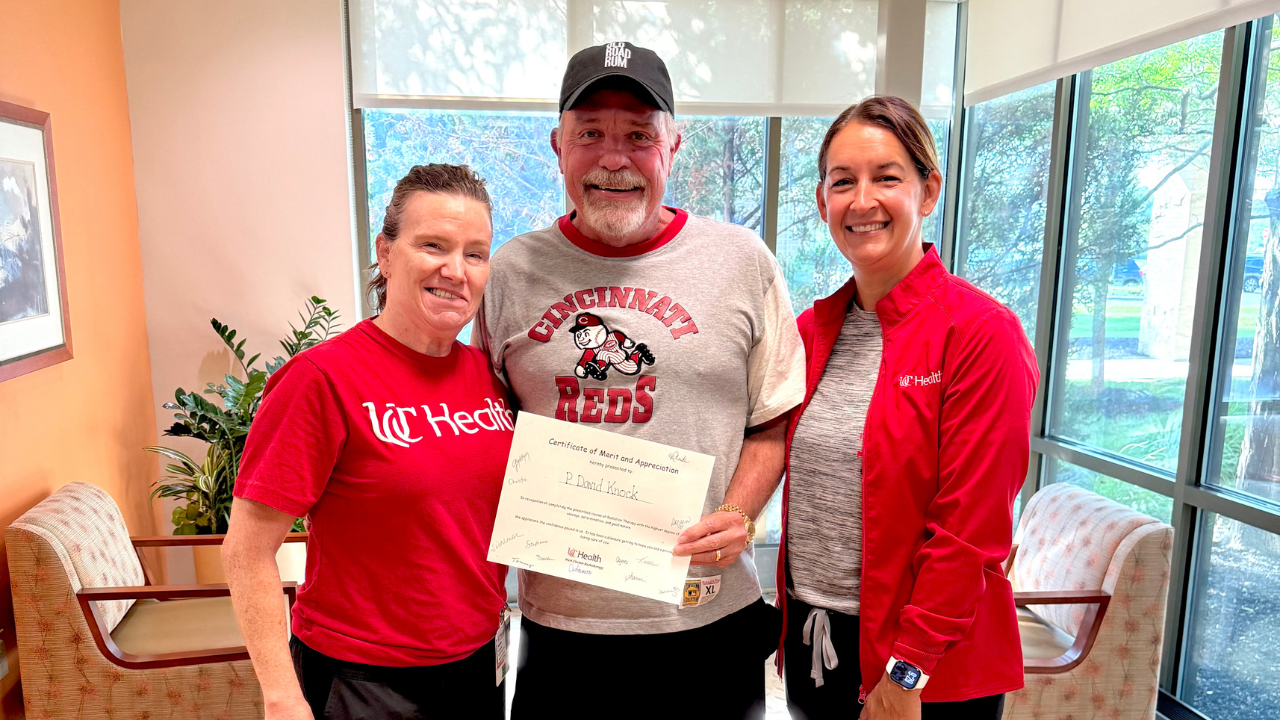
When he finished radiation, he celebrated the only way he knew how: by bringing donuts to the team who had walked beside him.