Patient Stories

Tim’s Pancreatic Cancer Survival Story: Living Proof That Every Moment Matters

Nov. 19, 2025

An unexpected symptom led Tim Rice to a pancreatic cancer diagnosis. With the team at the University of Cincinnati Cancer Center beside him, he started treatment with a courageous focus on more tomorrows.


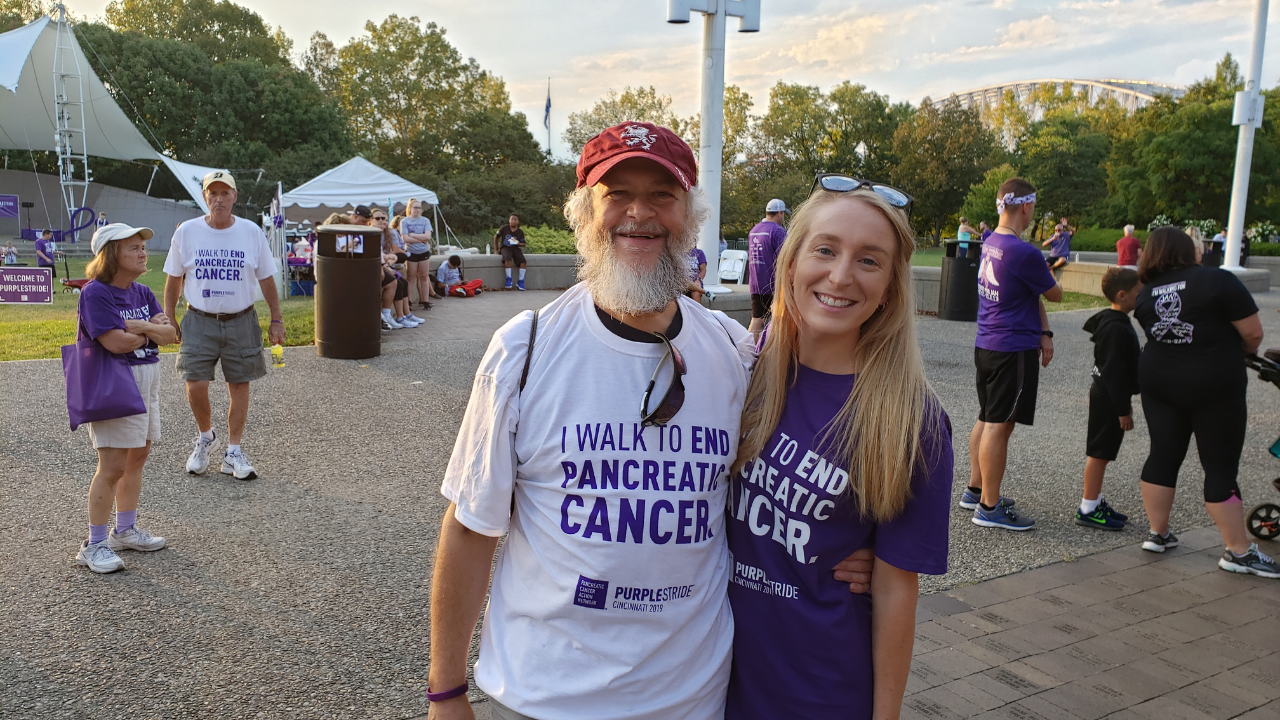
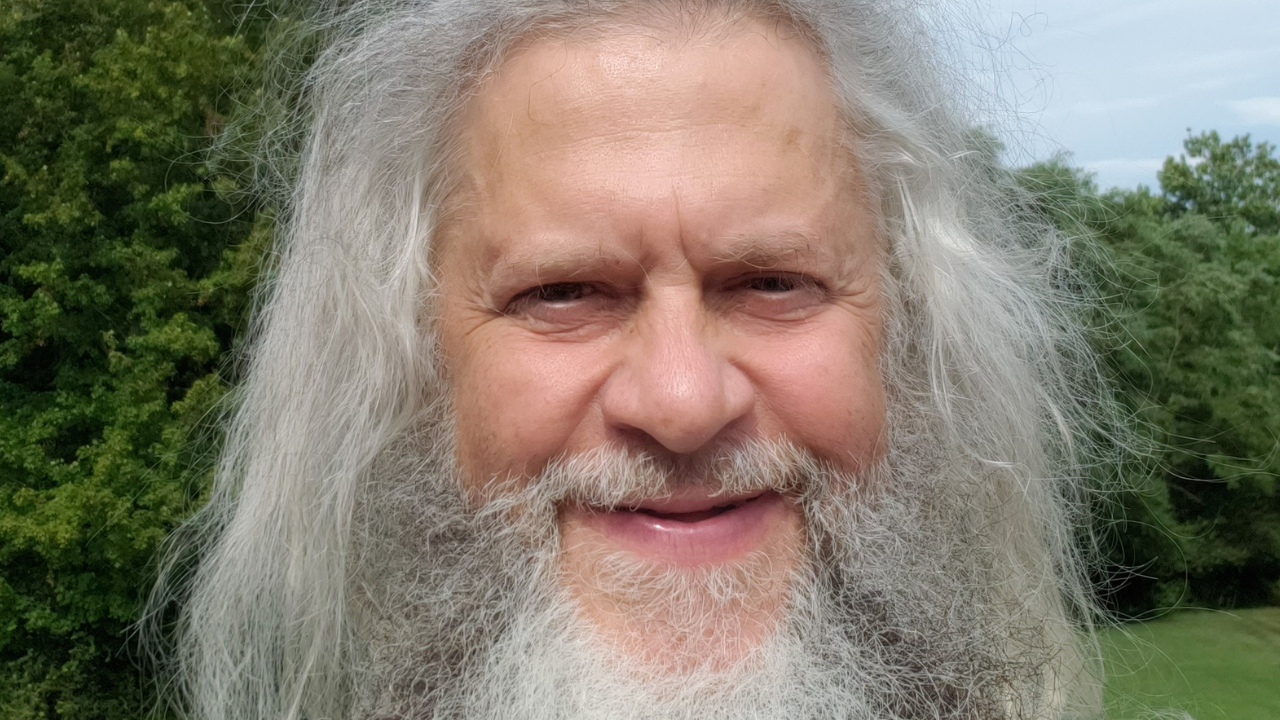
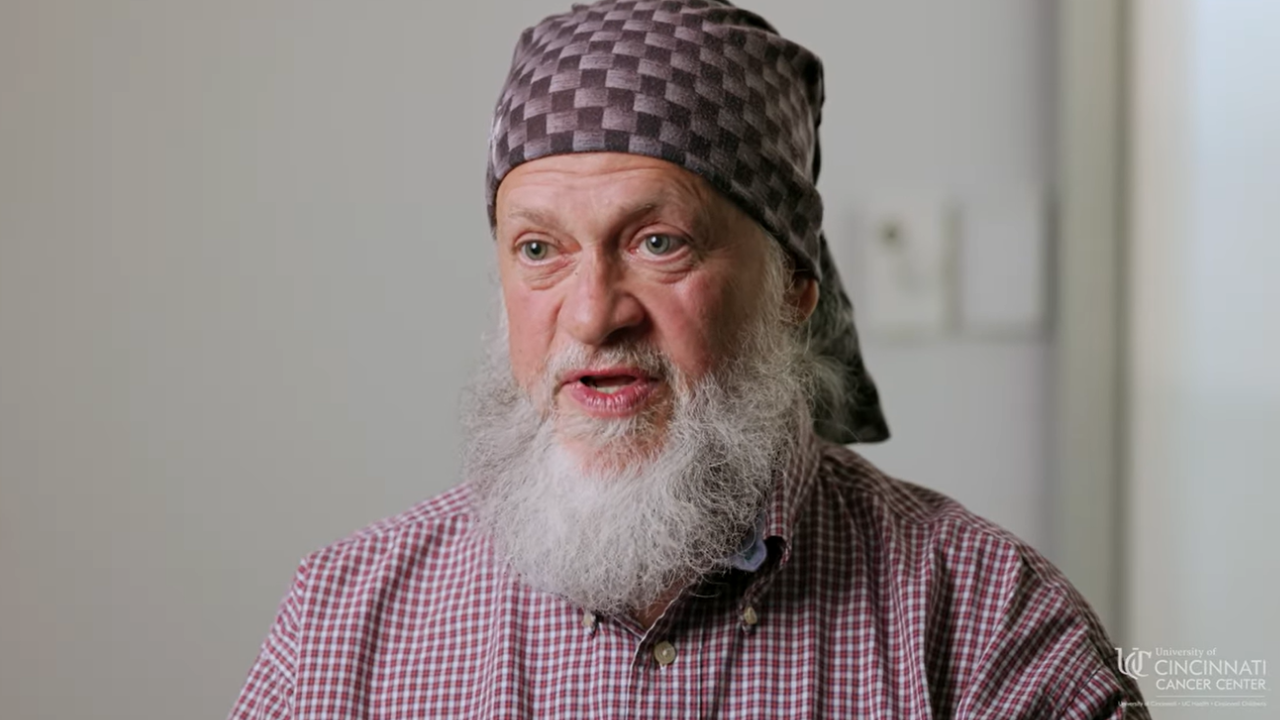
Tim Rice shares his pancreatic cancer story

Tim Rice shares his story to encourage others to listen to their bodies, act quickly, and advocate for their care.

  • A subtle but serious symptom, yellowing eyes, led Tim to the emergency room and a pancreatic cancer diagnosis.
  • A multidisciplinary team at the University of Cincinnati Cancer Center designed a personalized treatment plan for Tim that included chemotherapy, radiation and Whipple surgery.
  • Seven years later, Tim is sharing his story and encouraging others to listen to their bodies and advocate for their care.

Cancers of the pancreas, liver and bile ducts are rare and complex, so it’s important to choose a center that treats them every day with specialized expertise. Don’t wait—get a second opinion fast. Call 513-585-UCCC.
A Question That Changed Everything

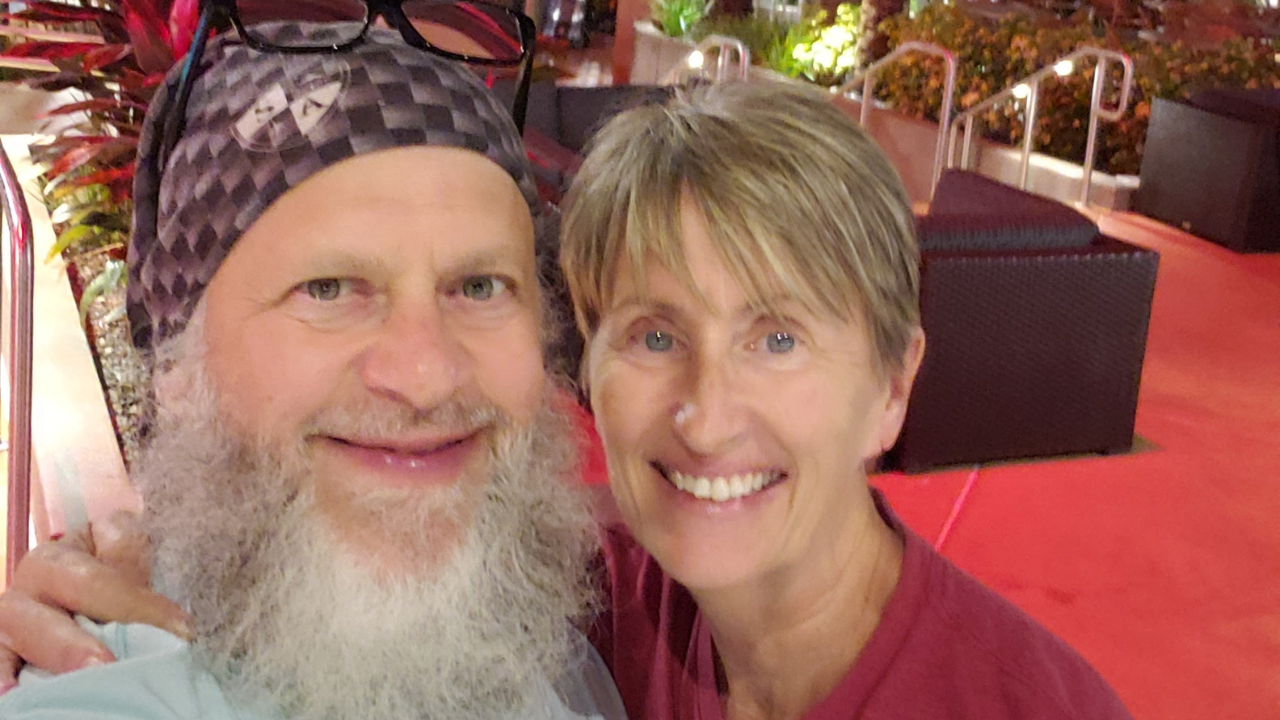
When Tim Rice looked in the car mirror one evening and asked his wife, “Are my eyes yellow?”, neither of them imagined that question would change their lives. Within days, Tim was in the emergency room. Tests revealed a tumor in the head of his pancreas. Soon after, he heard the words no one ever expects to hear: “You have pancreatic cancer.”

“I was totally shocked,” Tim recalls. “We cried. I looked online and saw the survival rate was about six percent. But I told myself, 'I want to be part of that six percent.' I still have a life to live and a wife to care for.”

Meeting the Experts in Pancreatic Cancer Care

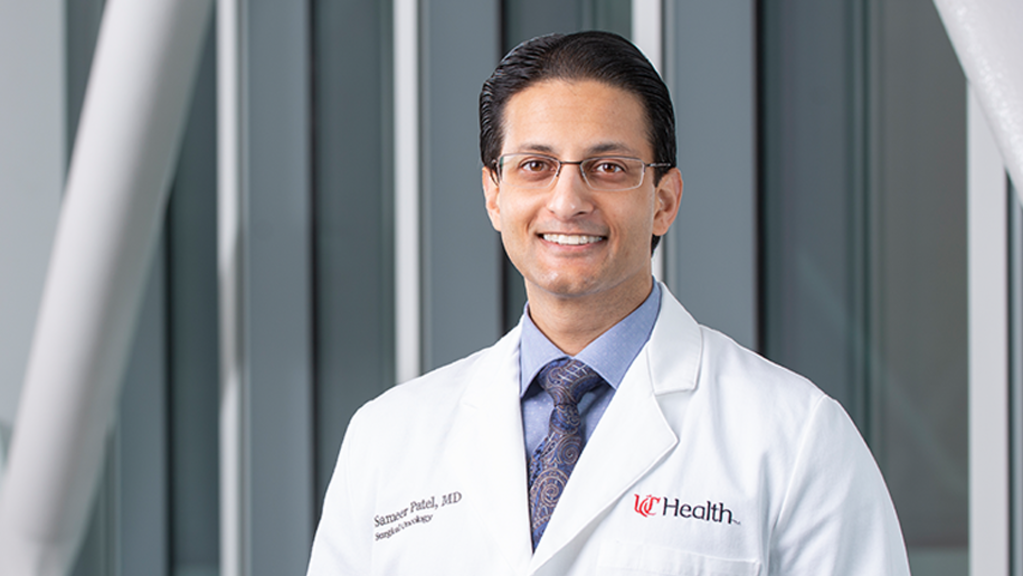
That determination led him to the University of Cincinnati Cancer Center, where he met Dr. Sameer Patel, a surgical oncologist specializing in hepatopancreatobiliary (HPB) cancers—cancers of the pancreas, liver and bile ducts. “When Tim came in, he had a mass in the head of his pancreas causing jaundice,” Dr. Patel explains. “Because of where it was located, he was a candidate for the Whipple procedure, one of the most complex surgeries in medicine.”

Personalized Treatment

Dr. Patel and his multidisciplinary team, including medical oncologists, radiologists, and radiation oncologists, met to discuss Tim’s case, as they do for every patient. “At the [University of Cincinnati] Cancer Center, we never take a one-size-fits-all approach,” Dr. Patel says. “We tailor every plan to the individual. For Tim, that meant chemotherapy and radiation before surgery to give him the best long term outcomes.”

Tim remembers that collaborative care vividly. “The doctors, oncologists, and surgeons all worked together,” he says. “They didn’t just see me as another case; they treated me as Tim. After meeting them, there was no question. UC Cancer Center was where I needed to be.”

The Whipple surgery was a success. Dr. Patel and his team removed the cancer with clean margins, meaning no traces were left behind. “We were able to remove the entire portion of the cancer,” Dr. Patel says. “That’s the goal to give patients the best chance at more tomorrows.”

Recovery, Setbacks and Support

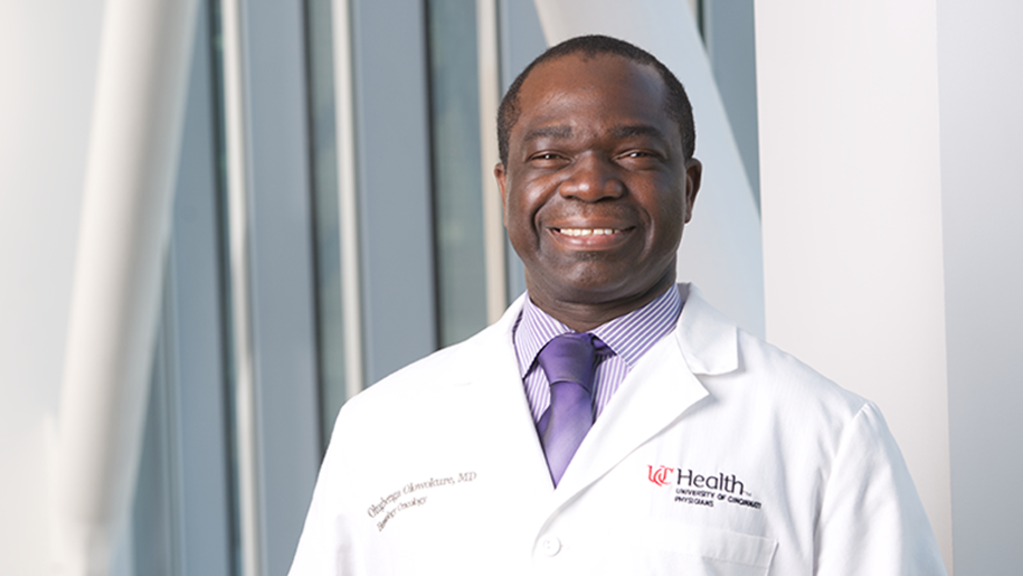
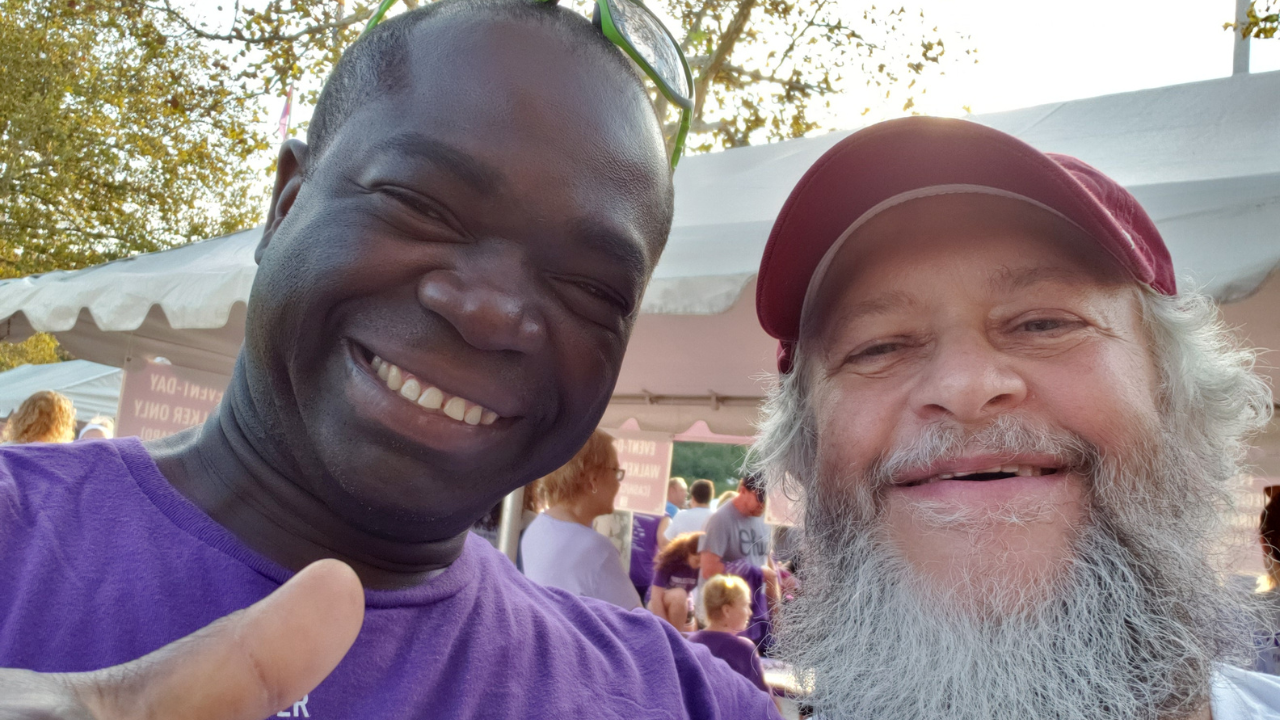
Recovery wasn’t easy. Tim faced months of side effects, blood clots, and weakness. But the care team stood with him at every step. His infusion nurse, Tiffany, became like family; his dietitian, Stacy Shawhan, helped him regain strength and appetite; and his oncologist, Dr. "Benga" (Dr. Olugbenga Olowokure), celebrated every milestone sometimes with a happy dance in the exam room.

More Tomorrows with Pancreatic Cancer Survival

Seven years later, Tim is still here living proof that innovations in pancreatic cancer today mean more tomorrows. He shares his story whenever he can, reminding others to listen to their bodies and advocate for themselves.

“I tell people, don’t wait,” Tim says. “If something feels off, get checked. And if you’re diagnosed, don’t give up. Be your own advocate. Get a second opinion. The University of Cincinnati Cancer Center saved my life.”

Dr. Patel agrees: "By the time pancreatic cancer is found, it's often already advanced. We have to catch it sooner.  That’s why our academic health system, right here in Cincinnati, is so important. Patients like Tim can receive the most advanced, compassionate care without ever leaving home.”

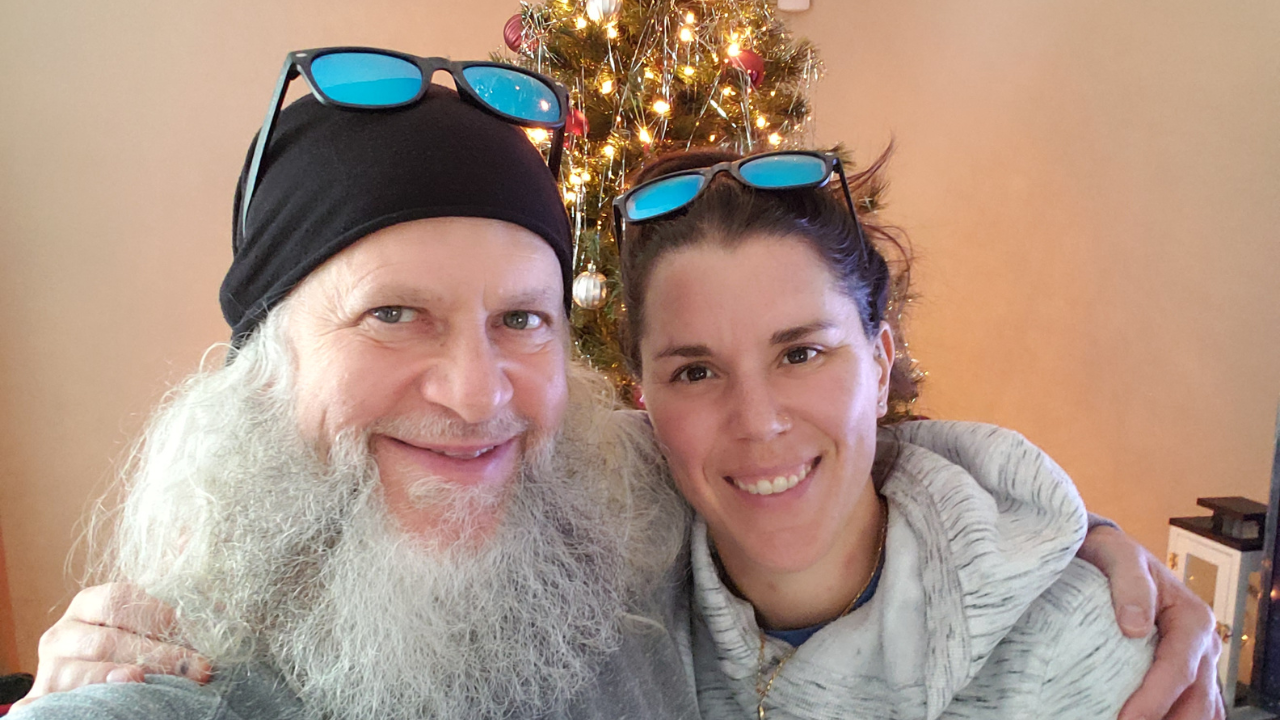
Today, Tim and his wife travel, cook, and laugh often. His message to others is simple but powerful: “Never write the ending of your story based on someone else’s experience. Your journey is your own.”

Expertise to Treat You

At UC Health, care for pancreatic and other HPB cancers comes together across the University of Cincinnati Cancer Center (including the Gastrointestinal Cancer Center), the Pancreatic Disease Center and specialized HPB surgeons. This connected approach means patients like Tim can have imaging, endoscopy, chemotherapy, radiation and advanced surgery coordinated within one system, with a personalized plan built just for them.

Don’t wait—get a second opinion fast. Call 513-585-UCCC.
x